



Production Layout Design for High-Quality Kitchen Blenders
Explore a case study on mass production layout design, automation, and flow production strategies for affordable high-quality kitchen blenders.
Production Layout Design: Affordable High-Quality Blender
Course: Production & Logistics | Semester Project | Case Study: LMT II
Product Definition & Scope
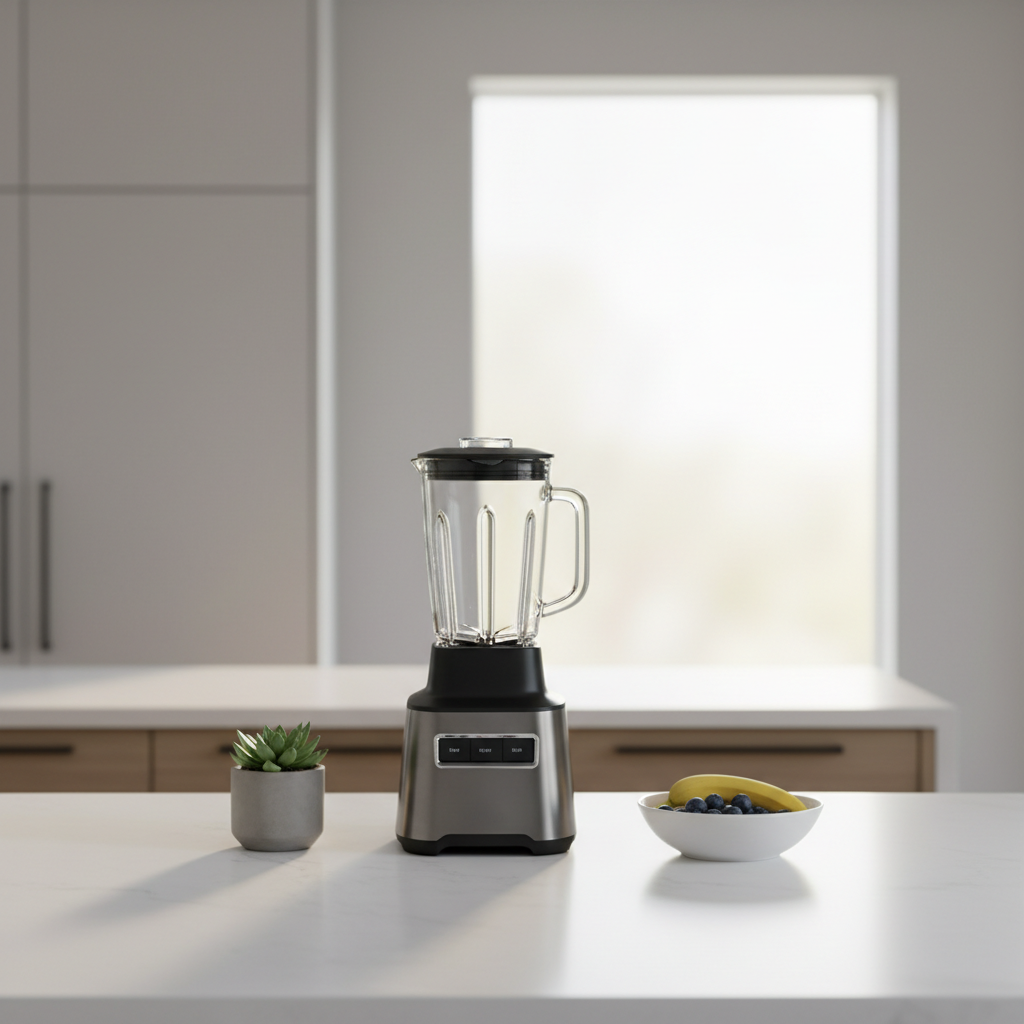
<b>Product:</b> High-Quality Kitchen Blender (Complete Unit).
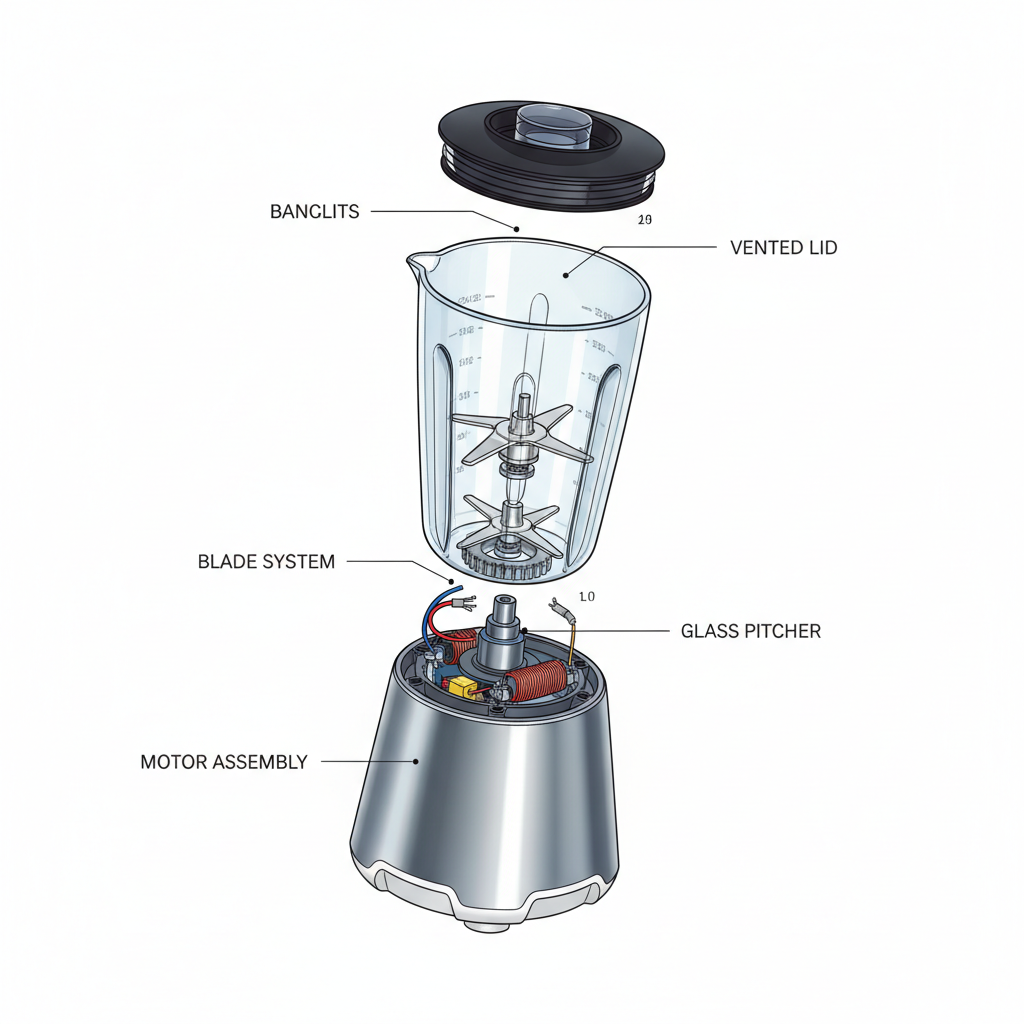
<b>Components:</b> 1400W Motor base, Polycarbonate jar (BPA-free), Stainless steel blade assembly, Control board.
<b>Value Proposition:</b> Affordable price point achieved through process efficiency, maintaining premium durability.
Requirements Analysis: Automation & Flexibility
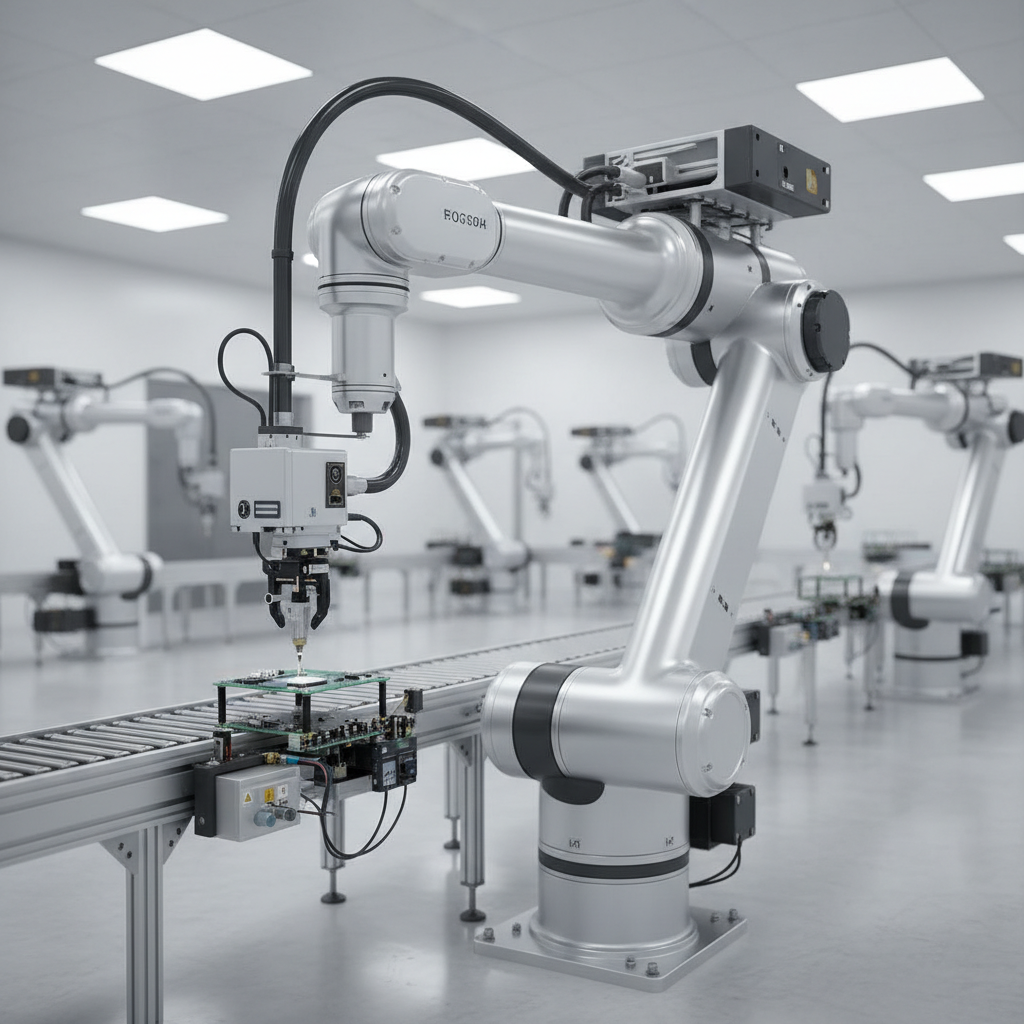
<b>Degree of Automation: HIGH</b><br>To maintain 'affordability' while ensuring 'high quality', manual variance must be minimized. Injection molding and PCB assembly require fully automated cells. Motor integration utilizes semi-automated cobots.
<b>Flexibility of Processing: LOW to MEDIUM</b><br>The product design is standardized. Flexibility is only required for final packaging (regional plugs/manuals) or color variants. The core mechanical processing follows a rigid sequence.
Requirements Analysis: Production Volume
Assumed production capacity based on market research (comparable to Vitamix/Blendtec facilities). Target output is ~5,000 units/day to meet global demand.
Requirements: Production Characteristics
Varieties & Types
Limited product variety (1 Base Model). Variations strictly limited to color (Housing) and localized SKUs (Plugs/Manuals). This reduces changeover times.
Production Stages
1. Injection Molding (Jar/Housing) <br>2. PCBA & Motor Sub-assembly<br>3. Main Assembly (Housing + Motor)<br>4. QC Testing<br>5. Packaging
Mobility & Transport
High mobility of the product is required inside the plant. Conveyor belts connect stages to reduce Work-In-Progress (WIP) buffers.
Assumption: Market Relationship
The product is a consumer good (B2C) sold via retailers and e-commerce. Market demand is anonymous but can be forecasted based on historical data. Delivery time expectations are immediate (off-the-shelf).
Recommendation: Production Type
Type: Mass Production / Large Series
<b>Justification:</b><br>• High volume (forecast ~1.2M units/year).<br>• Standardized product design (High-Quality, low variety).<br>• Need for cost degression (economies of scale) to ensure affordability.
Recommendation: Production Organization
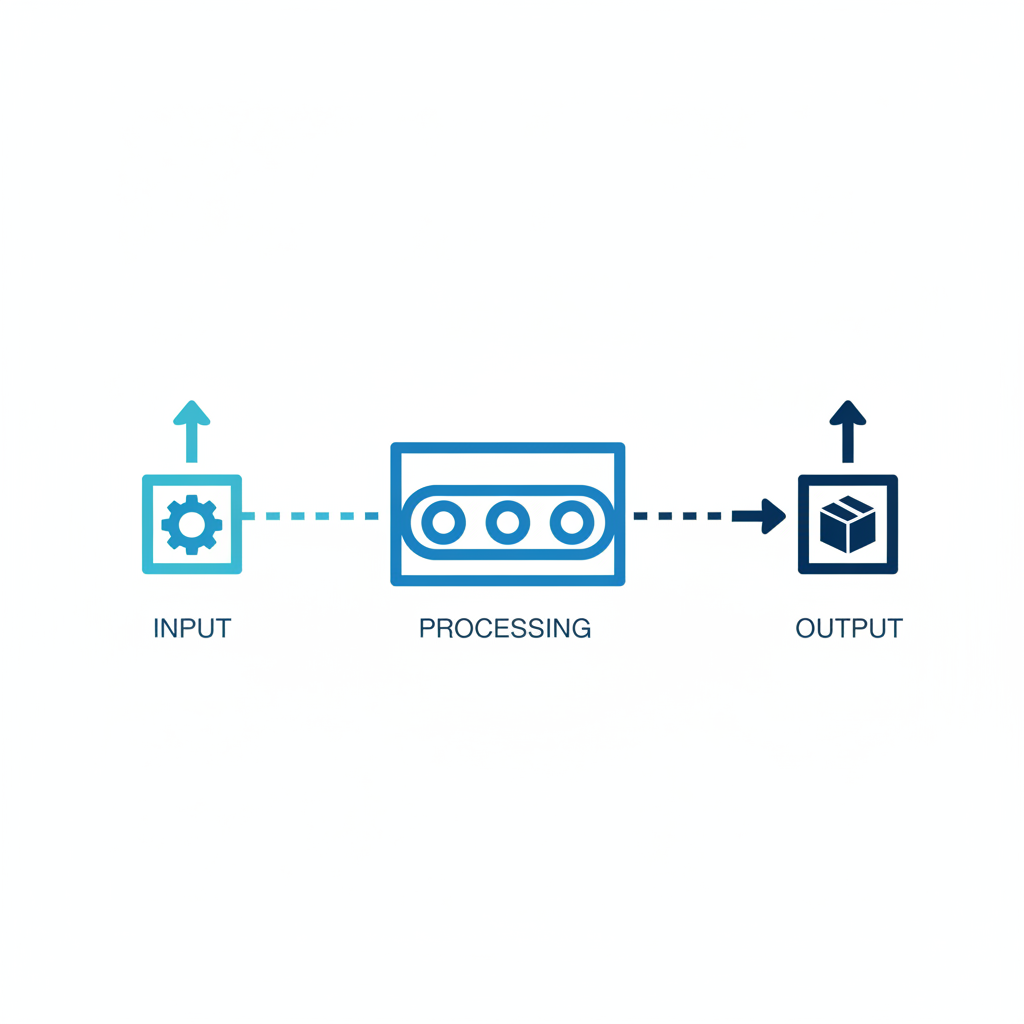
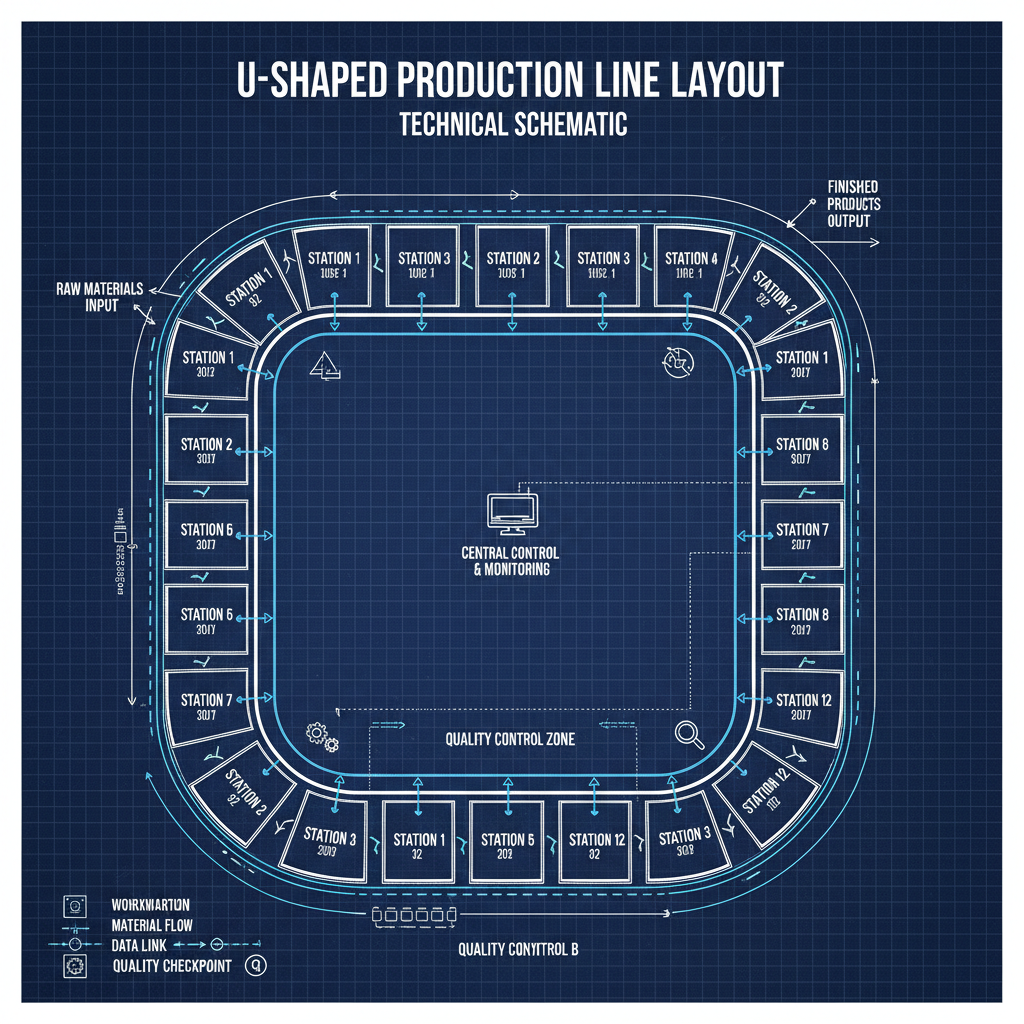
Organization: Flow Production (Line Layout)
The layout should be object-oriented, following the sequence of operations. This eliminates backtracking and minimizes material handling time.
Recommendation: Production Strategy
<b>Make to Stock (MTS)</b><br>Due to the high delivery speed expectation and standardized design, production should be decoupled from specific customer orders. Inventory acts as a buffer.
Summary of Layout Design
Product Characteristics
Standardized, High Volume, Low Variety
Production Type
Mass Production / Large Series
Production Organization
Flow Production (Flow assembly line)
Production Strategy
Make to Stock (MTS)
References & Bibliography
[1] Thomasnet. (n.d.). <i>Kitchen Blender Manufacturing Process</i>. Available at: https://www.thomasnet.com
[2] Foodal. (2020). <i>How It’s Made: The Journey of a Blender</i>. Available at: https://foodal.com/kitchen/general-kitchenware/blenders/how-its-made/
[3] Cleveland.com. (2013). <i>Vitamix expansion: How the blenders are made</i>. Available at: https://www.cleveland.com/business
[4] Porter, M. E. (1985). <i>Competitive Advantage: Creating and Sustaining Superior Performance</i>. Free Press.
[5] Slack, N., Brandon-Jones, A., & Johnston, R. (2016). <i>Operations Management</i> (8th ed.). Pearson.
- production-logistics
- industrial-engineering
- mass-production
- flow-production
- make-to-stock
- manufacturing-layout
- case-study