





Made byBobr AI

EDI in Canadian Education: Equity, Diversity, and Inclusion

Explore the fundamentals of Equity, Diversity, and Inclusion (EDI) in Canadian education, including systemic barriers, intersectionality, and educator roles.

#edi#canadian-education#equity-in-schools#diversity-and-inclusion#intersectionality#educational-inequality#ontario-education
Watch
Pitch
Week 1 Overview

Equity, Diversity, and Inclusion in Canadian Education

“Not everything that is faced can be changed. But nothing can be changed until it is faced.” — James Baldwin
Made byBobr AI

Defining Terms

Equity

Diversity

Inclusion

Made byBobr AI

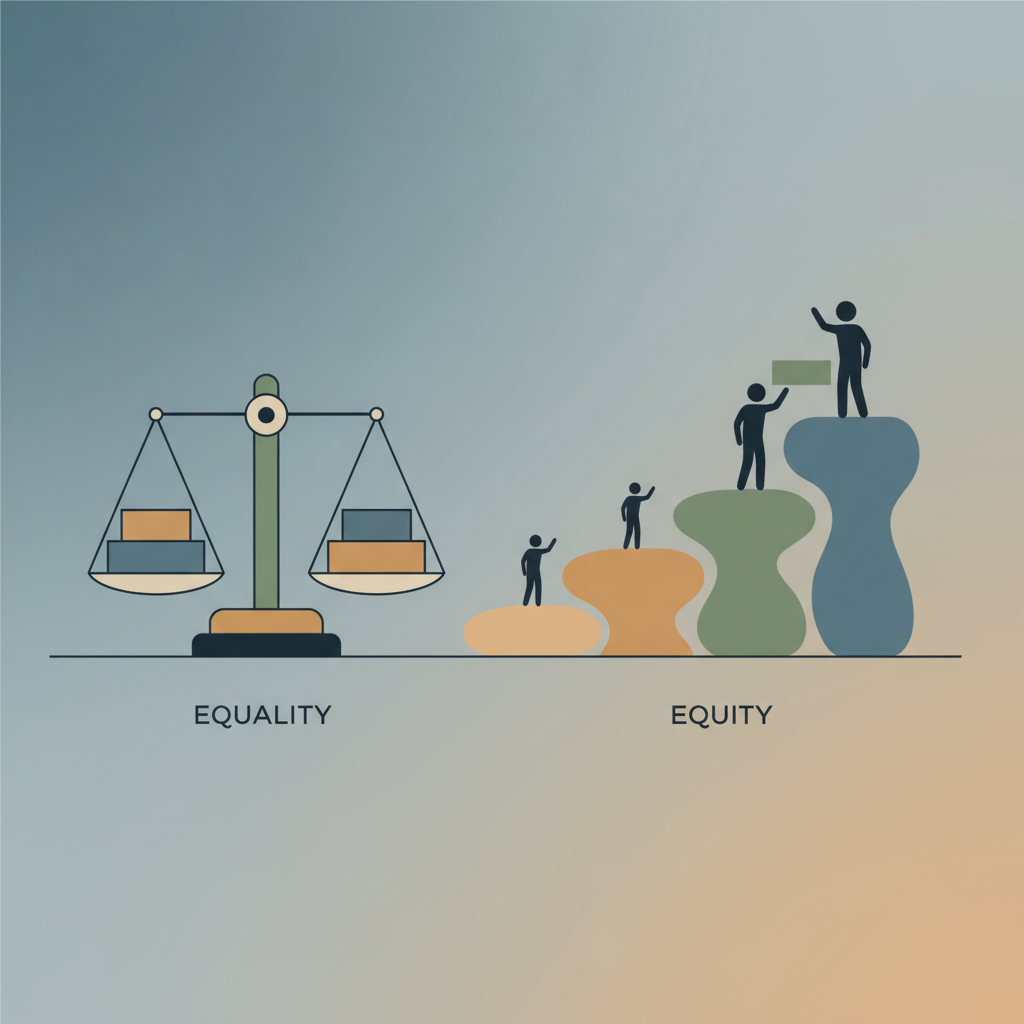
Defining Equity

  • Equity ≠ Equality
  • Addressing systemic barriers
  • Focus on fairness and outcomes
Made byBobr AI

Defining Diversity

Presence of difference

Social identities and histories
Made byBobr AI

Defining Inclusion

Beyond Access

Integration is not just physical presence.

Empowerment

Belonging, voice, and power.

Made byBobr AI

Why EDI Matters in Education

1. Education shapes life chances
2. Schools reflect power relations
Source: Livingstone, D. W. (2014). Class, race and gender differences in schooling.
Made byBobr AI

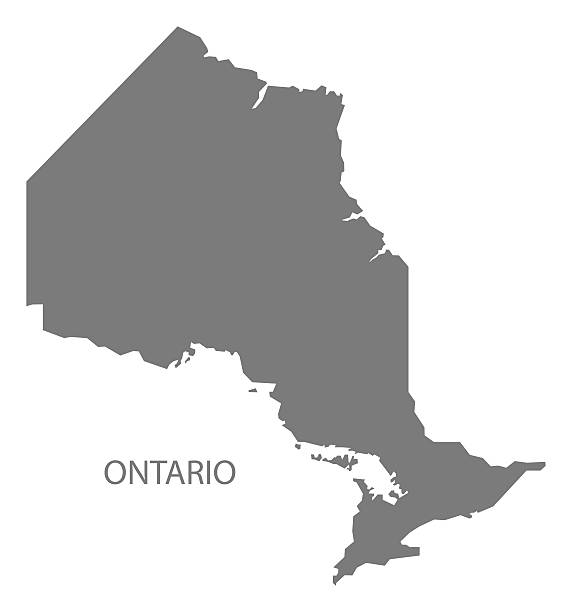
Educational Inequities in Ontario

Class-based gaps in postsecondary attainment

Streaming linked to racialization & income

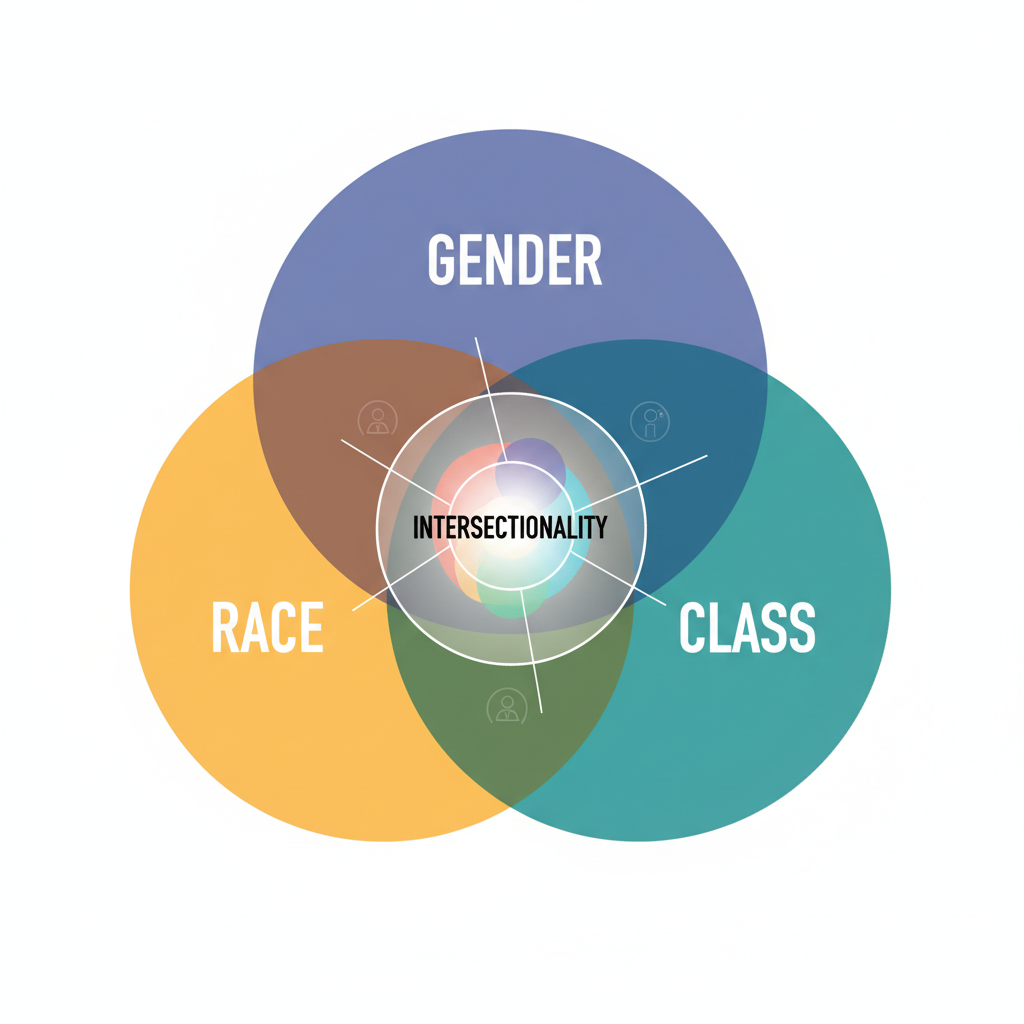
Compounded disadvantage (Race, Gender, Class)

Made byBobr AI

Systemic Inequality vs. Individual Failure

S

Structural Explanations

Understanding the built-in barriers within institutions.

X

Rejecting Deficit Thinking

Moving away from blaming students for systemic gaps.

Made byBobr AI

What Role do Educators Play?

Learning as Relational

Knowledge as Responsibility

Made byBobr AI

Educator Positionality & Intersectionality

Educators are multiply socially positioned based on their identities.
We must recognize interlocking systems of oppression.
Made byBobr AI

Ethical Relationality

“Engaging in ethical relationality means recognizing that you are in a space with people who are unlike you, and respecting those dissimilarities enough to meet halfway, and learn from each other in the space where you meet.”

— Keri-Lynn Cheechoo (2019, p. 62)

Made byBobr AI

Closing Reflection

How do your own intersecting identities (your social location) shape who you are in educational contexts?
How might it help you to, or prevent you from, recognizing inequities?
Made byBobr AI
Bobr AI

DESIGNER-MADE
PRESENTATION,
GENERATED FROM
YOUR PROMPT

Create your own professional slide deck with real images, data charts, and unique design in under a minute.

Generate For Free

EDI in Canadian Education: Equity, Diversity, and Inclusion

Explore the fundamentals of Equity, Diversity, and Inclusion (EDI) in Canadian education, including systemic barriers, intersectionality, and educator roles.

Equity, Diversity, and Inclusion in Canadian Education

Week 1 Overview

“Not everything that is faced can be changed. But nothing can be changed until it is faced.” — James Baldwin

Defining Terms

Equity

Diversity

Inclusion

Defining Equity

Equity ≠ Equality

Addressing systemic barriers

Focus on fairness and outcomes

Defining Diversity

Presence of difference

Social identities and histories

Defining Inclusion

Beyond Access

Integration is not just physical presence.

Empowerment

Belonging, voice, and power.

Why EDI Matters in Education

Education shapes life chances

Schools reflect power relations

Livingstone, D. W. (2014). Class, race and gender differences in schooling.

Educational Inequities in Ontario

Class-based gaps in postsecondary attainment

Streaming linked to racialization & income

Compounded disadvantage (Race, Gender, Class)

Systemic Inequality vs. Individual Failure

Structural Explanations

Understanding the built-in barriers within institutions.

Rejecting Deficit Thinking

Moving away from blaming students for systemic gaps.

What Role do Educators Play?

Learning as Relational

Knowledge as Responsibility

Educator Positionality & Intersectionality

Educators are multiply socially positioned based on their identities.

We must recognize interlocking systems of oppression.

Ethical Relationality

“Engaging in ethical relationality means recognizing that you are in a space with people who are unlike you, and respecting those dissimilarities enough to meet halfway, and learn from each other in the space where you meet.”

— Keri-Lynn Cheechoo (2019, p. 62)

Closing Reflection

How do your own intersecting identities (your social location) shape who you are in educational contexts?

How might it help you to, or prevent you from, recognizing inequities?

  • edi
  • canadian-education
  • equity-in-schools
  • diversity-and-inclusion
  • intersectionality
  • educational-inequality
  • ontario-education