
Marina Bay Sands Architecture & Engineering Case Study
Discover the engineering marvel of Singapore's Marina Bay Sands. Explore its design by Moshe Safdie, sustainable systems, and construction challenges.
MARINA BAY SANDS
An Architectural Icon: Engineering, Sustainability, and Ambition
WHY IT INSPIRES ME
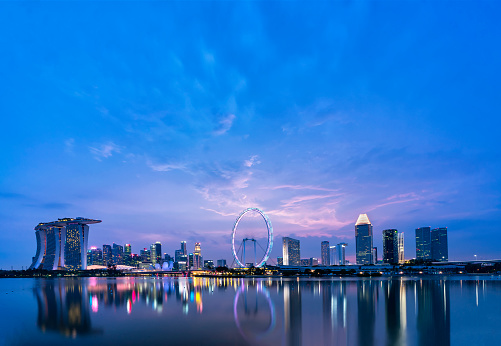
For me, Marina Bay Sands represents the intersection of impossible engineering and artistic vision. Standing beneath the cantilevered SkyPark, one feels a sense of awe not just for the luxury, but for the sheer audacity of the structure. It transforms a skyline and proves that functional buildings can be sculptural masterpieces.
BACKGROUND & CONTEXT
Opened in 2010 as part of Singapore's strategy to boost tourism and establish a global entertainment destination.
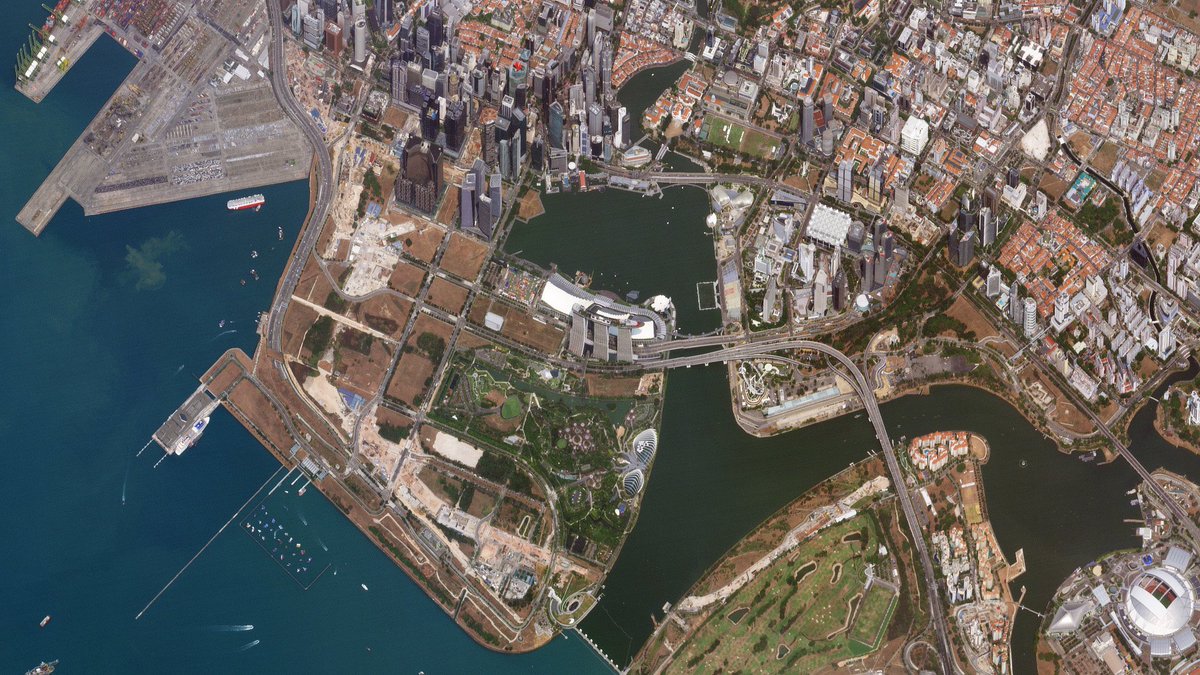
Located on prime reclaimed land, acting as the gateway to the city's central business district.
Employment Impact: Directly employs over 11,000 people, supporting a vast local economy.
LOCATION & HISTORICAL CONTEXT
Built on Reclaimed Land: The Marina South area didn't exist 40 years ago—it was reclaimed from the sea specifically for city expansion.
Strategic Waterfront: Positioned at the mouth of the Singapore River, creating a new loop around the freshwater Marina Reservoir.
A Decades-Long Vision: The site remained an empty plot for years, waiting for a landmark project ("The Integrated Resort") to anchor the new downtown.
PURPOSE & STRATEGIC VISION
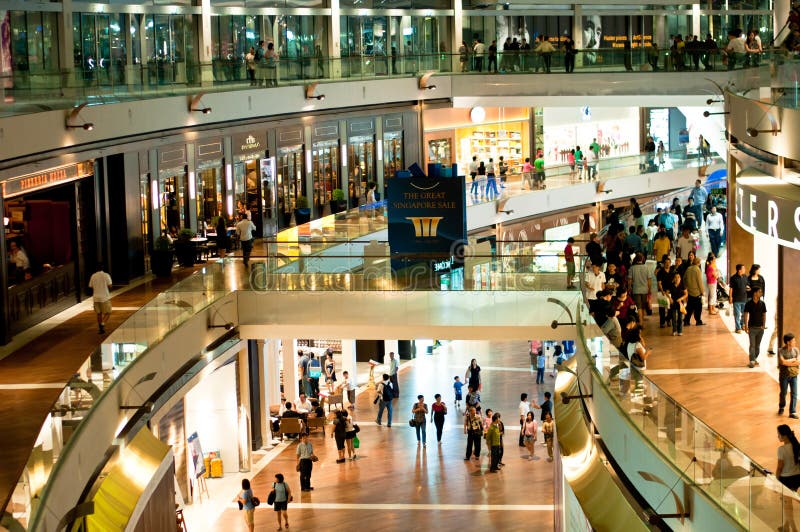
Integrated Resort Model: Merging high-end hospitality, retail, and a casino to drive tourism spending.
MICE Destination: Establishing Singapore as a top global hub for business, conventions, and exhibitions.
Iconic Branding: Creating a distinct skyline landmark to symbolize Singapore’s modern ambition.
WHO PAID FOR IT?
Developer & Owner: Las Vegas Sands Corp. A blend of public land concession (Singapore Gov) and massive private foreign investment.
DESIGN VISION
Architect: Moshe Safdie
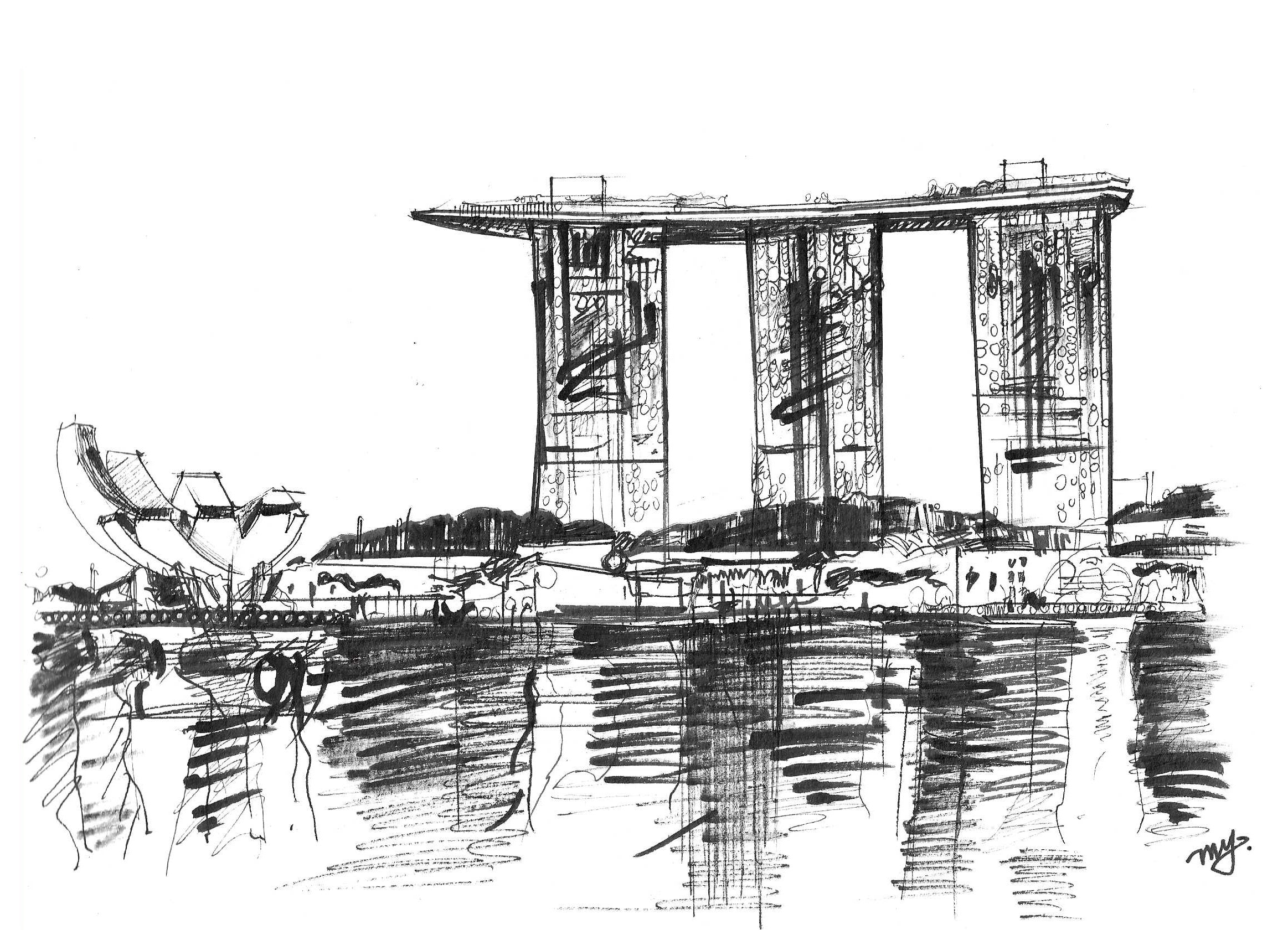
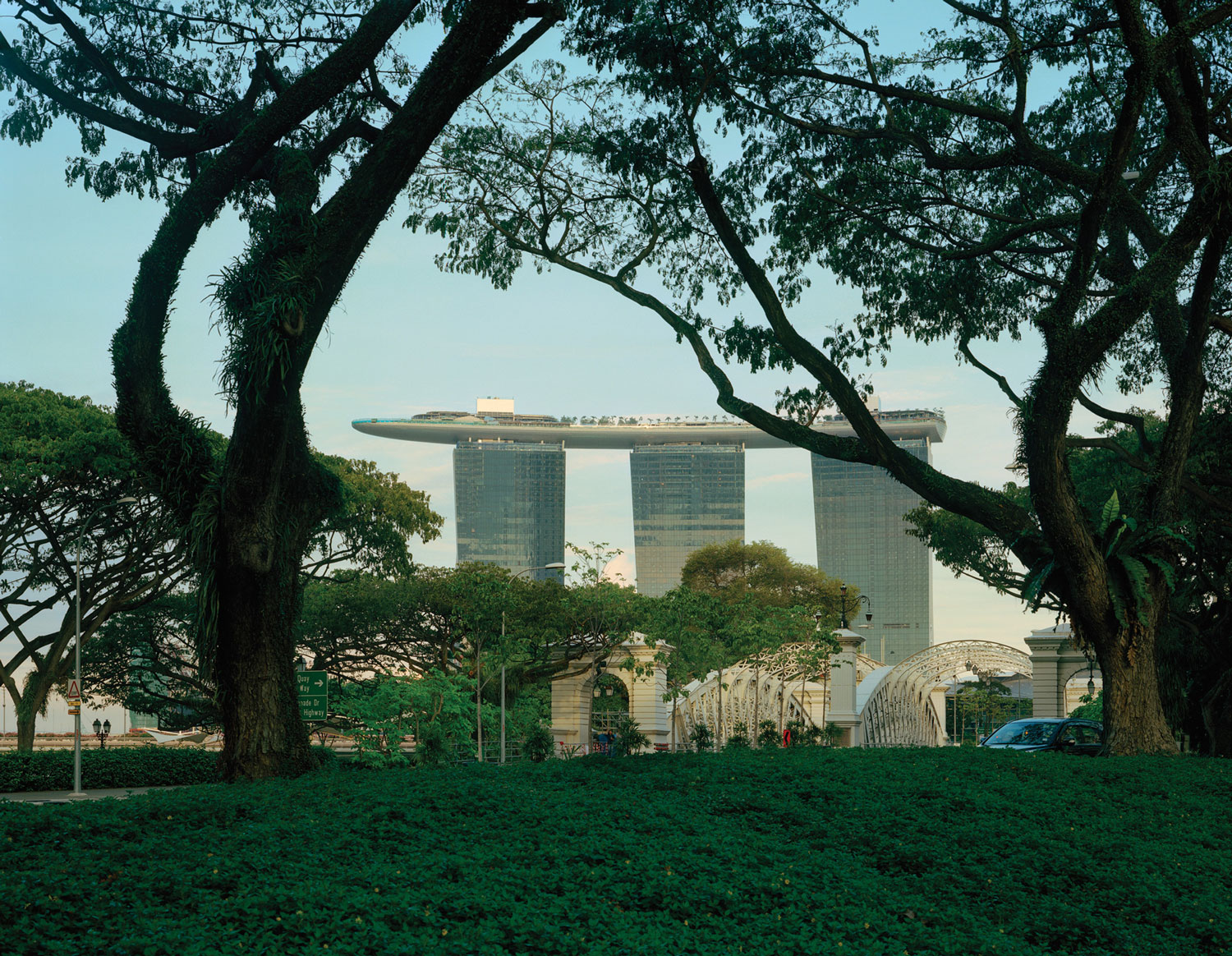
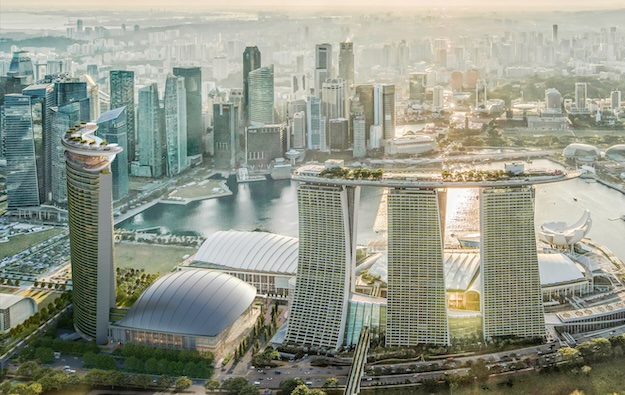
Safdie avoided creating a wall that would block views of the sea. Instead, he designed three separate towers inspired by decks of playing cards. The towers are curved and slanted, capped by the unifying SkyPark.
CONSTRUCTION CHALLENGES
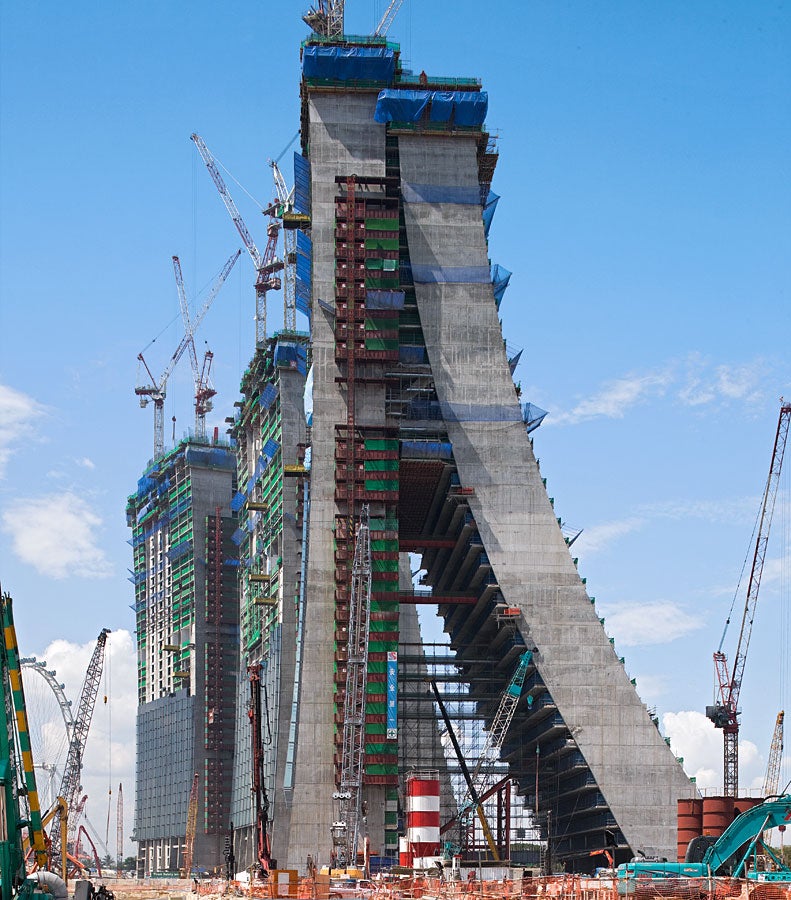
The Leaning Towers: Some legs of the hotel towers slope at angles up to 26 degrees. Temporary steel struts were required to support them until they met at the 23rd floor.
SkyPark Assembly: The 9,900-ton SkyPark was constructed on the ground and lifted 200 meters into the air in 14 individual segments using heavy-duty strand jacks.
SUSTAINABILITY: WATER & ECOLOGY
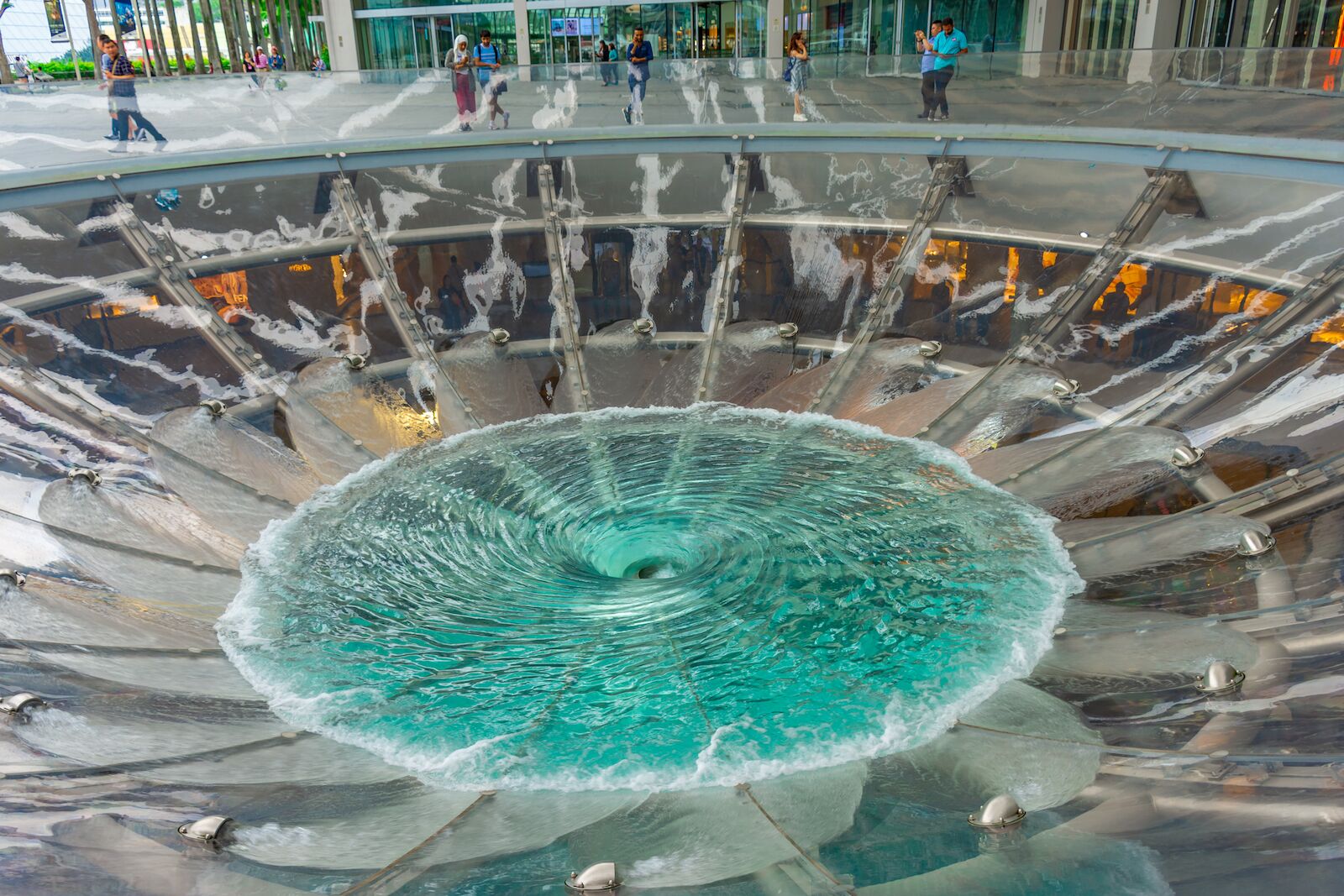
Rain Oculus
Located at the ArtScience Museum, this 22m acrylic bowl collects rainwater creating a waterfall that recycles water for restroom flushing.
SkyPark Ecology
A 1.2-hectare tropical oasis 200m in the air. The 250 trees and 650 plants help reduce the urban heat island effect, providing natural cooling for the roof.
ENERGY EFFICIENCY SYSTEMS
• District Cooling: The entire complex is connected to the Marina Bay District Cooling network, significantly reducing energy consumption compared to standalone chillers. • Intelligent Building Management: Over 100,000 data points monitor lighting, heating, and water in real-time.
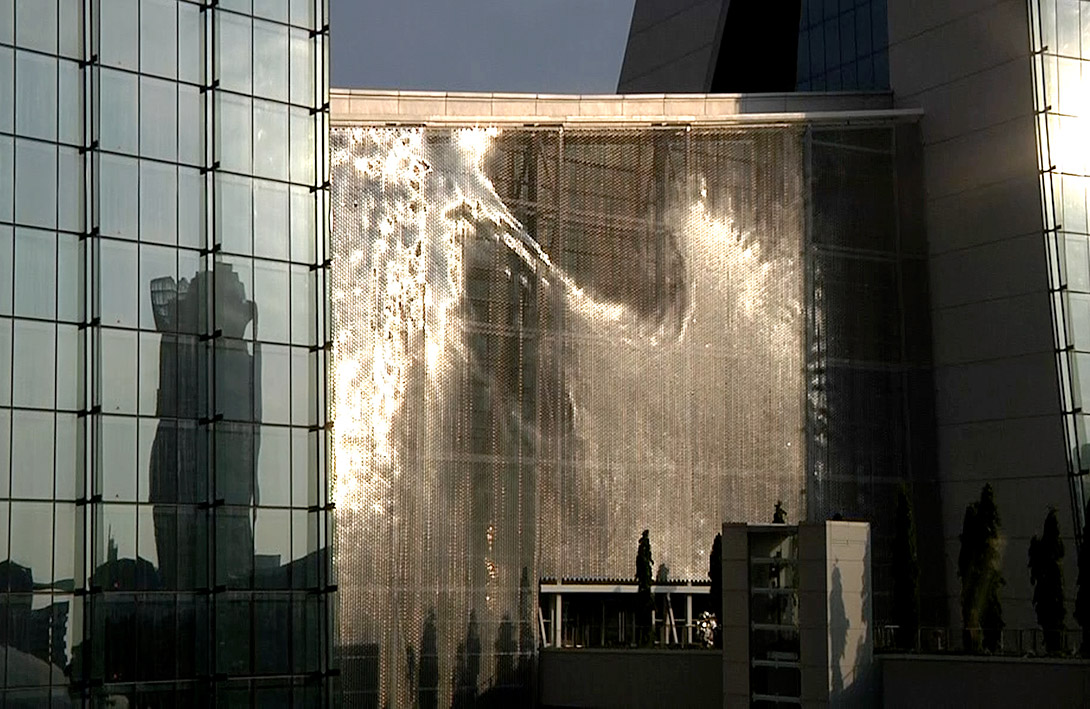
The 'Wind Arbor' by Ned Kahn covers the exhaust vents, using wind motion to create art while shading the building, reducing heat gain without using electricity.
URBAN REGENERATION
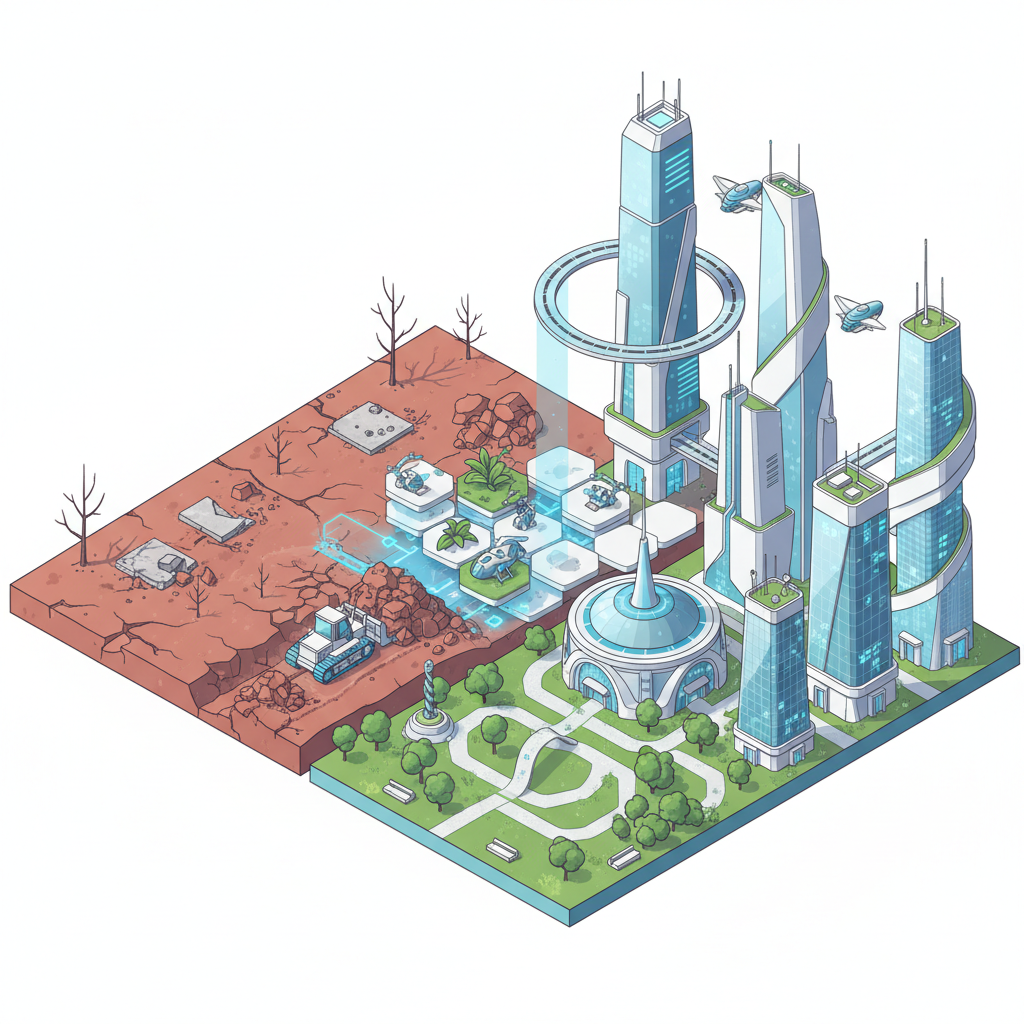
Marina Bay Sands was the catalyst for the entire Bayfront transformation. It transformed an empty plot of reclaimed land into a vibrant public realm, connecting the Gardens by the Bay to the CBD loop.
THE FUTURE: IR2 EXPANSION
Target Opening: 2029-2031
New 4th tower with 570 luxury suites
15,000-seat entertainment arena
"A VISION MADE REAL"
Marina Bay Sands is more than a hotel; it is a testament to human ingenuity. It proves that with enough ambition and engineering prowess, we can reshape our world in sustainable, breathtaking ways.
- marina-bay-sands
- architecture
- civil-engineering
- sustainable-design
- singapore
- urban-regeneration
- construction
- case-study