

Made byBobr AI

Pride and Prejudice Analysis: Themes, Characters & Plot

Explore a deep dive into Jane Austen's Pride and Prejudice. Analysis includes Regency era social structures, character profiles, and a modern thematic playlist.

#jane-austen#pride-and-prejudice#literary-analysis#elizabeth-bennet#mr-darcy#english-literature#regency-era#book-summary
Watch
Pitch

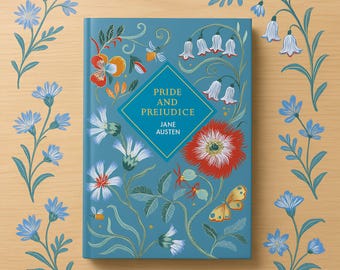
Pride and Prejudice

An analysis of Jane Austen's masterpiece

By Jane Austen (1813)

Made byBobr AI

Introduction & Setting

Set in early 19th-century England, the novel explores the social manners, marriage expectations, and class structures of the British Regency era. It centers on the Bennet family, who live in the countryside of Longbourn.

  • The 'Marriage Market': Marriage was the only viable career for women to secure financial stability.
  • Entailment: The Bennet estate is entailed away from the female line, creating urgency for the five daughters to marry.
Made byBobr AI

The Characters: The Bennets

Elizabeth Bennet

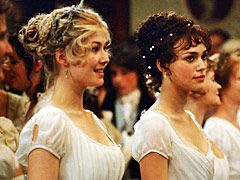
Elizabeth 'Lizzy' Bennet: The protagonist. Intelligent, witty, and spirited, but prone to judging others too quickly (Prejudice).

Jane Bennet

Jane Bennet: The eldest beauty. Kind, gentle, and sees the good in everyone.

The Parents

Mr. Bennet (Detached, sarcastic) & Mrs. Bennet (Obsessed with marrying off her daughters, lacks decorum).

Made byBobr AI

The Suitors

Mr. Darcy

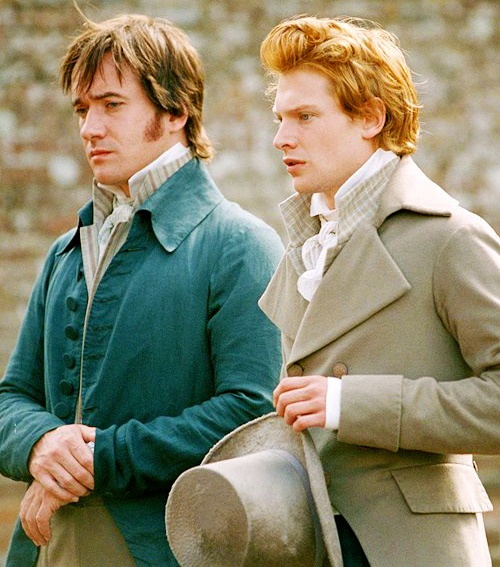
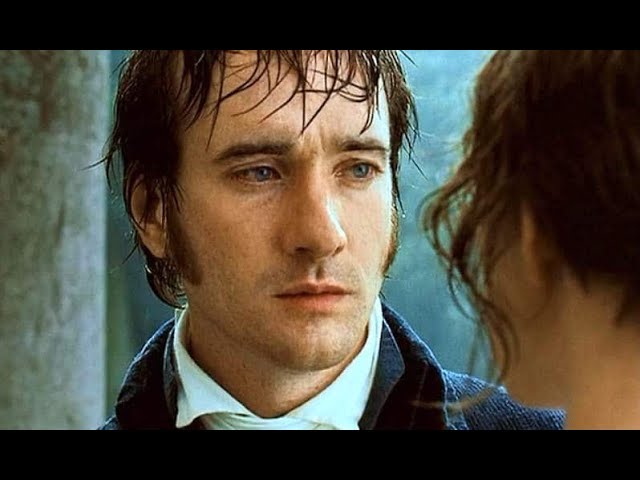
Mr. Fitzwilliam Darcy: Extremely wealthy, high status, intelligent, but socially awkward and seemingly arrogant (Pride).

Mr. Bingley

Mr. Charles Bingley: Wealthy but untitled. Friendly, amiable, and easily influenced by others.

Mr. Wickham

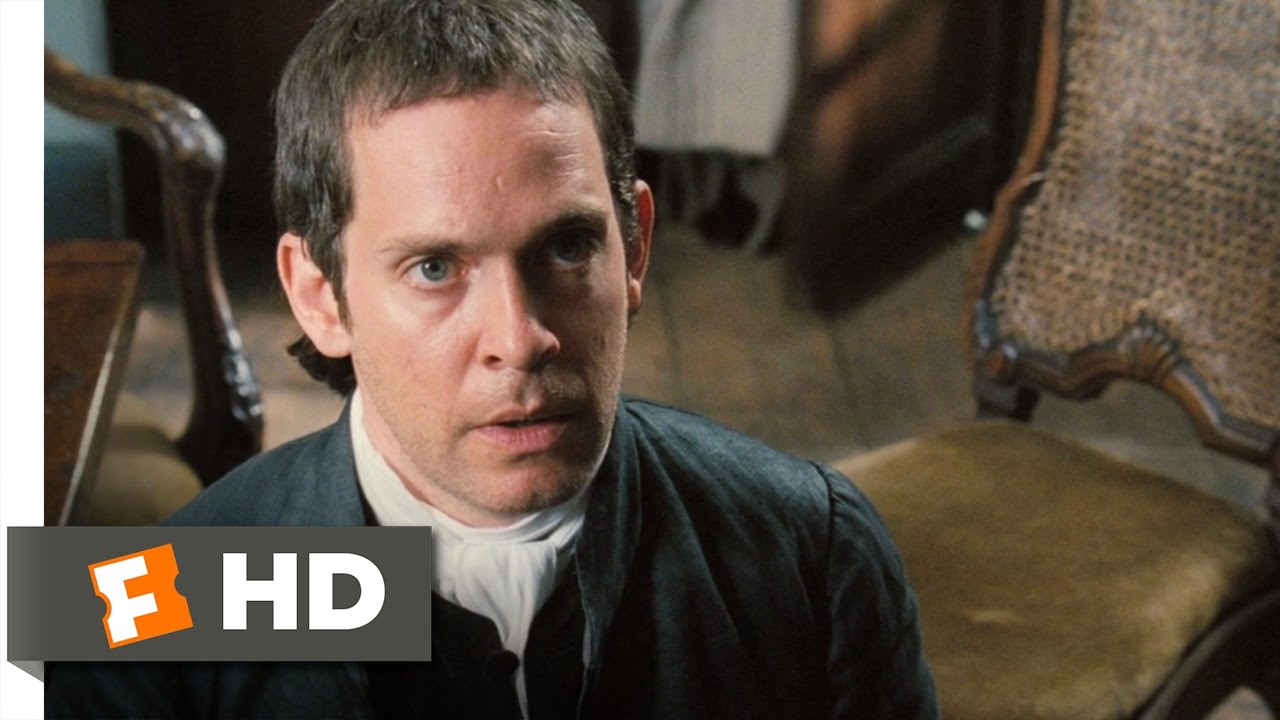
Mr. George Wickham: A militia officer. Charming and handsome on the surface, but deceitful and manipulative.

Made byBobr AI

Plot Summary: First Impressions

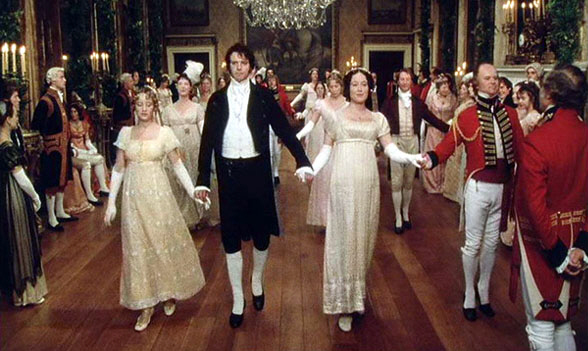
The story begins when the wealthy Mr. Bingley rents Netherfield Park, sparking excitement in the Bennet household. At a local ball, Bingley falls for Jane, but his friend Mr. Darcy offends Elizabeth by refusing to dance with her, calling her merely 'tolerable.' Elizabeth forms a strong prejudice against Darcy's apparent pride, which is deepened when the charming militia officer Mr. Wickham lies to her about Darcy treating him unfairly.

Made byBobr AI

Plot Summary: Misunderstandings

Mr. Collins, the ridiculous heir to the Bennet estate, proposes to Elizabeth, but she firmly rejects him, leading him to marry her friend Charlotte instead. Meanwhile, Bingley abruptly leaves for London, and Darcy convinces him that Jane is indifferent, breaking Jane's heart. Elizabeth visits Charlotte and meets the intimidating Lady Catherine de Bourgh, who is Darcy's aunt.

Made byBobr AI

Plot Summary: The Turning Point

Darcy unexpectedly proposes to Elizabeth, but does so insultingly by listing her family's inferiority; she rejects him angrily, accusing him of ruining Jane's happiness and mistreating Wickham. Darcy later writes her a letter revealing the truth: Wickham is a gambler who tried to elope with Darcy's 15-year-old sister, and he only separated Jane and Bingley because he thought Jane wasn't interested. This letter shatters Elizabeth's prejudice, forcing her to see her own errors in judgment.

Made byBobr AI

Plot Summary: Resolution

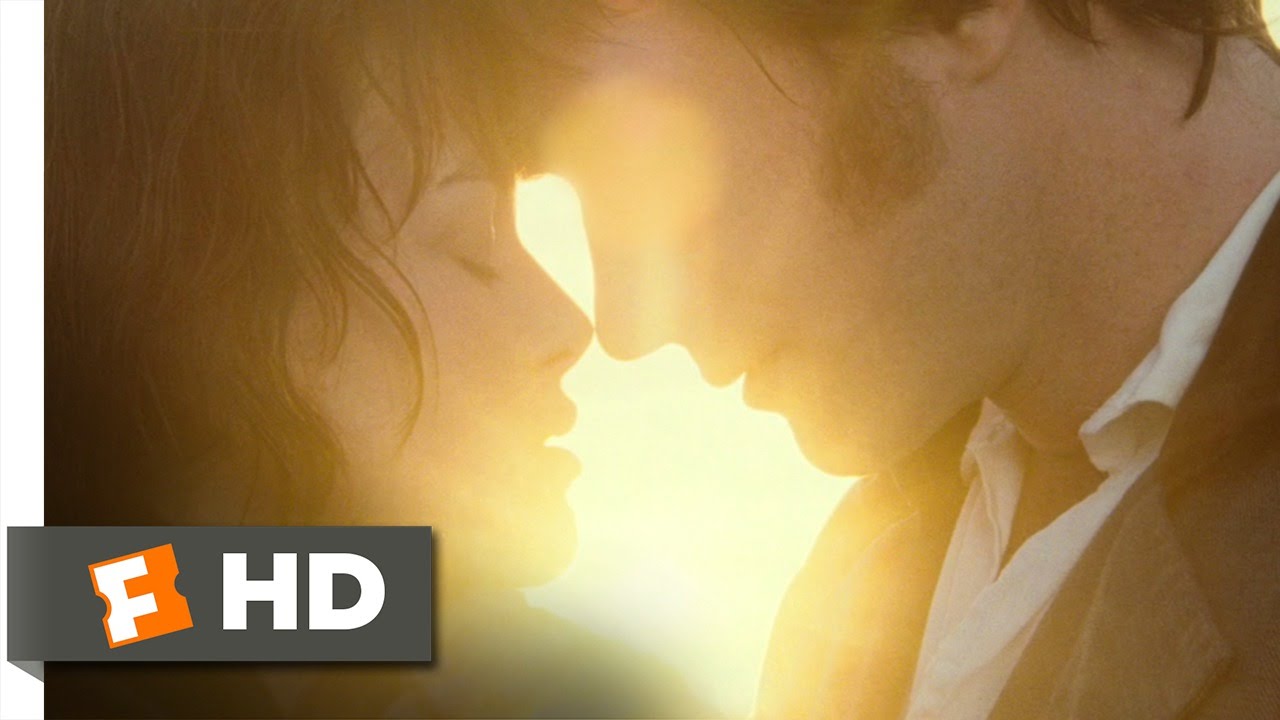
While touring Darcy's estate, Pemberley, Elizabeth encounters a transformed, polite Darcy, but crisis strikes when her youngest sister Lydia elopes with Wickham, threatening the family's reputation. Unknown to the Bennets, Darcy tracks them down and pays for their wedding to save the family honor. Upon discovering this, Elizabeth realizes she loves him; Bingley returns to marry Jane, and Darcy proposes to Elizabeth again—this time, she happily accepts.

Made byBobr AI

Central Concept & Question

The title says it all: Pride vs. Prejudice.

Pride (Darcy): The belief that one's social status makes one superior to others.

Prejudice (Elizabeth): Forming judgments based on first impressions without full understanding.

Central Question: Can genuine love exist across class divisions when both parties are blinded by their own flaws?

Made byBobr AI

How is the question answered?

The novel answers 'Yes'—but requires personal growth.

  • Darcy overcomes his class pride by ignoring Lady Catherine's demands and accepting Elizabeth's 'inferior' relations (saving Lydia).
  • Elizabeth admits her prejudice was vanity, realizing Darcy was 'the man who, in disposition and talents, would most suit her.'
  • True nobility is shown to be about character, not birth.
Made byBobr AI

Character Playlist

A selection of modern songs that convey the novel's tone of longing, social anxiety, and eventual devotion.

Made byBobr AI

1. Young and Beautiful - Lana Del Rey

Captures the anxiety of the Bennet sisters. Beauty is their only currency in the marriage market; without it, their future is bleak.

2. Ivy - Frank Ocean

Reflects the complex, hidden feelings between Darcy and Elizabeth. 'I thought that I was dreaming when you said you loved me' fits Darcy's shock at his second proposal being accepted.

3. The Night We Met - Lord Huron

Represents the haunting regret Darcy feels after the first failed proposal and the misunderstood moments at the Netherfield Ball.

4. Video Games - Lana Del Rey

The line 'It's you, it's you, it's all for you' perfectly conveys Darcy's secret efforts to save Lydia, solely for Elizabeth's sake.

5. Love Ridden - Fiona Apple

Captures the pain Jane feels when Bingley leaves without explanation, and she must hide her heartbreak behind a gentle smile.

Made byBobr AI
Bobr AI

DESIGNER-MADE
PRESENTATION,
GENERATED FROM
YOUR PROMPT

Create your own professional slide deck with real images, data charts, and unique design in under a minute.

Generate For Free

Pride and Prejudice Analysis: Themes, Characters & Plot

Explore a deep dive into Jane Austen's Pride and Prejudice. Analysis includes Regency era social structures, character profiles, and a modern thematic playlist.

Pride and Prejudice

An analysis of Jane Austen's masterpiece

By Jane Austen (1813)

Set in early 19th-century England, the novel explores the social manners, marriage expectations, and class structures of the British Regency era. It centers on the Bennet family, who live in the countryside of Longbourn.

The 'Marriage Market': Marriage was the only viable career for women to secure financial stability.

Entailment: The Bennet estate is entailed away from the female line, creating urgency for the five daughters to marry.

The Characters: The Bennets

Elizabeth 'Lizzy' Bennet: The protagonist. Intelligent, witty, and spirited, but prone to judging others too quickly (Prejudice).

Jane Bennet: The eldest beauty. Kind, gentle, and sees the good in everyone.

Mr. Bennet (Detached, sarcastic) & Mrs. Bennet (Obsessed with marrying off her daughters, lacks decorum).

The Suitors

Mr. Fitzwilliam Darcy: Extremely wealthy, high status, intelligent, but socially awkward and seemingly arrogant (Pride).

Mr. Charles Bingley: Wealthy but untitled. Friendly, amiable, and easily influenced by others.

Mr. George Wickham: A militia officer. Charming and handsome on the surface, but deceitful and manipulative.

Plot Summary: First Impressions

The story begins when the wealthy Mr. Bingley rents Netherfield Park, sparking excitement in the Bennet household. At a local ball, Bingley falls for Jane, but his friend Mr. Darcy offends Elizabeth by refusing to dance with her, calling her merely 'tolerable.' Elizabeth forms a strong prejudice against Darcy's apparent pride, which is deepened when the charming militia officer Mr. Wickham lies to her about Darcy treating him unfairly.

Plot Summary: Misunderstandings

Mr. Collins, the ridiculous heir to the Bennet estate, proposes to Elizabeth, but she firmly rejects him, leading him to marry her friend Charlotte instead. Meanwhile, Bingley abruptly leaves for London, and Darcy convinces him that Jane is indifferent, breaking Jane's heart. Elizabeth visits Charlotte and meets the intimidating Lady Catherine de Bourgh, who is Darcy's aunt.

Plot Summary: The Turning Point

Darcy unexpectedly proposes to Elizabeth, but does so insultingly by listing her family's inferiority; she rejects him angrily, accusing him of ruining Jane's happiness and mistreating Wickham. Darcy later writes her a letter revealing the truth: Wickham is a gambler who tried to elope with Darcy's 15-year-old sister, and he only separated Jane and Bingley because he thought Jane wasn't interested. This letter shatters Elizabeth's prejudice, forcing her to see her own errors in judgment.

Plot Summary: Resolution

While touring Darcy's estate, Pemberley, Elizabeth encounters a transformed, polite Darcy, but crisis strikes when her youngest sister Lydia elopes with Wickham, threatening the family's reputation. Unknown to the Bennets, Darcy tracks them down and pays for their wedding to save the family honor. Upon discovering this, Elizabeth realizes she loves him; Bingley returns to marry Jane, and Darcy proposes to Elizabeth again—this time, she happily accepts.

Central Concept & Question

The title says it all: Pride vs. Prejudice.

Pride (Darcy): The belief that one's social status makes one superior to others.

Prejudice (Elizabeth): Forming judgments based on first impressions without full understanding.

Central Question: Can genuine love exist across class divisions when both parties are blinded by their own flaws?

How is the question answered?

The novel answers 'Yes'—but requires personal growth.

Darcy overcomes his class pride by ignoring Lady Catherine's demands and accepting Elizabeth's 'inferior' relations (saving Lydia).

Elizabeth admits her prejudice was vanity, realizing Darcy was 'the man who, in disposition and talents, would most suit her.'

True nobility is shown to be about character, not birth.

Character Playlist

A selection of modern songs that convey the novel's tone of longing, social anxiety, and eventual devotion.

1. Young and Beautiful - Lana Del Rey

Captures the anxiety of the Bennet sisters. Beauty is their only currency in the marriage market; without it, their future is bleak.

2. Ivy - Frank Ocean

Reflects the complex, hidden feelings between Darcy and Elizabeth. 'I thought that I was dreaming when you said you loved me' fits Darcy's shock at his second proposal being accepted.

3. The Night We Met - Lord Huron

Represents the haunting regret Darcy feels after the first failed proposal and the misunderstood moments at the Netherfield Ball.

4. Video Games - Lana Del Rey

The line 'It's you, it's you, it's all for you' perfectly conveys Darcy's secret efforts to save Lydia, solely for Elizabeth's sake.

5. Love Ridden - Fiona Apple

Captures the pain Jane feels when Bingley leaves without explanation, and she must hide her heartbreak behind a gentle smile.

  • jane-austen
  • pride-and-prejudice
  • literary-analysis
  • elizabeth-bennet
  • mr-darcy
  • english-literature
  • regency-era
  • book-summary