




Made byBobr AI

Effective Pre-Task Planning for Construction Safety

Learn how pre-task planning, JHA, and daily briefings improve safety culture and reduce OSHA excavation fatalities in construction.

#construction-safety#pre-task-planning#jha#osha-compliance#risk-mitigation#excavation-safety#safety-culture
Watch
Pitch

Pre-Task Planning Strategy

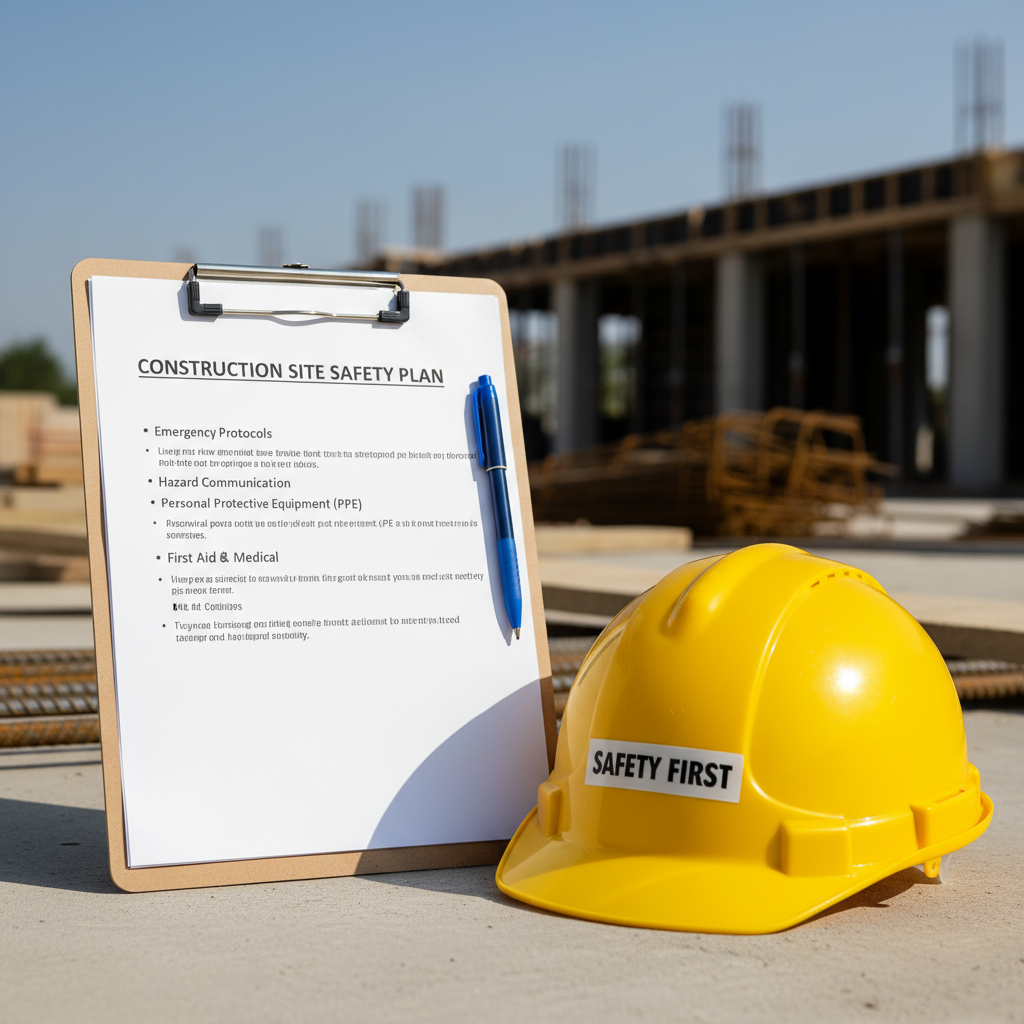
Moving from Compliance to Culture in Construction Safety

Made byBobr AI

Why Focus on Pre-Task Planning?

01 Risk Mitigation: Shifting from reactive incident response to proactive hazard elimination.

02 Operational Efficiency: Unplanned work stops frequently. Safe work is continuous work.

03 Compliance: Meeting OSHA 'Zero Tolerance' standards for high-risk activities like trenching.

Made byBobr AI

The Impact of Planning & Enforcement

OSHA Excavation & Trenching Fatalities (2022-2024)

Chart

Fatalities dropped nearly 70% following intensified enforcement and outreach, proving that strict adherence to planning protocols works.

Made byBobr AI

Hierarchy of Pre-Task Planning

JHA / JSA

Job Hazard Analysis. Written document analyzing steps, hazards, and controls for specific scopes of work.

Daily PTP / Morning Brief

crew-level alignment on the day's specific location, weather conditions, and adjacent work activities.

Take-5 / Last Minute Risk Assessment

Personal or small-team pause before starting a task to check for changing conditions not in the JHA.

Made byBobr AI

Roles & Responsibilities

MANAGEMENT / PM

Defines the scope, resources the controls (e.g., renting trench boxes), and sets the cultural expectation.

SUPERINTENDENT

Verifies JHAs are relevant, not generic. Ensures conflicting crews (simultaneous ops) effectively coordinate.

FOREMAN / CREW

Identifies real-time hazards. Has 'Stop Work Authority' if conditions change from the plan.

Made byBobr AI

The Silent Killer: 'Pencil Whipping'

A perfectly filled-out form that stays in the truck offers zero protection.

  • Copy-pasting risks from previous days without checking current site conditions.
  • Treating PTP as an administrative tax rather than a survival tool.
  • Management Solution: Audit the process, not just the paper. Ask workers, 'What is your worst-case scenario today?'
Made byBobr AI
CASE STUDY: EXCAVATION

The Task at Hand

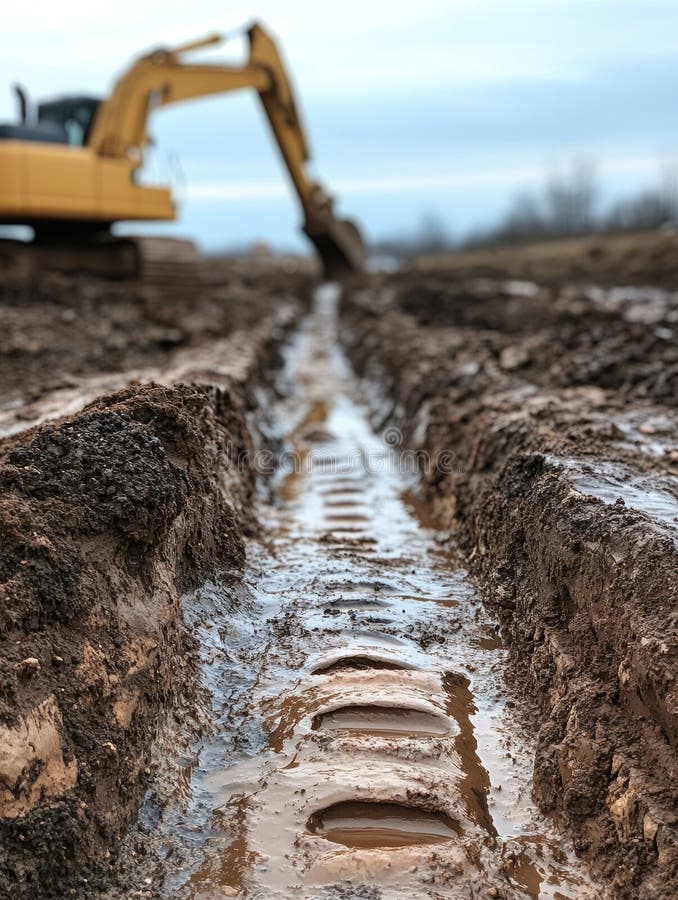
A team needs to install a utility line in a trench 8-feet deep, 3-feet wide, in sandy clay soil. A thunderstorm occurred the night before. Excavator is on site.

Identified Hazards

  • Depth > 5 ft requires protective systems (OSHA 1926.652).
  • Rain destabilizes soil (increased collapse risk).
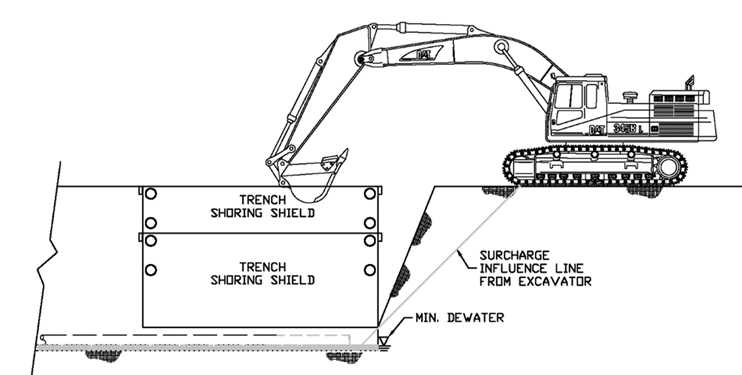
  • Heavy equipment (Excavator) placed too close to the edge adds surcharge load.
Made byBobr AI
CASE STUDY: THE PLAN

Controls & Verification

1
Engineering Control: Use a Trench Box (Shielding). Soil classified as Type B due to rain.
2
Access/Egress: Ladder placed within 25ft of workers, extending 3ft above surface.
3
Surface Management: Spoil piles moved 2ft back. Excavator positioned to prevent vibration collapse.
Made byBobr AI

Measuring What Matters

Moving from Lagging to Leading Indicators

Lagging (Reacting)

• TRIR / EMR Rates • Accident Counts • OSHA Citations

Leading (Proactive)

• % of JHAs audited by Super • Near Miss reporting frequency • Corrective actions closed < 24hrs
Made byBobr AI

The Management Commitment

Pre-Task Planning is not paperwork. It is the final engineering control before work begins. Support your teams by giving them the time to plan, the resources to execute, and the authority to stop.

Safety By Choice
Made byBobr AI
Bobr AI

DESIGNER-MADE
PRESENTATION,
GENERATED FROM
YOUR PROMPT

Create your own professional slide deck with real images, data charts, and unique design in under a minute.

Generate For Free

Effective Pre-Task Planning for Construction Safety

Learn how pre-task planning, JHA, and daily briefings improve safety culture and reduce OSHA excavation fatalities in construction.

Pre-Task Planning Strategy

Moving from Compliance to Culture in Construction Safety

Why Focus on Pre-Task Planning?

Risk Mitigation: Shifting from reactive incident response to proactive hazard elimination.

Operational Efficiency: Unplanned work stops frequently. Safe work is continuous work.

Compliance: Meeting OSHA 'Zero Tolerance' standards for high-risk activities like trenching.

The Impact of Planning & Enforcement

OSHA Excavation & Trenching Fatalities (2022-2024)

Fatalities dropped nearly 70% following intensified enforcement and outreach, proving that strict adherence to planning protocols works.

Hierarchy of Pre-Task Planning

JHA / JSA

Job Hazard Analysis. Written document analyzing steps, hazards, and controls for specific scopes of work.

Daily PTP / Morning Brief

crew-level alignment on the day's specific location, weather conditions, and adjacent work activities.

Take-5 / Last Minute Risk Assessment

Personal or small-team pause before starting a task to check for changing conditions not in the JHA.

Roles & Responsibilities

MANAGEMENT / PM

Defines the scope, resources the controls (e.g., renting trench boxes), and sets the cultural expectation.

SUPERINTENDENT

Verifies JHAs are relevant, not generic. Ensures conflicting crews (simultaneous ops) effectively coordinate.

FOREMAN / CREW

Identifies real-time hazards. Has 'Stop Work Authority' if conditions change from the plan.

The Silent Killer: 'Pencil Whipping'

A perfectly filled-out form that stays in the truck offers zero protection.

Copy-pasting risks from previous days without checking current site conditions.

Treating PTP as an administrative tax rather than a survival tool.

Management Solution: Audit the process, not just the paper. Ask workers, 'What is your worst-case scenario today?'

CASE STUDY: EXCAVATION

The Task at Hand

A team needs to install a utility line in a trench 8-feet deep, 3-feet wide, in sandy clay soil. A thunderstorm occurred the night before. Excavator is on site.

Depth > 5 ft requires protective systems (OSHA 1926.652).

Rain destabilizes soil (increased collapse risk).

Heavy equipment (Excavator) placed too close to the edge adds surcharge load.

CASE STUDY: THE PLAN

Controls & Verification

Engineering Control: Use a Trench Box (Shielding). Soil classified as Type B due to rain.

Access/Egress: Ladder placed within 25ft of workers, extending 3ft above surface.

Surface Management: Spoil piles moved 2ft back. Excavator positioned to prevent vibration collapse.

Measuring What Matters

Moving from Lagging to Leading Indicators

Lagging (Reacting)

• TRIR / EMR Rates • Accident Counts • OSHA Citations

Leading (Proactive)

• % of JHAs audited by Super • Near Miss reporting frequency • Corrective actions closed < 24hrs

The Management Commitment

Pre-Task Planning is not paperwork. It is the final engineering control before work begins. Support your teams by giving them the time to plan, the resources to execute, and the authority to stop.

  • construction-safety
  • pre-task-planning
  • jha
  • osha-compliance
  • risk-mitigation
  • excavation-safety
  • safety-culture