

Made byBobr AI

History and Mechanics of Greyhound Racing | Dog Racing Explained

Learn about the history, speed, and global decline of greyhound racing, including industry welfare controversies and the transition to pet adoption.

#greyhound-racing#animal-welfare#greyhound-adoption#sports-history#pari-mutuel-betting#animal-rights
Watch
Pitch

THE CHASE: DOG RACING EXPLAINED

History, Mechanics, and Modern Controversy

Made byBobr AI

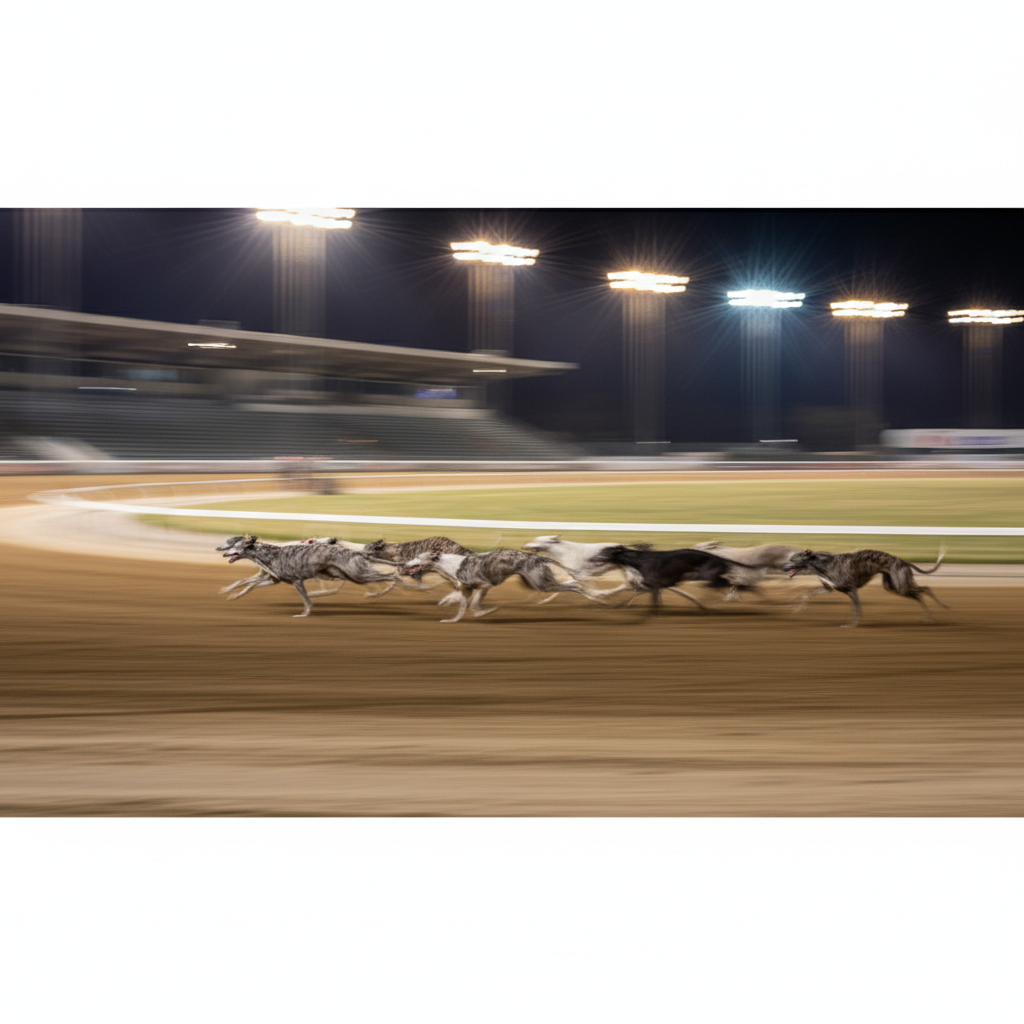
WHAT IS THE SPORT?

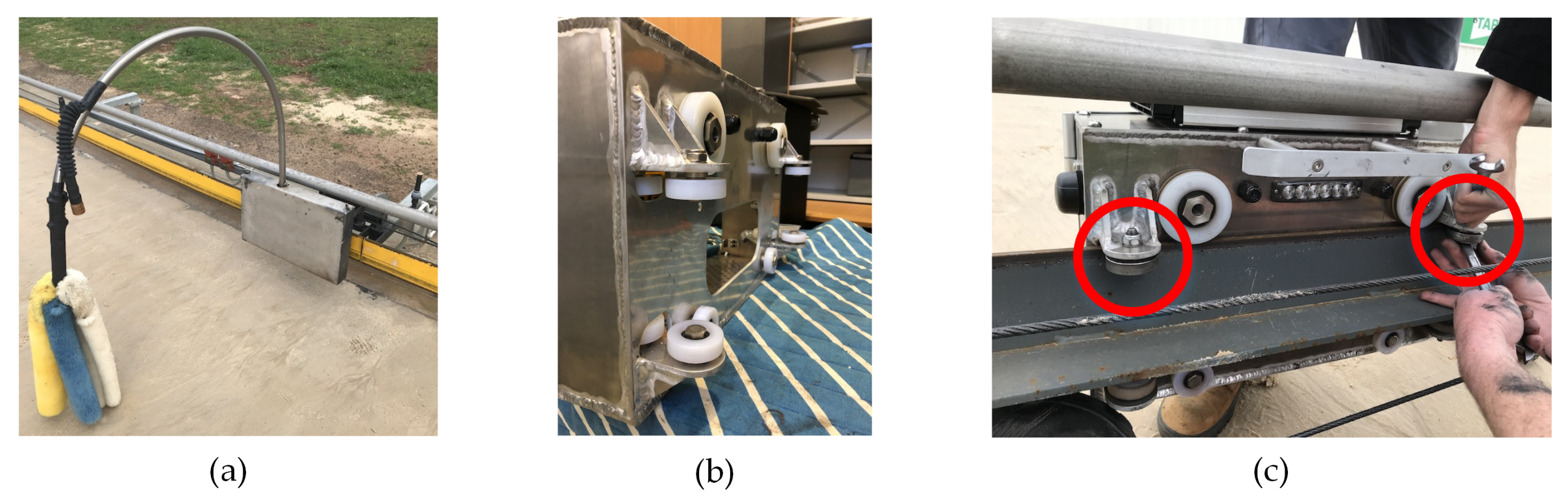
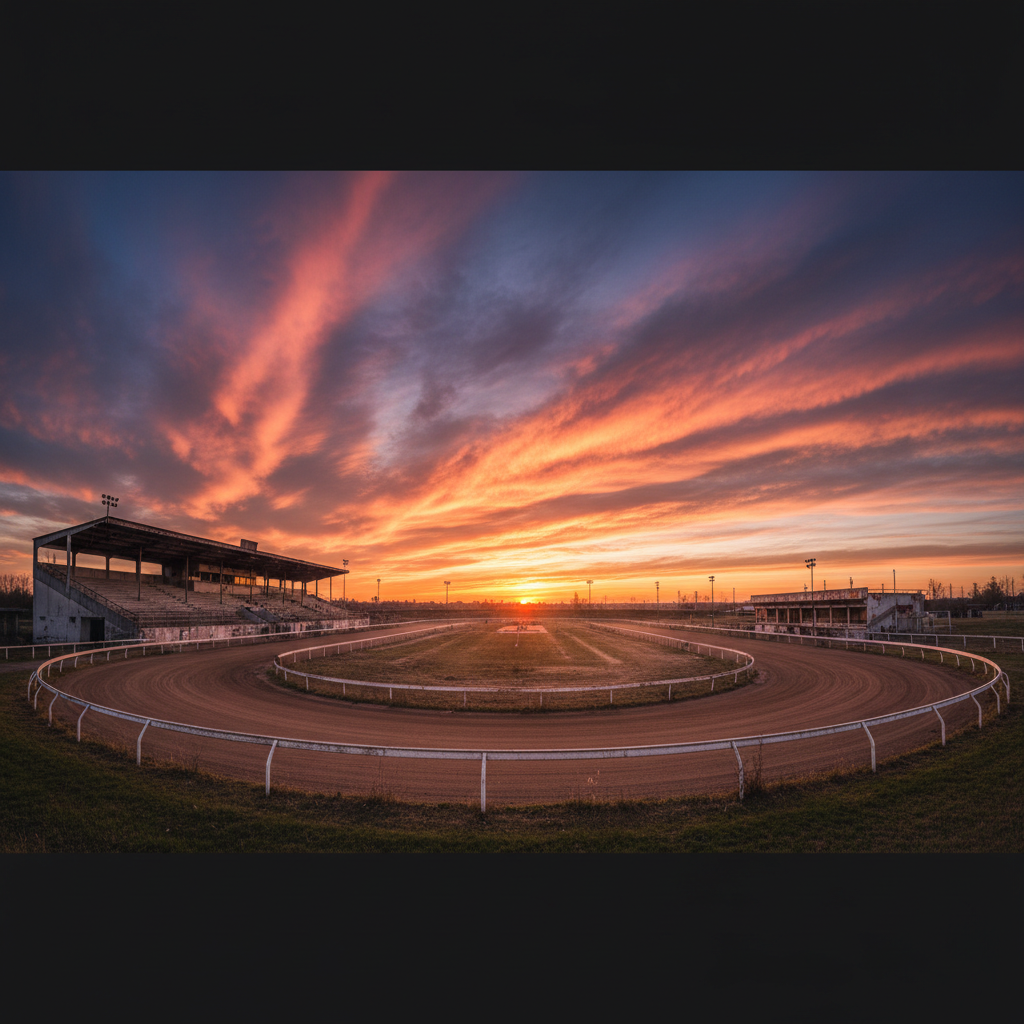
Greyhound racing is a competitive sport where greyhounds race around an enclosed oval track. The dogs chase a mechanical lure (traditionally an artificial hare) that travels ahead of them on a rail. Races are speed-based sprints, typically ending in less than 30 seconds, relying on the breed's predatory instinct to chase.

Made byBobr AI

ORIGINS & HISTORY

16th-19th Century: Roots in 'Coursing', a hunting sport using live hares favored by British nobility.

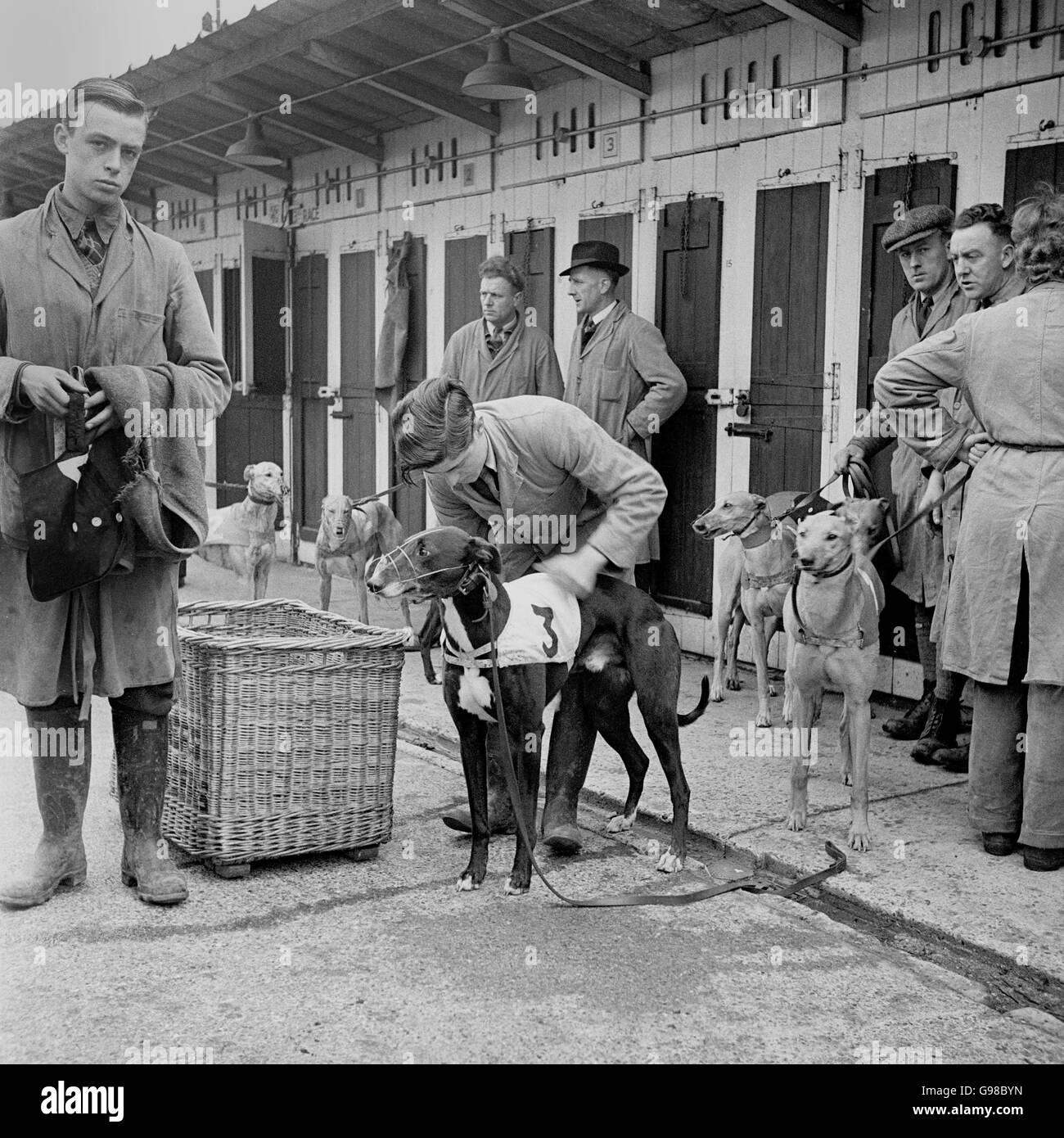
1919 (USA): Owen Patrick Smith opens the first professional oval track with a mechanical lure in Emeryville, CA, to replace live killing.

1926 (UK): The sport explodes in Britain at Belle Vue, Manchester, attracting working-class crowds.

Made byBobr AI

THE ATHLETE: GREYHOUND

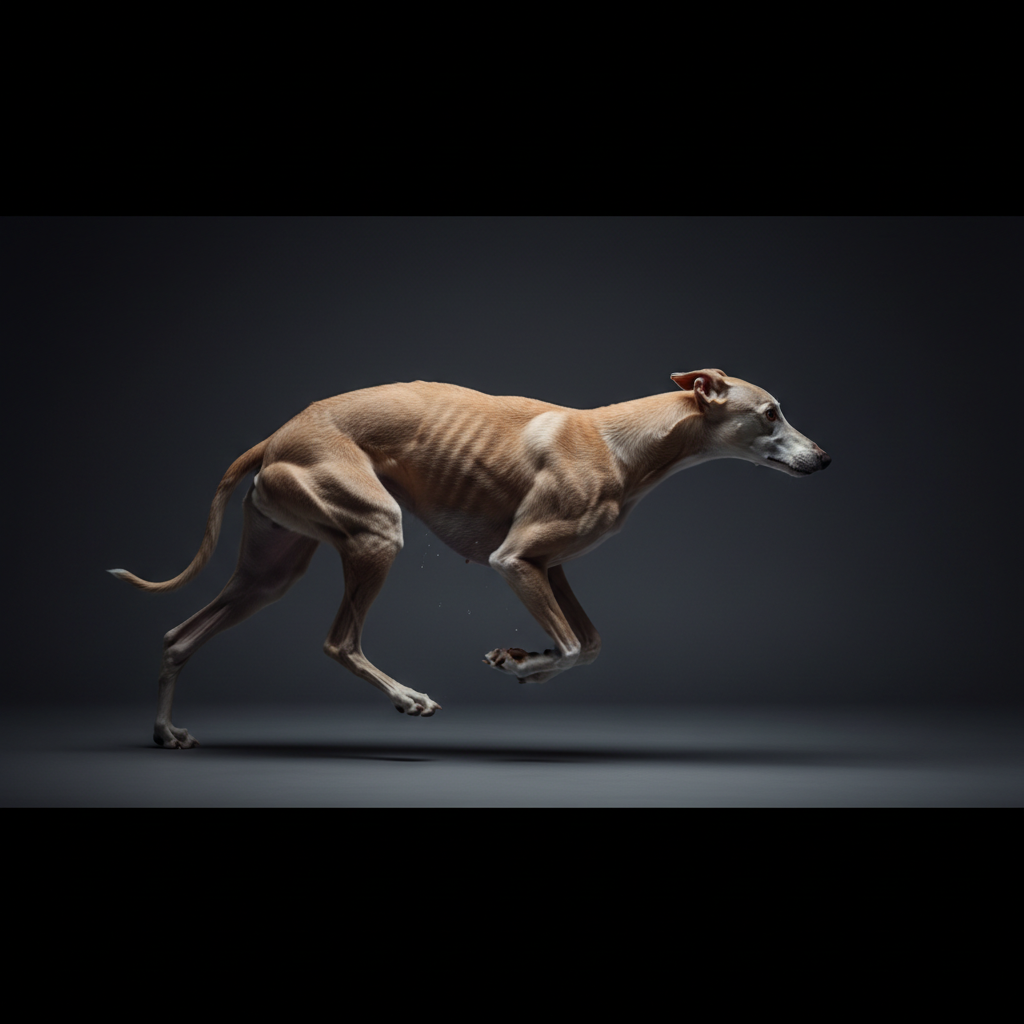
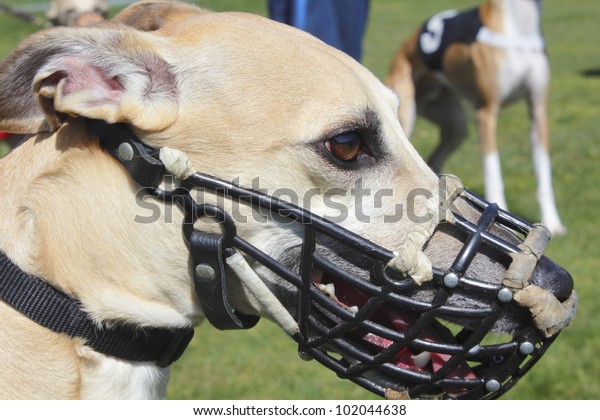
Greyhounds are built for explosive speed. They possess a unique 'double suspension gallop' where all four feet are off the ground twice during each stride. They have the highest percentage of fast-twitch muscle of any dog breed.

45 MPH

Top Speed

270°

Field of Vision

Made byBobr AI

RISE AND FALL: UK TRACK ATTENDANCE

Comparison of annual attendance figures during the 'Golden Age' vs. Modern Era.

Chart
Made byBobr AI

GLOBAL PLAYING FIELD

ACTIVE MARKETS

• United Kingdom: Regulated sport, though track numbers are shrinking.
• Ireland: Cultural stronghold, breeding hub.
• Australia: Significant industry, though facing tighter regulations.
• Mexico: Operates primarily for cross-border betting interests.

DECLINE & BANS

• USA: Banned in 42 states. Florida (formerly the hub) ceased racing in 2020.
• Argentina: Banned nationwide.
• Macau: The infamous Canidrome closed in 2018.
• Trend: Global shift toward welfare legislative bans.

Made byBobr AI

HOW THE INDUSTRY THRIVES

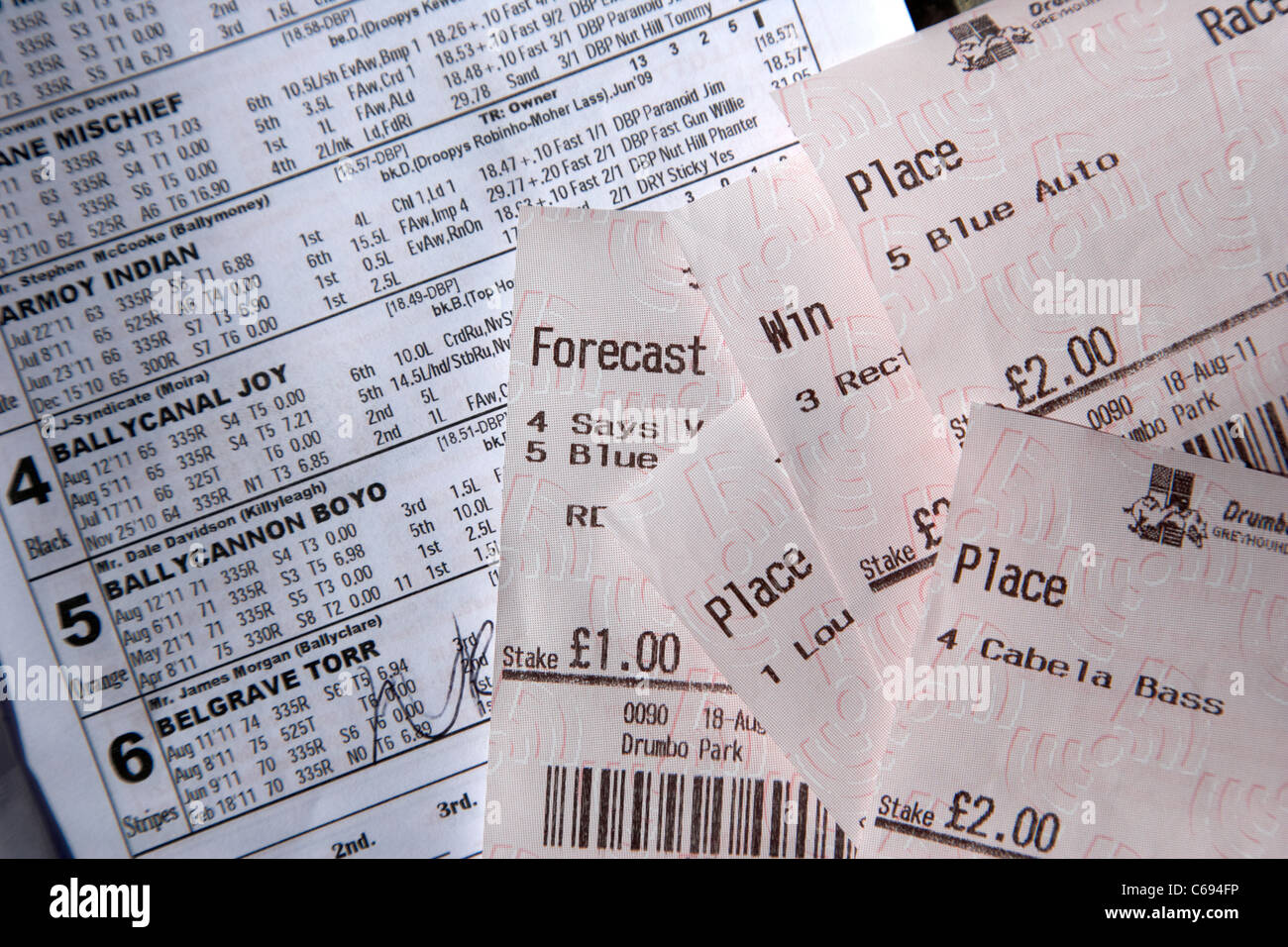
The business model relies almost entirely on wagering (betting). Unlike other sports that rely on ticket sales or merchandise, dog racing income is driven by the 'tote' (pari-mutuel betting). In the modern era, physical attendance generates little revenue; the bulk comes from off-track betting parlors and online simulcasts broadcasting races globally.

Made byBobr AI

WELFARE & CONTROVERSY

Track Safety

High speed cornering can lead to severe skeletal injuries. Welfare groups cite statistics regarding track deaths and euthanasia rates for injured dogs.

Public Perception

Documented cases of doping, poor kennel conditions, and 'over-breeding' have turned public opinion, fueling bans like Amendment 13 in Florida.

Made byBobr AI

LIFE AFTER THE TRACK: ADOPTION

As tracks close, the focus has shifted to adoption. Retired racers are famously docile, often called '45mph couch potatoes' due to their lazy nature at home. Thousands of adoption groups worldwide now facilitate the transition from kennel to family home, a crucial aspect of the modern industry's social license.

Made byBobr AI

SUMMARY

  • Originated from hare coursing; became a mass-spectator sport in the 1920s.
  • Peaked post-WWII with millions of attendees; now a niche, gambling-focused industry.
  • Faces significant ethical challenges and legislation, leading to widespread bans (US).
  • Future relies on balancing heritage with strict welfare standards and adoption.
Made byBobr AI
Bobr AI

DESIGNER-MADE
PRESENTATION,
GENERATED FROM
YOUR PROMPT

Create your own professional slide deck with real images, data charts, and unique design in under a minute.

Generate For Free

History and Mechanics of Greyhound Racing | Dog Racing Explained

Learn about the history, speed, and global decline of greyhound racing, including industry welfare controversies and the transition to pet adoption.

THE CHASE: DOG RACING EXPLAINED

History, Mechanics, and Modern Controversy

WHAT IS THE SPORT?

Greyhound racing is a competitive sport where greyhounds race around an enclosed oval track. The dogs chase a mechanical lure (traditionally an artificial hare) that travels ahead of them on a rail. Races are speed-based sprints, typically ending in less than 30 seconds, relying on the breed's predatory instinct to chase.

ORIGINS & HISTORY

16th-19th Century: Roots in 'Coursing', a hunting sport using live hares favored by British nobility.

1919 (USA): Owen Patrick Smith opens the first professional oval track with a mechanical lure in Emeryville, CA, to replace live killing.

1926 (UK): The sport explodes in Britain at Belle Vue, Manchester, attracting working-class crowds.

THE ATHLETE: GREYHOUND

Greyhounds are built for explosive speed. They possess a unique 'double suspension gallop' where all four feet are off the ground twice during each stride. They have the highest percentage of fast-twitch muscle of any dog breed.

45 MPH

Top Speed

270°

Field of Vision

RISE AND FALL: UK TRACK ATTENDANCE

Comparison of annual attendance figures during the 'Golden Age' vs. Modern Era.

GLOBAL PLAYING FIELD

ACTIVE MARKETS

• United Kingdom: Regulated sport, though track numbers are shrinking.<br>• Ireland: Cultural stronghold, breeding hub.<br>• Australia: Significant industry, though facing tighter regulations.<br>• Mexico: Operates primarily for cross-border betting interests.

DECLINE & BANS

• USA: Banned in 42 states. Florida (formerly the hub) ceased racing in 2020.<br>• Argentina: Banned nationwide.<br>• Macau: The infamous Canidrome closed in 2018.<br>• Trend: Global shift toward welfare legislative bans.

HOW THE INDUSTRY THRIVES

The business model relies almost entirely on wagering (betting). Unlike other sports that rely on ticket sales or merchandise, dog racing income is driven by the 'tote' (pari-mutuel betting). In the modern era, physical attendance generates little revenue; the bulk comes from off-track betting parlors and online simulcasts broadcasting races globally.

WELFARE & CONTROVERSY

Track Safety

High speed cornering can lead to severe skeletal injuries. Welfare groups cite statistics regarding track deaths and euthanasia rates for injured dogs.

Public Perception

Documented cases of doping, poor kennel conditions, and 'over-breeding' have turned public opinion, fueling bans like Amendment 13 in Florida.

LIFE AFTER THE TRACK: ADOPTION

As tracks close, the focus has shifted to adoption. Retired racers are famously docile, often called '45mph couch potatoes' due to their lazy nature at home. Thousands of adoption groups worldwide now facilitate the transition from kennel to family home, a crucial aspect of the modern industry's social license.

SUMMARY

Originated from hare coursing; became a mass-spectator sport in the 1920s.

Peaked post-WWII with millions of attendees; now a niche, gambling-focused industry.

Faces significant ethical challenges and legislation, leading to widespread bans (US).

Future relies on balancing heritage with strict welfare standards and adoption.

  • greyhound-racing
  • animal-welfare
  • greyhound-adoption
  • sports-history
  • pari-mutuel-betting
  • animal-rights