




Made byBobr AI

Cooperative Supermarket Feasibility Analysis: Worms Case Study

A strategic framework for launching a member-owned cooperative supermarket in Worms, Germany, including financial projections and operational strategies.

#cooperative-supermarket#feasibility-analysis#business-planning#sustainable-retail#worms-germany#member-owned-model#startup-finance
Watch
Pitch

Cooperative Supermarket Feasibility Analysis

Evaluation of a 500sqm Member-Owned Model in Worms, Germany

Strategic Planning Committee | 2026

Made byBobr AI

Executive Summary

  • 01. Opportunity: High demand for local, specialized produce in Worms currently underserved by discounters like Aldi/Lidl.
  • 02. Model: 500sqm member-owned store significantly lowers OPEX through volunteer shifts and committed monthly spending.
  • 03. Financial Viability: Break-even projected at month 18 with 600 active households.
Made byBobr AI

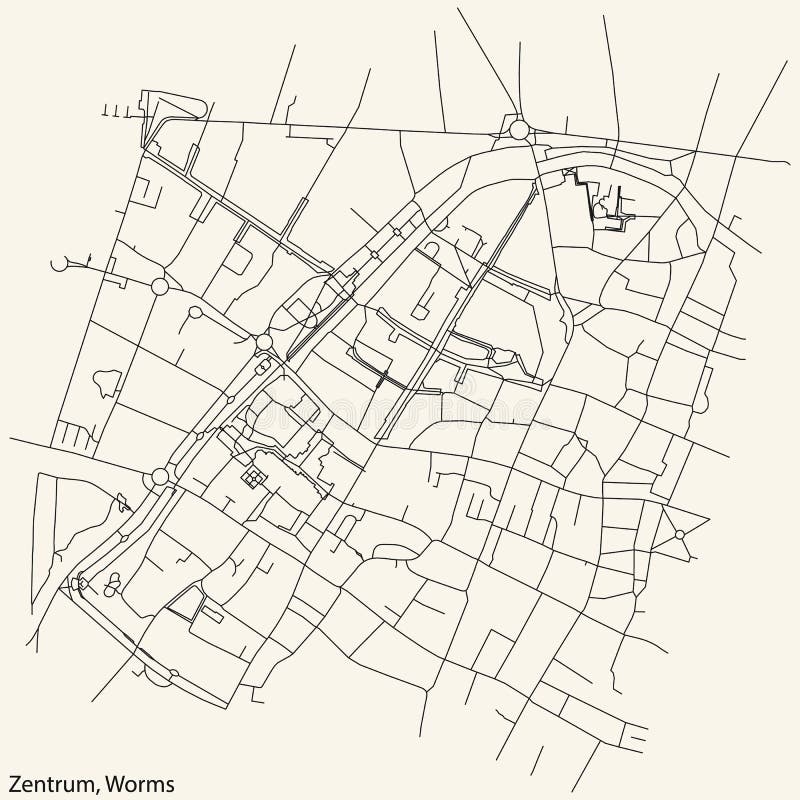
Target Market: Worms & Catchment Area

~84,000
Population (Worms)
3,500
Target Households

Our primary target is the environmentally conscious middle-class residing within a 2km radius of the city center. The secondary market includes suburban commuters seeking regional products.

Made byBobr AI

Competitive Landscape Positioning

The Worms market is polarized between high-price retailers (Edeka, Rewe) and discounters (Aldi, Lidl). The Co-op targets the 'Sweet Spot': High Quality at fair prices due to the non-profit model.

Chart
Made byBobr AI

Operational Strategy: The Hybrid Model

Professional Core

Store Manager (Full-time) and 2 Shift Leads ensure continuity and handle ordering, legal compliance, and supplier relationships.

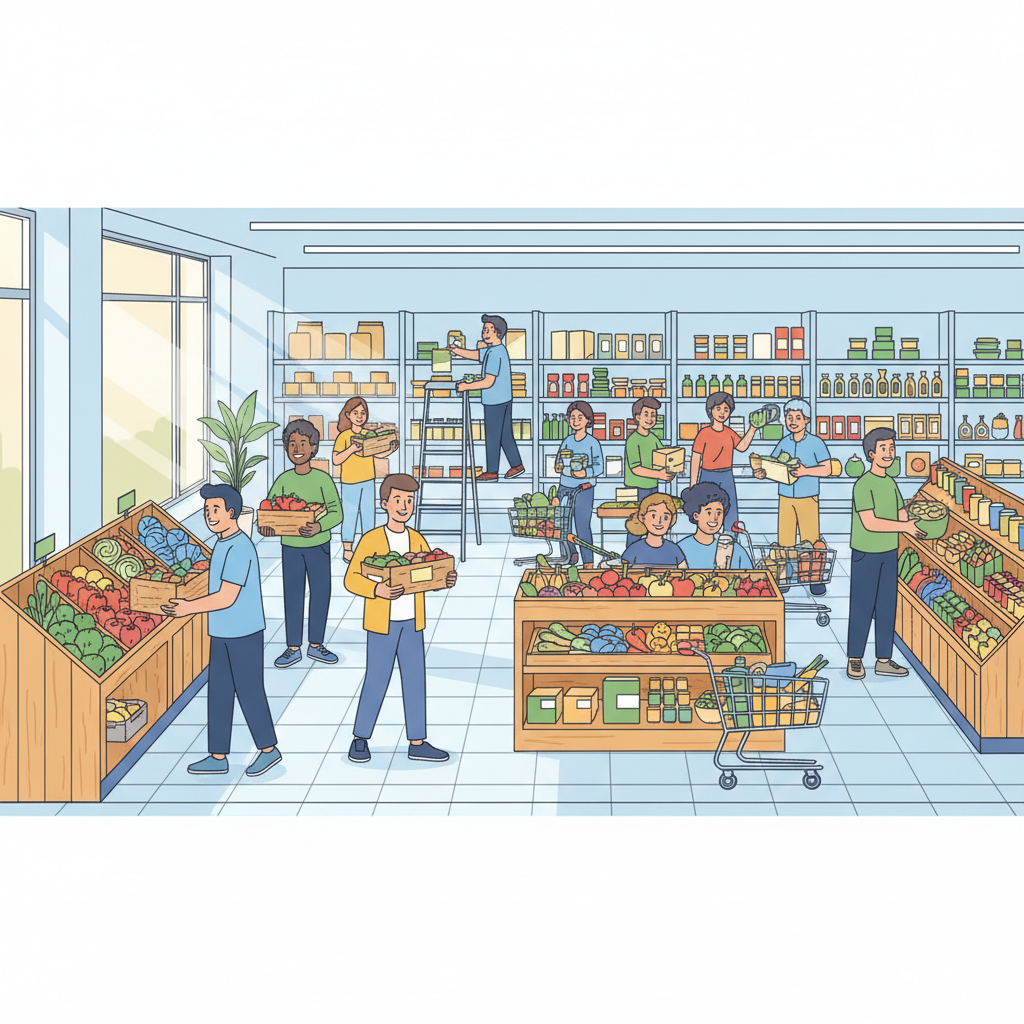
Member Volunteers

Members contribute 3 hours/month. Tasks: Stocking shelves, cleaning, check-out support. Reduces personnel costs by ~40%.

Sourcing Policy

Direct partnerships with regional farmers in Rhineland-Palatinate. Focus on seasonal, unpackaged, and organic goods.

Made byBobr AI

Initial Capital Expenditure (CAPEX)

Total projected funding requirement: €225,000. The majority of funds are allocated to facility renovation and refrigeration equipment for the 500sqm space.

Chart
Made byBobr AI

Monthly OPEX Estimates

Rent (500sqm)€6,500
Utilities / Energy€2,200
Staff (2 FTE + taxes)€9,800
Maintenance / Misc€1,500
Total Fixed Monthly OPEX€20,000
Made byBobr AI

Revenue & Break-Even Projection

Under the conservative model, break-even is achieved in Q5 (Month 15). The aggressive model achieves polarity in Q3 due to faster member acquisition.

Chart
Made byBobr AI

Risk Assessment & Mitigation

Member Churn / Engagement Drop

Enforce mandatory shift deposit; Hire Community Manager to foster social events; Gamify participation.

Supply Chain Volatility

Diversify supplier base (do not rely on single farm per category); Stock non-perishables for buffer; Dynamic pricing model.

Price Competition (Aldi/Lidl)

Focus on product quality/ethics differentiation; Educate consumers on 'True Cost'; Offer bulk-buy discounts.

Made byBobr AI

Implementation Timeline (2026)

Phase 1

Q1: Legal Incorporation & Initial Funding Drive

Phase 2

Q2: Site Lease Signed (Worms Center) & Renovation Permits

Phase 3

Q3: Fit-out, Supplier Contracts, Member Campaign (Goal: 300)

Phase 4

Q4: Soft Launch & Grand Opening

Made byBobr AI

Recommendation: PROCEED

Based on the market gap in Worms and the robust financial model of member participation, the committee recommends proceeding with the cooperative incorporation immediately. The projected ROI and community impact justify the initial CAPEX risk.

Next Step: Board Vote on Seed Funding

Made byBobr AI
Bobr AI

DESIGNER-MADE
PRESENTATION,
GENERATED FROM
YOUR PROMPT

Create your own professional slide deck with real images, data charts, and unique design in under a minute.

Generate For Free

Cooperative Supermarket Feasibility Analysis: Worms Case Study

A strategic framework for launching a member-owned cooperative supermarket in Worms, Germany, including financial projections and operational strategies.

Cooperative Supermarket Feasibility Analysis

Evaluation of a 500sqm Member-Owned Model in Worms, Germany

Strategic Planning Committee | 2026

Executive Summary

Opportunity: High demand for local, specialized produce in Worms currently underserved by discounters like Aldi/Lidl.

Model: 500sqm member-owned store significantly lowers OPEX through volunteer shifts and committed monthly spending.

Financial Viability: Break-even projected at month 18 with 600 active households.

Target Market: Worms & Catchment Area

Population (Worms)

~84,000

Target Households

3,500

Our primary target is the environmentally conscious middle-class residing within a 2km radius of the city center. The secondary market includes suburban commuters seeking regional products.

Competitive Landscape Positioning

The Worms market is polarized between high-price retailers (Edeka, Rewe) and discounters (Aldi, Lidl). The Co-op targets the 'Sweet Spot': High Quality at fair prices due to the non-profit model.

Operational Strategy: The Hybrid Model

Professional Core

Store Manager (Full-time) and 2 Shift Leads ensure continuity and handle ordering, legal compliance, and supplier relationships.

Member Volunteers

Members contribute 3 hours/month. Tasks: Stocking shelves, cleaning, check-out support. Reduces personnel costs by ~40%.

Sourcing Policy

Direct partnerships with regional farmers in Rhineland-Palatinate. Focus on seasonal, unpackaged, and organic goods.

Initial Capital Expenditure (CAPEX)

Total projected funding requirement: €225,000. The majority of funds are allocated to facility renovation and refrigeration equipment for the 500sqm space.

Monthly OPEX Estimates

Rent (500sqm)

€6,500

Utilities / Energy

€2,200

Staff (2 FTE + taxes)

€9,800

Maintenance / Misc

€1,500

Total Fixed Monthly OPEX

€20,000

Revenue & Break-Even Projection

Under the conservative model, break-even is achieved in Q5 (Month 15). The aggressive model achieves polarity in Q3 due to faster member acquisition.

Risk Assessment & Mitigation

Member Churn / Engagement Drop

Enforce mandatory shift deposit; Hire Community Manager to foster social events; Gamify participation.

Supply Chain Volatility

Diversify supplier base (do not rely on single farm per category); Stock non-perishables for buffer; Dynamic pricing model.

Price Competition (Aldi/Lidl)

Focus on product quality/ethics differentiation; Educate consumers on 'True Cost'; Offer bulk-buy discounts.

Implementation Timeline (2026)

Q1: Legal Incorporation & Initial Funding Drive

Q2: Site Lease Signed (Worms Center) & Renovation Permits

Q3: Fit-out, Supplier Contracts, Member Campaign (Goal: 300)

Q4: Soft Launch & Grand Opening

Recommendation: PROCEED

Based on the market gap in Worms and the robust financial model of member participation, the committee recommends proceeding with the cooperative incorporation immediately. The projected ROI and community impact justify the initial CAPEX risk.

Next Step: Board Vote on Seed Funding

  • cooperative-supermarket
  • feasibility-analysis
  • business-planning
  • sustainable-retail
  • worms-germany
  • member-owned-model
  • startup-finance