

Made byBobr AI

Global Dessert Trends & Science: History to Modern Flavors

Explore the science of sweetness, global dessert categories, and regional specialties like French patisserie, Asian mochi, and Middle Eastern baklava.

#dessert-trends#food-science#pastry-arts#global-flavors#baking-basics#confectionery
Watch
Pitch

The Sweet Anthology

An Exploration of History, Science, and Global Flavors

Made byBobr AI

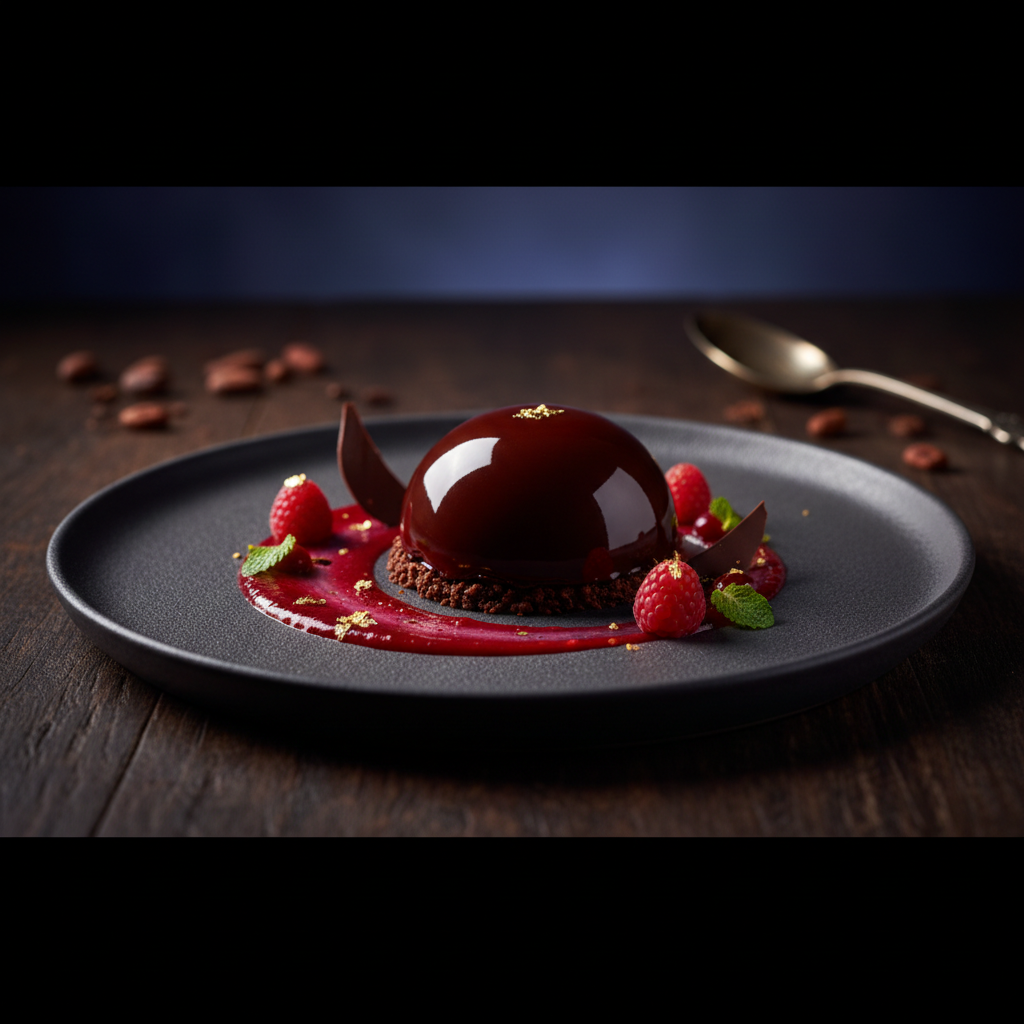
Defining the Course

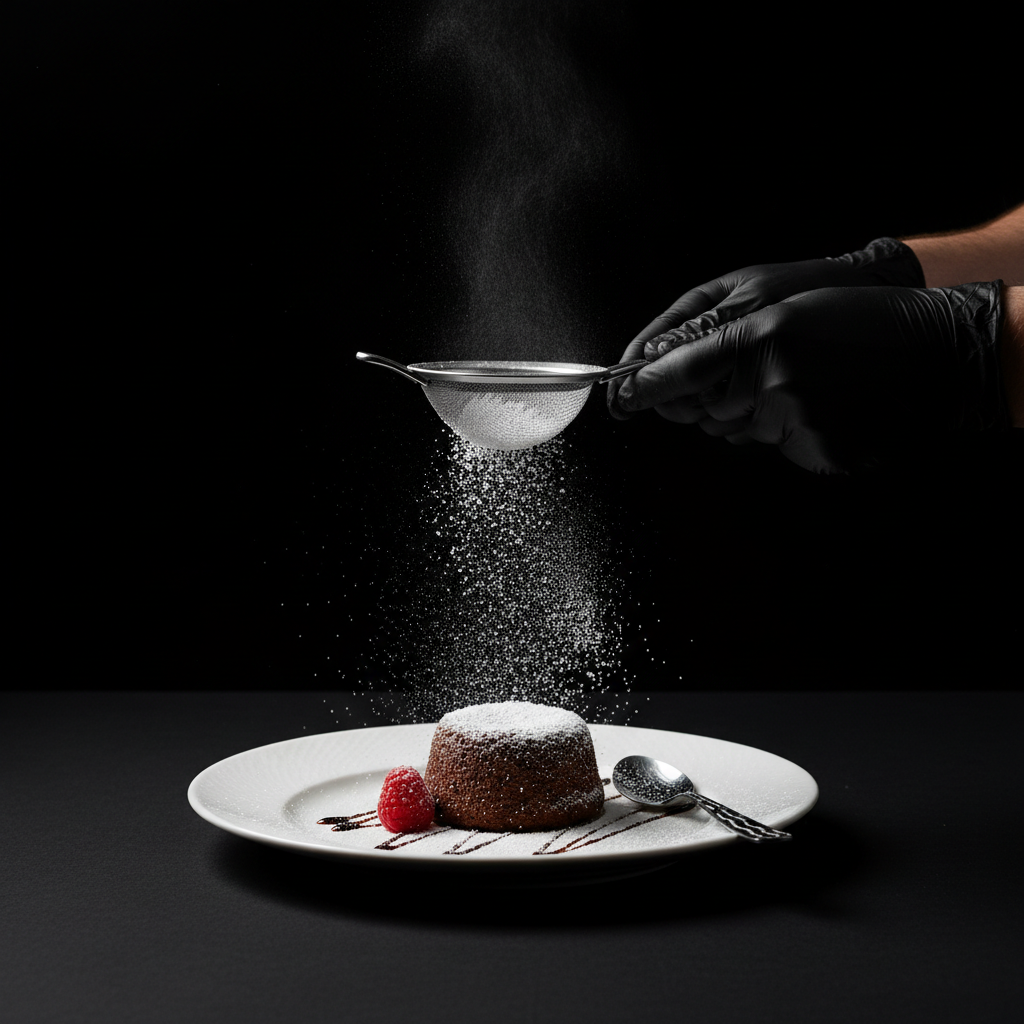
Derived from the French word 'desservir' (to clear the table), dessert is the final course of a meal. While definitions vary by culture, the unifying characteristic is sweetness.

Made byBobr AI

The Science of Craving

  • 01. Evolutionary Instinct: Humans are hardwired to seek high-calorie energy sources like sugar.
  • 02. The Reward System: Sugar triggers dopamine release in the brain, similar to other pleasurable activities.
  • 03. Sensory Balance: Sweetness counteracts the acidity and bitterness often found in savory main courses.
Made byBobr AI

Favorite Dessert Categories

Based on general market consumption trends, ice cream and frozen desserts consistently lead global preference due to convenience and variety.

Chart
Made byBobr AI

Categories

Baked Architecture

The crucial role of flour, fats, and leavening agents.

Cakes & Sponges: Cakes: Rely on chemical aeration (baking powder) or mechanical aeration (whipped eggs) for lightness.

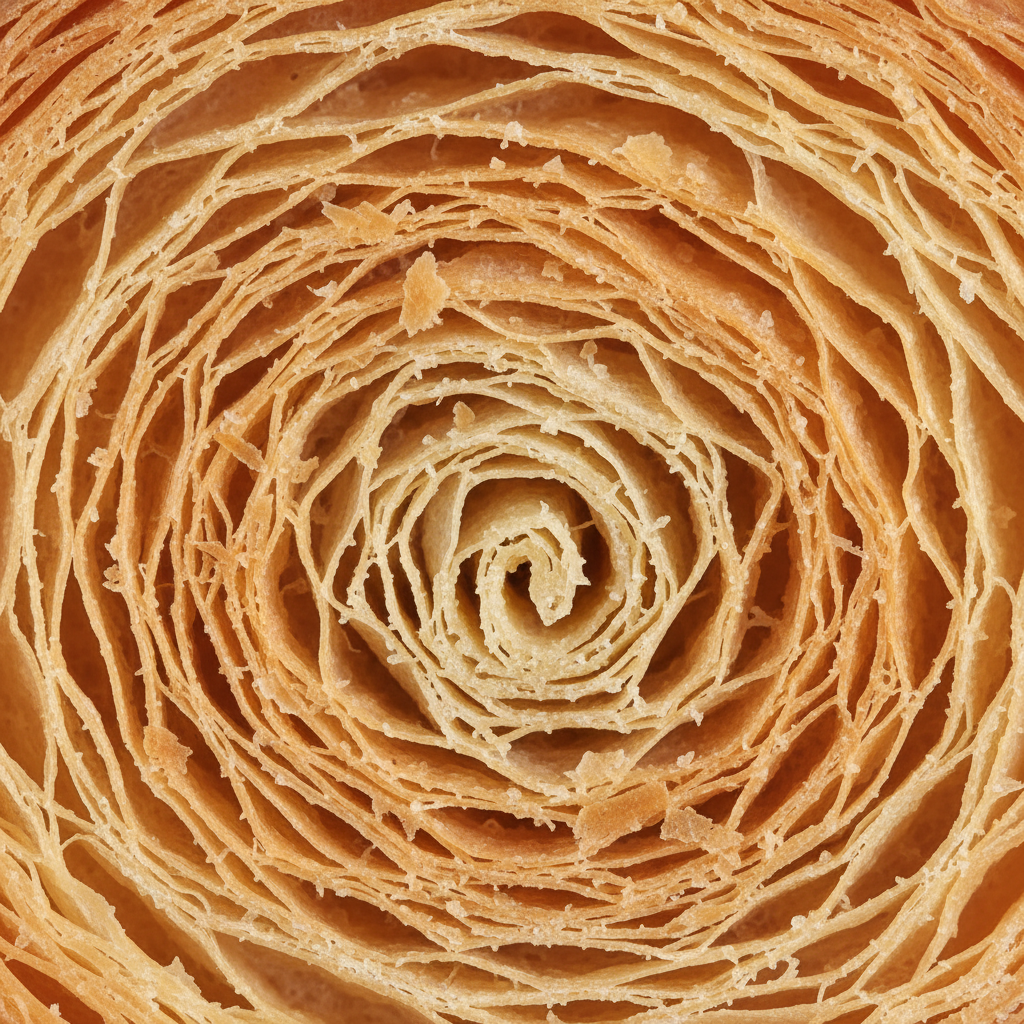
Lamination: Laminated Pastry: Hundreds of layers of butter and dough create the flakey texture of Croissants and Puff Pastry.

Made byBobr AI

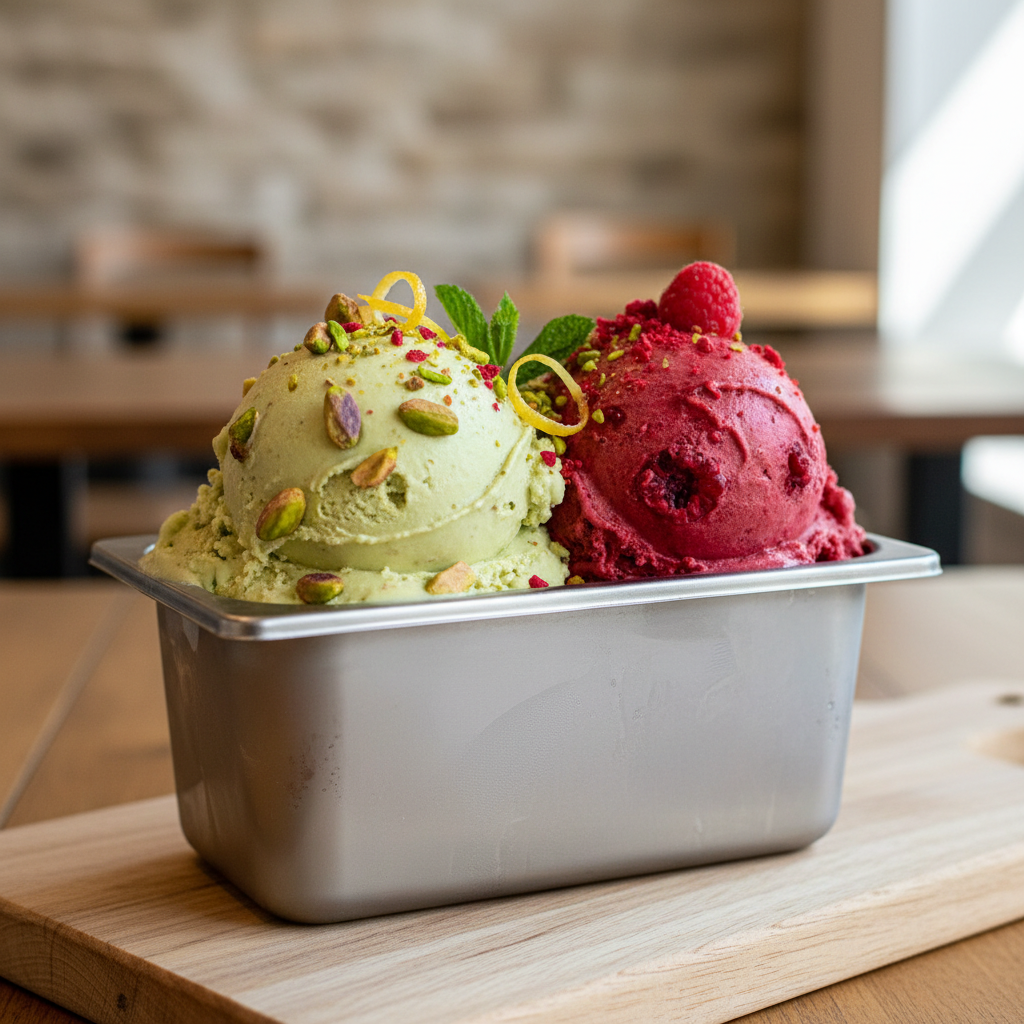
Frozen: The Art of Crystallization

Ice Cream

Ice Cream: Contains at least 10% milkfat, churned to incorporate air (overrun).

Gelato

Gelato: Less fat, churned slowly for less air, resulting in a denser, creamier texture.

Sorbet

Sorbet: Fruit and sugar only. No dairy. Requires precise sugar balance to prevent freezing rock-hard.

Made byBobr AI

EUROPE

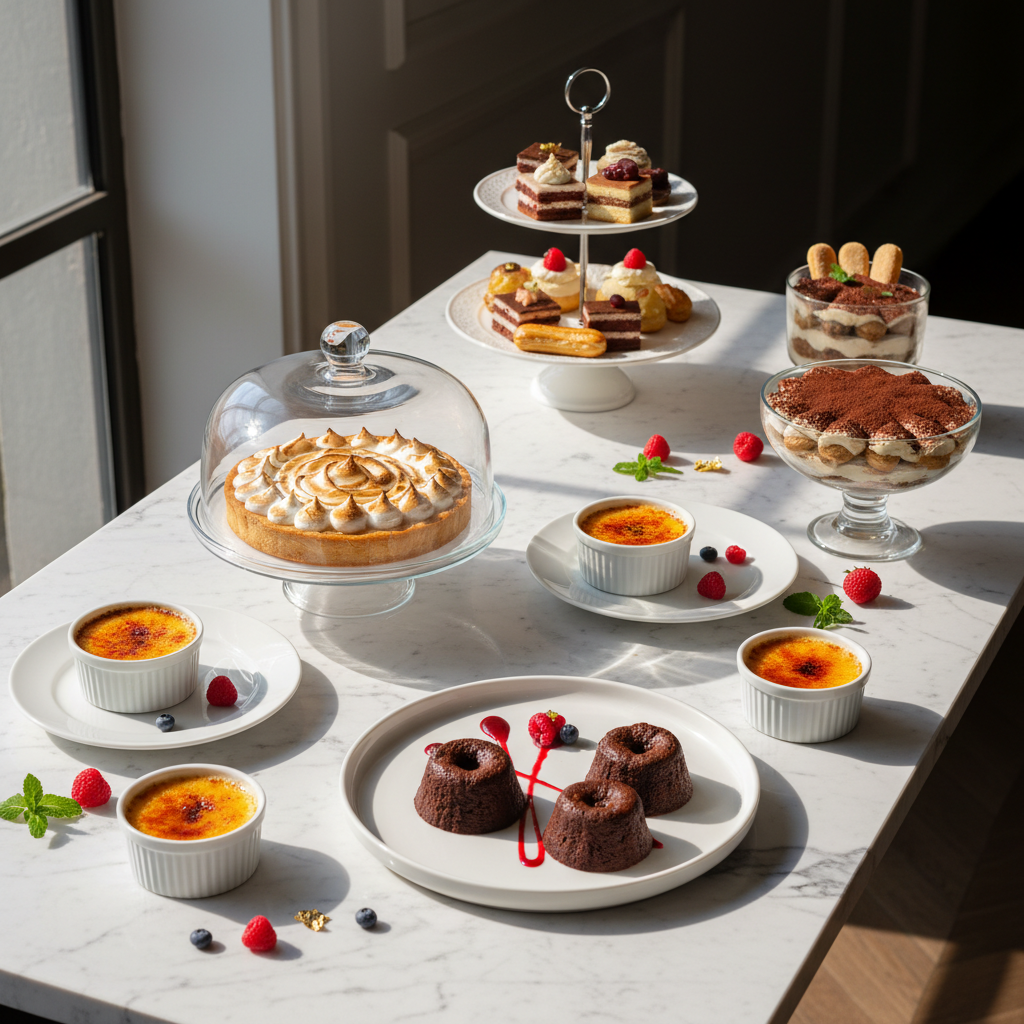
Patisserie Perfection

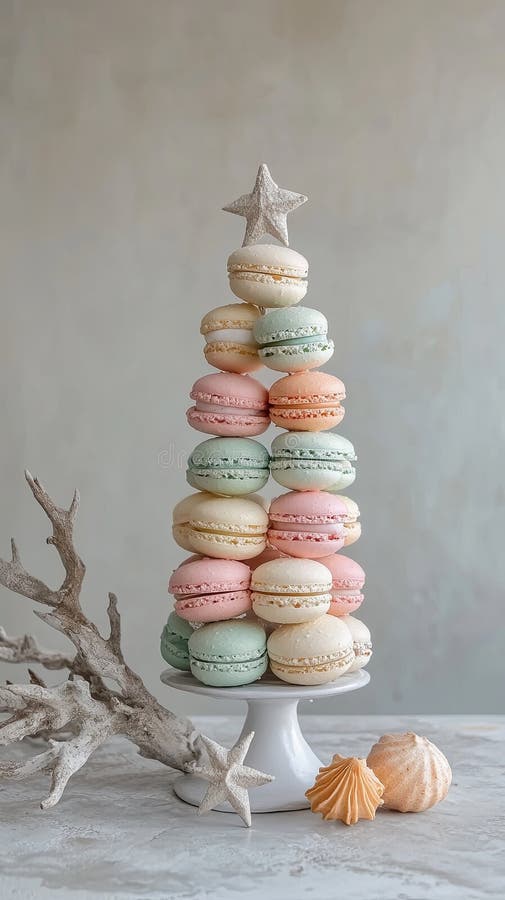
European desserts focus on technical precision, dairy creams, and refined aesthetics. From French Macarons to Italian Tiramisu.

Made byBobr AI

ASIA

Texture & Subtlety

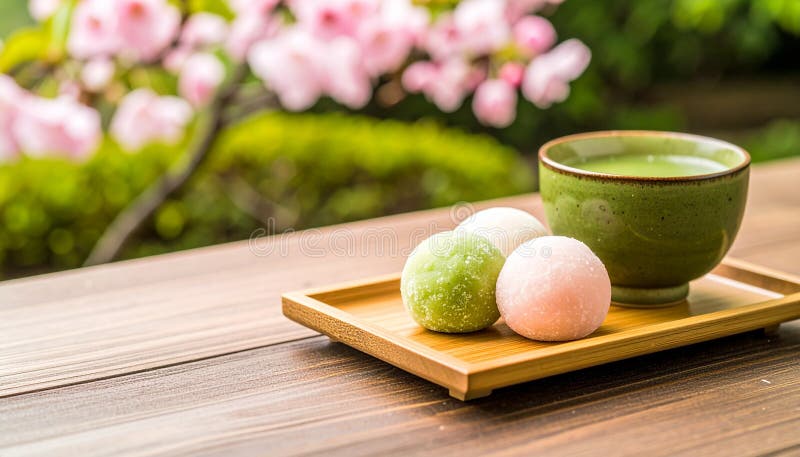
Asian desserts often prioritize 'Q' texture (chewy/bouncy). Ingredients include sticky rice (Mochi), matcha, red bean paste, and coconut milk.

Made byBobr AI

MIDDLE EAST

Syrup, Nuts & Phyllo

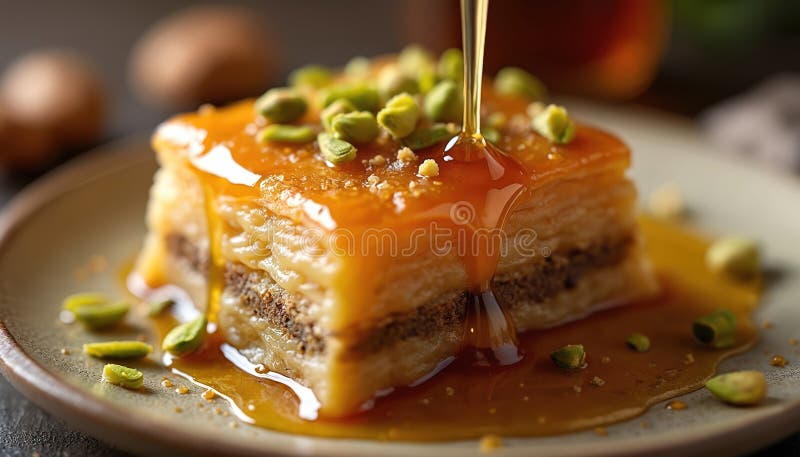
Region defined by intense sweetness balanced by nuts (pistachios, walnuts) and floral waters (rose, orange blossom). Baklava is the icon.

Made byBobr AI

Modern Dessert Trends

The Hybrid Movement

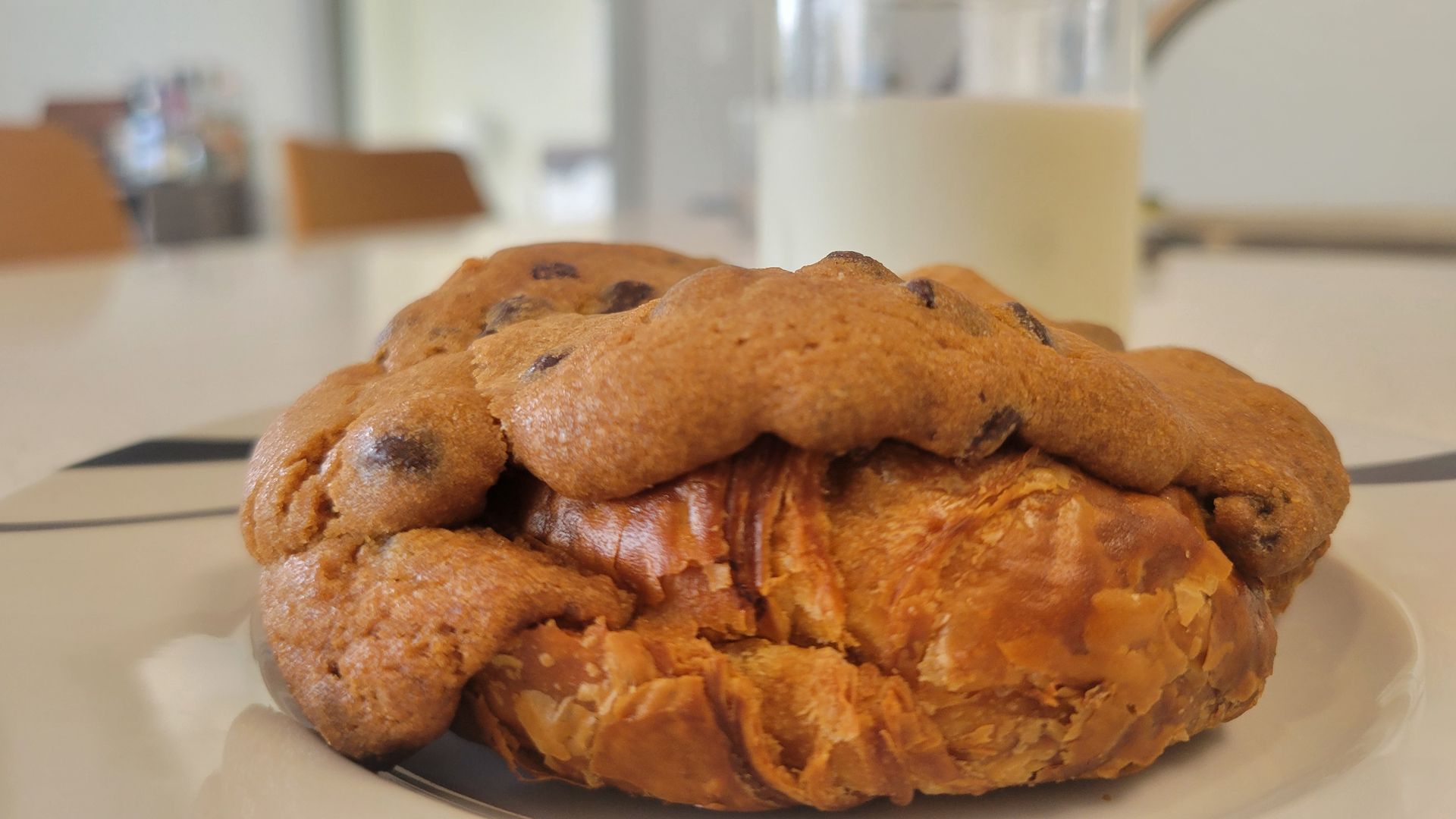
Cronuts (Croissant-Donut), Crookies (Croissant-Cookie). Mixing textures for viral appeal.

Plant-Based Pastry

High-end vegan desserts using aquafaba meringues and nut-milk fats.

Made byBobr AI

Final Takeaways

Sweetness is Scientific: Our biology drives the craving for desserts.

Chemistry is Key: From aeration in cakes to freezing points in sorbet, desserts require precision.

Culture shapes Flavor: Ingredients like matcha, phyllo, and dairy define regional identities.

Made byBobr AI
Bobr AI

DESIGNER-MADE
PRESENTATION,
GENERATED FROM
YOUR PROMPT

Create your own professional slide deck with real images, data charts, and unique design in under a minute.

Generate For Free

Global Dessert Trends & Science: History to Modern Flavors

Explore the science of sweetness, global dessert categories, and regional specialties like French patisserie, Asian mochi, and Middle Eastern baklava.

The Sweet Anthology

An Exploration of History, Science, and Global Flavors

Defining the Course

Derived from the French word 'desservir' (to clear the table), dessert is the final course of a meal. While definitions vary by culture, the unifying characteristic is sweetness.

The Science of Craving

Evolutionary Instinct: Humans are hardwired to seek high-calorie energy sources like sugar.

The Reward System: Sugar triggers dopamine release in the brain, similar to other pleasurable activities.

Sensory Balance: Sweetness counteracts the acidity and bitterness often found in savory main courses.

Favorite Dessert Categories

Based on general market consumption trends, ice cream and frozen desserts consistently lead global preference due to convenience and variety.

Baked Architecture

The crucial role of flour, fats, and leavening agents.

Cakes: Rely on chemical aeration (baking powder) or mechanical aeration (whipped eggs) for lightness.

Laminated Pastry: Hundreds of layers of butter and dough create the flakey texture of Croissants and Puff Pastry.

Frozen: The Art of Crystallization

Ice Cream: Contains at least 10% milkfat, churned to incorporate air (overrun).

Gelato: Less fat, churned slowly for less air, resulting in a denser, creamier texture.

Sorbet: Fruit and sugar only. No dairy. Requires precise sugar balance to prevent freezing rock-hard.

EUROPE

Patisserie Perfection

European desserts focus on technical precision, dairy creams, and refined aesthetics. From French Macarons to Italian Tiramisu.

ASIA

Texture & Subtlety

Asian desserts often prioritize 'Q' texture (chewy/bouncy). Ingredients include sticky rice (Mochi), matcha, red bean paste, and coconut milk.

MIDDLE EAST

Syrup, Nuts & Phyllo

Region defined by intense sweetness balanced by nuts (pistachios, walnuts) and floral waters (rose, orange blossom). Baklava is the icon.

Modern Dessert Trends

The Hybrid Movement

Cronuts (Croissant-Donut), Crookies (Croissant-Cookie). Mixing textures for viral appeal.

Plant-Based Pastry

High-end vegan desserts using aquafaba meringues and nut-milk fats.

Final Takeaways

Sweetness is Scientific: Our biology drives the craving for desserts.

Chemistry is Key: From aeration in cakes to freezing points in sorbet, desserts require precision.

Culture shapes Flavor: Ingredients like matcha, phyllo, and dairy define regional identities.

  • dessert-trends
  • food-science
  • pastry-arts
  • global-flavors
  • baking-basics
  • confectionery