
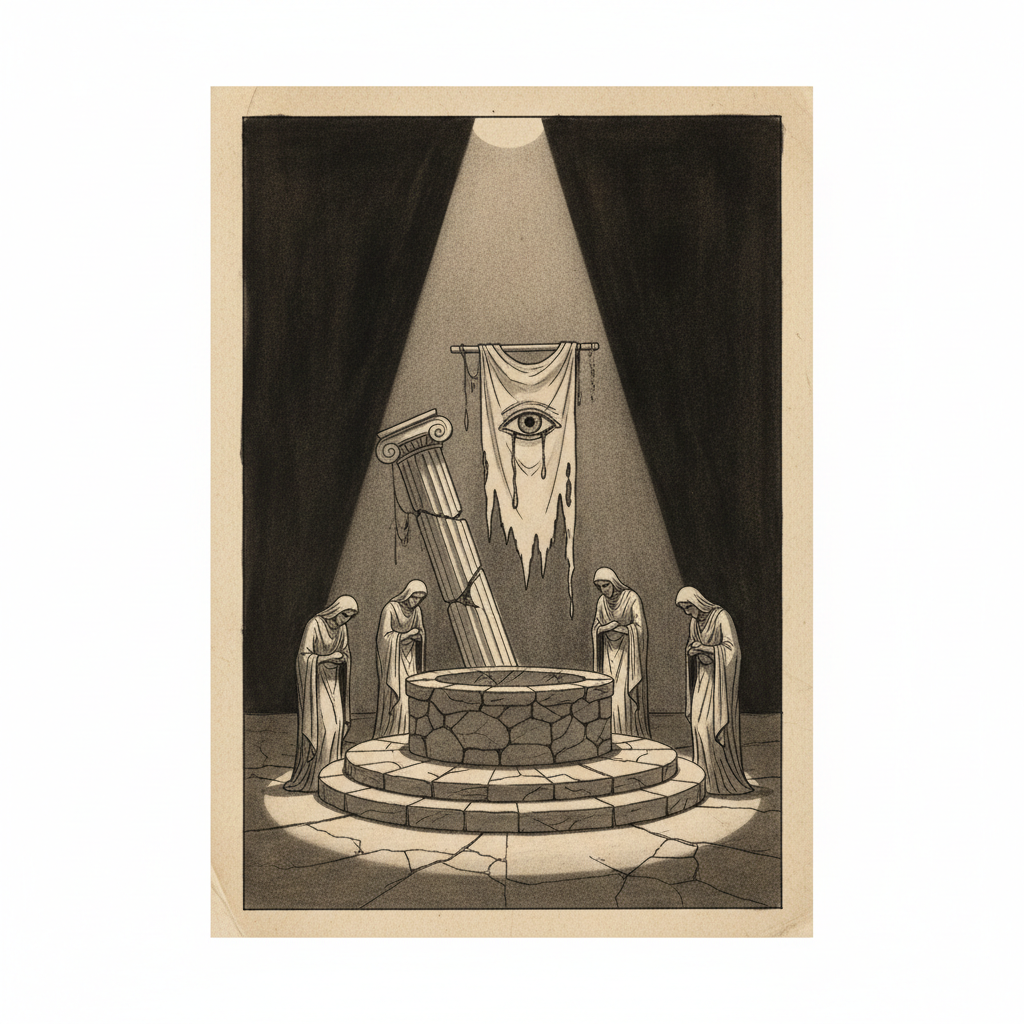

Myths vs. Legends: Exploring Ancient Stories for the Stage
Learn the key differences between myths and legends, core archetypes, and how to dramatize ancient stories in theatre using symbolism and physical performance.
Myths & Legends
Exploring Ancient Stories for the Stage
What is a Myth?
A traditional story, typically involving supernatural beings or events, which explains some early history or a natural or social phenomenon.
What is a Legend?
A traditional story sometimes regarded as historical but unauthenticated. Unlike myths, legends usually focus on human heroes and specific historical settings.
Key Differences
MYTHS
• Focus on Gods/Deities<br>• Explains Nature/Universe<br>• Timeless/Ahistorical<br>• High Magic/Supernatural
LEGENDS
• Focus on Human Heroes<br>• Based on Historical Truth<br>• Specific Time/Place<br>• Embellished Reality
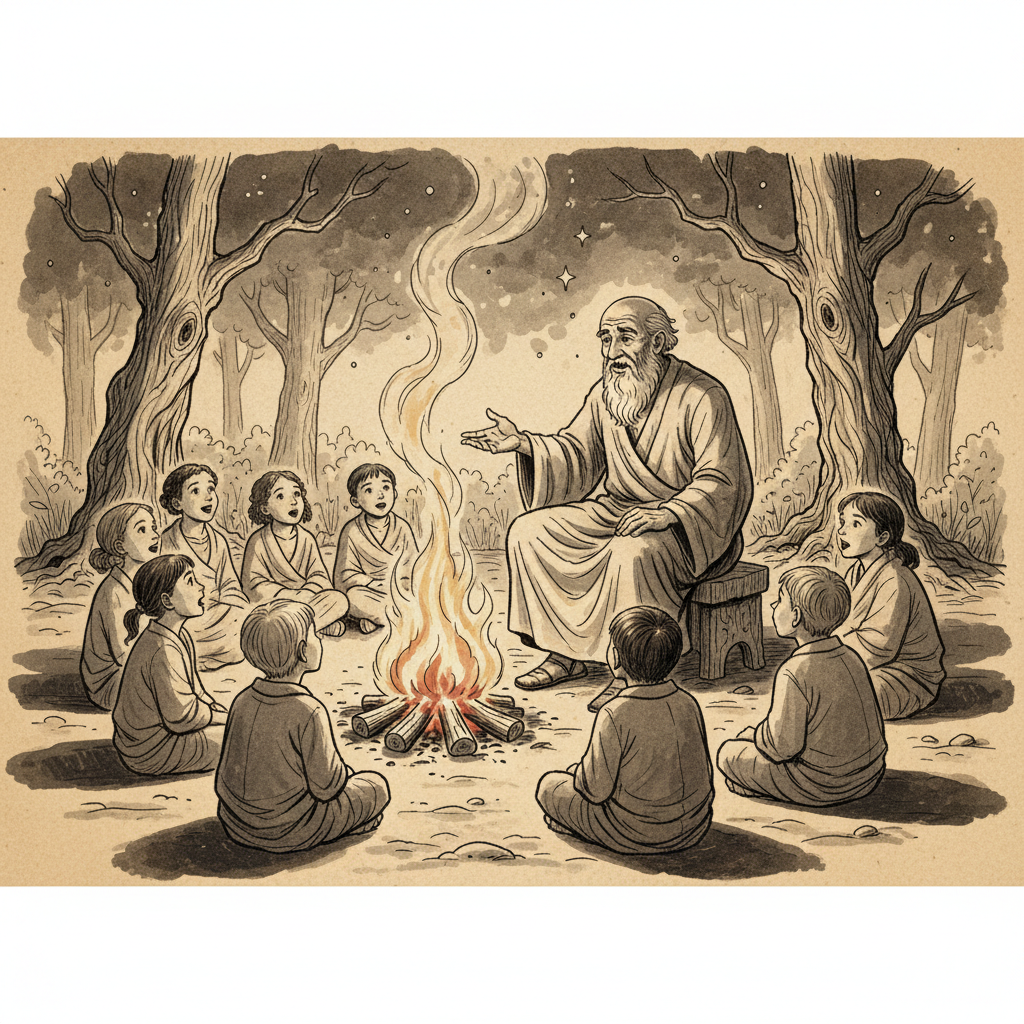
The Oral Tradition
Before they were written down, these stories were spoken.
Passed down through generations
Changes with every teller (Dynamic)
Uses rhythm and rhyme for memory
Common Archetypes
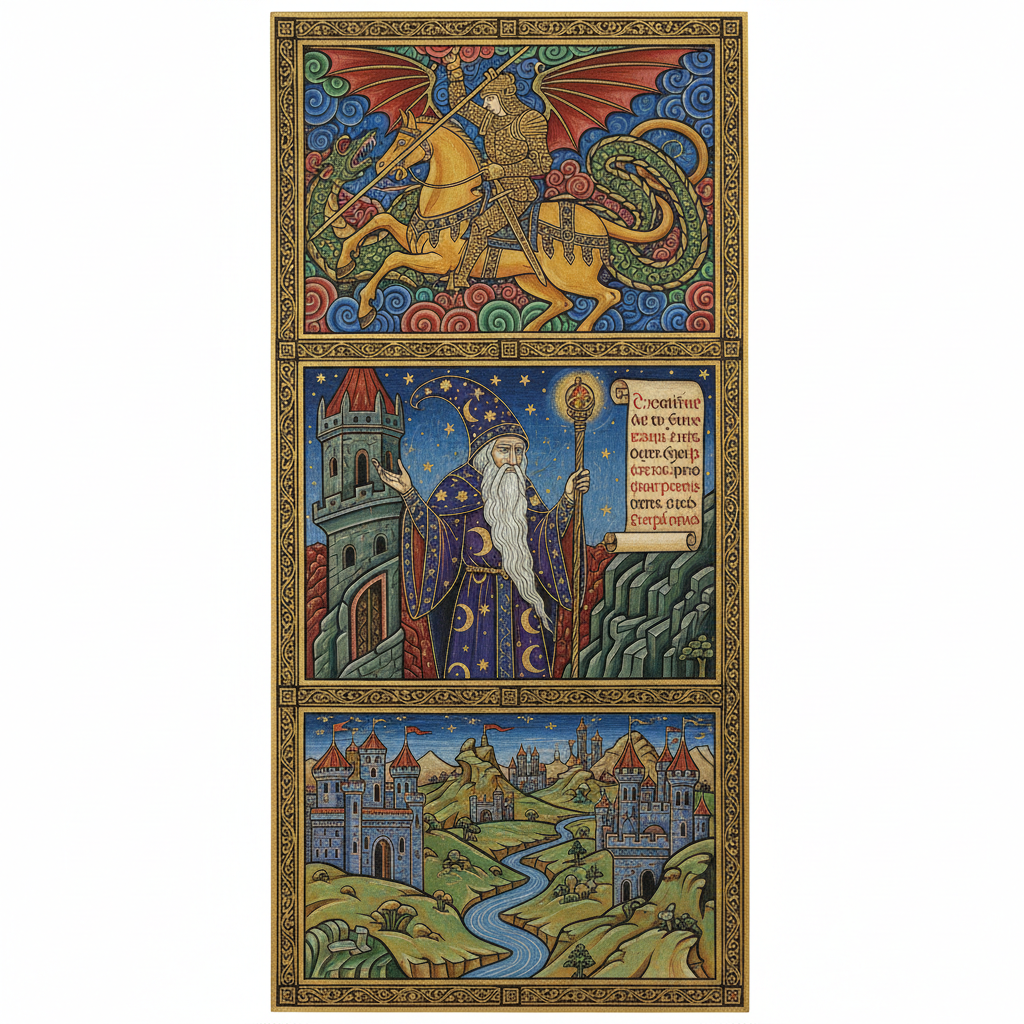
• <b>The Hero:</b> Goes on a quest (e.g., Hercules, Arthur)
• <b>The Monster:</b> Represents chaos or fear (e.g., Hydra, Dragon)
• <b>The Mentor:</b> Provides wisdom/tools (e.g., Merlin, Athena)
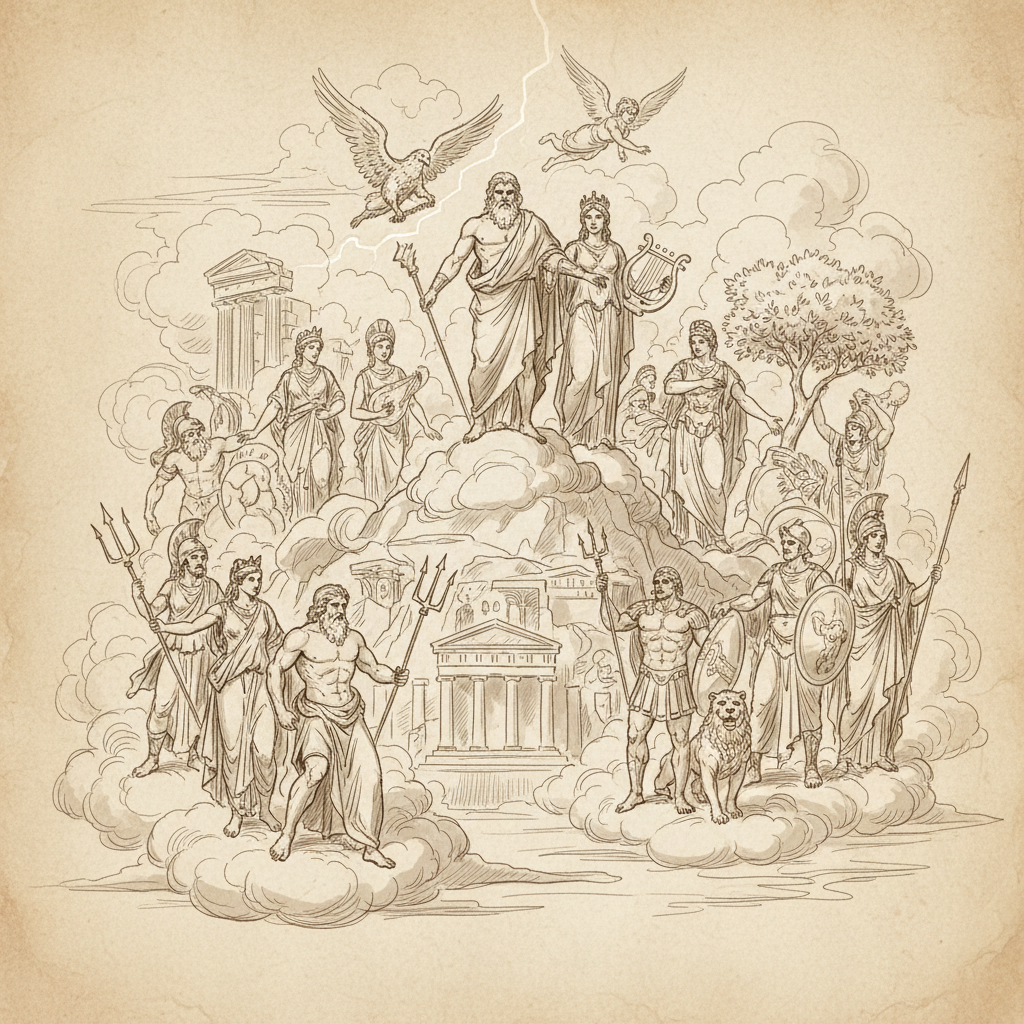
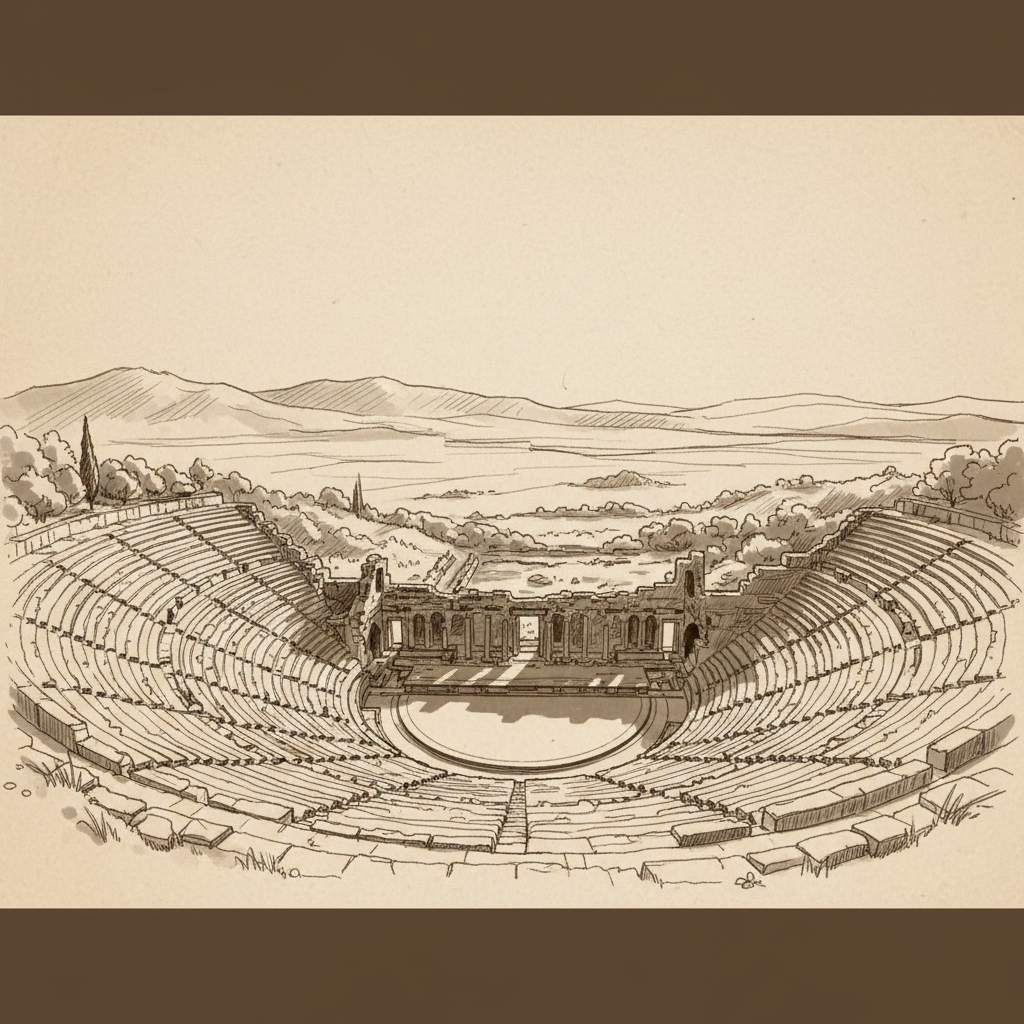
Example: Greek Mythology
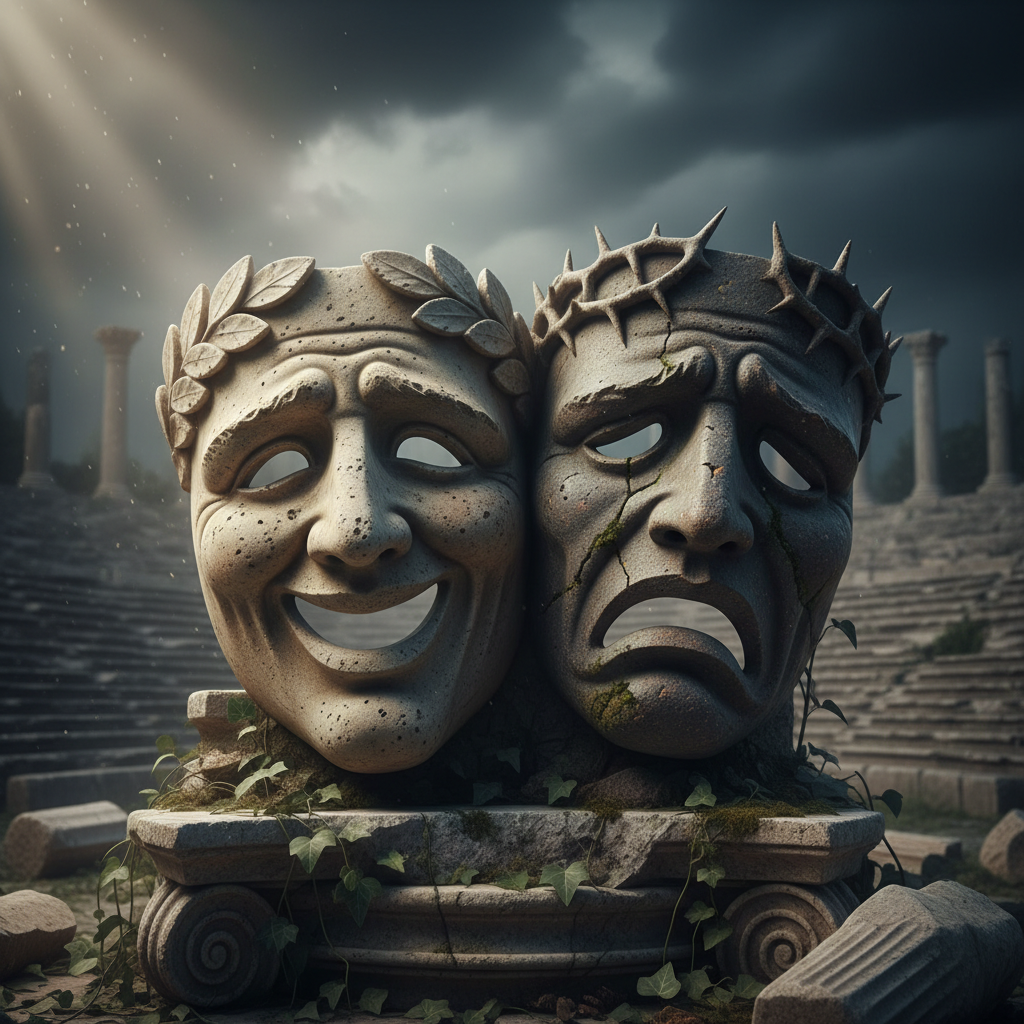
Greek theatre was born from mythology. Plays were acts of worship to Dionysus.
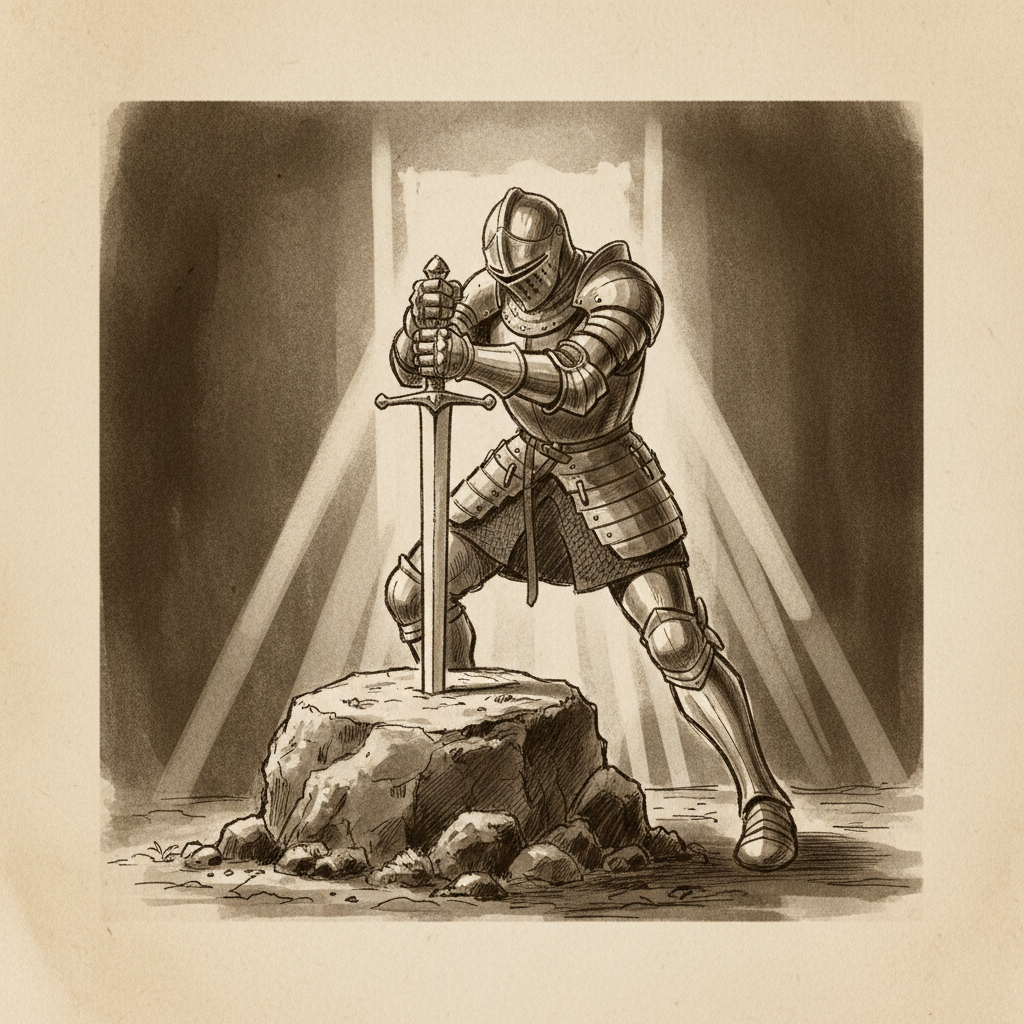
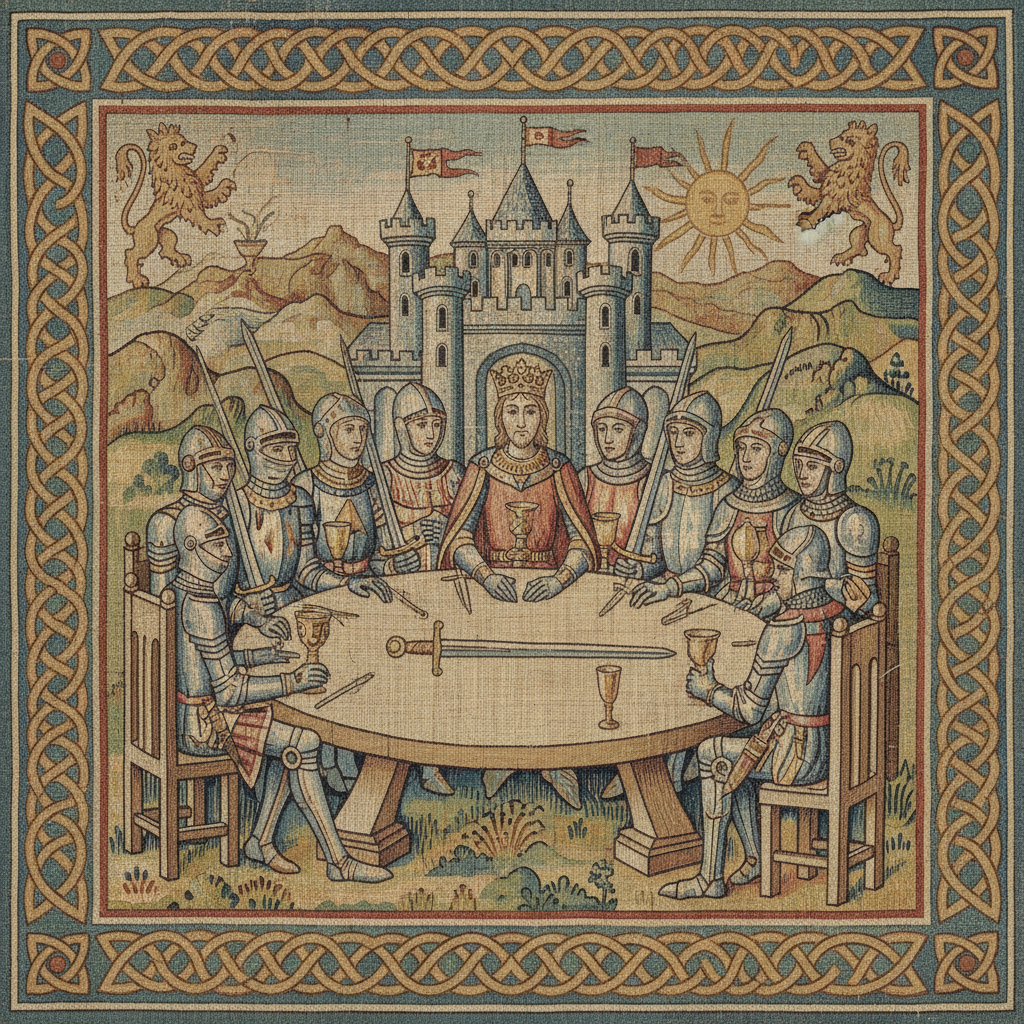
Example: Arthurian Legend
The legend of King Arthur blends partial history with Celtic mythology. It introduces themes of Chivalry, Betrayal, and Destiny often used in plays.
Dramatizing Myths
Use <b>Chorus</b> work to represent the voice of society or spirits.
Focus on <b>Physical Theatre</b> to portray non-human monsters.
Utilize <b>Symbolism</b> (red cloth for blood, masks for gods).
Conclusion
"Myths are public dreams, dreams are private myths."
— Joseph Campbell
- mythology
- legends
- theatre-studies
- storytelling
- greek-mythology
- arthurian-legend
- archetypes
- performing-arts