

Hybrid Maritime Propulsion: Technical and Economic Analysis
Explore the viability of hybrid propulsion for inland waterways. Analysis covers fuel savings, CO2 reduction, CAPEX, and comparison with Biodiesel.
Hybrid Propulsion System Assessment
Operational Strategy, Environmental Impact, and Economic Viability Analysis
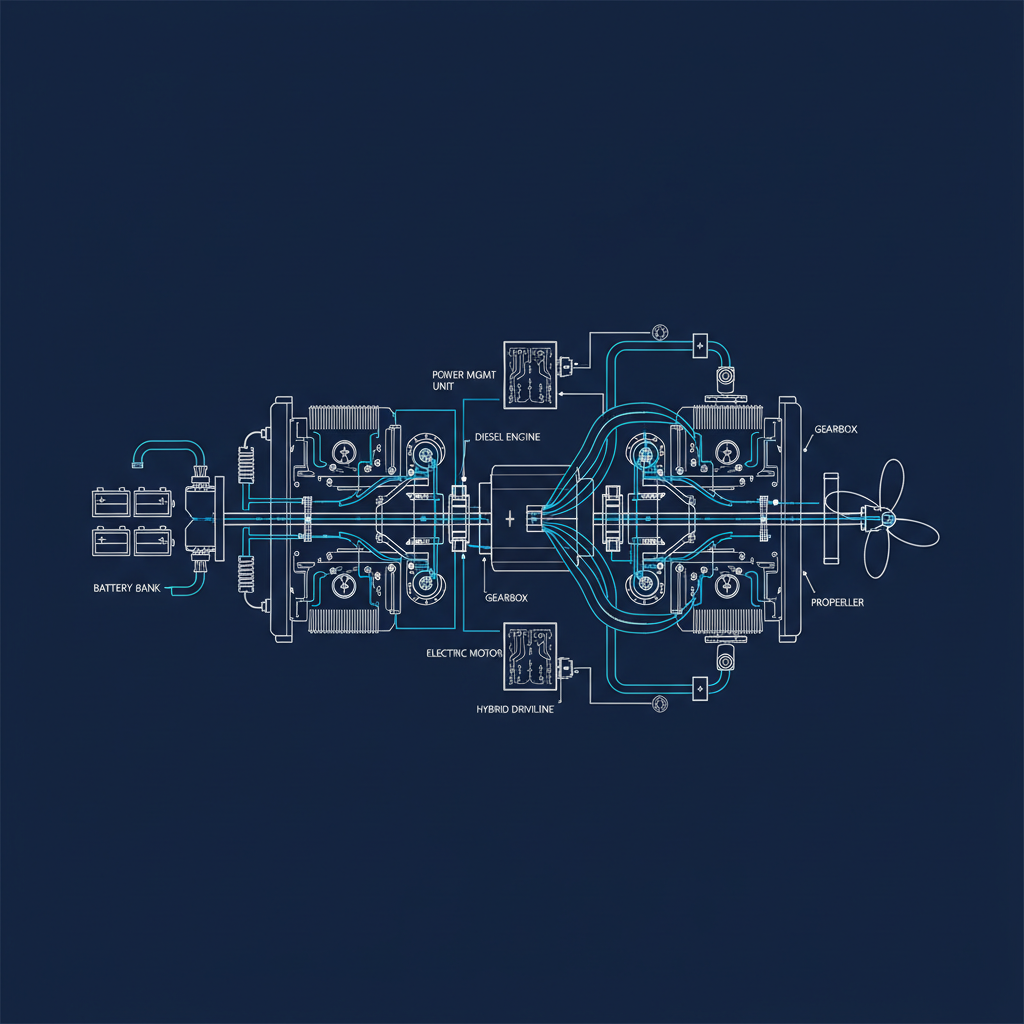
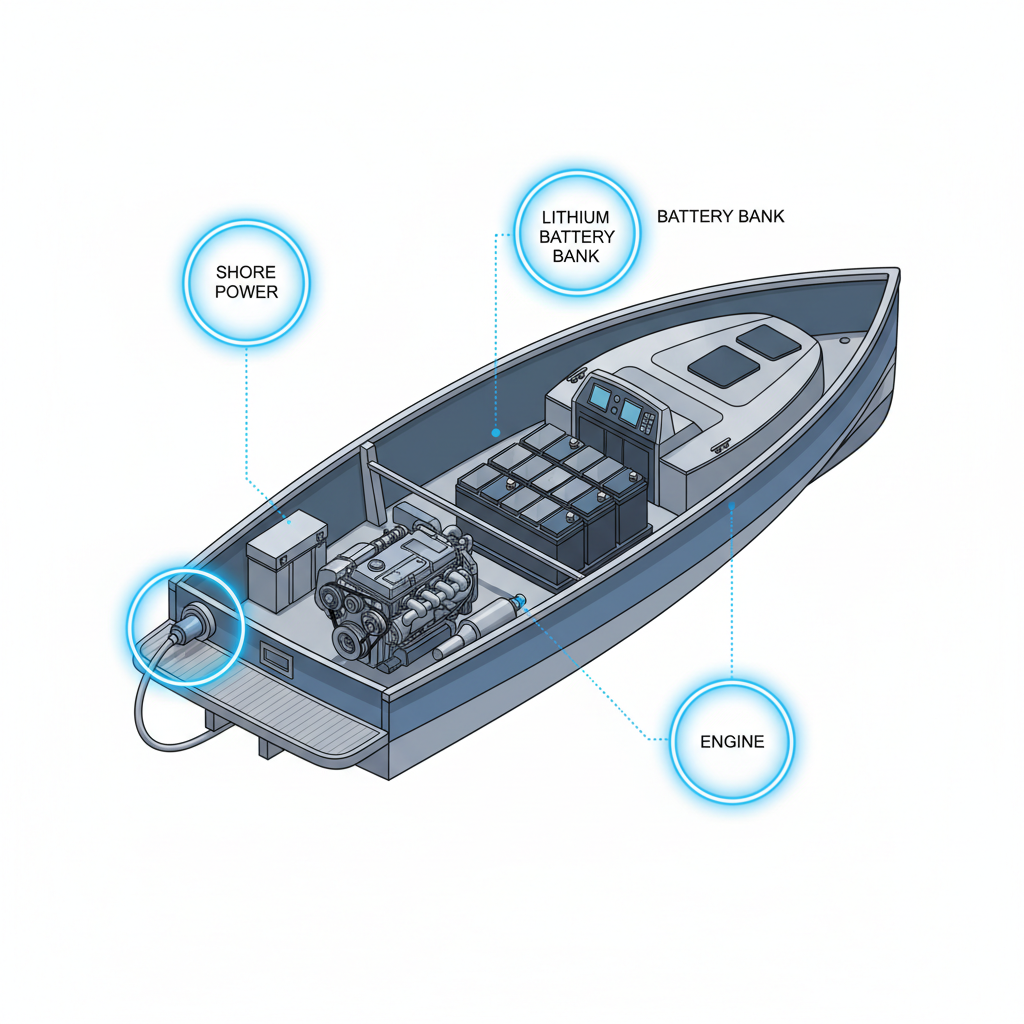
Tri-Source Propulsion Architecture
1. Shore Power
Cleanest energy source used for charging when docked.
2. Battery Storage
Acts as an energy buffer for low-power maneuvers and peak shaving.
3. Diesel Engines
Provide high power and recharge capabilities during active transit.
Operational Modes: EV & Diesel
Pure Electric (EV) Mode
Delivers zero-emission operation for maneuvers requiring less than 20 kW. System logic mandates a State of Charge (SOC) exceeding 50% for activation.
Diesel & Boost Mode
Engines run on an 'Optimal Line' matching efficiency curves. 'Boost Mode' integrates battery power to assist engines during peak loads.
Operational Time Distribution
Trial Data (Total Analysis Period: 74.7 Hours)
The vessel operated successfully in Pure Electric Mode for 71.1% showing high capability for low-speed maneuvers.
Fuel Consumption Analysis
87.47 kg
Total Fuel Saved
28.6%
Reduction Rate
Emissions Performance (CO2)
The Grid Factor
Net reduction is 27.63%. This success is heavily dependent on the French grid's low carbon intensity (28g CO2/kWh) compared to diesel (3,159g CO2/kg).
Operational Dynamic: Power vs. Energy
While the average power requirement for electric mode is significantly lower (5.7 kW vs 37.8 kW), the battery system handled 27% of the total propulsion energy, validating its utility for consistent low-load operations.
CAPEX Analysis & Infrastructure
Total Investment Range: €26,500 – €53,500
High proportion of cost lies in system architecture and integration.
Costs include specialized shore power infrastructure requirements.
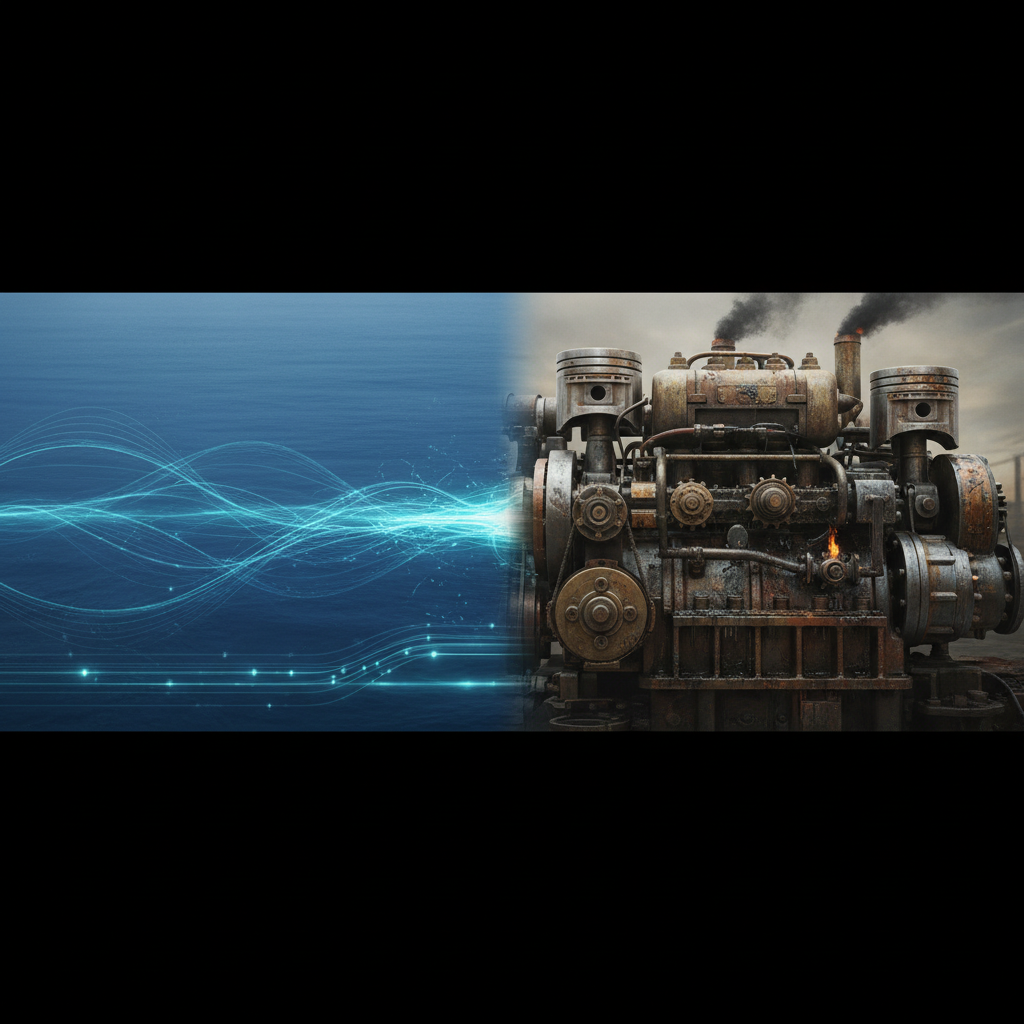
Strategic Comparison: Hybrid vs. Biodiesel
Hybrid System
CO2 Reduction: ~28%
CAPEX: High (€26k-€53k)
Requires Tech Updates
Biodiesel (B100)
CO2 Reduction: 74–90%
CAPEX: None (€0)
Drop-in Solution
Final Verdict: Rejection
Financial Barrier
High upfront CAPEX represents a significant burden for most inland waterway operators.
Operational Complexity
Creates critical dependency on shore charging infrastructure and specialized maintenance.
Despite technical validity, the solution is REJECTED in favor of Biodiesel (B100), which offers superior decarbonization without capital investment.
- maritime-engineering
- hybrid-propulsion
- decarbonization
- shipping-sustainability
- fuel-efficiency
- biodiesel