




Made byBobr AI

Dog Racing History, Welfare Controversy & Current Status

Explore the evolution of greyhound racing from 1912 to present. Learn about the mechanical lure, legislative bans, and the rise of greyhound adoption.

#greyhound-racing#dog-racing-history#animal-welfare#pari-mutuel-betting#florida-amendment-13#greyhound-adoption
Watch
Pitch

Dog Racing: An Industry Overview

History, Mechanics, and Modern Controversy

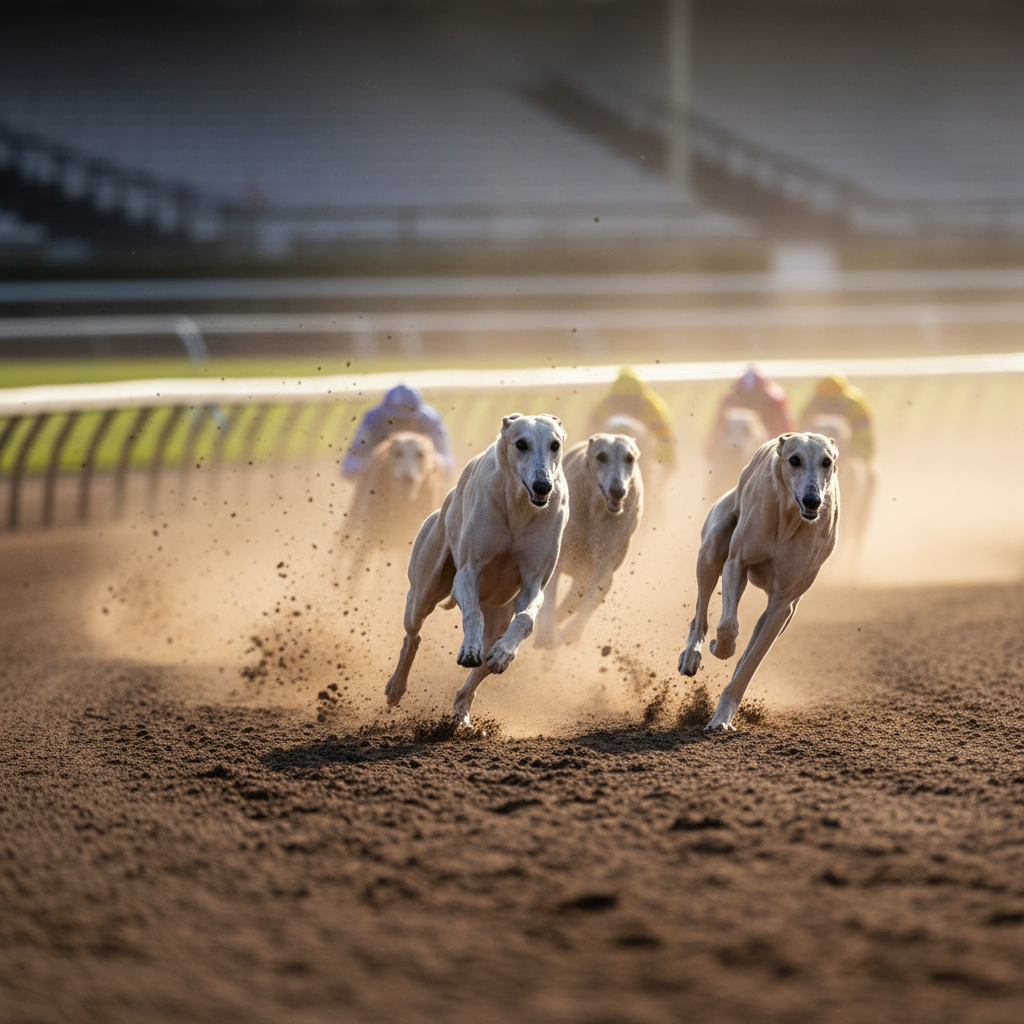
Cinematic motion blur shot of greyhounds racing on a track, dirt flying, intense speed, professional sports photography style
Made byBobr AI

What is Dog Racing?

  • A competitive sport where greyhounds race around an enclosed oval track.
  • Dogs chase a mechanical lure (often an artificial hare or rabbit) attached to a rail.
  • Historically structured around pari-mutuel betting, similar to horse racing.
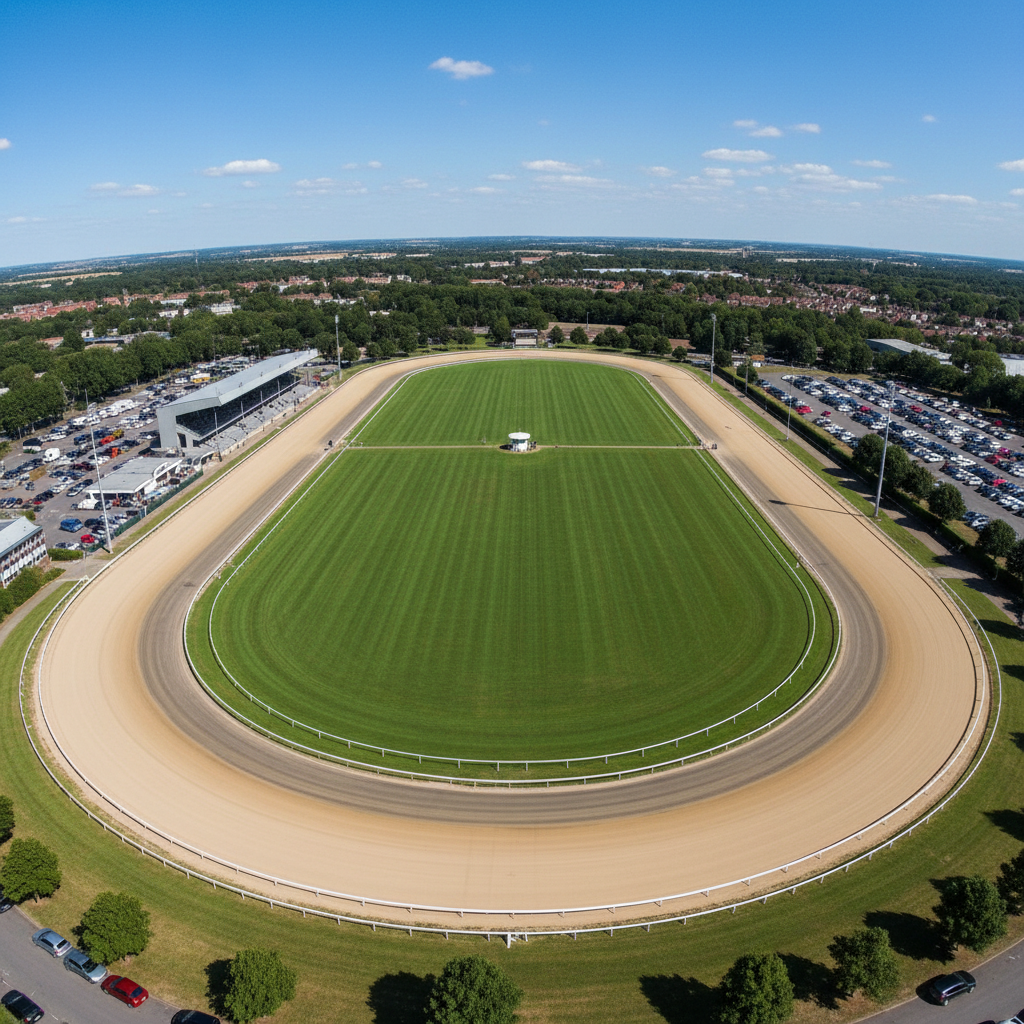
Aerial view of a standard oval greyhound racing track, green infield, sandy track surface, daylight
Made byBobr AI

Origins & Invention

Modern racing began with the invention of the 'mechanical lure' by Owen Patrick Smith around 1912. This invention aimed to replace live-game coursing with a more humane, circuit-based alternative.

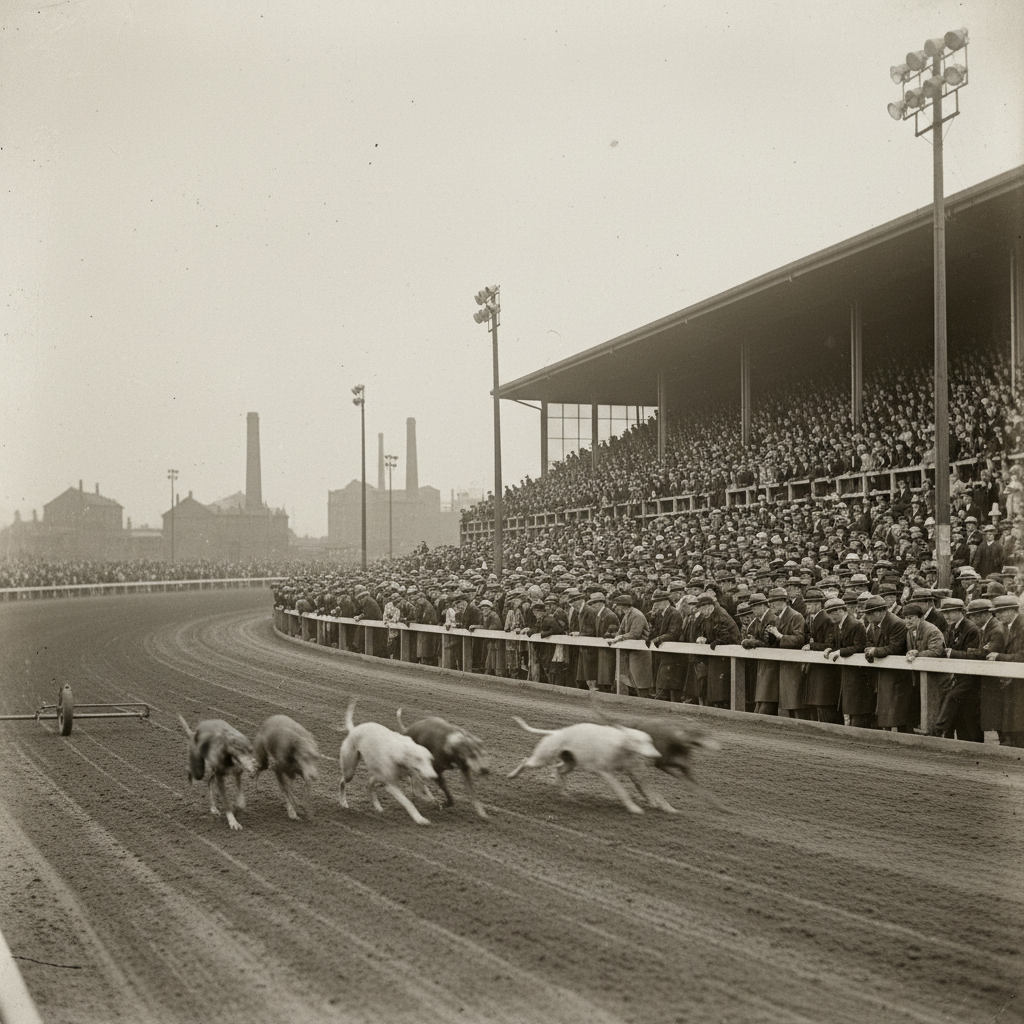
1919: The first commercial oval track opened in Emeryville, California.
black and white photo of 1920s greyhound racing track with crowds, vintage style
Made byBobr AI

The Rise to Popularity

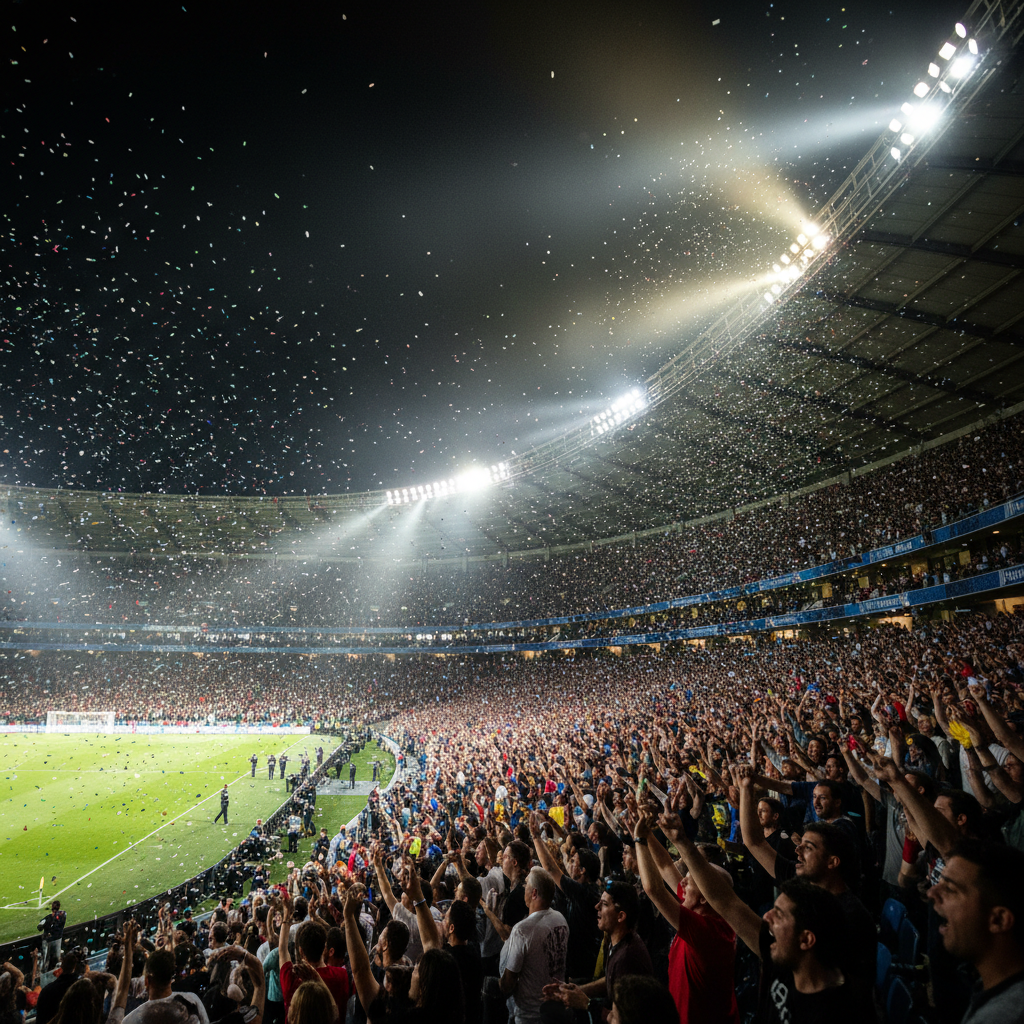
Large cheering crowd at a stadium at night under floodlights, atmospheric

1. Accessibility

Night Racing (1920s): Shift to evening schedules allowed working-class attendance.

2. Gambling

Betting Appeal: Pari-mutuel wagering drove massive crowds, especially in the US and UK.

3. Scale

Peak Era: By the mid-20th century, it ranked as the 6th most popular spectator sport in the US.

Made byBobr AI

Global Footprint

UK: United Kingdom: Historically massive popularity; heavily regulated by GBGB.

Ireland: Ireland: Strong cultural ties; state-regulated industry (Rásaíocht Con Éireann).

Australia: Australia: Significant gambling turnover; remains one of the major racing codes.

Minimalist world map highlighting UK, Ireland, Australia and USA in contrasting color
Made byBobr AI

Decline of US Tracks (Approximate)

From a peak of over 60 tracks in the 1930s, active commercial dog racing tracks in the US have dropped to single digits following 2020 legislation.

Chart
Made byBobr AI

The Welfare Controversy

Primary Concerns

Critics cite high fracture rates, kennel confinement, and ethical concerns regarding the culling of non-competitive dogs.

Industry Defense

Industry bodies emphasize modern track safety upgrades, strict veterinary oversight, and mandatory retirement/adoption programs.

Split composition: left side veterinary stethoscope, right side racing track surface
Made byBobr AI

Legislative Turning Point: Florida Amendment 13

In 2018, Florida voters approved Amendment 13, mandating the phase-out of commercial dog racing by the end of 2020. As Florida was historically the hub of the US industry, this signaled a major shift in the sport's viability in America.

Legal gavel on a wooden table, sharp focus, professional
Made byBobr AI

Life After the Track

As tracks close, greyhound adoption has become a major movement. Despite their speed, greyhounds are often called '45mph couch potatoes' due to their calm, lazy temperament at home.

Greyhound dog sleeping on a comfortable living room sofa, cozy atmosphere
Made byBobr AI
Abstract greyhound silhouette running, artistic, minimal

Summary

  • Originated in 1912 with the mechanical lure; peaked mid-20th century.
  • Significant economic and cultural footprint in US, UK, Ireland, and Australia.
  • Modern era defined by animal welfare scrutiny and legislative bans, leading to a sharp industry decline.
Made byBobr AI
Bobr AI

DESIGNER-MADE
PRESENTATION,
GENERATED FROM
YOUR PROMPT

Create your own professional slide deck with real images, data charts, and unique design in under a minute.

Generate For Free

Dog Racing History, Welfare Controversy & Current Status

Explore the evolution of greyhound racing from 1912 to present. Learn about the mechanical lure, legislative bans, and the rise of greyhound adoption.

Dog Racing: An Industry Overview

History, Mechanics, and Modern Controversy

What is Dog Racing?

A competitive sport where greyhounds race around an enclosed oval track.

Dogs chase a mechanical lure (often an artificial hare or rabbit) attached to a rail.

Historically structured around pari-mutuel betting, similar to horse racing.

Origins & Invention

Modern racing began with the invention of the 'mechanical lure' by Owen Patrick Smith around 1912. This invention aimed to replace live-game coursing with a more humane, circuit-based alternative.

1919: The first commercial oval track opened in Emeryville, California.

The Rise to Popularity

Night Racing (1920s): Shift to evening schedules allowed working-class attendance.

Betting Appeal: Pari-mutuel wagering drove massive crowds, especially in the US and UK.

Peak Era: By the mid-20th century, it ranked as the 6th most popular spectator sport in the US.

Global Footprint

United Kingdom: Historically massive popularity; heavily regulated by GBGB.

Ireland: Strong cultural ties; state-regulated industry (Rásaíocht Con Éireann).

Australia: Significant gambling turnover; remains one of the major racing codes.

Decline of US Tracks (Approximate)

From a peak of over 60 tracks in the 1930s, active commercial dog racing tracks in the US have dropped to single digits following 2020 legislation.

The Welfare Controversy

Critics cite high fracture rates, kennel confinement, and ethical concerns regarding the culling of non-competitive dogs.

Industry bodies emphasize modern track safety upgrades, strict veterinary oversight, and mandatory retirement/adoption programs.

Legislative Turning Point: Florida Amendment 13

In 2018, Florida voters approved Amendment 13, mandating the phase-out of commercial dog racing by the end of 2020. As Florida was historically the hub of the US industry, this signaled a major shift in the sport's viability in America.

Life After the Track

As tracks close, greyhound adoption has become a major movement. Despite their speed, greyhounds are often called '45mph couch potatoes' due to their calm, lazy temperament at home.

Summary

Originated in 1912 with the mechanical lure; peaked mid-20th century.

Significant economic and cultural footprint in US, UK, Ireland, and Australia.

Modern era defined by animal welfare scrutiny and legislative bans, leading to a sharp industry decline.

  • greyhound-racing
  • dog-racing-history
  • animal-welfare
  • pari-mutuel-betting
  • florida-amendment-13
  • greyhound-adoption