


Made byBobr AI

The Lymphatic System: Anatomy, Physiology, and Immunity

Explore the lymphatic system’s role in fluid balance, immunity, and lipid transport. Covers major organs like the thymus, spleen, and lymph nodes.

#anatomy#physiology#lymphatic-system#immunity#biology-education#medical-science#lymph-nodes
Watch
Pitch

The Lymphatic System

Anatomy, Physiology, and Immunity

Made byBobr AI

Learning Objectives

  • Identify major lymphatic organs and vessels.
  • Understand the mechanism of lymph formation and flow.
  • Explain the role of the system in immunity and lipid transport.
Made byBobr AI

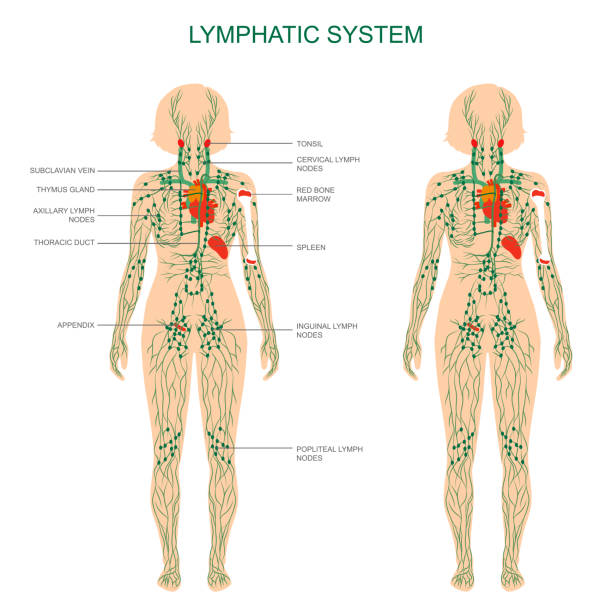
What is the Lymphatic System?

A network of vessels, tissues, and organs that facilitates fluid return to the blood, immune defense, and lipid absorption.

Made byBobr AI

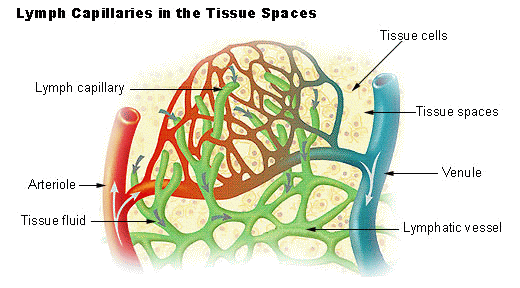
Daily Fluid Balance

Of the 20L of fluid filtered from blood capillaries daily, the lymphatic system returns the 3L that is not strictly reabsorbed by veins.

Chart
Made byBobr AI

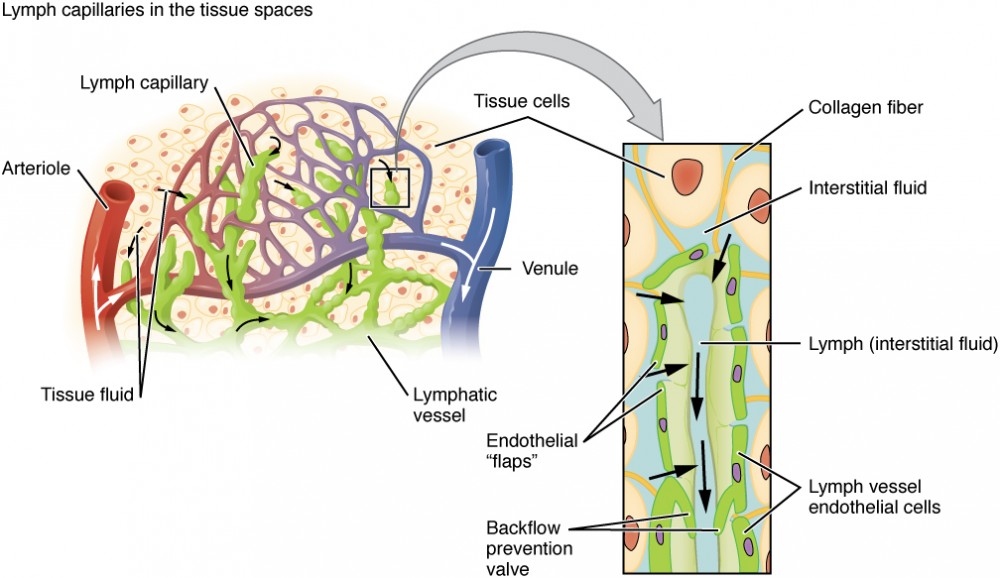
Lymphatic Capillaries

These blind-ended tubes are located in spaces between cells. They are more permeable than blood capillaries, allowing proteins and cell debris to enter. Key Feature: Endothelial cells overlap to form minivalves.
Made byBobr AI

Mechanism of Entry: Anchoring Filaments

1. Interstitial fluid pressure rises. 2. Anchoring filaments pull endothelial flaps open. 3. Fluid enters the capillary (now called 'Lymph'). 4. Internal pressure closes the flaps, preventing backflow.
Made byBobr AI

Lymphatic Trunks

• Lumbar Trunks (Lower limbs, pelvis) • Intestinal Trunk (Gastrointestinal organs) • Bronchomediastinal Trunks (Thorax) • Subclavian Trunks (Upper limbs) • Jugular Trunks (Head and neck)
Made byBobr AI

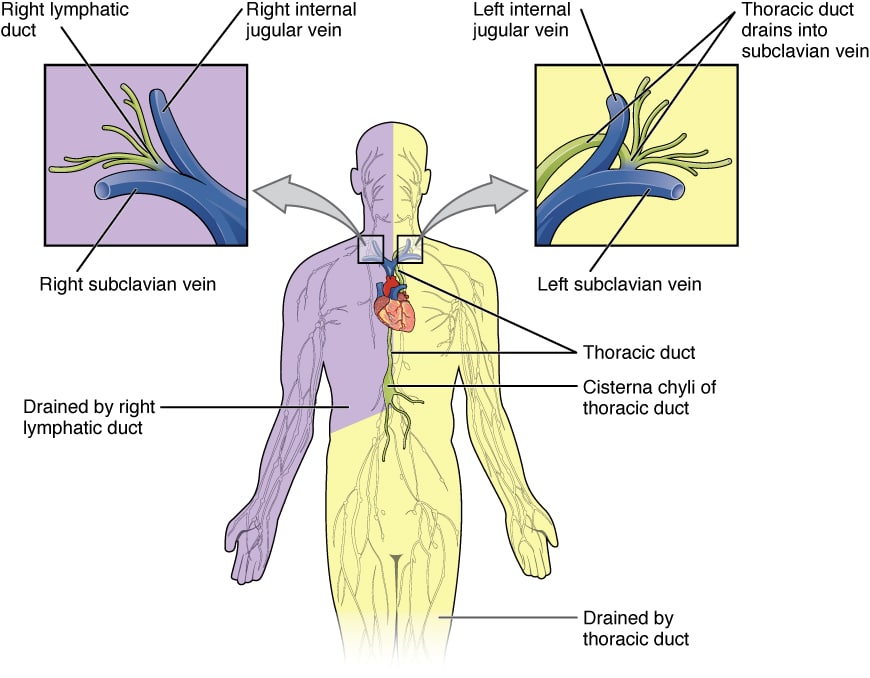
The Two Collecting Ducts

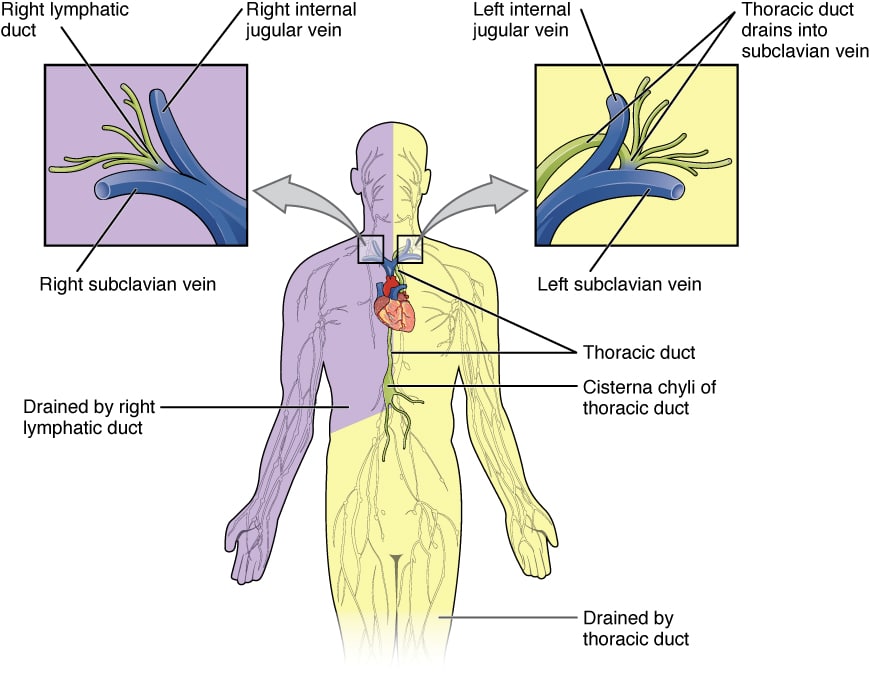
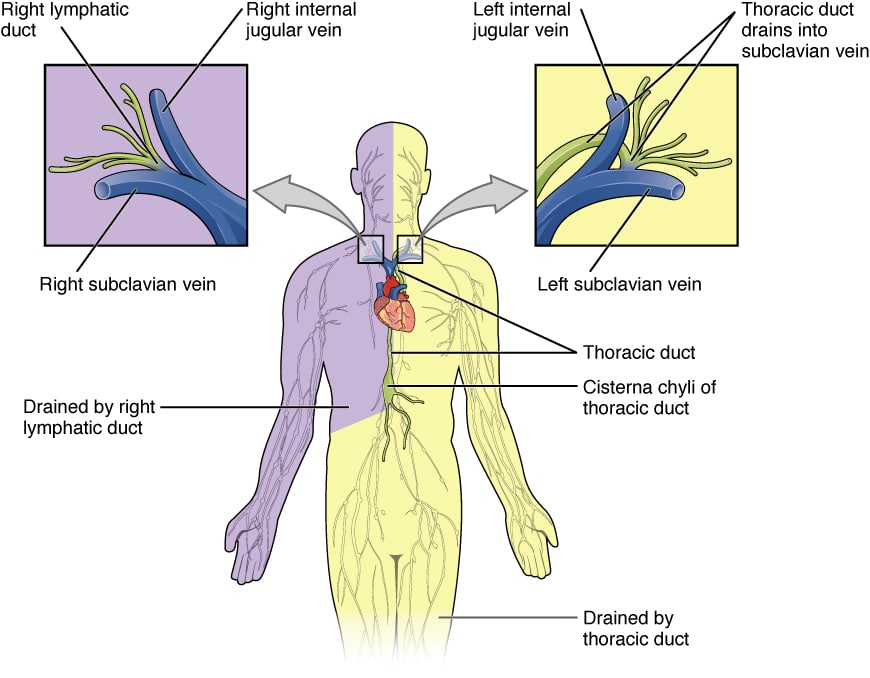
Visualizing the asymmetry of drainage: Right Lymphatic Duct vs. Thoracic Duct

Made byBobr AI

Right Lymphatic Duct

Drains lymph from the right upper quadrant ONLY: - Right side of the head and neck - Right upper limb - Right side of the thorax
Made byBobr AI

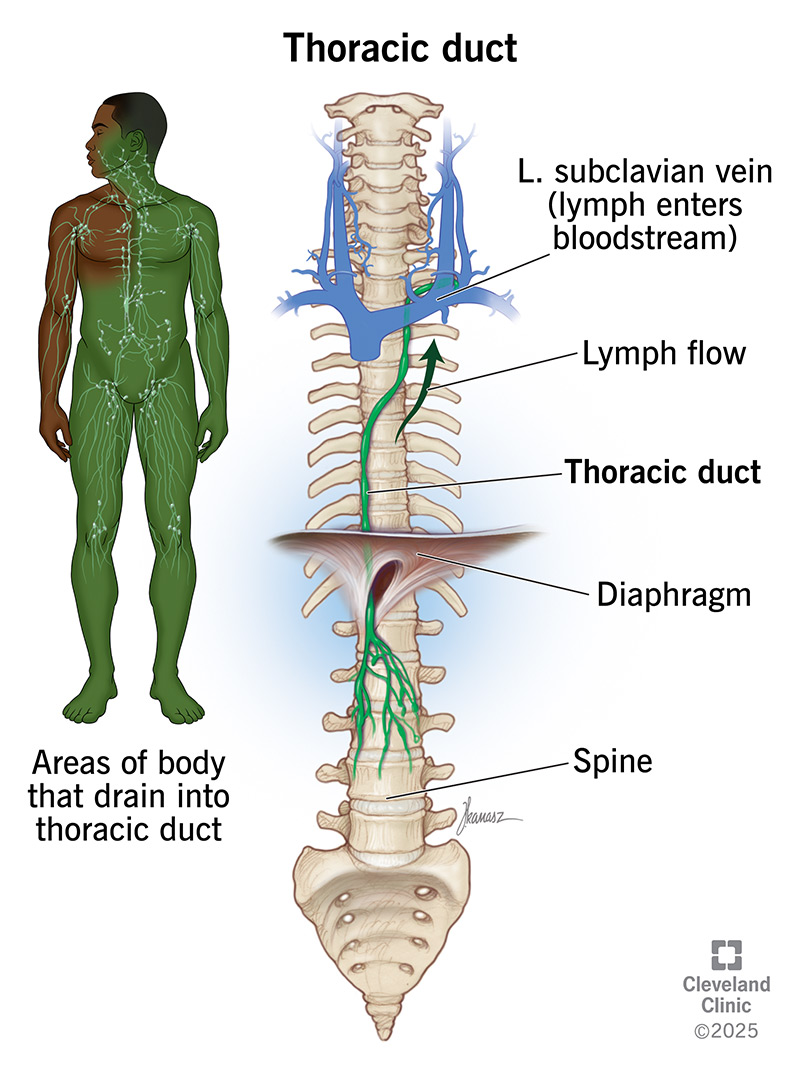
Thoracic Duct

Drains the REST of the body (approx. 75% of lymph). - Begins at the Cisterna Chyli (L1-L2 vertebra). - Ascends along the vertebral bodies. - Empties into the junction of the left internal jugular and left subclavian veins.
Made byBobr AI

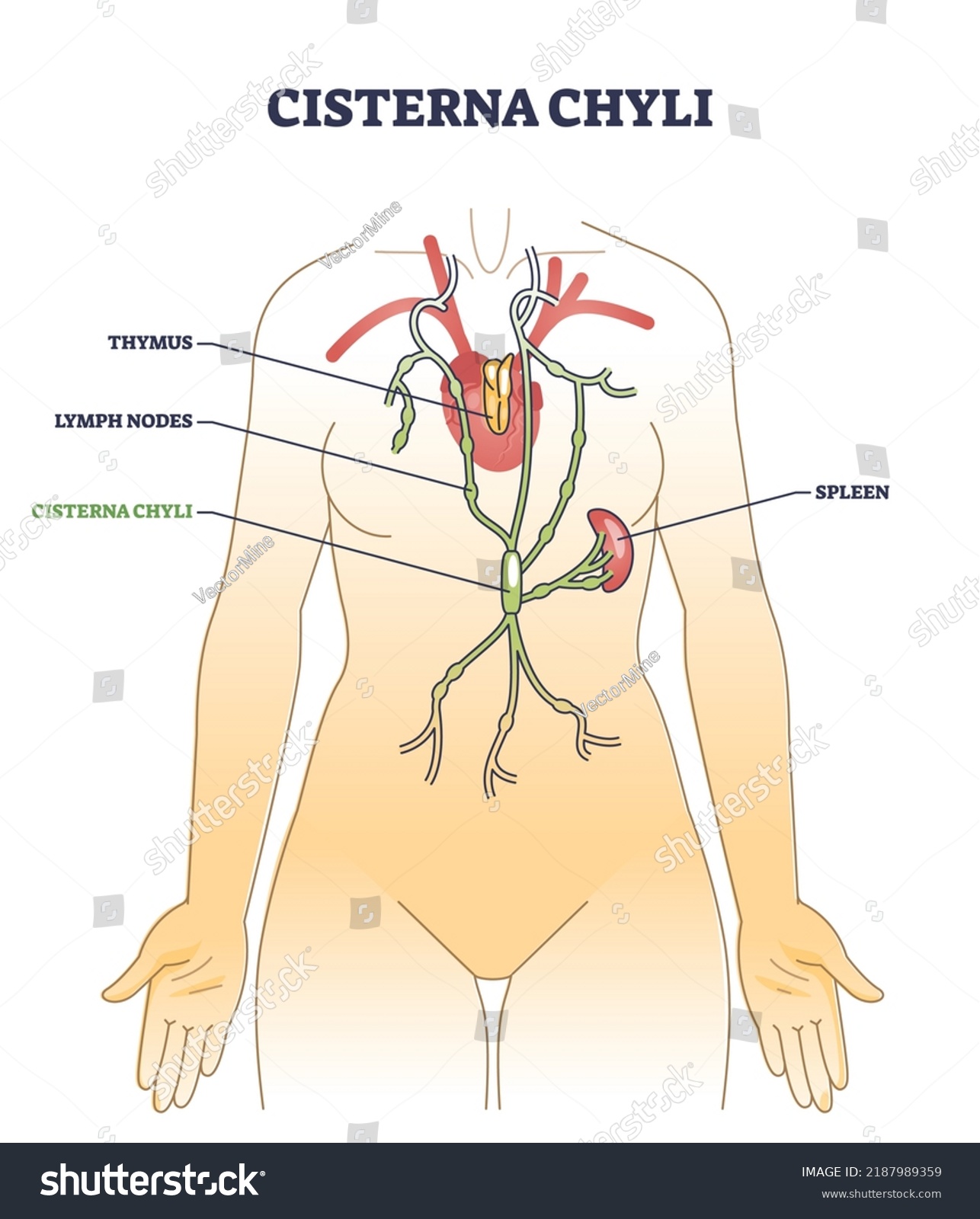
Cisterna Chyli

An enlarged sac at the base of the thoracic duct. It collects lymph from the two lumbar trunks (lower limbs) and the intestinal trunk (fat-rich chyle).

Made byBobr AI

Factors Promoting Lymph Flow

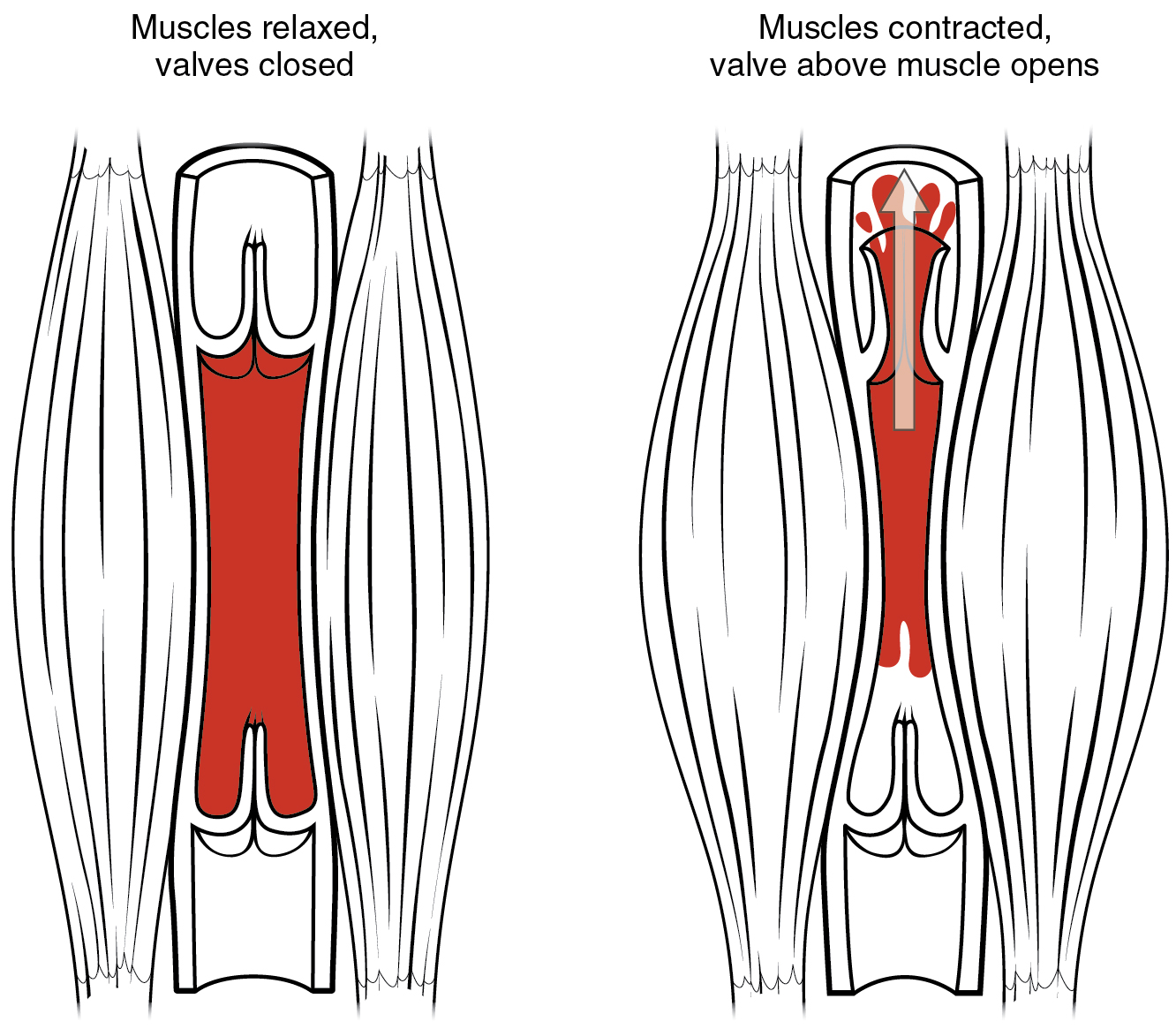
Since the lymphatic system lacks a heart pump, it relies on: 1. Skeletal Muscle Pump: Muscles 'milk' the vessels. 2. Respiratory Pump: Pressure changes during breathing. 3. Valves: Prevent backflow. 4. Pulsation of adjacent arteries.
Made byBobr AI

Lymphoid Organs Overview

Primary

PRIMARY (Development)
- Bone Marrow
- Thymus

Secondary

SECONDARY (Activation)
- Lymph Nodes
- Spleen
- MALT (Tonsils, Peyer's Patches)
Made byBobr AI

Red Bone Marrow

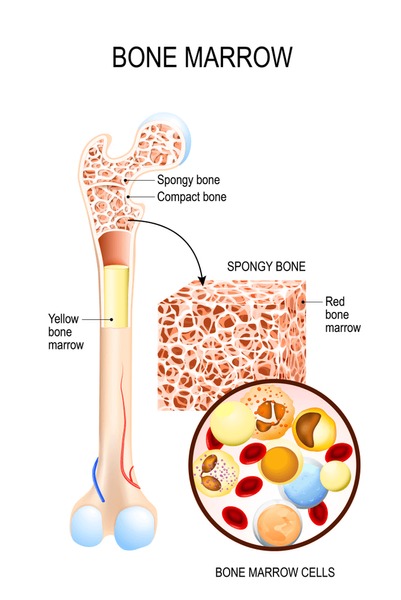
Site of Hematopoiesis (blood cell formation). Key Function: - Origin of ALL lymphocytes. - Site where B Cells mature (B for Bone).

Made byBobr AI

The Thymus Gland

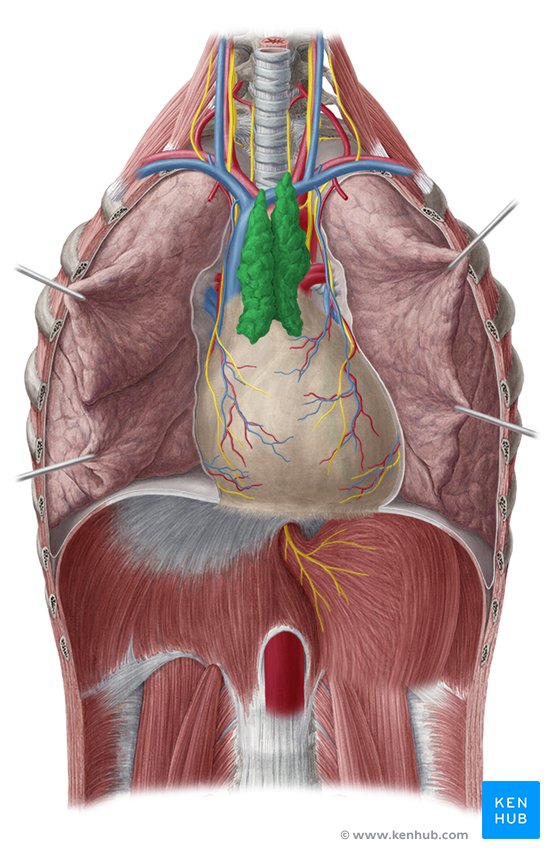
  • Located in the mediastinum, above the heart.
  • Site where T Cells mature and learn to distinguish 'self' from 'non-self'.
  • Large in infants, it atrophies (shrinks) significantly in adults.
Made byBobr AI

Lymph Nodes: The Filters

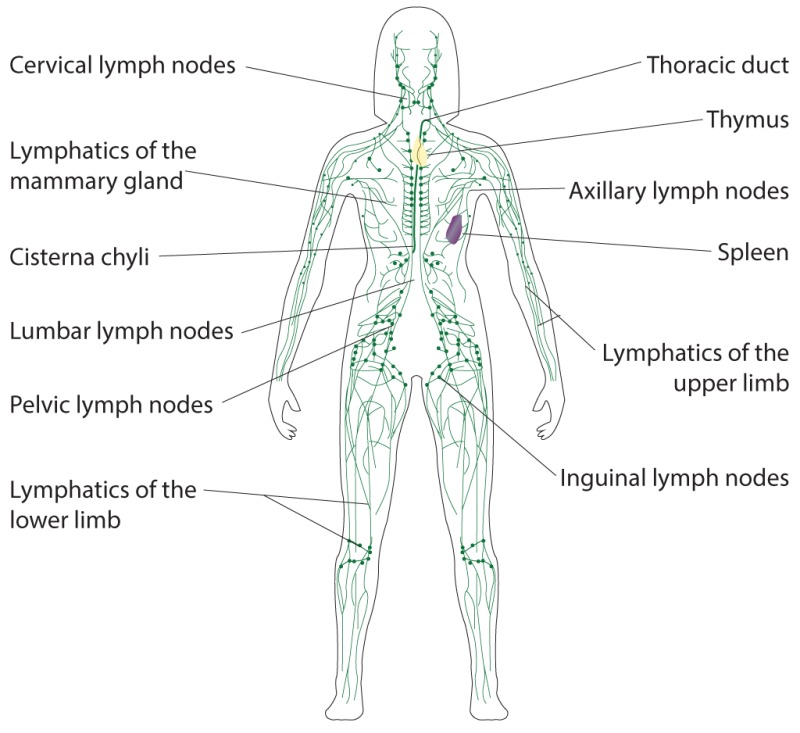
Cluster Areas: - Cervical (Neck) - Axillary (Armpit) - Inguinal (Groin)
Made byBobr AI

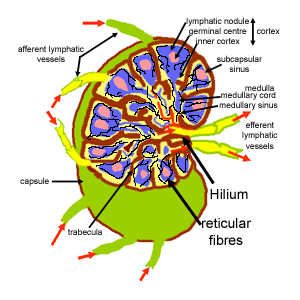
Lymph Node Anatomy

• Afferent Vessels (Many in) • Efferent Vessels (Few out - slows flow) • Cortex (B Cells) • Paracortex (T Cells) • Medulla
Made byBobr AI

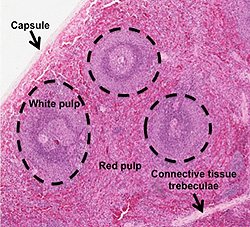
The Spleen

Largest lymphoid organ. Located in left upper quadrant. - White Pulp: Immune function (lymphocytes on reticular fibers). - Red Pulp: Filters old RBCs and platelets; stores iron.
Made byBobr AI

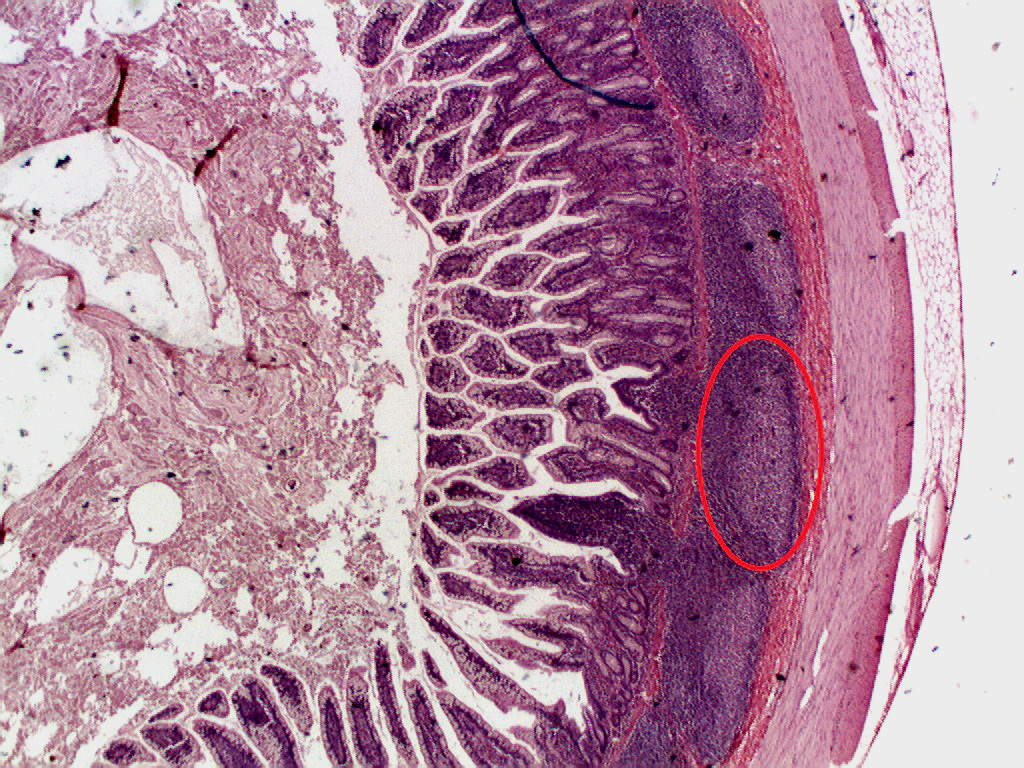
MALT: Mucosa-Associated Lymphoid Tissue

Lymphoid tissues located in mucous membranes to protect open passages. Examples: 1. Tonsils (Pharynx) 2. Peyer's Patches (Small Intestine) 3. Appendix
Made byBobr AI

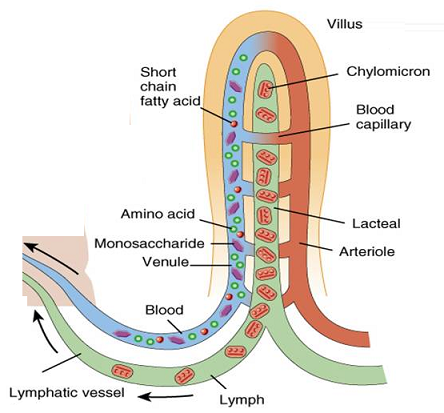
Physiology: Lipid Absorption

Most nutrients enter blood capillaries directly. However, large fats (lipids) cannot. Lacteals: Specialized lymphatic capillaries in intestinal villi absorb fats.

Made byBobr AI

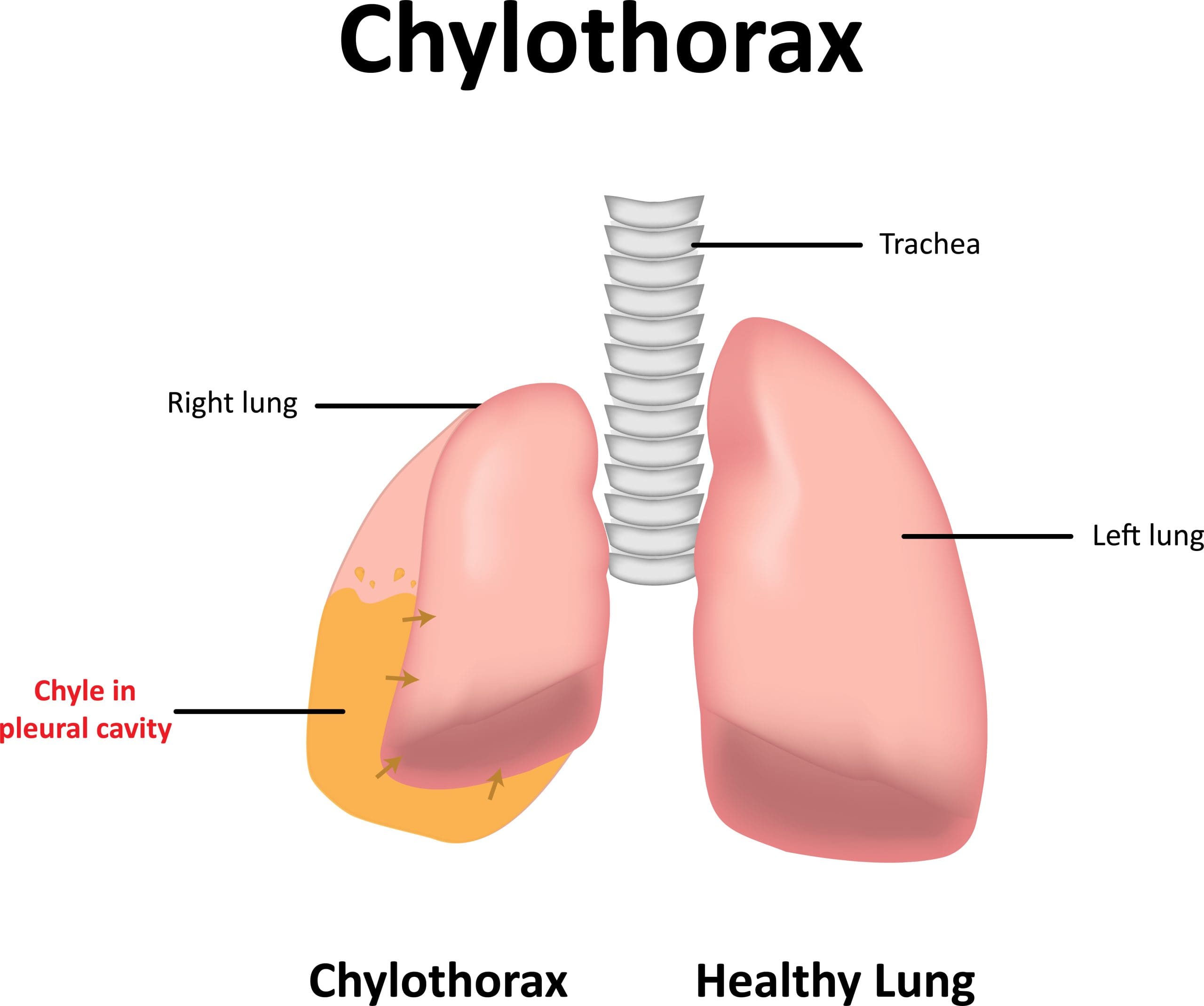
What is Chyle?

Chyle is lymph that is milky white because it is rich in lipids (chylomicrons). Pathway: Lacteals -> Intestinal Trunk -> Cisterna Chyli -> Thoracic Duct -> Blood Stream.

Made byBobr AI

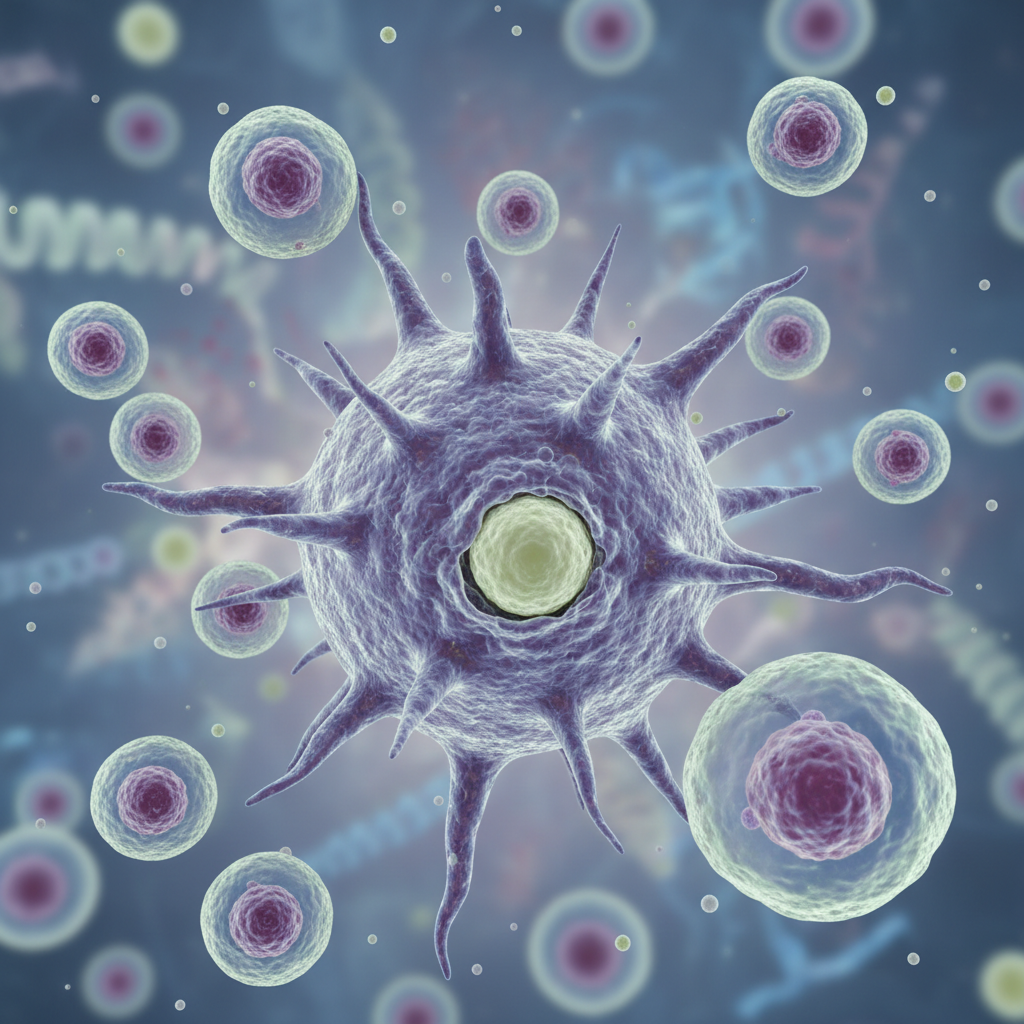
Immune Cells

- T Lymphocytes: Manage immune response, attack infected cells. - B Lymphocytes: Produce plasma cells which secrete antibodies. - Macrophages: Phagocytose (cell-eat) foreign substances.
Made byBobr AI

Lymphocyte Distribution

T-Cells are the most abundant lymphocytes circulating in the blood.

Chart
Made byBobr AI

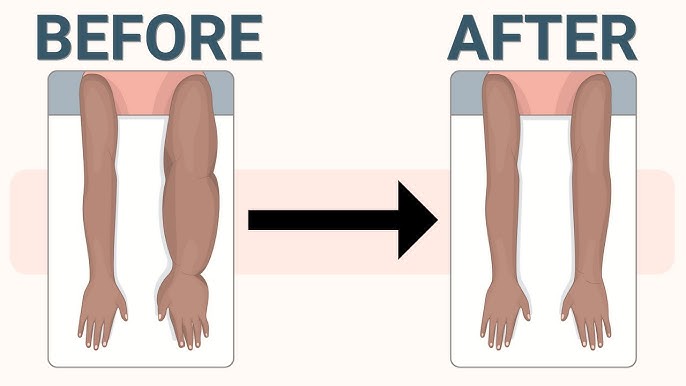
Clinical Insight: Lymphedema

Severe localized edema causing swelling. Causes: - Tumor blockage - Surgical removal of lymph nodes (e.g., in breast cancer) - Parasitic infection (Filariasis)
Made byBobr AI

Elephantiasis (Wuchereria bancrofti)

A tropical parasitic disease transmitted by mosquitoes. The filarial worms block lymphatic vessels, causing extreme hypertrophy of the skin and subcutaneous tissues.

Made byBobr AI

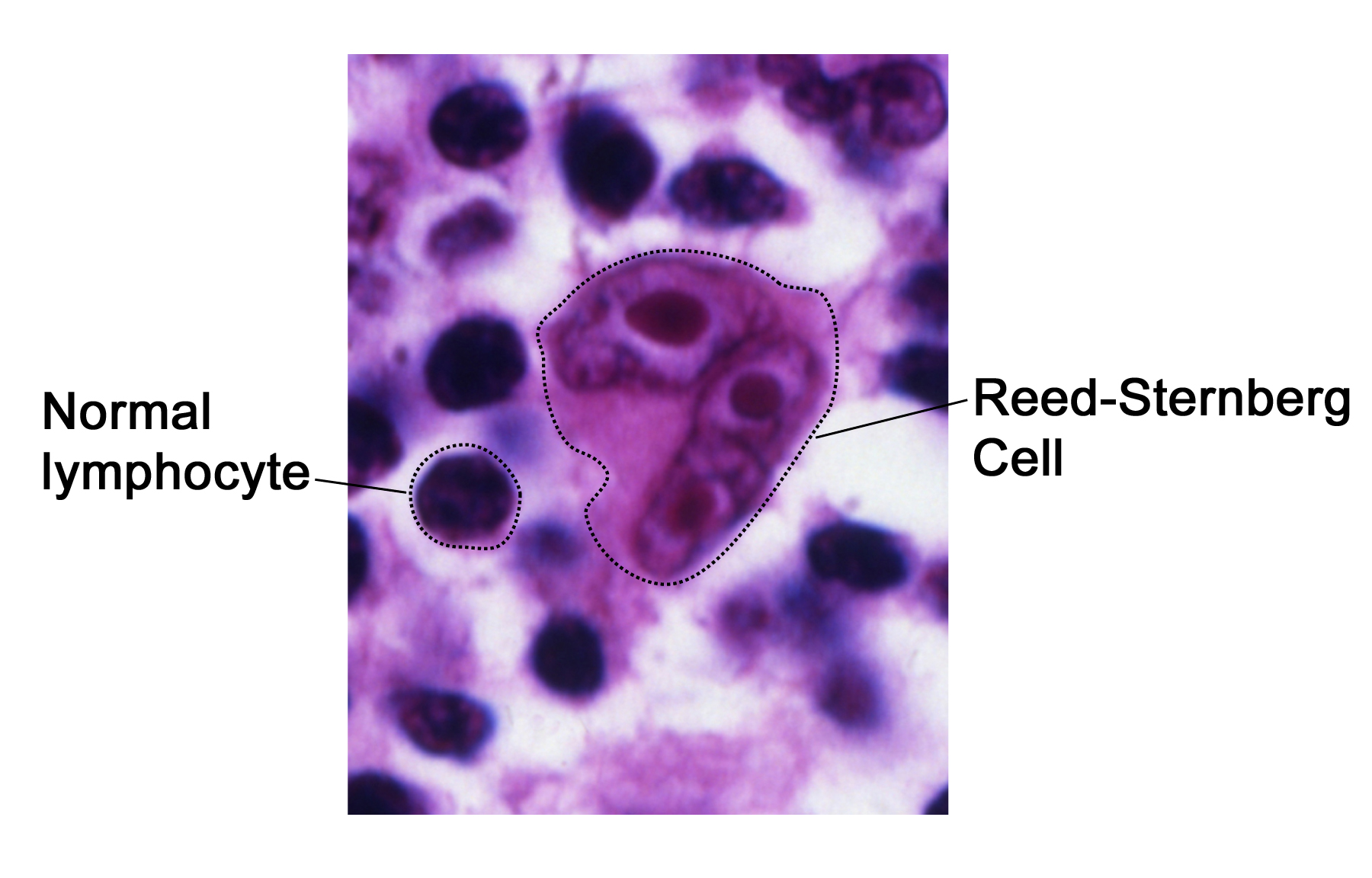
Clinical Insight: Lymphoma

Cancer of the lymph nodes. 1. Hodgkin's Lymphoma: Giant 'Reed-Sternberg' cells present. Often curable. 2. Non-Hodgkin's Lymphoma: More common, involves uncontrolled multiplication of lymphocytes.
Made byBobr AI

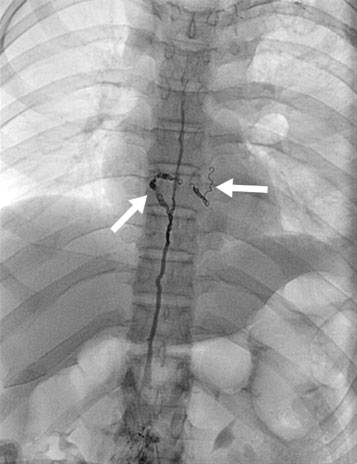
Diagnostic Imaging

Lymphangiography: An X-ray examination of the lymphatic vessels and nodes after injection of a contrast medium (dye). Useful for staging lymphomas.

Made byBobr AI

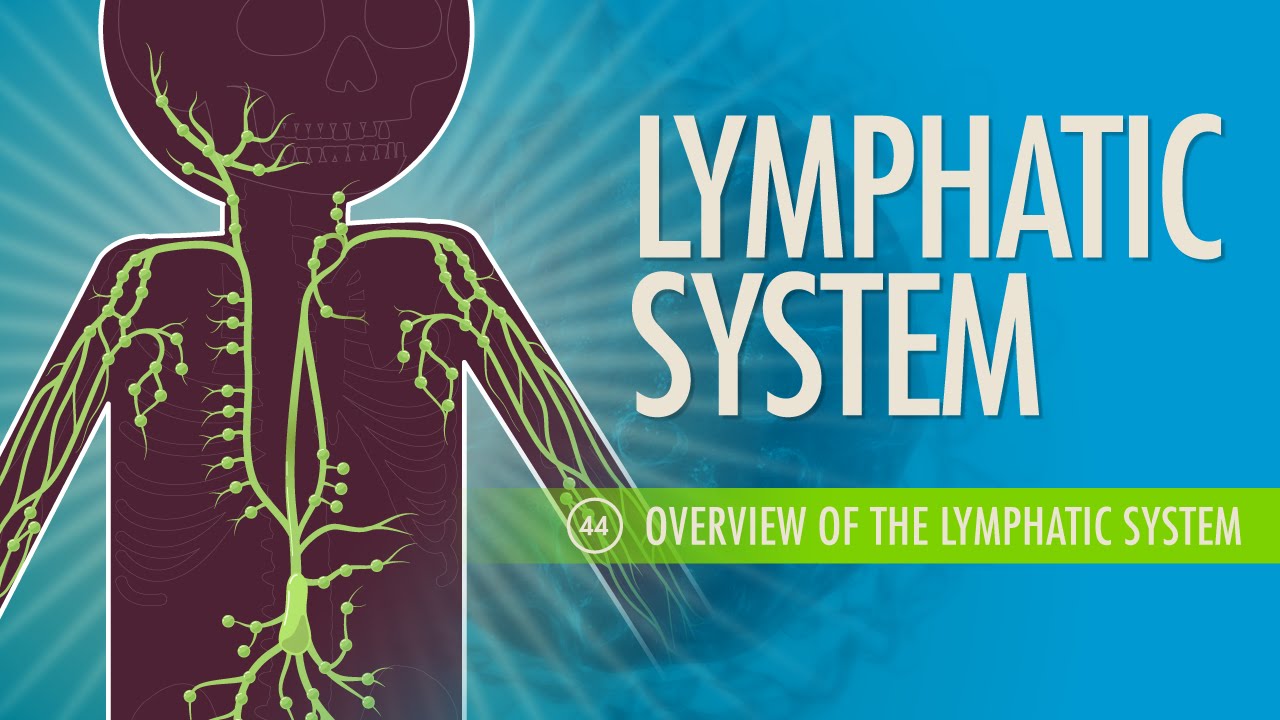
Video Overview

Recommended Viewing: Crash Course A&P: The Lymphatic System

https://www.youtube.com/watch?v=I7orwMgTQ5I

Made byBobr AI

Summary

1. Fluid Return: Returns leaked 3L of plasma to blood. 2. Immunity: Nodes filter lymph; Spleen filters blood. 3. Lipid Absorption: Lacteals absorb dietary fats. 4. One-Way Flow: Capillaries -> Trunks -> Ducts -> Veins.
Made byBobr AI

References & Further Study

• NIH (National Institutes of Health) • OpenStax Anatomy & Physiology • Kenhub: Lymphatic System Anatomy • Crash Course A&P (YouTube)
Made byBobr AI
Bobr AI

DESIGNER-MADE
PRESENTATION,
GENERATED FROM
YOUR PROMPT

Create your own professional slide deck with real images, data charts, and unique design in under a minute.

Generate For Free

The Lymphatic System: Anatomy, Physiology, and Immunity

Explore the lymphatic system’s role in fluid balance, immunity, and lipid transport. Covers major organs like the thymus, spleen, and lymph nodes.

The Lymphatic System

Anatomy, Physiology, and Immunity

Learning Objectives

Identify major lymphatic organs and vessels.

Understand the mechanism of lymph formation and flow.

Explain the role of the system in immunity and lipid transport.

What is the Lymphatic System?

A network of vessels, tissues, and organs that facilitates fluid return to the blood, immune defense, and lipid absorption.

Daily Fluid Balance

Of the 20L of fluid filtered from blood capillaries daily, the lymphatic system returns the 3L that is not strictly reabsorbed by veins.

Lymphatic Capillaries

These blind-ended tubes are located in spaces between cells. They are more permeable than blood capillaries, allowing proteins and cell debris to enter. Key Feature: Endothelial cells overlap to form minivalves.

Mechanism of Entry: Anchoring Filaments

1. Interstitial fluid pressure rises. 2. Anchoring filaments pull endothelial flaps open. 3. Fluid enters the capillary (now called 'Lymph'). 4. Internal pressure closes the flaps, preventing backflow.

Lymphatic Trunks

• Lumbar Trunks (Lower limbs, pelvis) • Intestinal Trunk (Gastrointestinal organs) • Bronchomediastinal Trunks (Thorax) • Subclavian Trunks (Upper limbs) • Jugular Trunks (Head and neck)

The Two Collecting Ducts

Right Lymphatic Duct

Drains lymph from the right upper quadrant ONLY: - Right side of the head and neck - Right upper limb - Right side of the thorax

Thoracic Duct

Drains the REST of the body (approx. 75% of lymph). - Begins at the Cisterna Chyli (L1-L2 vertebra). - Ascends along the vertebral bodies. - Empties into the junction of the left internal jugular and left subclavian veins.

Cisterna Chyli

An enlarged sac at the base of the thoracic duct. It collects lymph from the two lumbar trunks (lower limbs) and the intestinal trunk (fat-rich chyle).

Factors Promoting Lymph Flow

Since the lymphatic system lacks a heart pump, it relies on: 1. Skeletal Muscle Pump: Muscles 'milk' the vessels. 2. Respiratory Pump: Pressure changes during breathing. 3. Valves: Prevent backflow. 4. Pulsation of adjacent arteries.

Lymphoid Organs Overview

PRIMARY (Development) - Bone Marrow - Thymus

SECONDARY (Activation) - Lymph Nodes - Spleen - MALT (Tonsils, Peyer's Patches)

Red Bone Marrow

Site of Hematopoiesis (blood cell formation). Key Function: - Origin of ALL lymphocytes. - Site where B Cells mature (B for Bone).

The Thymus Gland

Located in the mediastinum, above the heart.

Site where T Cells mature and learn to distinguish 'self' from 'non-self'.

Large in infants, it atrophies (shrinks) significantly in adults.

Lymph Nodes: The Filters

Cluster Areas: - Cervical (Neck) - Axillary (Armpit) - Inguinal (Groin)

Lymph Node Anatomy

• Afferent Vessels (Many in) • Efferent Vessels (Few out - slows flow) • Cortex (B Cells) • Paracortex (T Cells) • Medulla

The Spleen

Largest lymphoid organ. Located in left upper quadrant. - White Pulp: Immune function (lymphocytes on reticular fibers). - Red Pulp: Filters old RBCs and platelets; stores iron.

MALT: Mucosa-Associated Lymphoid Tissue

Lymphoid tissues located in mucous membranes to protect open passages. Examples: 1. Tonsils (Pharynx) 2. Peyer's Patches (Small Intestine) 3. Appendix

Physiology: Lipid Absorption

Most nutrients enter blood capillaries directly. However, large fats (lipids) cannot. Lacteals: Specialized lymphatic capillaries in intestinal villi absorb fats.

What is Chyle?

Chyle is lymph that is milky white because it is rich in lipids (chylomicrons). Pathway: Lacteals -> Intestinal Trunk -> Cisterna Chyli -> Thoracic Duct -> Blood Stream.

Immune Cells

- T Lymphocytes: Manage immune response, attack infected cells. - B Lymphocytes: Produce plasma cells which secrete antibodies. - Macrophages: Phagocytose (cell-eat) foreign substances.

Lymphocyte Distribution

T-Cells are the most abundant lymphocytes circulating in the blood.

Clinical Insight: Lymphedema

Severe localized edema causing swelling. Causes: - Tumor blockage - Surgical removal of lymph nodes (e.g., in breast cancer) - Parasitic infection (Filariasis)

Elephantiasis (Wuchereria bancrofti)

A tropical parasitic disease transmitted by mosquitoes. The filarial worms block lymphatic vessels, causing extreme hypertrophy of the skin and subcutaneous tissues.

Clinical Insight: Lymphoma

Cancer of the lymph nodes. 1. Hodgkin's Lymphoma: Giant 'Reed-Sternberg' cells present. Often curable. 2. Non-Hodgkin's Lymphoma: More common, involves uncontrolled multiplication of lymphocytes.

Diagnostic Imaging

Lymphangiography: An X-ray examination of the lymphatic vessels and nodes after injection of a contrast medium (dye). Useful for staging lymphomas.

Video Overview

Recommended Viewing: Crash Course A&P: The Lymphatic System

https://www.youtube.com/watch?v=I7orwMgTQ5I

Summary

1. Fluid Return: Returns leaked 3L of plasma to blood. 2. Immunity: Nodes filter lymph; Spleen filters blood. 3. Lipid Absorption: Lacteals absorb dietary fats. 4. One-Way Flow: Capillaries -> Trunks -> Ducts -> Veins.

References & Further Study

• NIH (National Institutes of Health) • OpenStax Anatomy & Physiology • Kenhub: Lymphatic System Anatomy • Crash Course A&P (YouTube)

  • anatomy
  • physiology
  • lymphatic-system
  • immunity
  • biology-education
  • medical-science
  • lymph-nodes