






AI & Student Honesty: Balancing Help and Academic Integrity
Explore the ethical use of AI in education. Learn how students can use AI tools like ChatGPT as tutors while avoiding plagiarism and stunted learning.
AI & Student Honesty: Tool or Trap?
Finding the balance between digital help and academic dishonesty.
Presented by FATMA
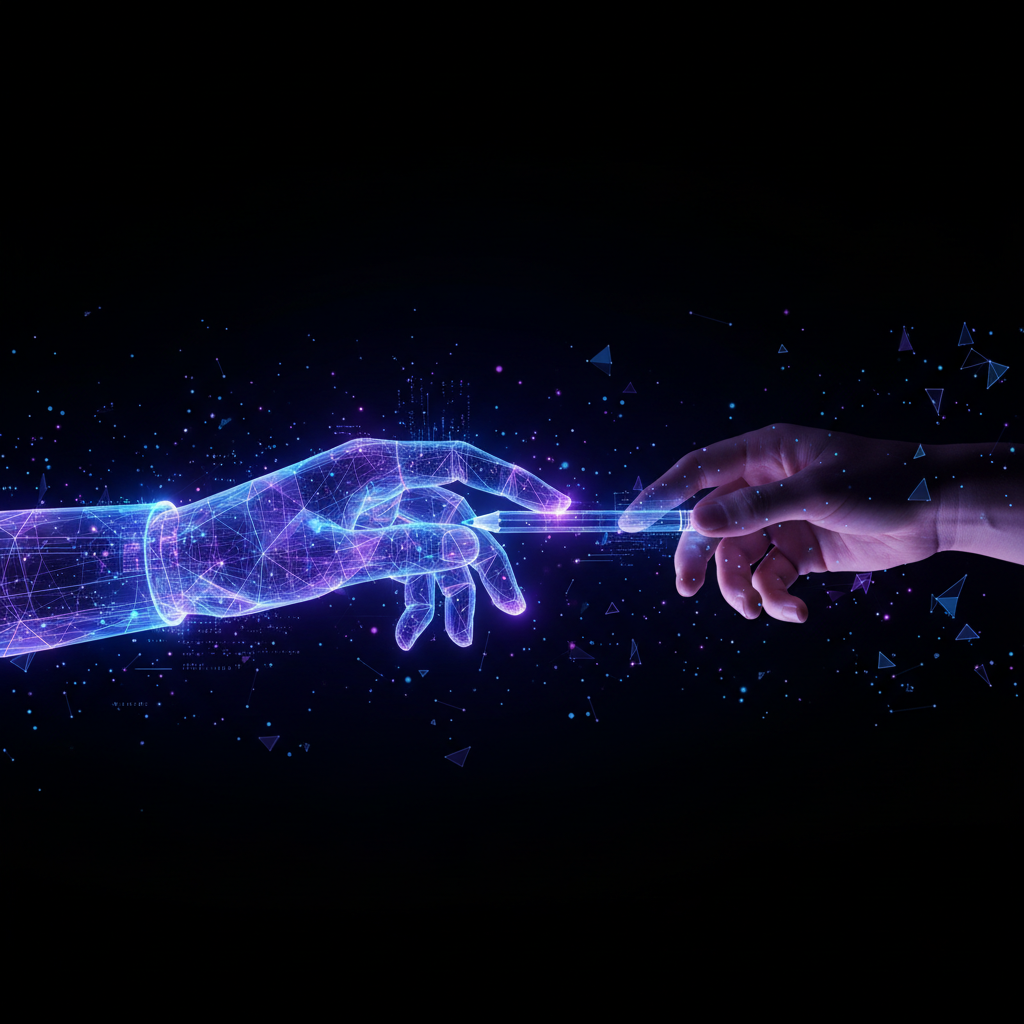
The New Classmate: Artificial Intelligence
AI tools like ChatGPT are changing how we do schoolwork. They can write essays in seconds, solve math problems, and fix grammar. This forces us to ask a tough question: Is getting help from a bot the same as asking a teacher, or is it just a shortcut?
Where do we draw the line between assistance and cheating?
The Risk: When Does Help Become Cheating?
Loss of Voice: If AI writes the essay, the student isn't sharing their own unique thoughts or personality.
Stunted Learning: Relying on AI to do the heavy lifting means critical thinking muscles get weak.
Plagiarism Concerns: Submitting AI work as your own is a form of lying about authorship.
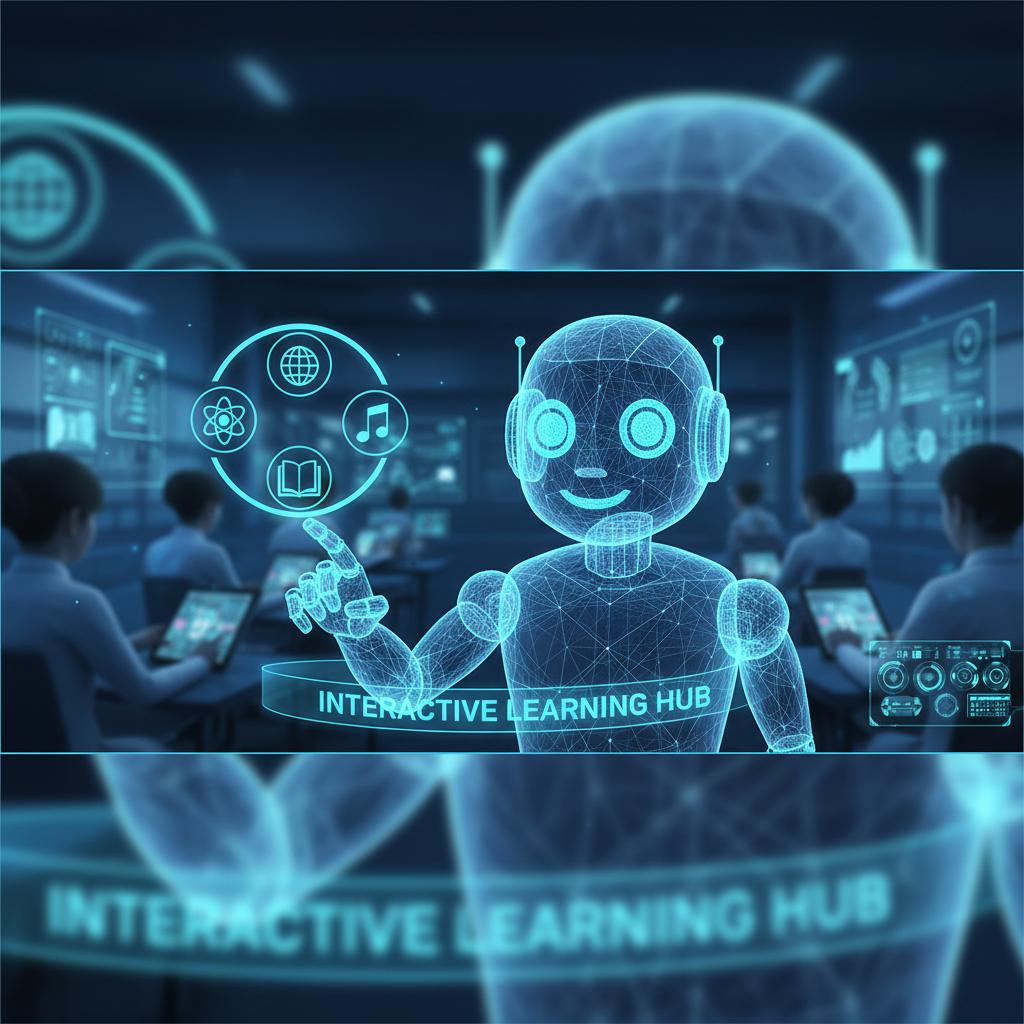
The Benefit: AI as a Powerful Tutor
When used correctly, AI isn't a cheater—it's a 24/7 tutor. Research shows it can help students organize their thoughts and improve clarity without doing the work for them.
Brainstorming & Outlining
Checking Grammar & Tone
Explaining Complex Concepts
What Research Says: Ideas vs. Writing
A Stanford study found that most students use AI to generate ideas, not to write their entire papers. The fear of mass cheating is higher than the reality.
The Solution: Transparency & Verify
We should use AI honestly by treating it like a source in the library, not a ghostwriter.
Citation: If you used AI for an outline, say so! 'Assisted by AI for brainstorming.'
Verification: AI hallucinates (makes things up). Never submit something you haven't fact-checked.
Ownership: You are the Pilot, AI is the Co-pilot. You must make the final decisions.
Future-Ready Learning
AI is here to stay. Banning it won't help us prepare for future jobs. The best path forward is to learn how to use these tools ethically—to enhance our learning, not to skip it.
Use AI to think bigger, not to think less.
References
UNESCO. (2023). Global Guidance on Generative AI in Education.
Stanford Report. (2023-24). High School Students' Use of AI Tools.
Various Academic Integrity Centers (2024). Guidelines on Plagiarism and AI.
Q&A
How do you think we should use AI in class?
Thank You
- ai-in-education
- academic-honesty
- chatgpt-for-students
- ethical-ai
- plagiarism-prevention
- digital-learning