






Made byBobr AI

Spill Response and Containment Protocols for Drivers

Learn essential spill response protocols for truck drivers, including containment strategies, waterway protection, and hazmat notification procedures.

#spill-response#hazmat-training#driver-safety#environmental-protection#trucking-compliance#containment-strategy
Watch
Pitch

Spill Response Protocols

Essential training for company drivers and owner-operators

Made byBobr AI

Why Proper Response Matters

Driver Safety

Preventing exposure to hazardous materials and preventing slip/fall accidents on site.

Environmental Protection

Stopping contaminants from entering storm drains, waterways, and soil systems.

Regulatory Compliance

Adhering to DOT and EPA guidelines to avoid fines and legal action against the company.

Made byBobr AI

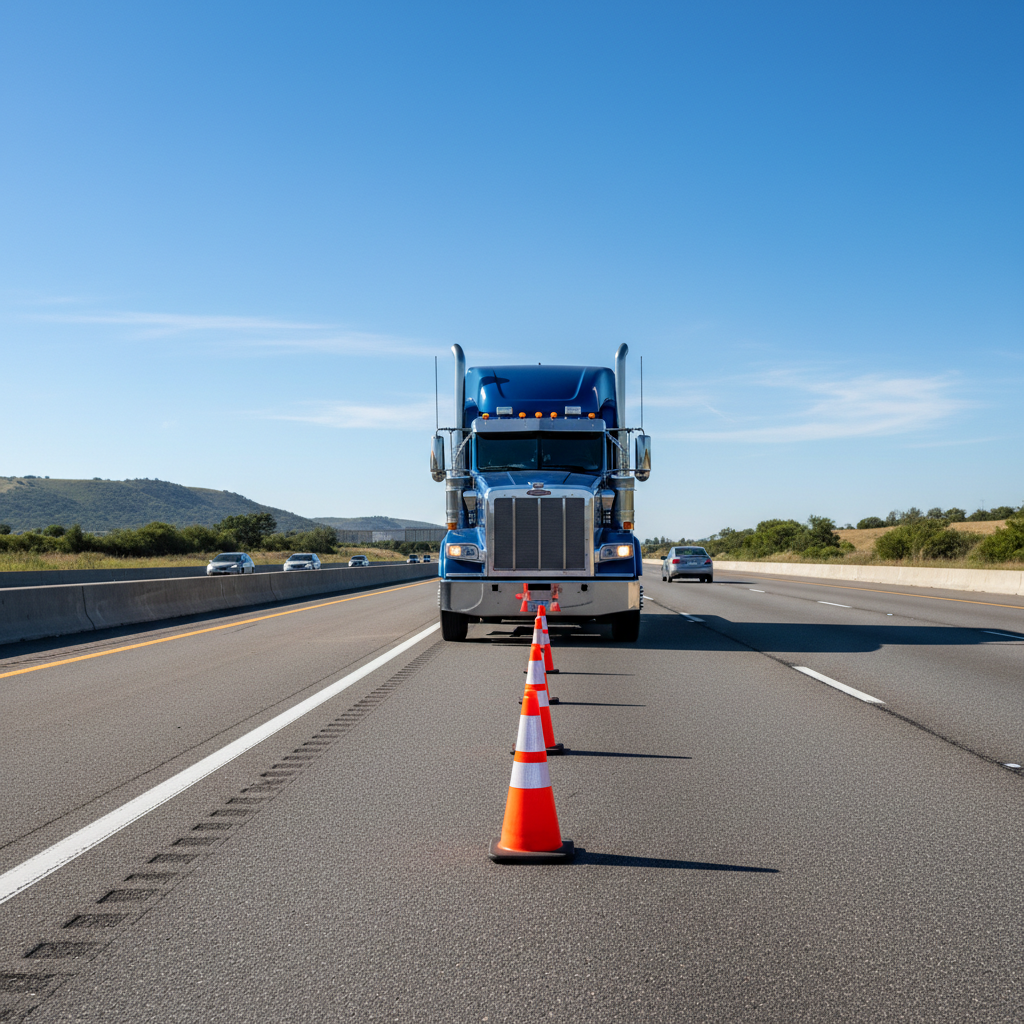
Step 1: Immediate Action

1. Stop the Vehicle

Pull over to a safe location immediately. Avoid stopping near drains or waterways if possible.

2. Secure the Scene

Turn off the ignition. Activate hazard lights. Deploy safety cones or triangles.

Made byBobr AI

Step 2: Risk Assessment

  • Identify: Identify the Source: Visually confirm where the leak is originating (fuel tank, cargo area, hydraulic line).
  • Check Labels: Check Labels: Read placards or SDS (Safety Data Sheets) to understand the chemical properties.
  • Volume: Assess Volume: Estimate the rate of spill and total quantity released.
Made byBobr AI

Personal Protective Equipment

Never attempt containment without proper gear.

Nitrile Gloves
Safety Goggles
High-Vis Vest
Protective Boots
Made byBobr AI

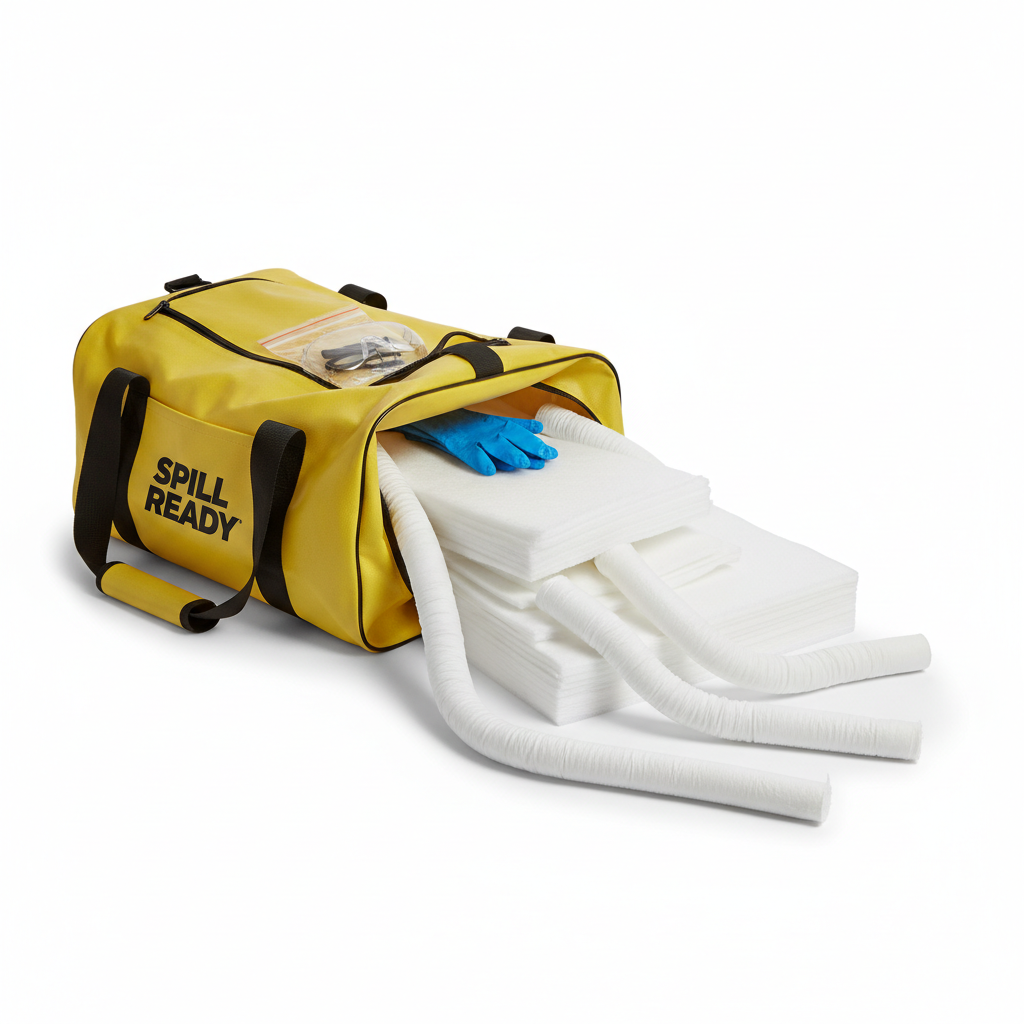
Know Your Spill Kit

Every vehicle is equipped with a Universal Spill Kit containing:

• Absorbent Pads • Containment Socks (Booms) • Granular Absorbent (Kitty Litter) • Heavy Duty Disposal Bags • Shovel & Broom
Made byBobr AI

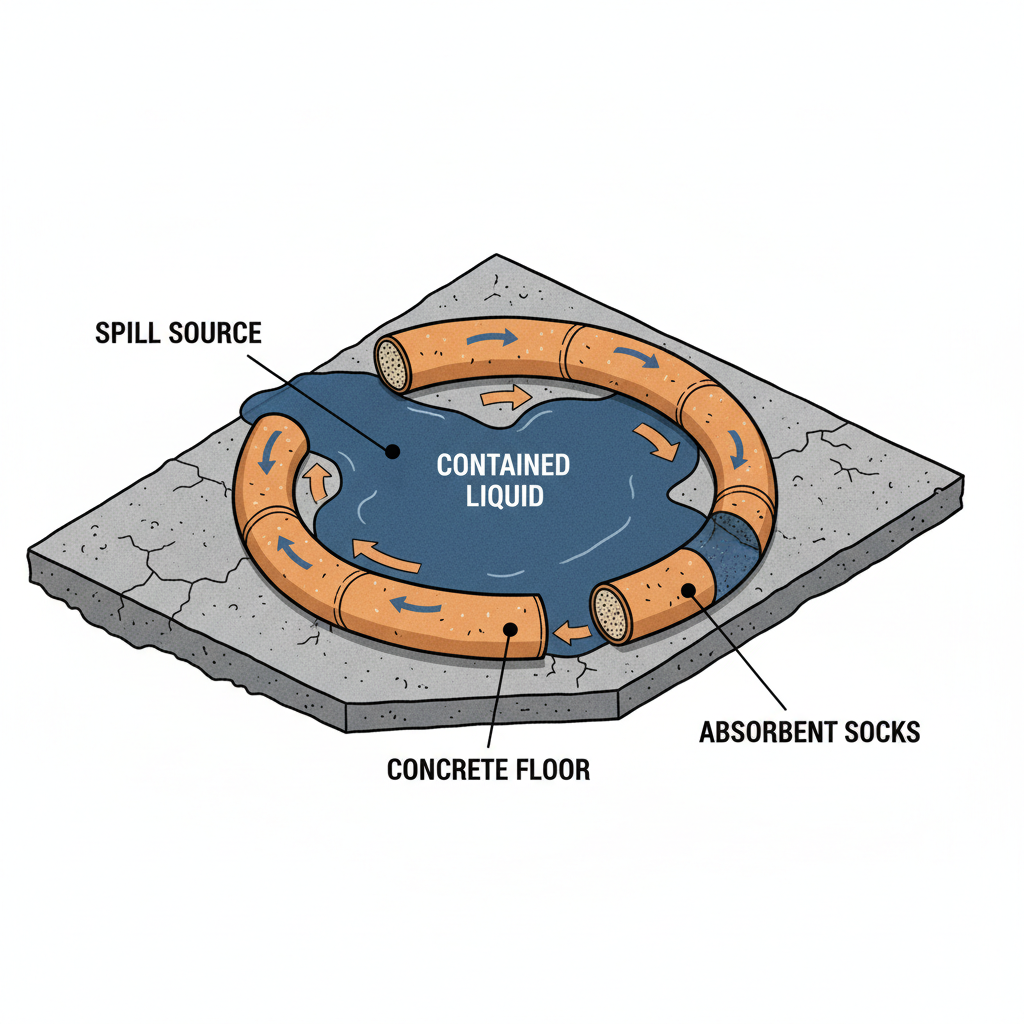
Step 3: Containment Strategy

Prioritize speed. Stop the spread before cleanup begins.

The 3 C's

CONTROL the source, CONTAIN the spill, CLEAN up the residue.

Diking & Damming

Use socks or granular absorbent to build a barrier around the spill perimeter.

Made byBobr AI
ENVIRONMENTAL ALERT

CRITICAL: Protect Waterways

If fuel or chemicals enter a storm drain, the incident severity increases exponentially. You must block drains immediately.

Use drain covers, mats, or build a dyke with soil/absorbent to redirect flow away from grates.

Made byBobr AI

Step 4: Notification Protocol

1. Call Company Dispatch

Report location, substance, and estimated volume.

2. Emergency Services (911)

Only if there is fire risk, injury, or threat to public safety.

Made byBobr AI

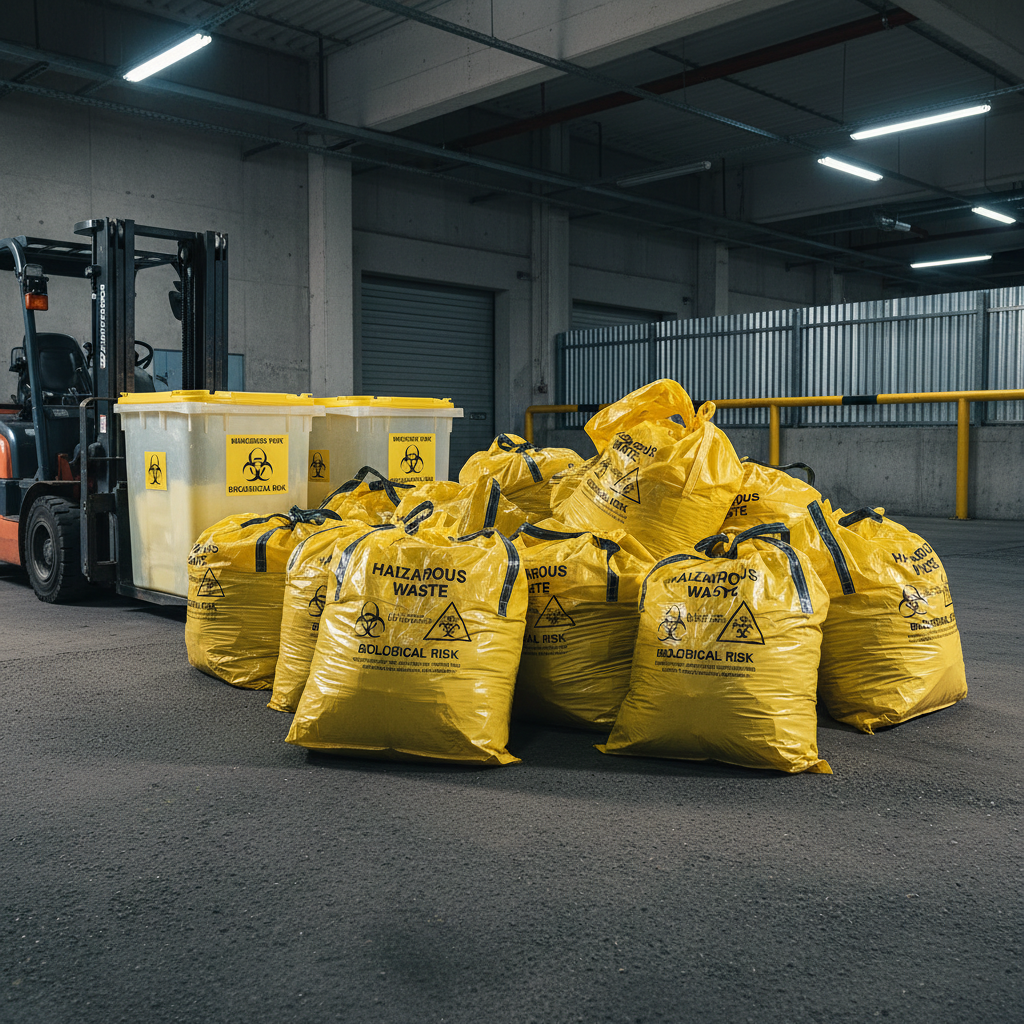
Step 5: Disposal & Cleanup

Used absorbents are hazardous waste. They cannot be thrown in standard trash bins.

  • Double-bag all used materials.
  • Seal bags with heavy duty ties.
  • Label bags as 'Hazardous Waste' pending pickup.
Made byBobr AI

Documentation Requirements

Accurate reporting protects you and the company during insurance and regulatory reviews.

Required Information:

• Date and precise time of incident • Exact location (Mile marker / Address) • Photos of the spill and containment efforts • Names of any witnesses or officials on scene
Made byBobr AI

Response Recap

STOP
CONTAIN
NOTIFY
REPORT

Safe operations depend on your quick and professional response.

Made byBobr AI
Bobr AI

DESIGNER-MADE
PRESENTATION,
GENERATED FROM
YOUR PROMPT

Create your own professional slide deck with real images, data charts, and unique design in under a minute.

Generate For Free

Spill Response and Containment Protocols for Drivers

Learn essential spill response protocols for truck drivers, including containment strategies, waterway protection, and hazmat notification procedures.

Spill Response Protocols

Essential training for company drivers and owner-operators

Why Proper Response Matters

Driver Safety

Preventing exposure to hazardous materials and preventing slip/fall accidents on site.

Environmental Protection

Stopping contaminants from entering storm drains, waterways, and soil systems.

Regulatory Compliance

Adhering to DOT and EPA guidelines to avoid fines and legal action against the company.

Step 1: Immediate Action

Stop the Vehicle

Pull over to a safe location immediately. Avoid stopping near drains or waterways if possible.

Secure the Scene

Turn off the ignition. Activate hazard lights. Deploy safety cones or triangles.

Step 2: Risk Assessment

Identify the Source: Visually confirm where the leak is originating (fuel tank, cargo area, hydraulic line).

Check Labels: Read placards or SDS (Safety Data Sheets) to understand the chemical properties.

Assess Volume: Estimate the rate of spill and total quantity released.

Personal Protective Equipment

Never attempt containment without proper gear.

Nitrile Gloves

Safety Goggles

High-Vis Vest

Protective Boots

Know Your Spill Kit

Every vehicle is equipped with a Universal Spill Kit containing:

• Absorbent Pads • Containment Socks (Booms) • Granular Absorbent (Kitty Litter) • Heavy Duty Disposal Bags • Shovel & Broom

Step 3: Containment Strategy

Prioritize speed. Stop the spread before cleanup begins.

The 3 C's

CONTROL the source, CONTAIN the spill, CLEAN up the residue.

Diking & Damming

Use socks or granular absorbent to build a barrier around the spill perimeter.

CRITICAL: Protect Waterways

If fuel or chemicals enter a storm drain, the incident severity increases exponentially. You must block drains immediately.

Use drain covers, mats, or build a dyke with soil/absorbent to redirect flow away from grates.

Step 4: Notification Protocol

1. Call Company Dispatch

Report location, substance, and estimated volume.

2. Emergency Services (911)

Only if there is fire risk, injury, or threat to public safety.

Step 5: Disposal & Cleanup

Used absorbents are hazardous waste. They cannot be thrown in standard trash bins.

Double-bag all used materials.

Seal bags with heavy duty ties.

Label bags as 'Hazardous Waste' pending pickup.

Documentation Requirements

Accurate reporting protects you and the company during insurance and regulatory reviews.

Required Information:

• Date and precise time of incident • Exact location (Mile marker / Address) • Photos of the spill and containment efforts • Names of any witnesses or officials on scene

Response Recap

STOP

CONTAIN

NOTIFY

REPORT

Safe operations depend on your quick and professional response.

  • spill-response
  • hazmat-training
  • driver-safety
  • environmental-protection
  • trucking-compliance
  • containment-strategy