
Made byBobr AI

Salesforce Automotive Cloud: Technical Overview for Consultants

Discover the architecture, data model, and core capabilities of Salesforce Automotive Cloud including Driver 360, Vehicle Console, and automation tools.

#salesforce#automotive-cloud#crm-architecture#software-consulting#data-model#omnistudio#digital-transformation

Salesforce Automotive Cloud

Technical & Functional Overview for Consultants

Architecture | Capabilities | Data Model

minimalist abstract line art of a futuristic car silhouette, dark grey lines on white background, architectural blueprint style
Made byBobr AI

Introduction to Automotive Cloud

Officially launched in 2022. Built on the foundation of Manufacturing Cloud, extending Sales and Service Cloud capabilities.
Built for All
Designed for any organization that sells or manages cars, trucks, and heavy equipment.
Driver & Vehicle 360
A fully connected view of vehicles, customers, and financial relationships.
Made byBobr AI

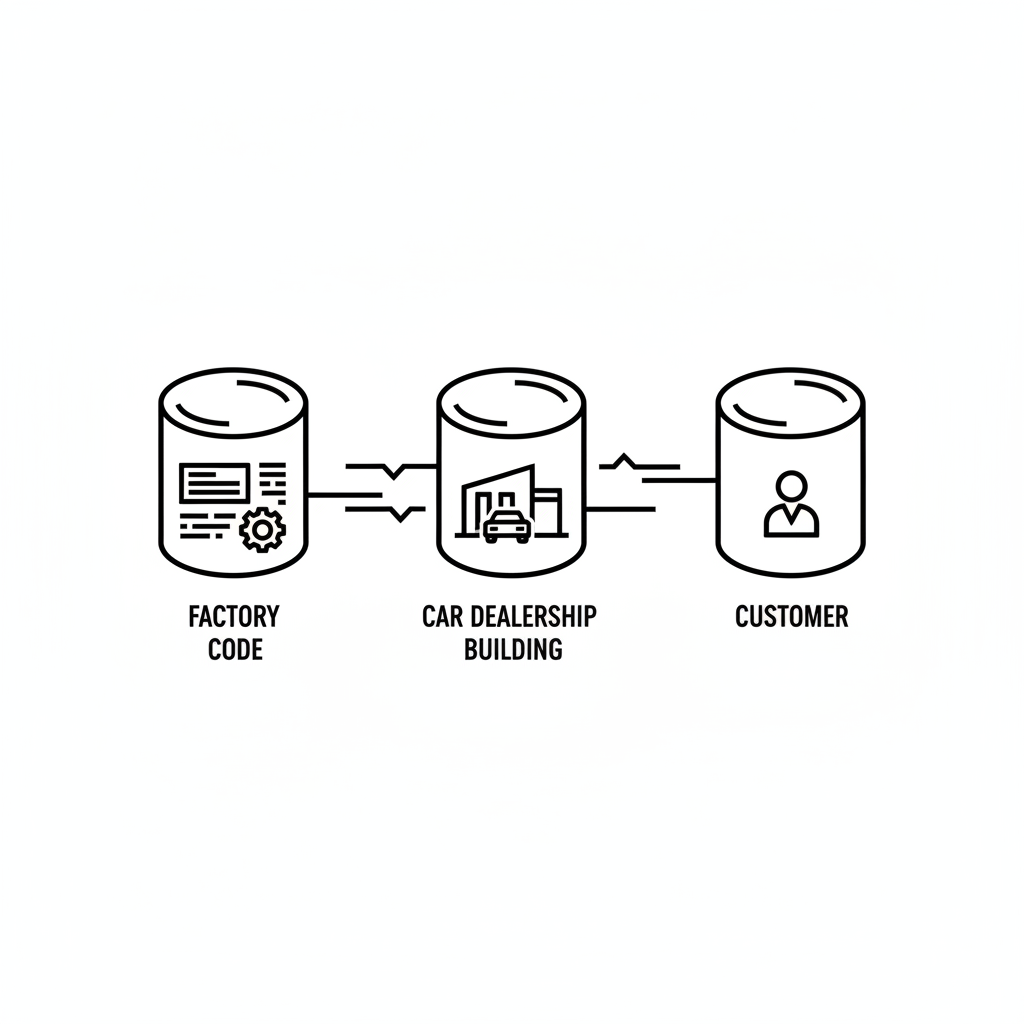
Industry Context: The Disconnected Journey

01. The Modern Auto Challenge: Customer data is siloed across OEMs, National Sales Companies (NSCs), and Dealerships.
02. Technical Gap: Traditional CRMs track 'Leads', but Automotive requires tracking 'Vehicles' and 'Drivers' simultaneously.
03. Goal: Unifying the ownership lifecycle from test drive to financing to service and trade-in.
minimalist diagram showing disconnected silos between factory code, car dealership building, and customer, black and white vector style
Made byBobr AI

Key Stakeholders & Functional Hierarchy

OEM (Manufacturer)

Focus: Production planning, wholesales to dealers, global campaigns, vehicle definitions.

Dealer Group

Focus: Retail sales, inventory management, service appointments, customer relationship.

End Customer (Driver)

Focus: Buying experience, service history, connected car features, financial contracts.

Made byBobr AI

Core Capability: Driver 360 Console

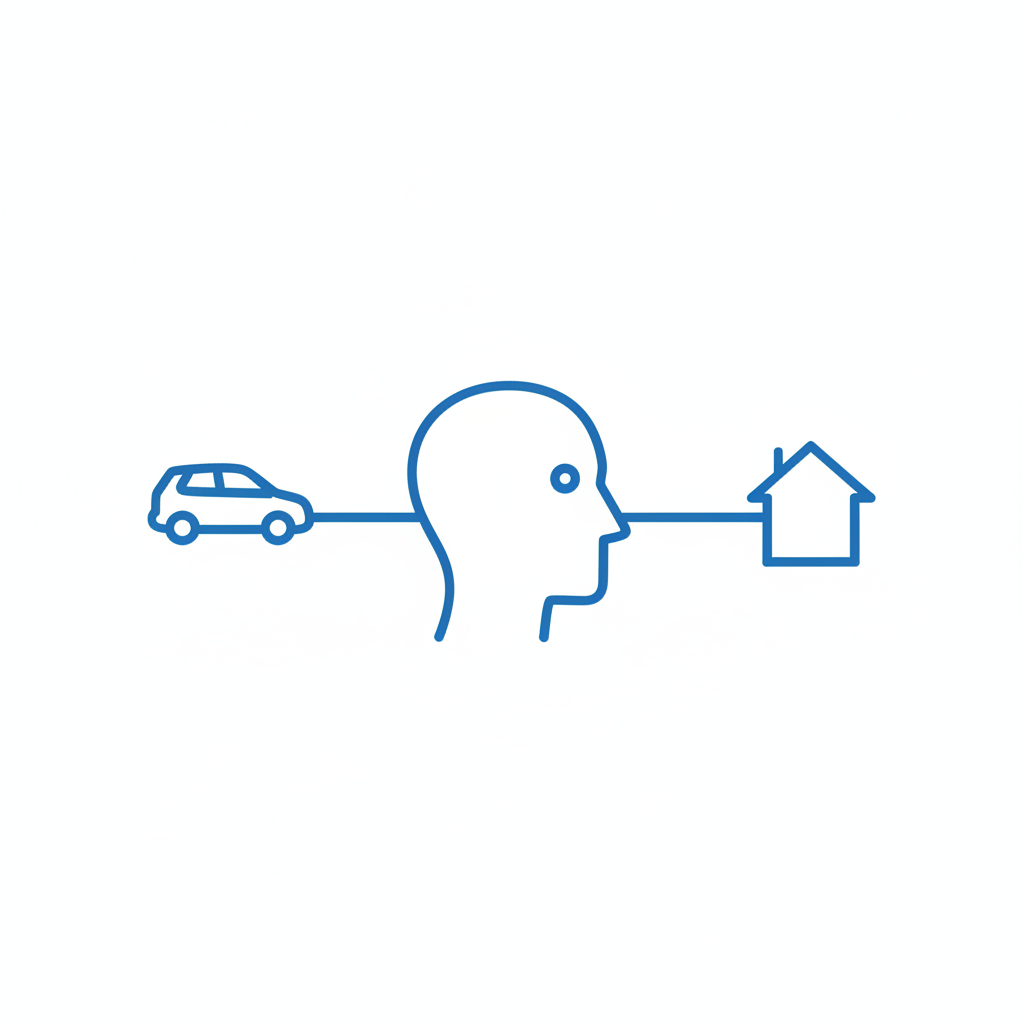
The Driver 360 extends the standard Person Account model to include automotive specific relationships.

  • Householding
    Householding: Understand multi-vehicle ownership within families.
  • Tags
    Interest Tags: Track preferences (e.g., 'EV enthusiast', 'Off-road').
  • Relationships
    Relationship Cards: Visual map of driver tied to vehicles, dealers, and loans.
minimalist infographic style icon representing a user profile connected to a car icon and a house icon, clean lines
Made byBobr AI

Core Capability: Vehicle Console

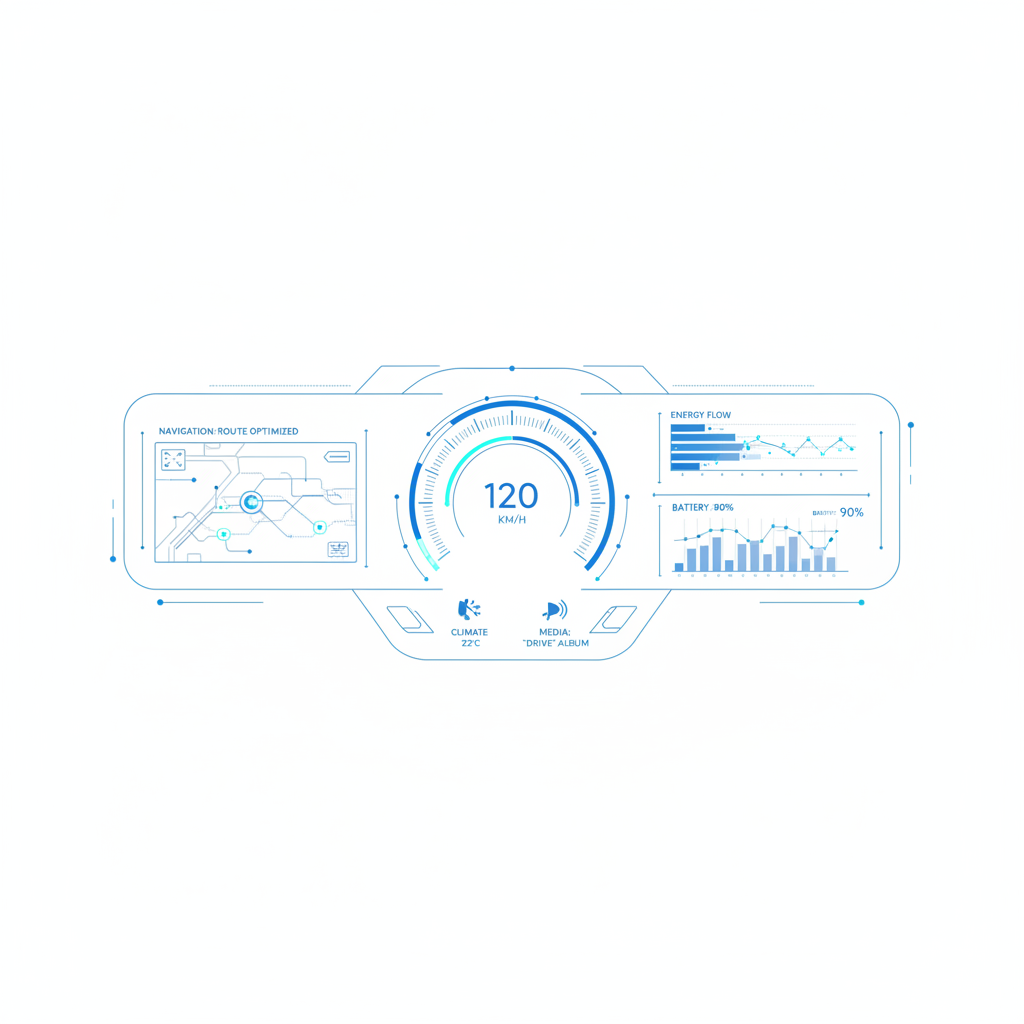
The Vehicle Console provides a comprehensive view of the asset, distinct from the customer.

Vehicle Details

VIN, Milestones, Odometer readings, Warranty status, and Connected Car telemetry data.

Service History

Unified list of Repair Orders, Parts replaced, and Recall warnings accessed in real-time.

minimalist abstract representation of a car dashboard interface with data points, blueprint style, white background
Made byBobr AI

Automotive Cloud Data Model Highlights

Automotive Cloud moves beyond standard objects to industry-centric entities.

Vehicle (Vehicle__c / Vehicle)

Represents a physical car instance (VIN). Linked to Account via Asset / Owner fields.

Vehicle Definition

The 'Catalog' view. Make, Model, Year, Trim Level specifications. (Not the specific car).

Asset & Asset Milestone

Tracks lifecycle events: Sold, Delivered, Serviced, Warranty Expired.

Made byBobr AI

Consultant Tools for Process Automation

OmniStudio

Build guided interactions and branded UI components without code. Creates step-by-step wizards for complex dealer or customer processes.

Business Rules Engine

Automate complex calculations and decision logic. Essential for warranty eligibility checks, rebate calculations, and financing scoring.

Action Plans

Create repeatable checklists and tasks. Perfect for standardizing vehicle inspections, test drive protocols, and dealership onboarding.

Flow Builder for Automotive

Leverage pre-built templates for industry workflows (e.g., Book a Test Drive, Recall Management) to speed up implementation.

Made byBobr AI

Why Automotive Cloud? The Consultant's View

Generic Sales/Service Cloud

  • × Requires custom objects for Vehicles, Warranties, and Assets.
  • × Heavy development needed for complex logic like loan calculations or warranty rules.
  • × Siloed data: No native integration patterns for Dealer Management Systems (DMS).

Salesforce Automotive Cloud

  • Native Data Model: Built-in objects for Vehicle, Driver, Dealer, and Service History.
  • Industry Toolset: Business Rules Engine & Action Plans included out-of-the-box.
  • Pre-built Integrations: MuleSoft templates specifically for automotive standards (Star, OAGIS).
Made byBobr AI

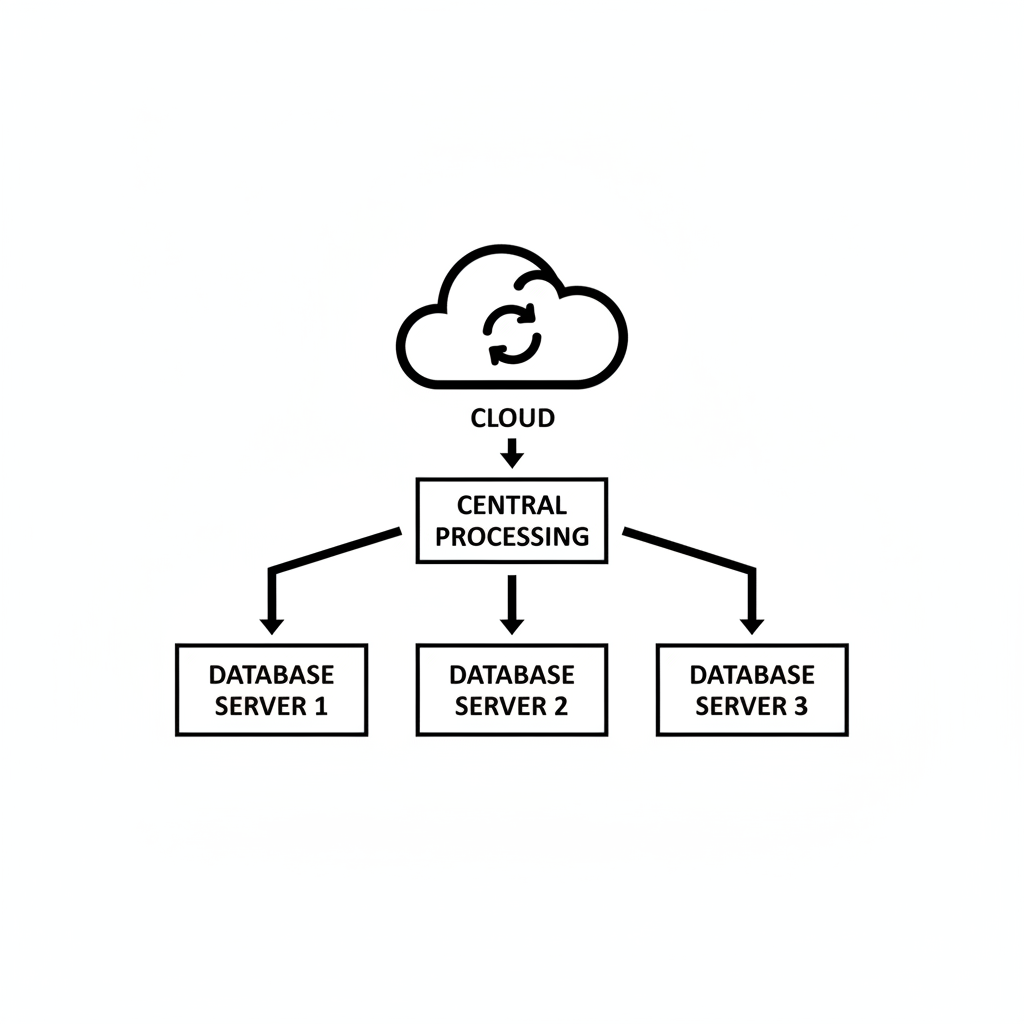
Integration Architecture

Automotive Cloud acts as the engagement layer, orchestrating data from back-end systems via MuleSoft.

Source ATelematics Provider (IoT)
Source BDealer Management System (DMS)
Source COEM ERP (Manufacturing)
minimalist flowchart showing data flowing from three database servers into a central cloud icon, technical diagram style black and white
Made byBobr AI

E2E Use Case: Lead to Service

01

1. Discovery

Customer configures vehicle online. 'Automotive Lead' created with vehicle definition preference.

02

2. Sales

Dealer converts Lead. Test drive scheduled via 'Service Appointment'. Vehicle sold, Asset created.

03

3. Ownership

Telematics trigger 'Service Warning'. Proactive outreach from Dealer via Driver Console.

Made byBobr AI

Data Sources Volume & Impact

Typical data distribution in an Automotive Implementation (Example)

Chart
Made byBobr AI

Value Proposition Recap

  • Unified Data Layer: Breaks the 'Berlin Wall' between OEM and Dealer data.
  • Asset Centricity: Shifts focus from just 'Customers' to 'Customers + Vehicles'.
  • Scalability: Built on standard Salesforce objects, reducing bespoke customization.

Salesforce Automotive Cloud transforms the industry from transaction-based to lifetime-value based.

Made byBobr AI
Bobr AI

DESIGNER-MADE
PRESENTATION,
GENERATED FROM
YOUR PROMPT

Create your own professional slide deck with real images, data charts, and unique design in under a minute.

Generate For Free

Salesforce Automotive Cloud: Technical Overview for Consultants

Discover the architecture, data model, and core capabilities of Salesforce Automotive Cloud including Driver 360, Vehicle Console, and automation tools.

Salesforce Automotive Cloud

Technical & Functional Overview for Consultants

Architecture | Capabilities | Data Model

Introduction to Automotive Cloud

Officially launched in 2022. Built on the foundation of Manufacturing Cloud, extending Sales and Service Cloud capabilities.

Built for All

Designed for any organization that sells or manages cars, trucks, and heavy equipment.

Driver & Vehicle 360

A fully connected view of vehicles, customers, and financial relationships.

Industry Context: The Disconnected Journey

The Modern Auto Challenge: Customer data is siloed across OEMs, National Sales Companies (NSCs), and Dealerships.

Technical Gap: Traditional CRMs track 'Leads', but Automotive requires tracking 'Vehicles' and 'Drivers' simultaneously.

Goal: Unifying the ownership lifecycle from test drive to financing to service and trade-in.

Key Stakeholders & Functional Hierarchy

OEM (Manufacturer)

Focus: Production planning, wholesales to dealers, global campaigns, vehicle definitions.

Dealer Group

Focus: Retail sales, inventory management, service appointments, customer relationship.

End Customer (Driver)

Focus: Buying experience, service history, connected car features, financial contracts.

Core Capability: Driver 360 Console

The Driver 360 extends the standard Person Account model to include automotive specific relationships.

Householding: Understand multi-vehicle ownership within families.

Interest Tags: Track preferences (e.g., 'EV enthusiast', 'Off-road').

Relationship Cards: Visual map of driver tied to vehicles, dealers, and loans.

Core Capability: Vehicle Console

The Vehicle Console provides a comprehensive view of the asset, distinct from the customer.

Vehicle Details

VIN, Milestones, Odometer readings, Warranty status, and Connected Car telemetry data.

Service History

Unified list of Repair Orders, Parts replaced, and Recall warnings accessed in real-time.

Automotive Cloud Data Model Highlights

Automotive Cloud moves beyond standard objects to industry-centric entities.

Vehicle (Vehicle__c / Vehicle)

Represents a physical car instance (VIN). Linked to Account via Asset / Owner fields.

Vehicle Definition

The 'Catalog' view. Make, Model, Year, Trim Level specifications. (Not the specific car).

Asset & Asset Milestone

Tracks lifecycle events: Sold, Delivered, Serviced, Warranty Expired.

Consultant Tools for Process Automation

OmniStudio

Build guided interactions and branded UI components without code. Creates step-by-step wizards for complex dealer or customer processes.

Business Rules Engine

Automate complex calculations and decision logic. Essential for warranty eligibility checks, rebate calculations, and financing scoring.

Action Plans

Create repeatable checklists and tasks. Perfect for standardizing vehicle inspections, test drive protocols, and dealership onboarding.

Flow Builder for Automotive

Leverage pre-built templates for industry workflows (e.g., Book a Test Drive, Recall Management) to speed up implementation.

Why Automotive Cloud? The Consultant's View

Generic Sales/Service Cloud

Requires custom objects for Vehicles, Warranties, and Assets.

Heavy development needed for complex logic like loan calculations or warranty rules.

Siloed data: No native integration patterns for Dealer Management Systems (DMS).

Salesforce Automotive Cloud

Native Data Model: Built-in objects for Vehicle, Driver, Dealer, and Service History.

Industry Toolset: Business Rules Engine & Action Plans included out-of-the-box.

Pre-built Integrations: MuleSoft templates specifically for automotive standards (Star, OAGIS).

Integration Architecture

Automotive Cloud acts as the engagement layer, orchestrating data from back-end systems via MuleSoft.

Telematics Provider (IoT)

Dealer Management System (DMS)

OEM ERP (Manufacturing)

E2E Use Case: Lead to Service

1. Discovery

Customer configures vehicle online. 'Automotive Lead' created with vehicle definition preference.

2. Sales

Dealer converts Lead. Test drive scheduled via 'Service Appointment'. Vehicle sold, Asset created.

3. Ownership

Telematics trigger 'Service Warning'. Proactive outreach from Dealer via Driver Console.

Data Sources Volume & Impact

Typical data distribution in an Automotive Implementation (Example)

Value Proposition Recap

Unified Data Layer: Breaks the 'Berlin Wall' between OEM and Dealer data.

Asset Centricity: Shifts focus from just 'Customers' to 'Customers + Vehicles'.

Scalability: Built on standard Salesforce objects, reducing bespoke customization.

Salesforce Automotive Cloud transforms the industry from transaction-based to lifetime-value based.

  • salesforce
  • automotive-cloud
  • crm-architecture
  • software-consulting
  • data-model
  • omnistudio
  • digital-transformation