

Made byBobr AI

Art Therapy for Youth PTSD: Evidence-Based Recovery Strategies

Explore how art therapy facilitates trauma recovery in children and adolescents through non-verbal expression, sensory processing, and clinical interventions.

#art-therapy#ptsd-recovery#child-psychology#trauma-informed-care#mental-health#adolescent-therapy
Watch
Pitch

Art Therapy for Trauma Recovery

Healing Through Expression: Evidence, Mechanisms, and Practice for Child & Adolescent Populations

Made byBobr AI

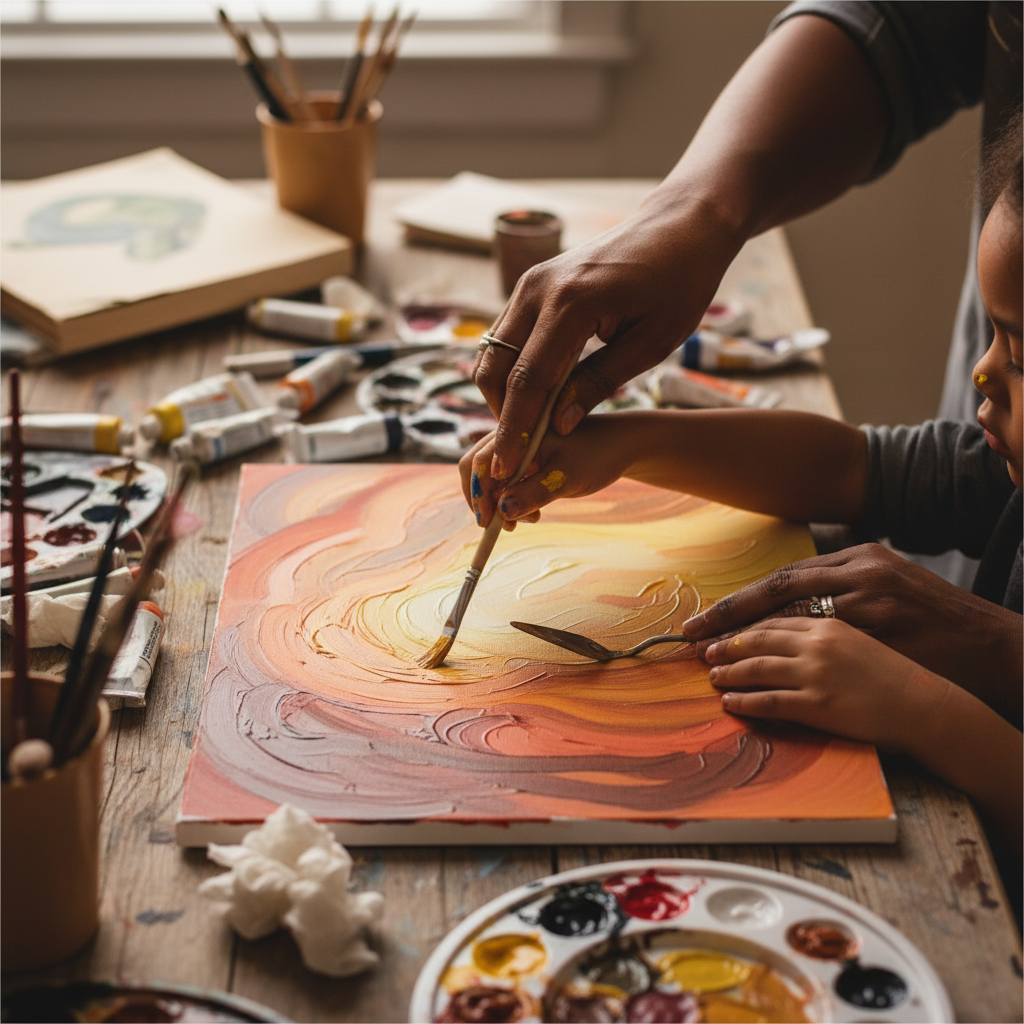
What is Art Therapy?

A distinct mental health profession combining active art-making, the creative process, and applied psychological theory.

The 'Triangular Relationship': The dynamic interaction between the Client, the Therapist, and the Artwork itself.

Distinction: Unlike art classes, the goal is not aesthetic beauty, but expression, processing, and communication.

Made byBobr AI

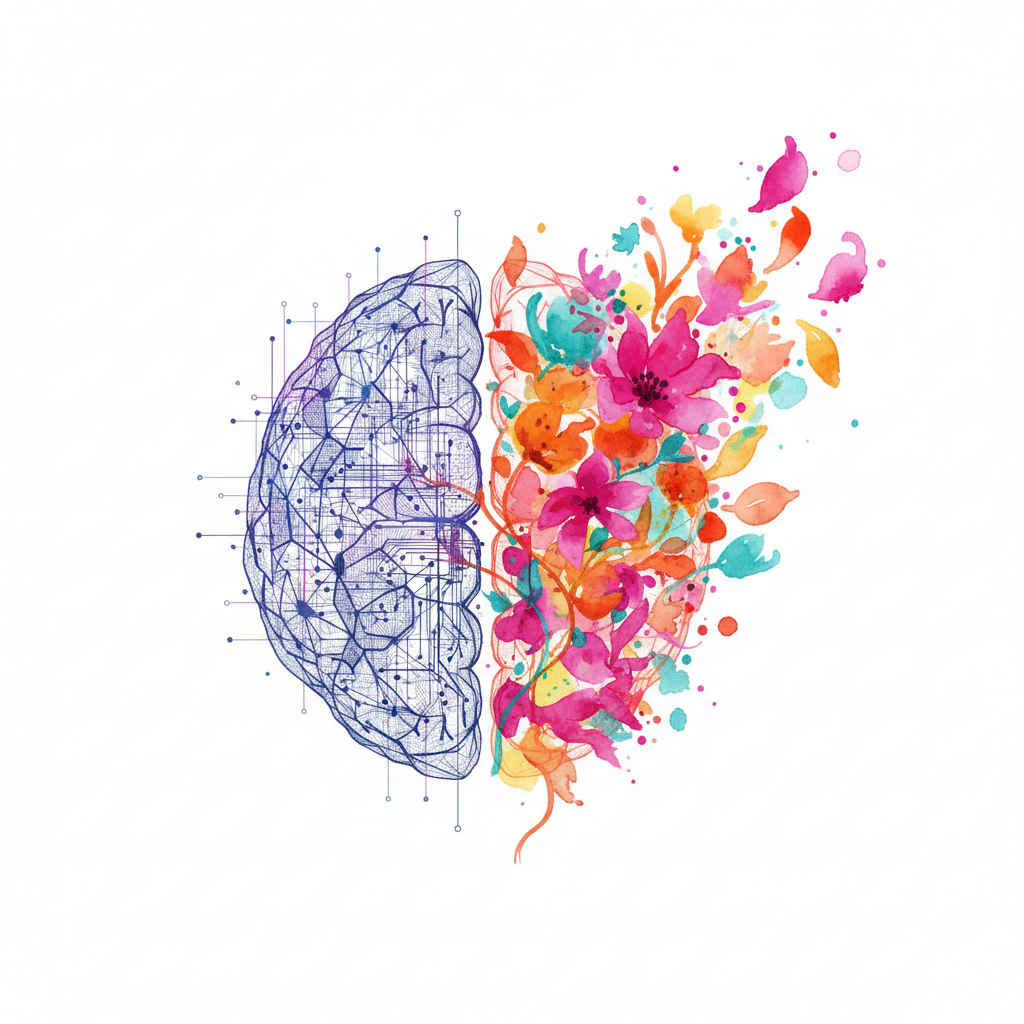
Mechanism: When Words Fail

Trauma is often stored in the sensory (right) hemisphere and limbic system, while language (Broca's area) can be inhibited during recall. Art therapy bridges this gap by allowing non-verbal expression first, facilitating the eventual integration of the traumatic event into a verbal narrative.

Made byBobr AI

Target Population: Children & Adolescents

Developmental Fit

Drawing is a natural language for children before they gain sophisticated verbal fluency to describe complex emotions.

Safety

Art offers a 'container' for overwhelming feelings, allowing externalization without direct confrontation.

Made byBobr AI

Clinical Evidence: 2025 Review Summary

Promising Outcomes

• Significant effect on specific PTSD symptoms. • Reduction in state anxiety (co-morbid with PTSD). • High engagement rates compared to talk therapy.

Limitations

• Limited rigorously controlled trials (RCTs). • Inconclusive effectiveness for singular modalities. • Need for standardization in protocols.

Made byBobr AI

Impact of Frequency on Anxiety Reduction

Meta-analysis data indicating that twice-weekly sessions yield significantly stronger reductions in state anxiety compared to once-weekly interventions in youth.

Chart

Source: Adapted from Cohen-Yatziv & Regev (2019) Meta-analysis & 2025 Review data.

Made byBobr AI

Standard Care vs. Art Therapy

Standard Care

TF-CBT (Standard Care): Focuses on cognitive processing, exposure, and verbal narration of trauma. Highly evidentiary, structure-oriented.

Art Therapy

Art Therapy (Adjunctive): Focuses on sensory expression, externalization, and safety. Used when patients are too dysregulated for verbal exposure.

Made byBobr AI

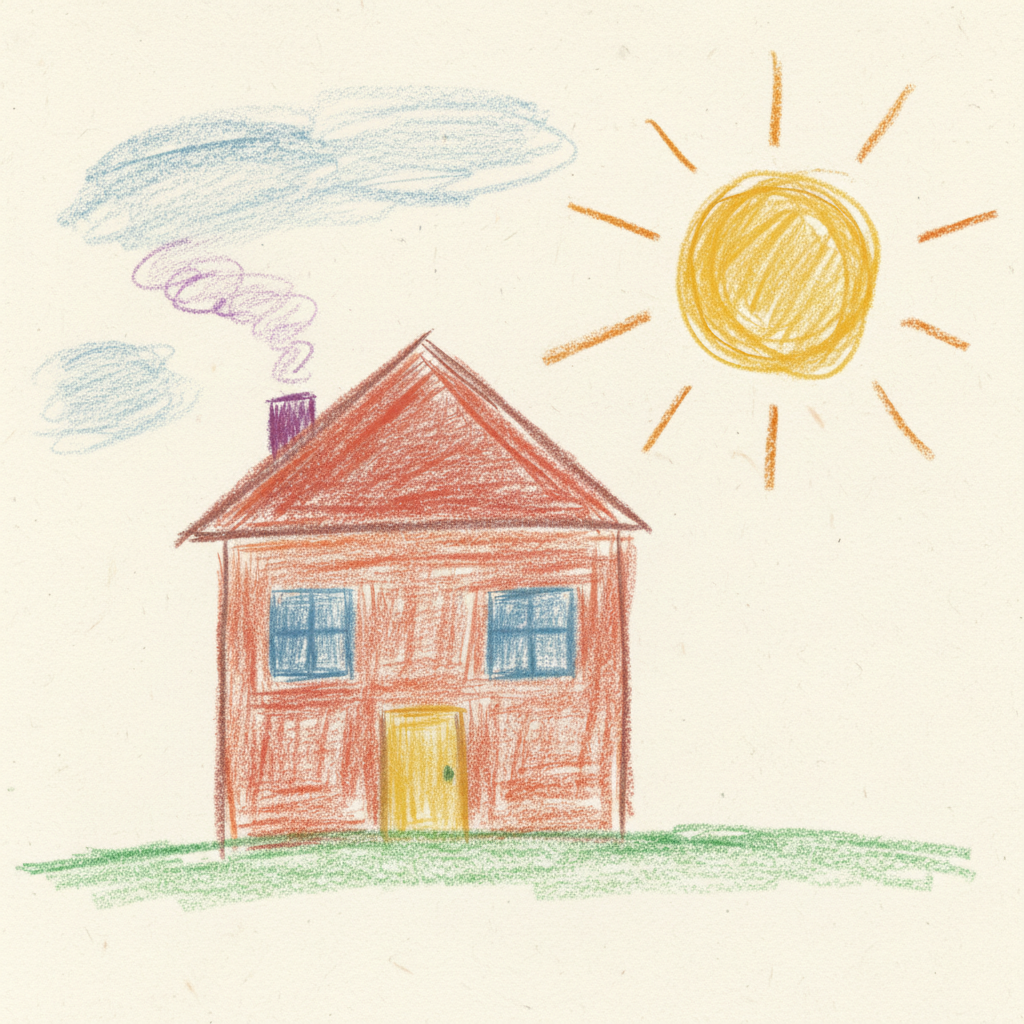
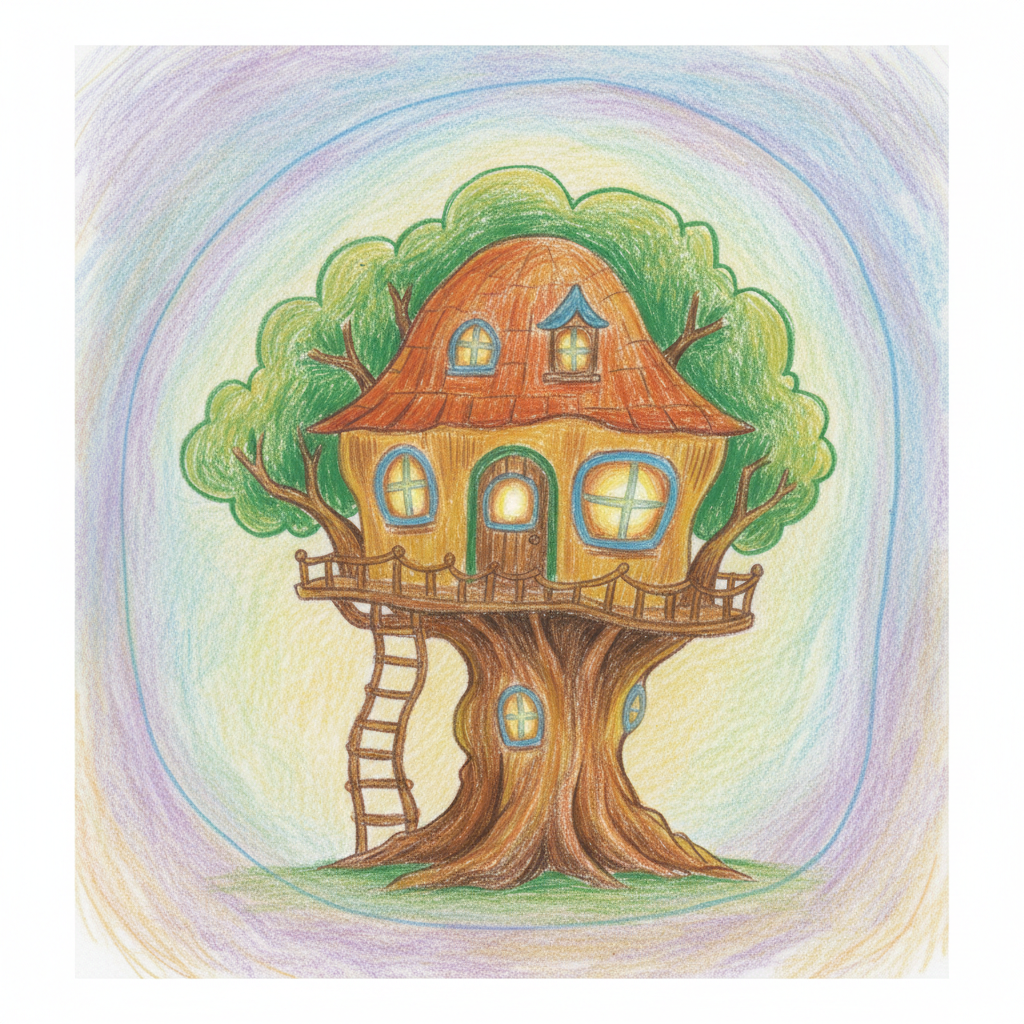
Intervention 1: The Safe Place

1. Goal: Establish emotional regulation and a visual anchor. 2. Prompt: 'Draw a place, real or imaginary, where you feel completely safe and protected.' 3. Processing: Identify sensory details (colors, barriers, helpers) that contribute to the feeling of safety.
Child's Drawing: 'My Sanctuary'
Made byBobr AI

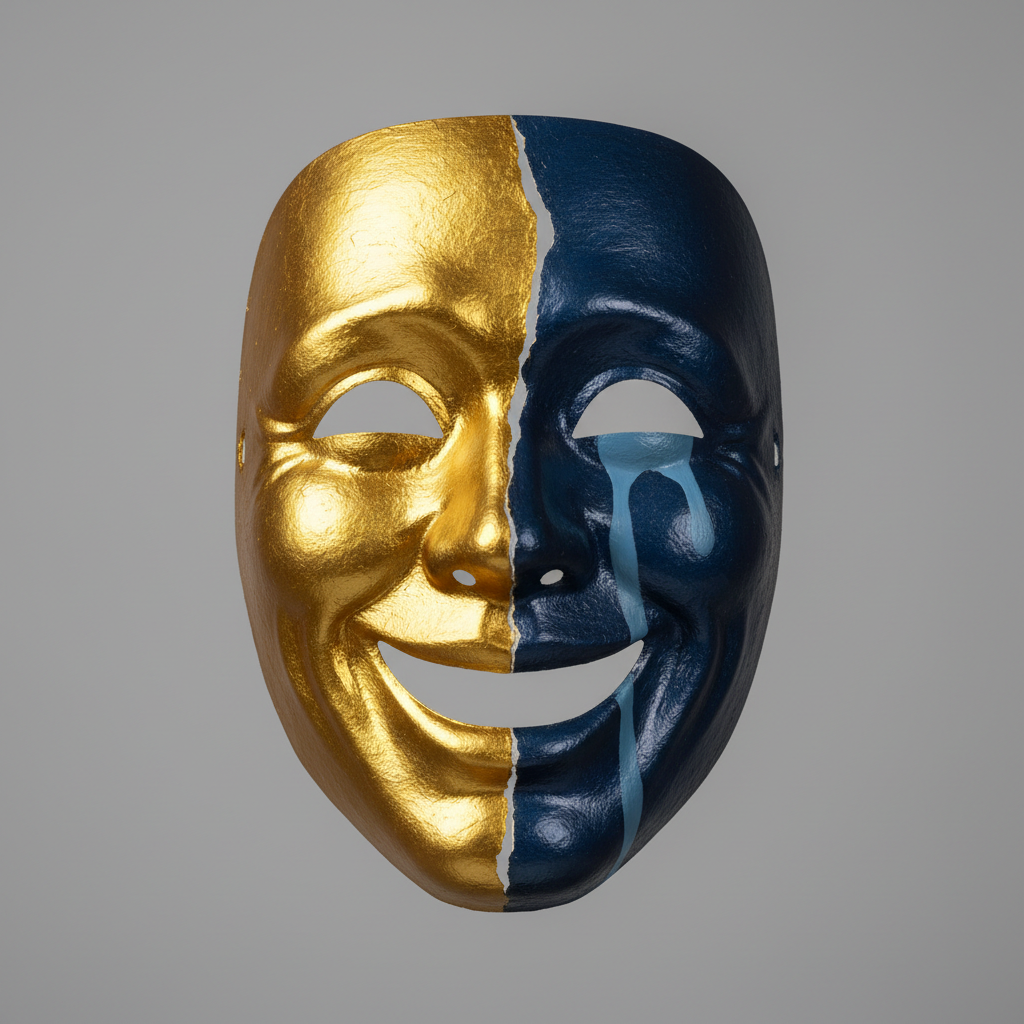
Intervention 2: Mask Making

Externalizing the contrast between the 'Public Self' (what I show the world) and the 'Private Self' (how I feel inside).

• Outside: How others see me / Defense mechanisms. • Inside: Hidden emotions / Trauma memories. • Result: Validates hidden pain without requiring verbal disclosure.
Made byBobr AI

Case Vignette: 'Leo' (Age 10)

Clinical Profile

History: Exposed to domestic violence. Presentation: Hyperarousal, inability to sit still, verbal shut-down.

Process & Outcome

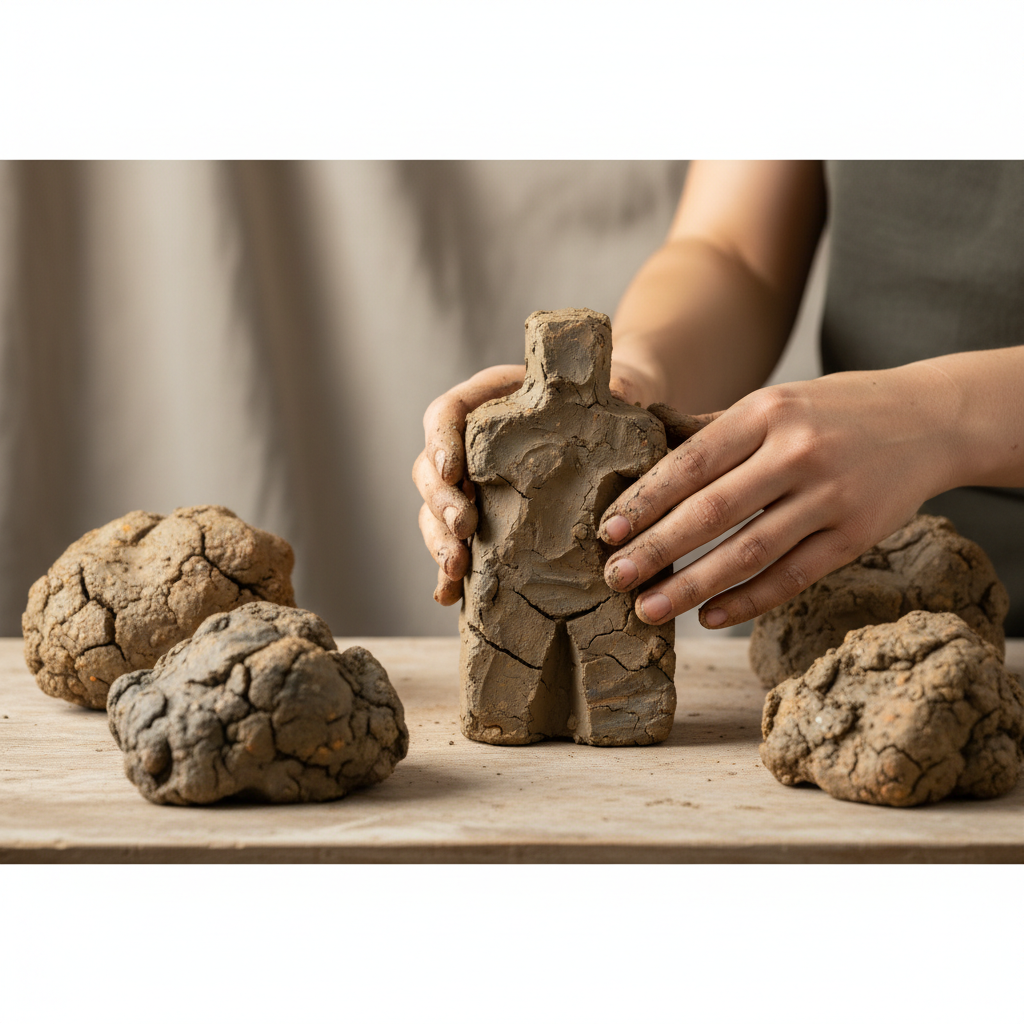
Intervention: Sensory-based Clay Work (Smashing/Re-building). Outcome: Clay provided somatic release for aggression. Within 6 weeks, Leo began shaping 'protector figures' instead of smashing, marking a shift from chaos to regulation.

Made byBobr AI

The Road Ahead

• Research: Urgent need for large-scale RCTs to standardize trauma-informed art therapy protocols. • Stigma Reduction: Art bypasses the stigma of 'being sick'—it is inherently humanizing. • Integration: Moving towards holistic care where Art Therapy and CBT work in tandem.
Made byBobr AI
Bobr AI

DESIGNER-MADE
PRESENTATION,
GENERATED FROM
YOUR PROMPT

Create your own professional slide deck with real images, data charts, and unique design in under a minute.

Generate For Free

Art Therapy for Youth PTSD: Evidence-Based Recovery Strategies

Explore how art therapy facilitates trauma recovery in children and adolescents through non-verbal expression, sensory processing, and clinical interventions.

Art Therapy for Trauma Recovery

Healing Through Expression: Evidence, Mechanisms, and Practice for Child & Adolescent Populations

What is Art Therapy?

A distinct mental health profession combining active art-making, the creative process, and applied psychological theory.

The 'Triangular Relationship': The dynamic interaction between the Client, the Therapist, and the Artwork itself.

Distinction: Unlike art classes, the goal is not aesthetic beauty, but expression, processing, and communication.

Mechanism: When Words Fail

Trauma is often stored in the sensory (right) hemisphere and limbic system, while language (Broca's area) can be inhibited during recall. Art therapy bridges this gap by allowing non-verbal expression first, facilitating the eventual integration of the traumatic event into a verbal narrative.

Target Population: Children & Adolescents

Developmental Fit

Drawing is a natural language for children before they gain sophisticated verbal fluency to describe complex emotions.

Safety

Art offers a 'container' for overwhelming feelings, allowing externalization without direct confrontation.

Clinical Evidence: 2025 Review Summary

Promising Outcomes

• Significant effect on specific PTSD symptoms. • Reduction in state anxiety (co-morbid with PTSD). • High engagement rates compared to talk therapy.

Limitations

• Limited rigorously controlled trials (RCTs). • Inconclusive effectiveness for singular modalities. • Need for standardization in protocols.

Impact of Frequency on Anxiety Reduction

Meta-analysis data indicating that twice-weekly sessions yield significantly stronger reductions in state anxiety compared to once-weekly interventions in youth.

Standard Care vs. Art Therapy

TF-CBT (Standard Care): Focuses on cognitive processing, exposure, and verbal narration of trauma. Highly evidentiary, structure-oriented.

Art Therapy (Adjunctive): Focuses on sensory expression, externalization, and safety. Used when patients are too dysregulated for verbal exposure.

Intervention 1: The Safe Place

1. Goal: Establish emotional regulation and a visual anchor. 2. Prompt: 'Draw a place, real or imaginary, where you feel completely safe and protected.' 3. Processing: Identify sensory details (colors, barriers, helpers) that contribute to the feeling of safety.

Intervention 2: Mask Making

Externalizing the contrast between the 'Public Self' (what I show the world) and the 'Private Self' (how I feel inside).

• Outside: How others see me / Defense mechanisms. • Inside: Hidden emotions / Trauma memories. • Result: Validates hidden pain without requiring verbal disclosure.

Case Vignette: 'Leo' (Age 10)

History: Exposed to domestic violence. Presentation: Hyperarousal, inability to sit still, verbal shut-down.

Intervention: Sensory-based Clay Work (Smashing/Re-building). Outcome: Clay provided somatic release for aggression. Within 6 weeks, Leo began shaping 'protector figures' instead of smashing, marking a shift from chaos to regulation.

The Road Ahead

• Research: Urgent need for large-scale RCTs to standardize trauma-informed art therapy protocols. • Stigma Reduction: Art bypasses the stigma of 'being sick'—it is inherently humanizing. • Integration: Moving towards holistic care where Art Therapy and CBT work in tandem.

  • art-therapy
  • ptsd-recovery
  • child-psychology
  • trauma-informed-care
  • mental-health
  • adolescent-therapy