


Made byBobr AI

Cultural Roots of Health and Education Inequality

Explore how Bourdieu’s cultural capital, Beck’s risk society, and Stiglitz’s economic theories explain social class disparities in health and education.

#sociology#bourdieu#social-inequality#cultural-capital#habitus#health-disparities#educational-inequality
Watch
Pitch

Social Class as a Cultural Phenomenon: Impacts on Health & Education

An Integrated Analysis of Bourdieu, Beck, and Stiglitz

Advanced Sociology | Module: Culture & Inequality
Abstract artistic visualization of social stratification, a ladder made of books and dna strands climbing towards a light, minimal, academic style
Made byBobr AI

Defining the Phenomenon: Class Beyond Economics

Traditional definitions of class focus on income and occupation. However, as a cultural phenomenon, class is 'lived experience' embedded in our institutions.

  • 01. Embodiment: Class is not just what you have, but who you are (your tastes, accent, posture).
  • 02. Transmission: Privilege is transmitted obscurely through 'legitimate culture' in schools and healthcare settings.
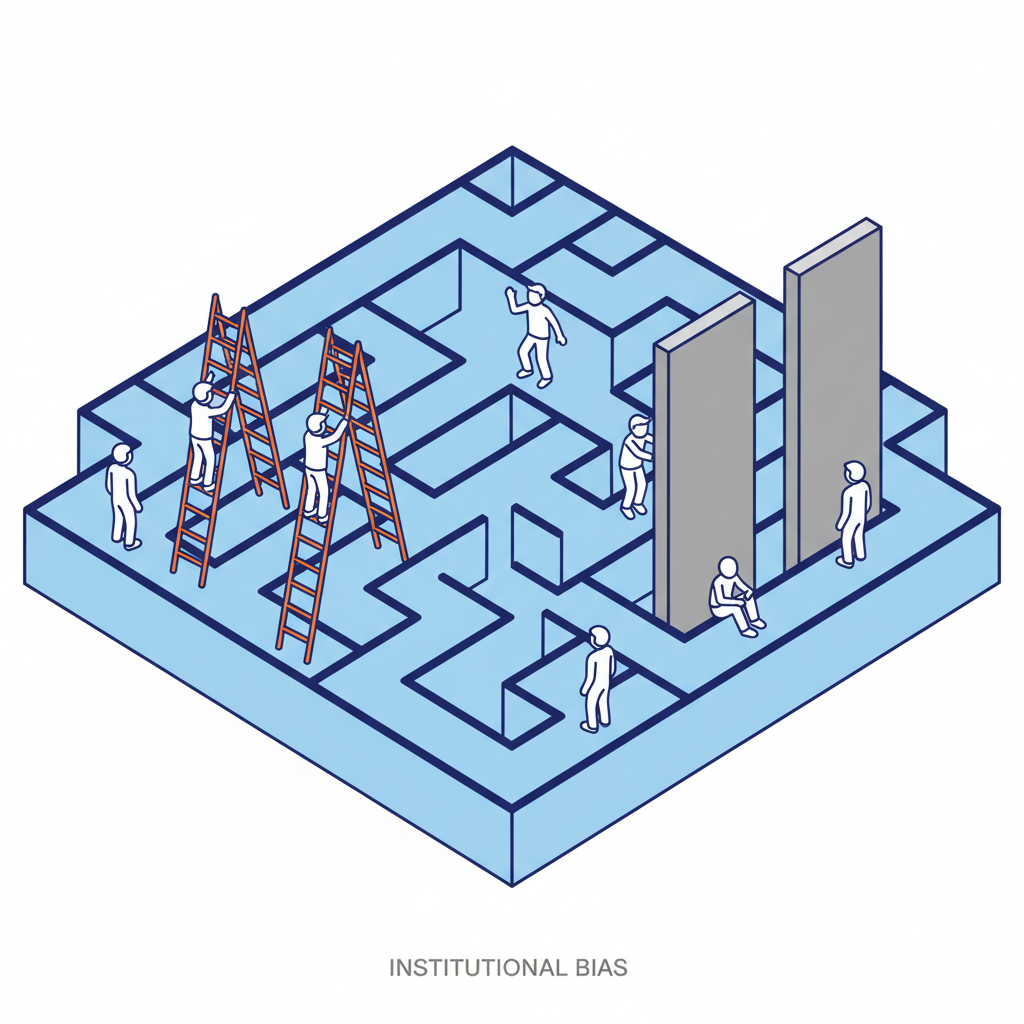
  • 03. Institutional Bias: Systems are designed by the middle class, for the middle class, creating unseen barriers for others.
conceptual illustration of a maze where some people have ladders and others encounter walls, representing institutional bias, minimal vector style
Made byBobr AI

Theoretical Lens: Pierre Bourdieu

Pierre Bourdieu sociologist portrait black and white

Primary Framework

Habitus

Deeply ingrained habits, skills, and dispositions. It is the physical embodiment of cultural capital (e.g., how one eats, speaks, or approaches a doctor).

Cultural Capital

Forms of knowledge, skills, education, and advantages that a person has, which give them a higher status in society and institutional 'credit'.

Field

The specific social environment (e.g., Exploring the Education System or NHS). A person's 'Habitus' must fit the 'Field' to succeed.

Made byBobr AI

Application 1: Education & Cultural Reproduction

The 'Hidden Curriculum' favors students with specific cultural capital. Data shows that even with similar ability, socioeconomic status (SES) dictates university outcomes.

Chart

The Mismatch of Field

Schools are 'middle-class fields'. The language used, the assessment styles, and the expected behaviors validate middle-class habitus.

Symbolic Violence

Working-class students often experience 'symbolic violence'—their culture is devalued, leading to self-elimination ('School isn't for people like me').

Made byBobr AI

Application 2: Health as A Cultural Performance

Health behaviors are not merely 'choices' but expressions of *Habitus*. The body is a site where class distinction is performed.

The Taste of Necessity

Food & Taste: Bourdieu argues the working-class 'taste of necessity' prioritizes filling/cheap food, while middle-class 'taste of luxury' prioritizes presentation/health.

Medical Authority & Language

Doctor-Patient Interaction: Middle-class patients possess the 'linguistic capital' to negotiate with doctors, resulting in better diagnoses and care plans.

split screen image, left side fresh organic vegetables and water, right side processed fast food, neutral lighting, academic sociology context
Made byBobr AI

Support Theory: Beck's 'Risk Society'

"Smog is democratic, but risks are hierarchical."
  • Unequal Exposure

    Unequal Exposure: While modernization creates risks for everyone (e.g., climate change), the lower classes lack the resources to mitigate them.

  • Environmental Classism

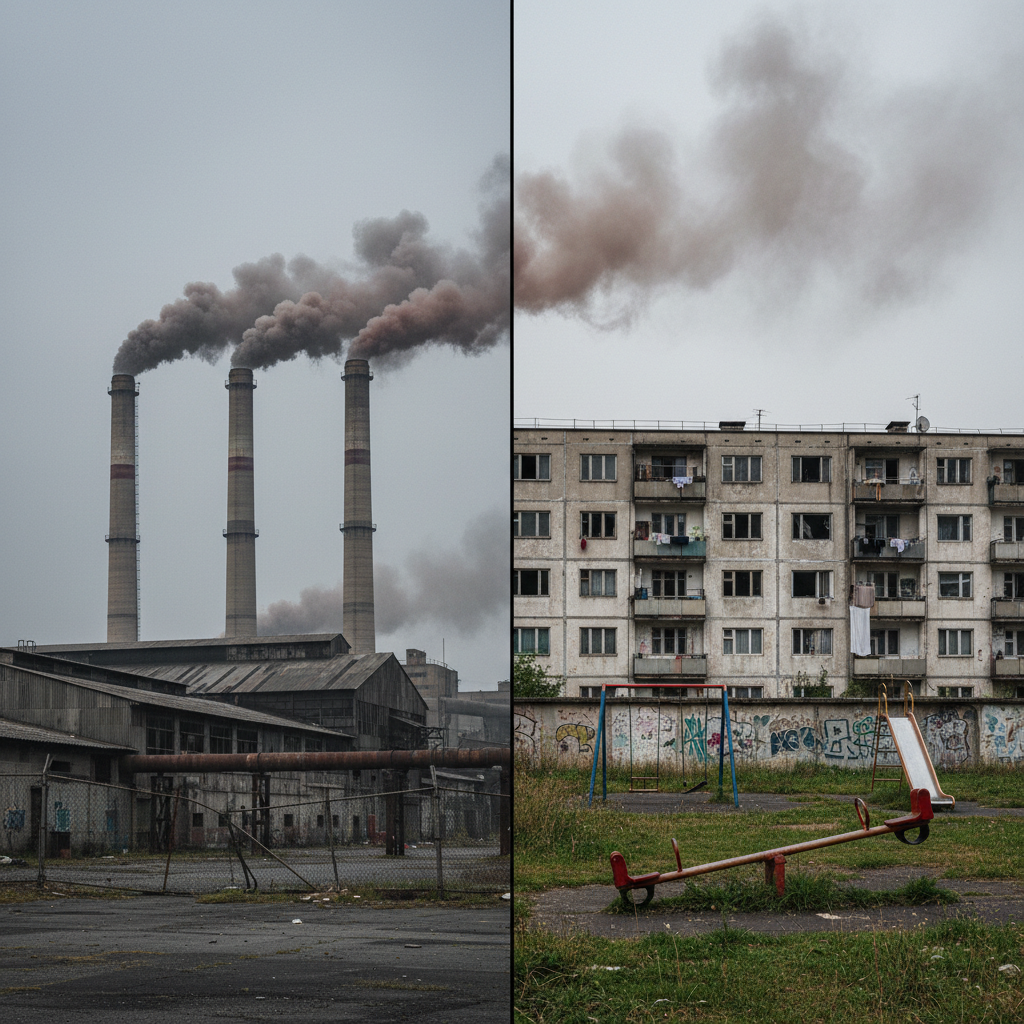
    Environmental Classism: Working-class housing is disproportionately located near pollution sources, food deserts, and lacks green spaces.

  • Individualization

    Individualization of Health: Beck argues society shifts structural blame to the individual ('It's your fault for smoking'), ignoring environmental constraints.

Contrast photo showing industrial factory smoke stacks directly next to a run-down playground or housing estate
Made byBobr AI

Evidence of Inequality: UK Health Gradients

Quantifying the 'Risk Society' and 'Class Habitus': Physical outcomes mirror social stratification.

Chart

9.4 Years

Gap in life expectancy between wealthiest and poorest men (Marmot Review 2020).

19 Years

Gap in 'Healthy Life Expectancy' - the poor spend more years in ill health.

Made byBobr AI
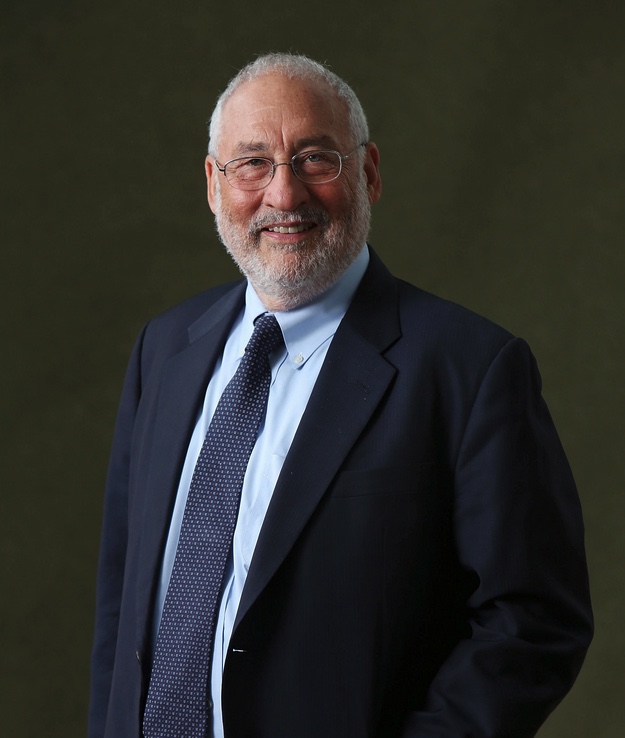
Joseph Stiglitz portrait

The Price of Inequality (2012)

Structural Lens

Stiglitz: Economic Inequality as Opportunity Suppression

While Bourdieu focuses on culture, Joseph Stiglitz emphasizes the hard economic structures that block opportunity.

Inequality of OpportunityInequality of Opportunity: Economic disparity means talent in lower classes is wasted because they cannot access high-quality education or health resources.
Rent Seeking & PolicyRent Seeking: The wealthy shape policies (healthcare privatization, tuition fees) to protect their advantages, reinforcing the 'Medication of Inequality'.
Made byBobr AI

Critical Analysis: Strengths & Weaknesses

Strengths of the Cultural/Structural Approach

Moves beyond 'blaming the victim' (Bourdieu). Explains persistence of inequality despite welfare states (Stiglitz). Links micro-behavior to macro-structure (Habitus).

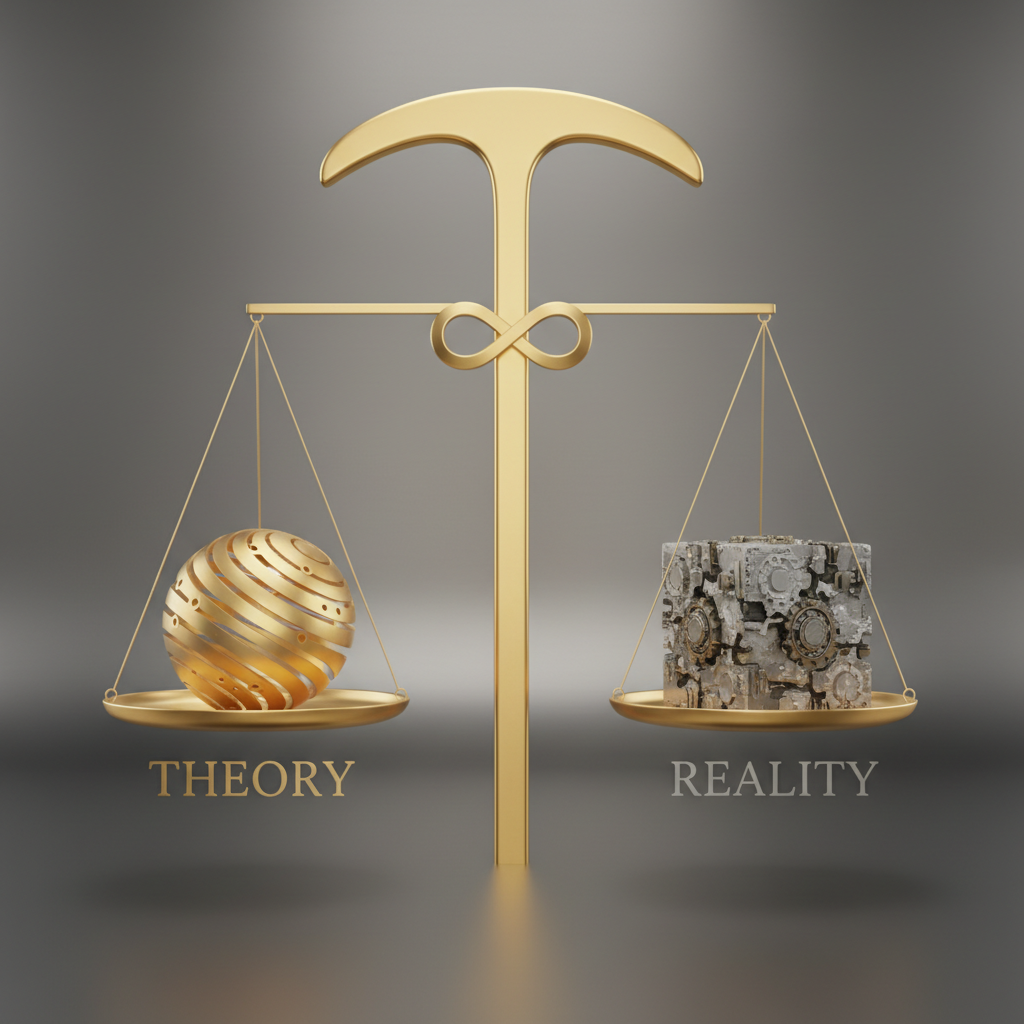
Scales of justice balancing theory and reality, 3d render, minimal grey and gold
Theoretical Limitations

Determinism: Can minimize individual agency/resilience (Jenkins' critique of Bourdieu). Economic Reductionism: Sometimes treats culture solely as a product of money. Outdated? Do 'class' boundaries still exist in the age of social media?

Made byBobr AI

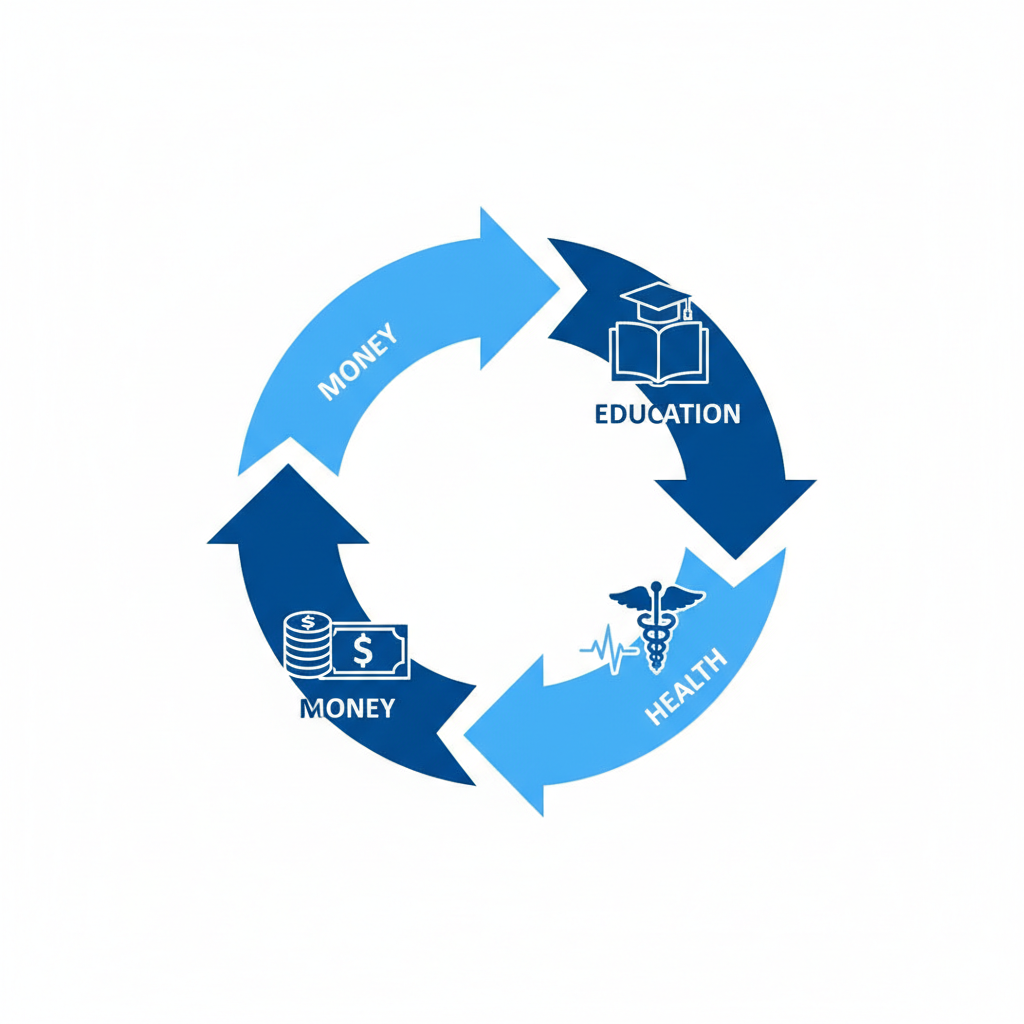
Conclusion: The Cycle of Inequality

Social class is not just a statistical category; it is a cultural machine.

Educational Outcome: Cultural Capital determines who fits the system.
Health Outcome: Habitus and material risks dictate lifespan.
Policy Implication: Redistribution of wealth (Stiglitz) is necessary but insufficient without addressing cultural exclusion in institutions (Bourdieu).
An abstract cycle diagram showing money leading to education leading to health leading back to money, circular concept, minimal blue tone
Made byBobr AI
Bobr AI

DESIGNER-MADE
PRESENTATION,
GENERATED FROM
YOUR PROMPT

Create your own professional slide deck with real images, data charts, and unique design in under a minute.

Generate For Free

Cultural Roots of Health and Education Inequality

Explore how Bourdieu’s cultural capital, Beck’s risk society, and Stiglitz’s economic theories explain social class disparities in health and education.

Social Class as a Cultural Phenomenon: Impacts on Health & Education

An Integrated Analysis of Bourdieu, Beck, and Stiglitz

Advanced Sociology | Module: Culture & Inequality

Defining the Phenomenon: Class Beyond Economics

Traditional definitions of class focus on income and occupation. However, as a cultural phenomenon, class is 'lived experience' embedded in our institutions.

Embodiment: Class is not just what you have, but who you are (your tastes, accent, posture).

Transmission: Privilege is transmitted obscurely through 'legitimate culture' in schools and healthcare settings.

Institutional Bias: Systems are designed by the middle class, for the middle class, creating unseen barriers for others.

Theoretical Lens: Pierre Bourdieu

Habitus

Deeply ingrained habits, skills, and dispositions. It is the physical embodiment of cultural capital (e.g., how one eats, speaks, or approaches a doctor).

Cultural Capital

Forms of knowledge, skills, education, and advantages that a person has, which give them a higher status in society and institutional 'credit'.

Field

The specific social environment (e.g., Exploring the Education System or NHS). A person's 'Habitus' must fit the 'Field' to succeed.

Application 1: Education & Cultural Reproduction

The 'Hidden Curriculum' favors students with specific cultural capital. Data shows that even with similar ability, socioeconomic status (SES) dictates university outcomes.

Schools are 'middle-class fields'. The language used, the assessment styles, and the expected behaviors validate middle-class habitus.

Working-class students often experience 'symbolic violence'—their culture is devalued, leading to self-elimination ('School isn't for people like me').

Application 2: Health as A Cultural Performance

Health behaviors are not merely 'choices' but expressions of *Habitus*. The body is a site where class distinction is performed.

Food & Taste: Bourdieu argues the working-class 'taste of necessity' prioritizes filling/cheap food, while middle-class 'taste of luxury' prioritizes presentation/health.

Doctor-Patient Interaction: Middle-class patients possess the 'linguistic capital' to negotiate with doctors, resulting in better diagnoses and care plans.

Support Theory: Beck's 'Risk Society'

"Smog is democratic, but risks are hierarchical."

Unequal Exposure: While modernization creates risks for everyone (e.g., climate change), the lower classes lack the resources to mitigate them.

Environmental Classism: Working-class housing is disproportionately located near pollution sources, food deserts, and lacks green spaces.

Individualization of Health: Beck argues society shifts structural blame to the individual ('It's your fault for smoking'), ignoring environmental constraints.

Evidence of Inequality: UK Health Gradients

Quantifying the 'Risk Society' and 'Class Habitus': Physical outcomes mirror social stratification.

9.4 Years

Gap in life expectancy between wealthiest and poorest men (Marmot Review 2020).

19 Years

Gap in 'Healthy Life Expectancy' - the poor spend more years in ill health.

Stiglitz: Economic Inequality as Opportunity Suppression

While Bourdieu focuses on culture, Joseph Stiglitz emphasizes the hard economic structures that block opportunity.

Inequality of Opportunity: Economic disparity means talent in lower classes is wasted because they cannot access high-quality education or health resources.

Rent Seeking: The wealthy shape policies (healthcare privatization, tuition fees) to protect their advantages, reinforcing the 'Medication of Inequality'.

The Price of Inequality (2012)

Critical Analysis: Strengths & Weaknesses

Strengths of the Cultural/Structural Approach

Moves beyond 'blaming the victim' (Bourdieu). Explains persistence of inequality despite welfare states (Stiglitz). Links micro-behavior to macro-structure (Habitus).

Theoretical Limitations

Determinism: Can minimize individual agency/resilience (Jenkins' critique of Bourdieu). Economic Reductionism: Sometimes treats culture solely as a product of money. Outdated? Do 'class' boundaries still exist in the age of social media?

Conclusion: The Cycle of Inequality

Social class is not just a statistical category; it is a cultural machine.

<strong>Educational Outcome:</strong> Cultural Capital determines who fits the system.

<strong>Health Outcome:</strong> Habitus and material risks dictate lifespan.

<strong>Policy Implication:</strong> Redistribution of wealth (Stiglitz) is necessary but insufficient without addressing cultural exclusion in institutions (Bourdieu).

  • sociology
  • bourdieu
  • social-inequality
  • cultural-capital
  • habitus
  • health-disparities
  • educational-inequality