









Made byBobr AI

The Hidden Cost of Discounts on Luxury Brand Value

Explore how discount-driven sales strategies can damage long-term brand equity and discover sustainable alternatives for luxury and fashion brands.

#brand-strategy#luxury-marketing#pricing-strategy#fashion-business#brand-equity#marketing-analytics
Watch
Pitch
Split screen composition, high contrast, photorealistic. Left side: elegant luxury retail store interior, marble floors, minimal lighting, gold accents, premium branding atmosphere. Right side: chaotic retail liquidation sale, messy piles of clothes, large red 'SALE' and '50% OFF' signs, harsh fluorescent lighting. Cinematic lighting.

Discount-driven sales strategies destroy long-term brand value

Why short-term sales hurt brands in the long run

Your Name | Study Programme | Course Name – 2026
Made byBobr AI

Agenda

  • 01. What are discount-driven sales strategies
  • 02. Why companies rely on discounts
  • 03. Impact on long-term brand value
  • 04. Facts, statistics & brand examples
  • 05. Counterargument, rebuttal & conclusion
Minimalist business icons set arranged neatly: strategy chess piece, sales growth graph, dna helix for branding, magnifying glass for data. White lines on dark grey background, clean vector style, high quality.
Made byBobr AI

What are discount-driven sales strategies?

  • Frequent price promotions and continuous sales cycles
  • Discounts positioned as the primary reason to buy
  • Operational focus on volume turnover instead of value retention
  • Conditioning customers to expect permanently lower prices

Price becomes more important than brand identity.

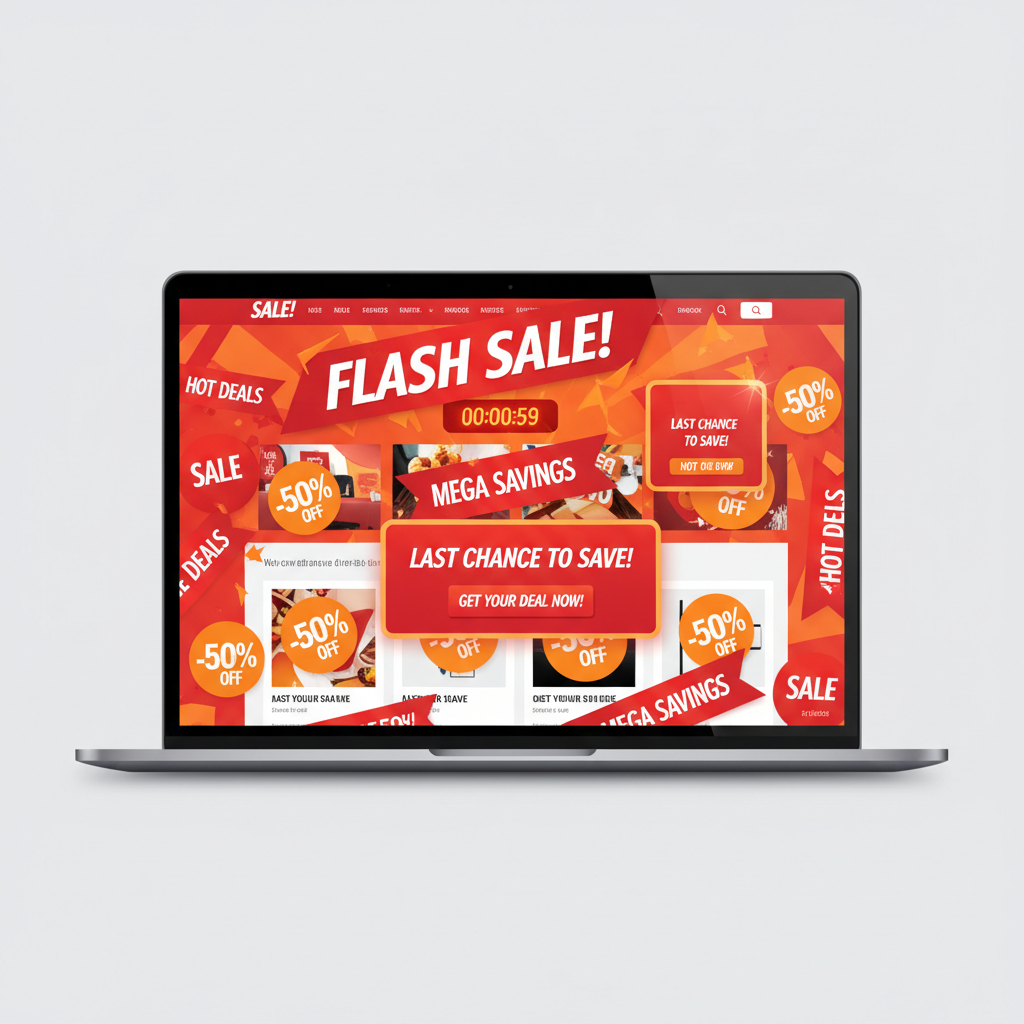
E-commerce website interface on laptop screen, cluttered with aggressive red 'SALE' banners, countdown timers, -50% tags, popups, overwhelming discount visuals, orange and red accents, digital screenshot style.
Made byBobr AI
Professional corporate team in a meeting room looking at a large screen showing a steeply rising line graph marked with red promotional discount tags. Business attire, modern office, focus on the data screen.

Why do brands rely on discounts?

  • Quick increase in short-term sales numbers
  • Immense competitive pressure from the market
  • Internal focus on quarterly targets over long-term equity
  • Perceived as the easiest solution for fast results

Discounts solve short-term problems, not long-term ones.

Made byBobr AI

How discounts damage brand value

  • Lower perceived product quality and prestige
  • Customers act strategically, waiting for the next sale
  • Full price listing loses credibility completely
  • Brand becomes permanently associated with ‘cheap’

“When everything is on sale, nothing feels premium.”

Conceptual photorealistic image. A luxury fashion price tag made of thick cardstock is ripped in half. A bright cheap fluorescent orange 'SALE' sticker is plastered over the elegant brand logo. Dark dramatic lighting, high detail.
Made byBobr AI

Facts & Business Evidence

• McKinsey: A 1% price decrease cuts operating profits by ~8%

• Harvard Business Review: Frequent discounts erode brand loyalty

• Price-focused customers are statistically less loyal to brands

Chart

Case Study: Brands that avoid discounts

Strong brands maintain pricing power by focusing on product value rather than promotional incentives.

Apple logo white on transparent
Patagonia logo white on transparent

Examples of premium equity resilience

Made byBobr AI

Counterargument: “Discounts increase sales”

  • Generates immediate short-term sales growth
  • Can attract new price-conscious customers
  • Effective for clearing excess inventory (liquidation)
  • Helpful cash-flow boost during economic downturns

Discounts seem effective — at first.

3D render of a business bar chart rising sharply, with red sale tags attached to the tallest bars. Clean grey background, neutral business style.
Made byBobr AI
Split screen comparison. Left side: drab grey store with cheap red sale flyers. Right side: lush, vibrant, premium store display with gold lighting and no signs. High contrast between cheap vs premium.

Why this strategy fails in the long run

  • Short-term volume gains ≠ long-term profitability
  • Erodes margins and trains customers to be price-sensitive
  • Creating a 'discount addiction' is hard to reverse

Sustainable Alternatives:

✓ Loyalty Programs | ✓ Exclusive Offers | ✓ Strong Storytelling

Made byBobr AI

Conclusion

  • Discounts should be used strategically and sparingly
  • Brand value and pricing power are more critical than volume
  • Long-term thinking creates sustainable growth
  • Strong brands sell on value proposition, not price points

Long-term brand value beats short-term sales.

Abstract representation of high value: a polished diamond or gold object on a pedestal with minimal dramatic lighting, calm atmosphere, dark background, photorealistic.
Made byBobr AI
Dark grey business texture background, subtle geometric lines, professional and clean, 4k resolution.

Thank you for listening

Questions?

Your Name – Course – 2026

Made byBobr AI
Bobr AI

DESIGNER-MADE
PRESENTATION,
GENERATED FROM
YOUR PROMPT

Create your own professional slide deck with real images, data charts, and unique design in under a minute.

Generate For Free

The Hidden Cost of Discounts on Luxury Brand Value

Explore how discount-driven sales strategies can damage long-term brand equity and discover sustainable alternatives for luxury and fashion brands.

<span style='color: #e74c3c;'>Discount</span>-driven sales strategies destroy long-term brand value

Why short-term sales hurt brands in the long run

Your Name | Study Programme | Course Name – 2026

Agenda

What are discount-driven sales strategies

Why companies rely on discounts

Impact on long-term brand value

Facts, statistics & brand examples

Counterargument, rebuttal & conclusion

What are discount-driven sales strategies?

Frequent price promotions and continuous sales cycles

Discounts positioned as the primary reason to buy

Operational focus on volume turnover instead of value retention

Conditioning customers to expect permanently lower prices

Price becomes more important than brand identity.

Why do brands rely on discounts?

Quick increase in short-term sales numbers

Immense competitive pressure from the market

Internal focus on quarterly targets over long-term equity

Perceived as the easiest solution for fast results

Discounts solve short-term problems, not long-term ones.

How discounts damage brand value

Lower perceived product quality and prestige

Customers act strategically, waiting for the next sale

Full price listing loses credibility completely

Brand becomes permanently associated with ‘cheap’

“When everything is on sale, nothing feels premium.”

Facts & Business Evidence

McKinsey: A 1% price decrease cuts operating profits by ~8%

Harvard Business Review: Frequent discounts erode brand loyalty

Price-focused customers are statistically less loyal to brands

Case Study: Brands that avoid discounts

Counterargument: “Discounts increase sales”

Generates immediate short-term sales growth

Can attract new price-conscious customers

Effective for clearing excess inventory (liquidation)

Helpful cash-flow boost during economic downturns

Discounts seem effective — at first.

Why this strategy fails in the long run

Short-term volume gains ≠ long-term profitability

Erodes margins and trains customers to be price-sensitive

Creating a 'discount addiction' is hard to reverse

Sustainable Alternatives:

✓ Loyalty Programs | ✓ Exclusive Offers | ✓ Strong Storytelling

Conclusion

Discounts should be used strategically and sparingly

Brand value and pricing power are more critical than volume

Long-term thinking creates sustainable growth

Strong brands sell on value proposition, not price points

Long-term brand value beats short-term sales.

Thank you for listening

Questions?

Your Name – Course – 2026

  • brand-strategy
  • luxury-marketing
  • pricing-strategy
  • fashion-business
  • brand-equity
  • marketing-analytics