



Exploring Identity and Belonging: Digital & Real-Life Tips
Learn about the identity iceberg, the difference between fitting in and belonging, and how social groups and online avatars shape who you are today.
IDENTITY: UNDER CONSTRUCTION
Discovering who you are, what you stand for, and where you fit in.
THE IDENTITY ICEBERG
ABOVE THE SURFACE (Visible): Height, Clothing Style, Skin Color, What you say.
BELOW THE SURFACE (Invisible): Values, Beliefs, Fears, Dreams, Personality.
WHAT SHAPES US?
Common influences on middle school identity development (Illustrative Data)
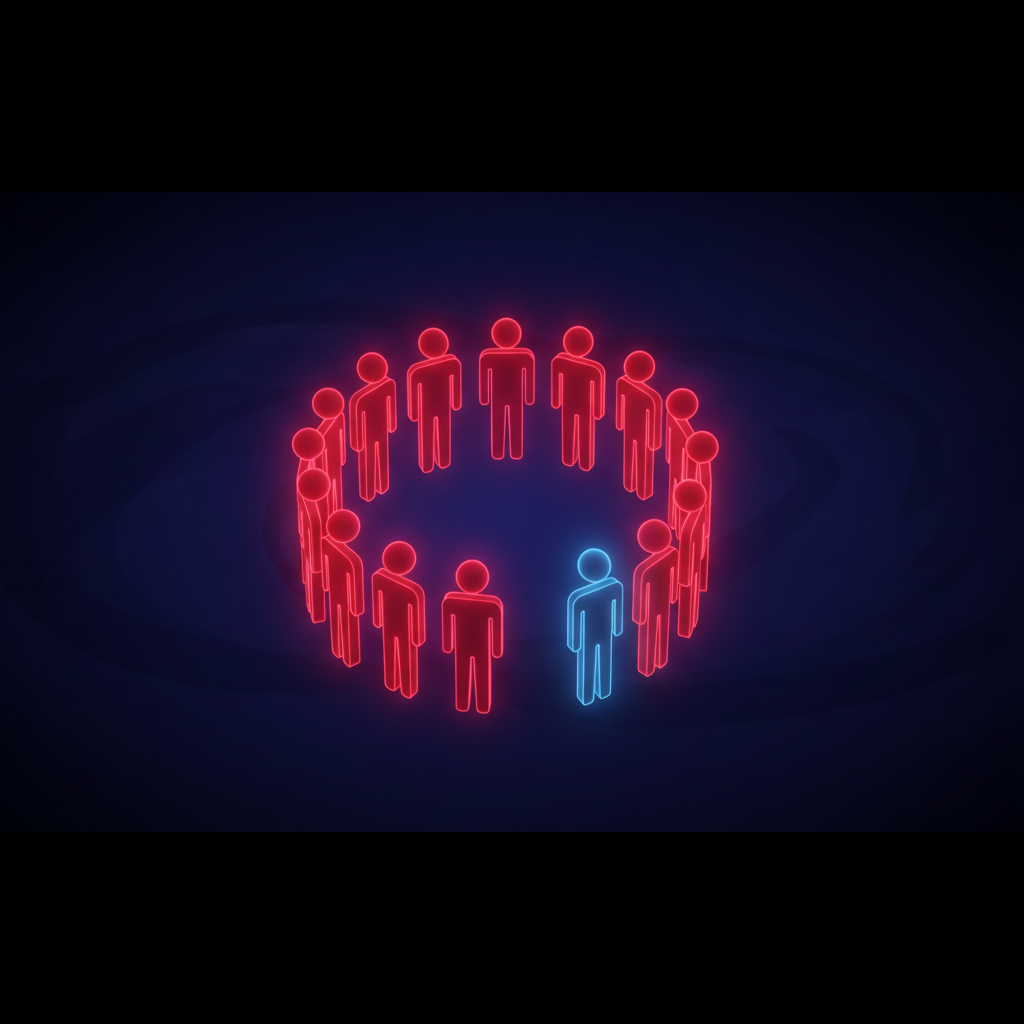
BELONGING VS. FITTING IN
FITTING IN
Start changing yourself to be accepted. You act like someone you aren't so the group likes you.
BELONGING
Being accepted for who you truly are. You don't have to change your personality to feel safe.
IN-GROUPS & OUT-GROUPS
It's natural to form tribes. But how do we treat those outside our circle?
Think: Have you ever excluded someone just because they weren't in your 'crew'?
DISCUSSION: THE LUNCH TABLE
A new kid, Alex, sits down at your usual table. He wears different clothes and talks about a game nobody else plays. Your friend whispers, 'Why is he here?'
1. What is the 'In-Group' thinking?
2. How does this affect Alex's identity?
3. What would a leader do in this moment?
BUILD YOUR FOUNDATION
Your identity is built on your values—the things you care about most.
LOYALTY
HONESTY
COURAGE
HUMOR
KINDNESS
CREATIVITY
ONLINE VS. REAL LIFE
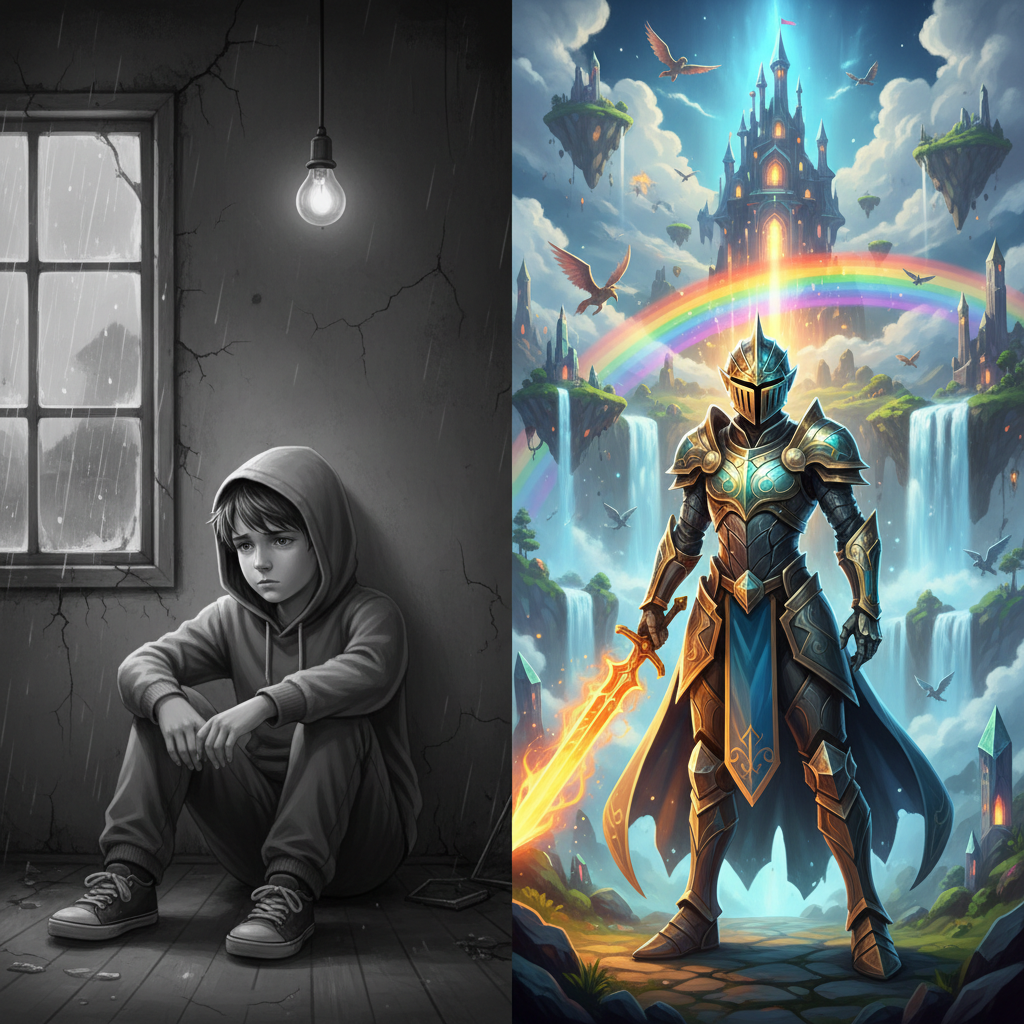
Is your avatar the real you?
Why is it easier to be 'someone else' online?
Risk: Confusing likes with actual friendship.
WHO WILL YOU BE?
Your identity is not fixed. It is a project you work on every day.
Challenge: Do one thing this week that is 100% YOU, even if it's not popular.
BE YOURSELF. EVERYONE ELSE IS TAKEN.
- Oscar Wilde
- self-identity
- social-emotional-learning
- middle-school
- character-education
- belonging
- digital-citizenship
- psychology