


AI in Healthcare: Transforming Medicine & Patient Care
Explore how deep learning is revolutionizing medical imaging, drug discovery, and predictive diagnostics for better patient outcomes.
AI in Medicine
How Deep Learning Saves Lives
Base Study: Deep Learning in Healthcare (2019-2025)
This presentation summarizes findings on how Deep Learning transforms medical imaging, drug discovery, and patient care methods.
Source Review: Esteva, A. et al. 'A guide to deep learning in healthcare'. Nature Medicine (Review).
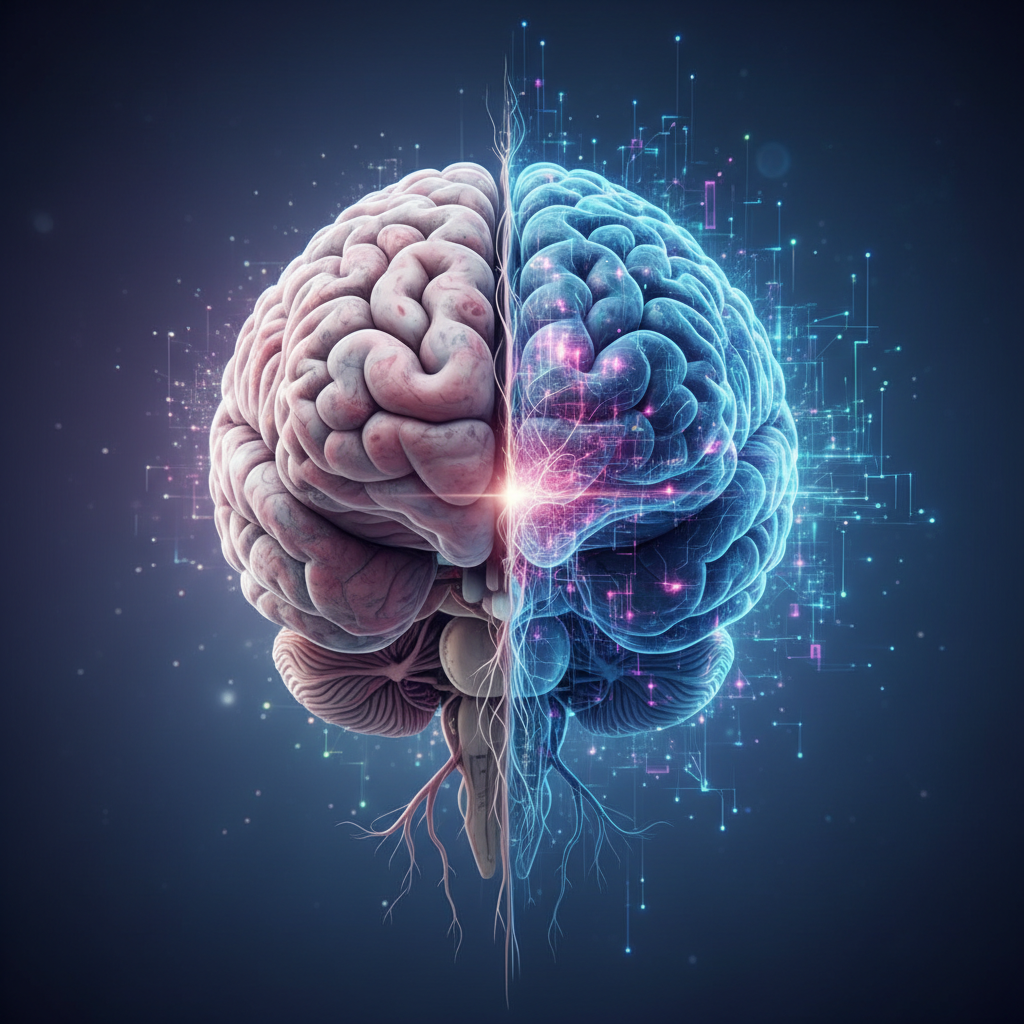
What is Deep Learning?
Think of it as a 'Computer Brain'. Unlike standard software, it learns patterns from examples—just like a medical student learns from thousands of case studies.
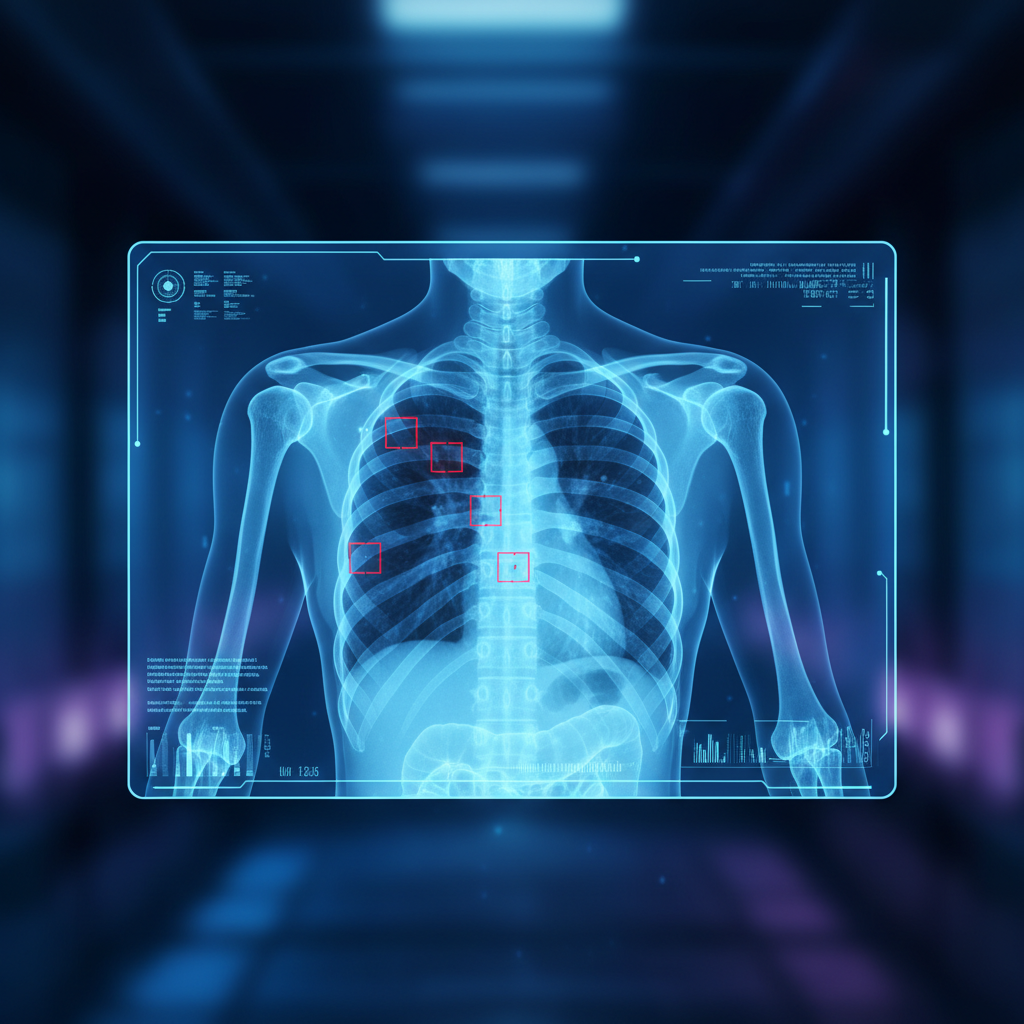
The Super-Vision: Medical Imaging
AI models (CNNs) analyze X-rays, CT scans, and MRIs to detect cancer earlier than humanly possible. It scans every pixel for anomalies.
Accuracy: AI vs. Traditional Methods
In specific tasks like detecting Pneumonia or skin cancer, deep learning models often match or exceed expert performance.
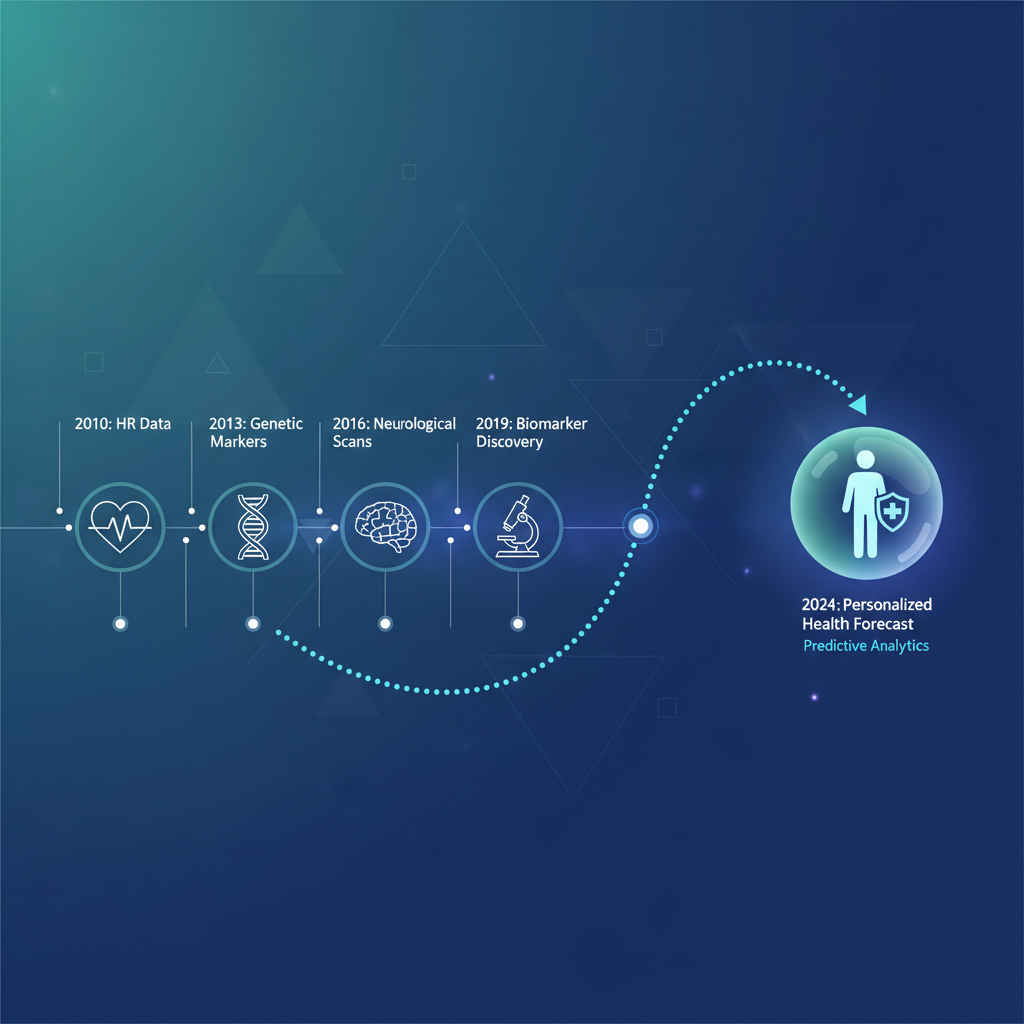
Predicting the Future
• Analyzes medical history (EHR) instantly.
• Predicts risks: Heart attacks, Sepsis, or Diabetes.
• Allows doctors to treat problems *before* they happen.
Accelerated Drug Discovery
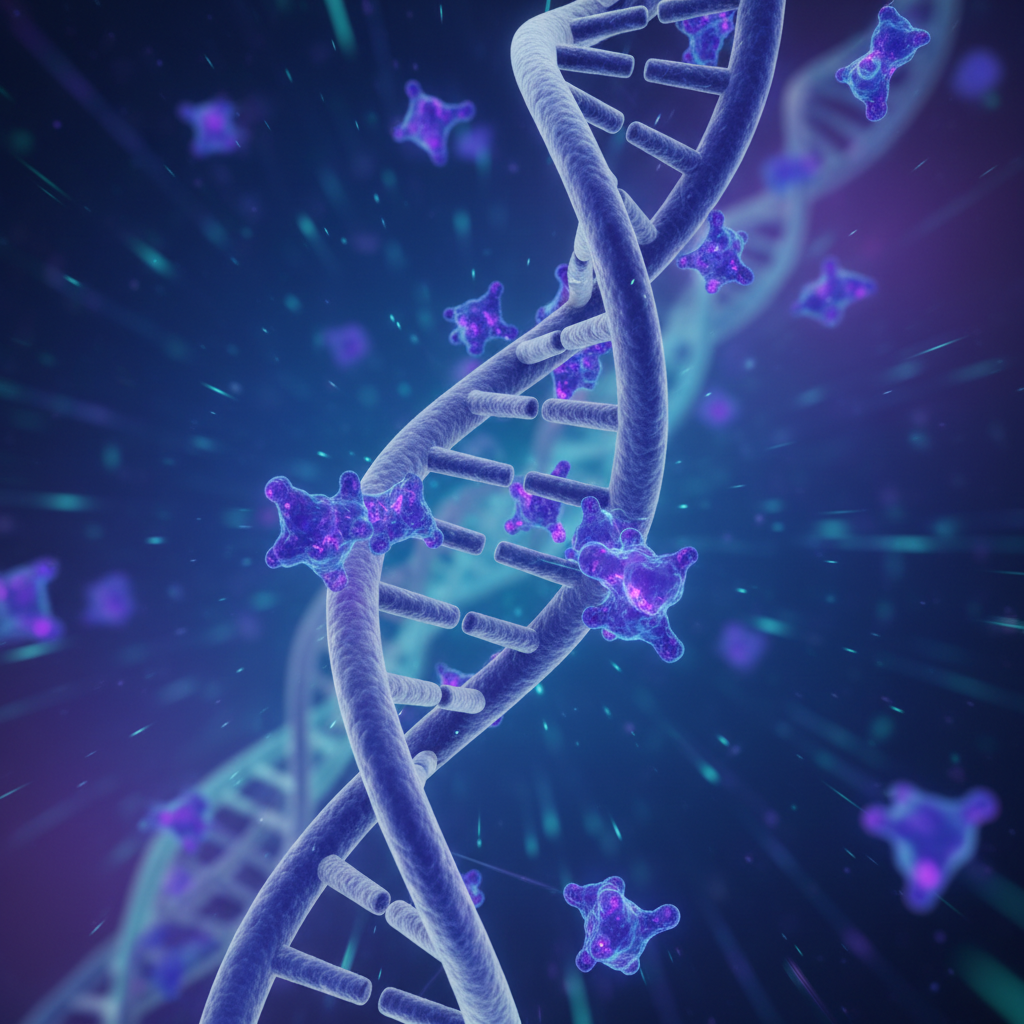
Creating a new drug usually takes 10+ years. AI simulates molecular interactions in seconds, identifying potential cures for genomic diseases rapidly.
AI in Your Pocket
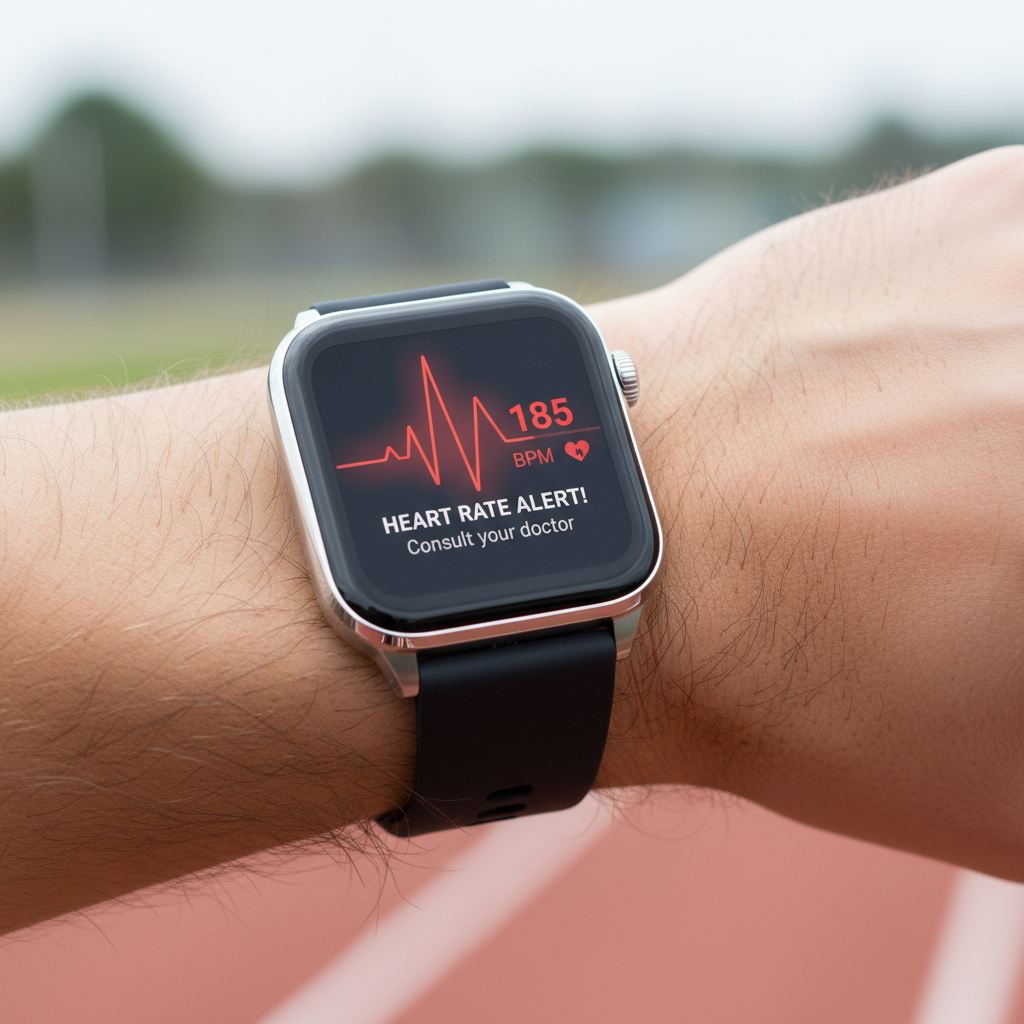
Wearables (like Apple Watch) use AI to monitor heart rhythm irregularities (Arrhythmia) in real-time, alerting you to seek help.
Key Challenges
1. The Black Box: It's hard to understand *how* AI made a decision.
2. Data Privacy: Who owns your medical data?
3. Bias: Models must be trained on diverse populations.
The Future of Care
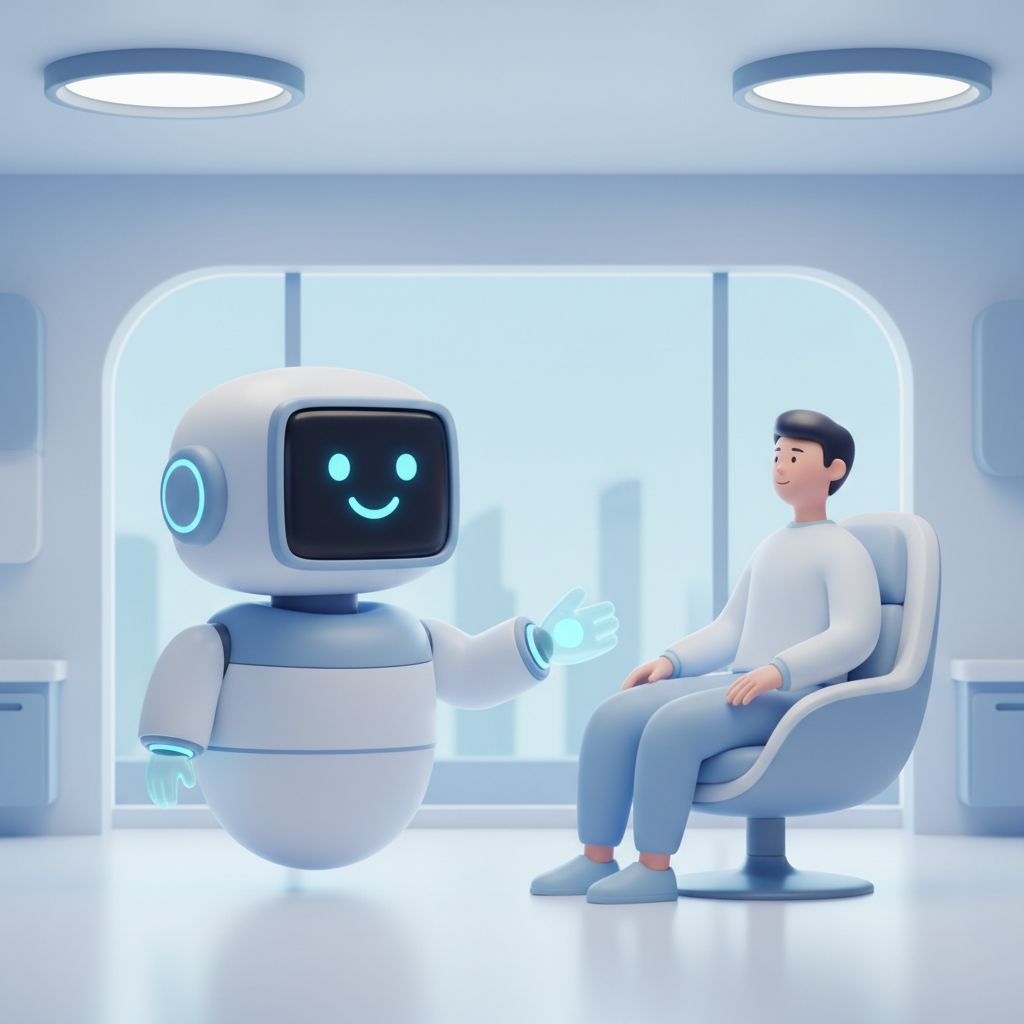
AI is not here to replace doctors, but to give them 'Superpowers'. The goal is equitable, accurate, and personalized medicine for everyone.
- ai
- healthcare
- deep-learning
- medical-imaging
- drug-discovery
- digital-health
- ai-ethics
- predictive-analytics