


Made byBobr AI

Understanding RhoGAM: Mechanisms, Timing, and Clinical Use

A clinical guide to Anti-D (RhoGAM) prophylaxis, HDFN prevention, dosing protocols, and laboratory interpretation for Rh-negative pregnancies.

#rhogam#anti-d#obstetrics#hematology#pregnancy-care#blood-bank#alloimmunization
Watch
Pitch

Understanding Anti-D (RhoGAM)

Mechanism of Action, Clinical Indications, and Laboratory Interpretation

Target Audience: Clinicians, Students, and Laboratory Scientist

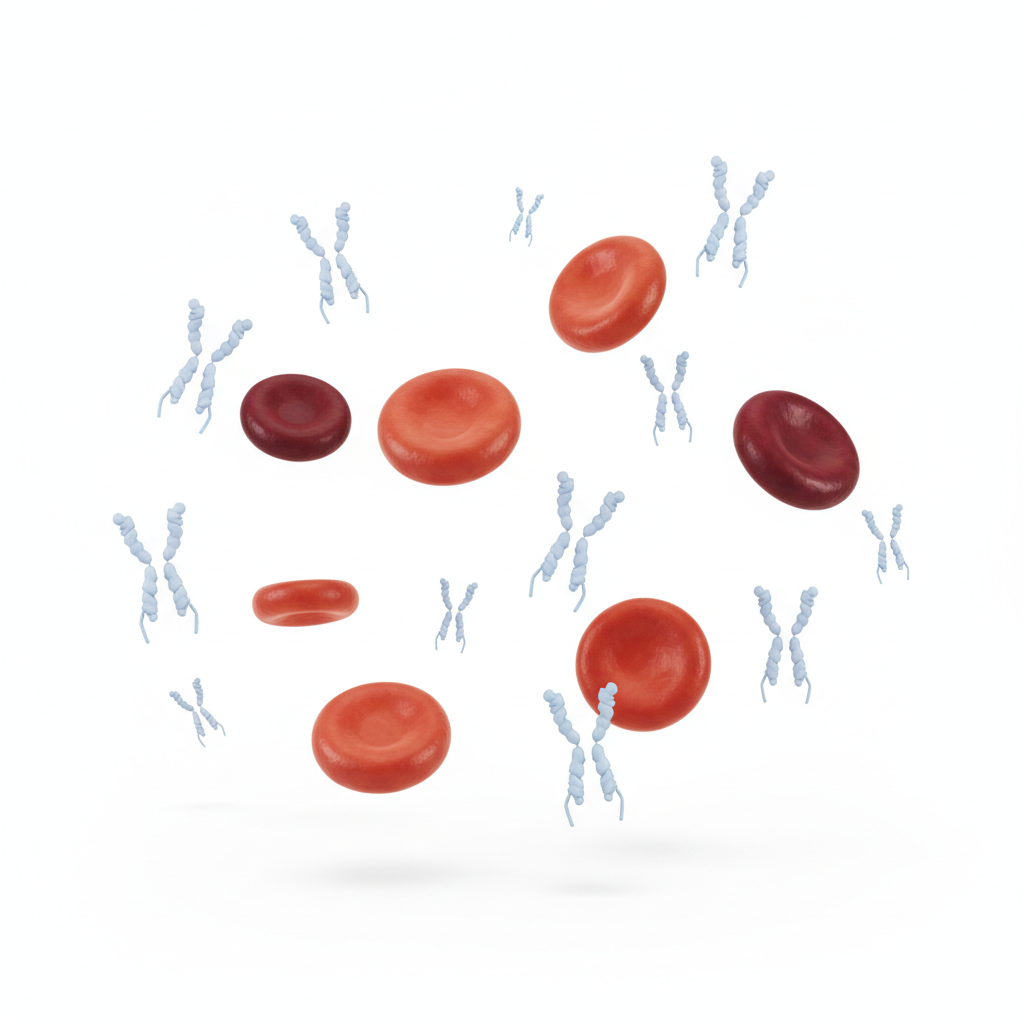
clean medical illustration 3d render of red blood cells with y-shaped IgG antibodies floating nearby, high key lighting, white background, scientific accuracy
Made byBobr AI

The Clinical Necessity: HDFN

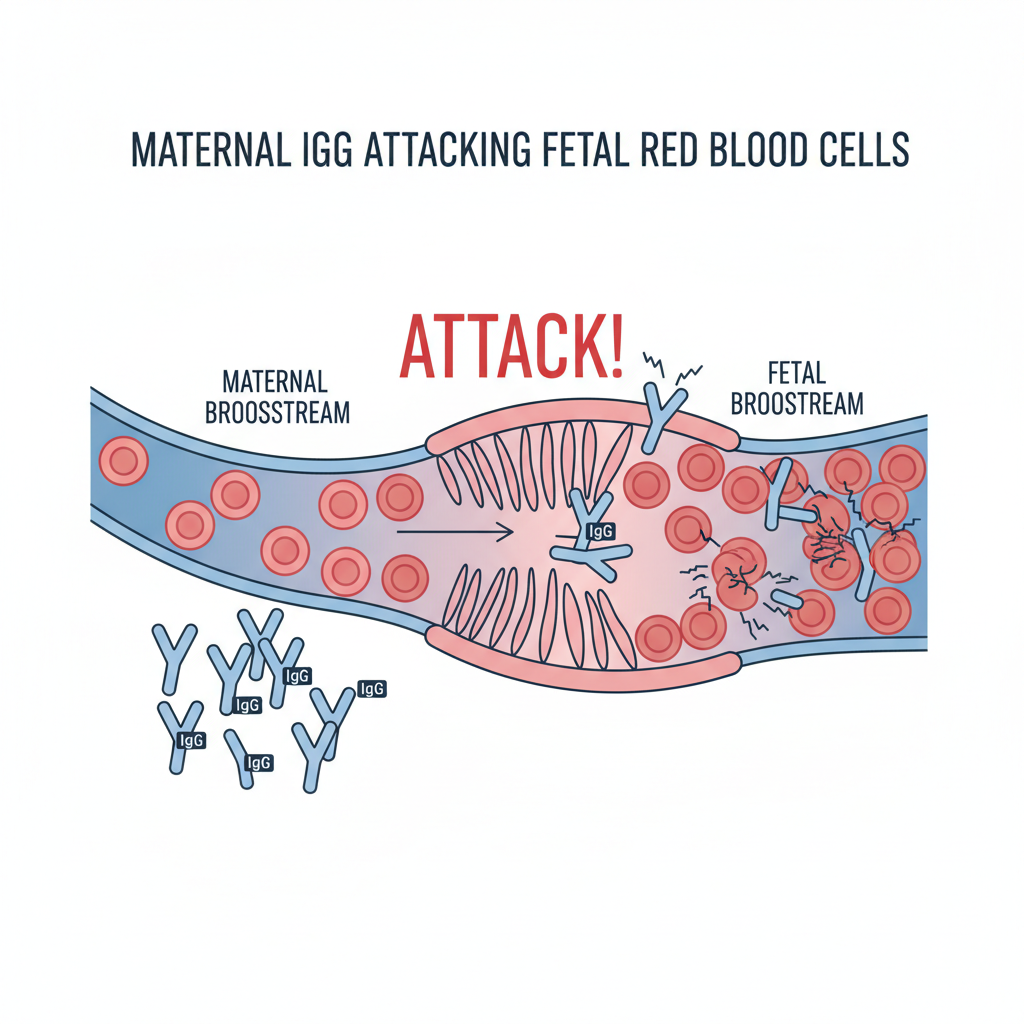
  • Hemolytic Disease of the Fetus and Newborn (HDFN) occurs when maternal antibodies destroy fetal RBCs.
  • Rh-negative (D-) mothers exposed to Rh-positive (D+) fetal blood develop active immunity (Alloimmunization).
  • Subsequent pregnancies with D+ fetuses trigger rapid IgG attack, causing fetal anemia and hydrops.
diagram showing maternal IgG antibodies crossing the placenta to attack fetal red blood cells, educational medical style, clean lines
Made byBobr AI

Mechanism of Action

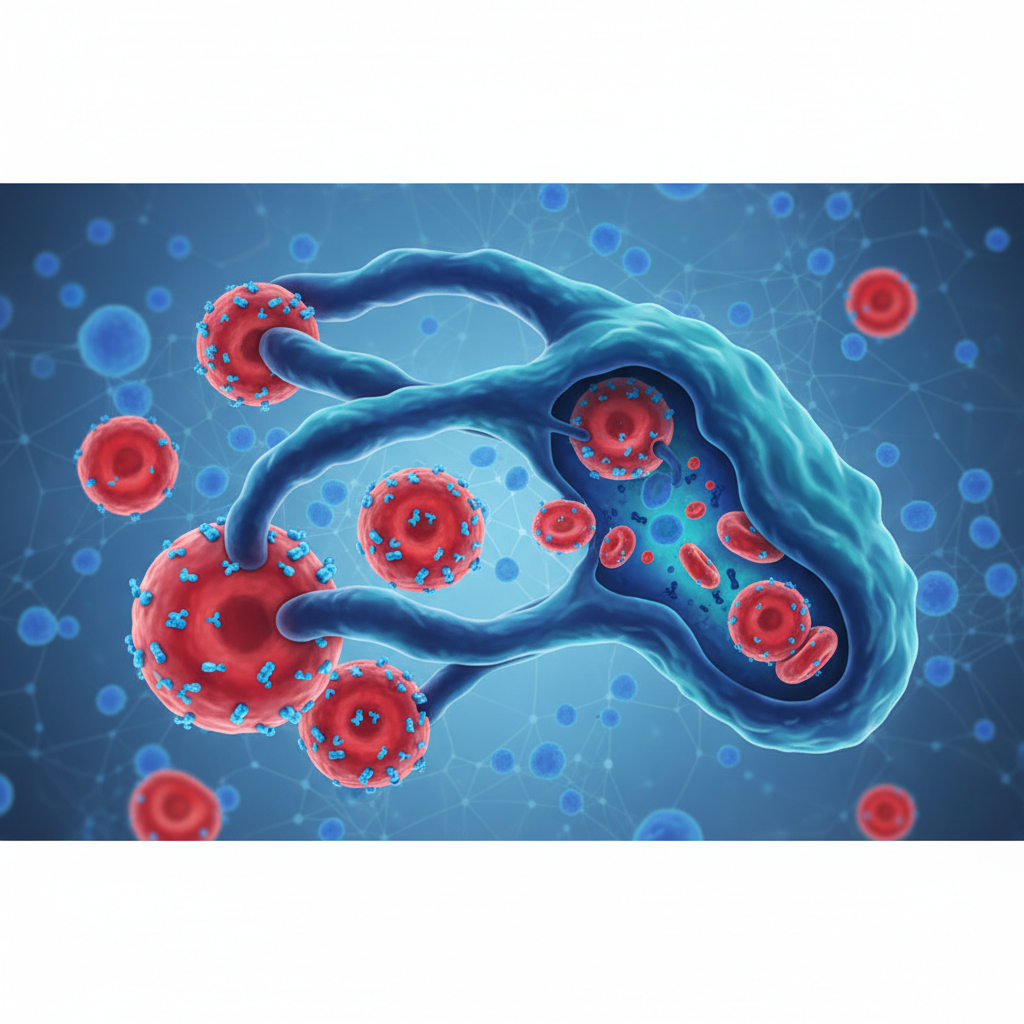
RhoGAM (Rh Immunoglobulin/RhIg) provides 'Passive Immunity' to suppress the maternal immune response.

Scientific illustration of macrophage clearing antibody-coated red blood cells, close up cellular level, medical aesthetic, blue and red color palette
1. Clearance: Anti-D binds to D+ fetal cells in maternal circulation.

2. Antigen Masking: Blocks D-antigen epitopes (controversial theory).

3. Immunoregulation: Downregulates B-cell priming via Fc-gamma receptor stimulation.
Made byBobr AI

Standard Prophylaxis Protocol

Antenatal (Pregnant)

Time: 28 Weeks Gestation
Dose: 300 µg (1500 IU)
Goal: Protection effectively lasts ~12 weeks to cover third trimester bleeds.

Postpartum (Delivery)

Time: Within 72 Hours
Dose: 300 µg minimum
Req: Only if baby is Rh Positive (D+).
Note: Can be given up to 28 days post-delivery if missed.

Made byBobr AI

Dosing Logic: The 300µg Standard

One standard vial (300µg) suppresses immunity for up to 15 mL of Rh+ Red Blood Cells (approx. 30 mL whole blood).

Chart
Made byBobr AI

Indications: Sensitizing Events

Administer Anti-D immediately after any event posing a risk of fetomaternal hemorrhage.

  • Miscarriage / Threatened Abortion / Ectopic Pregnancy
  • Amniocentesis or CVS (Invasive procedures)
  • Abdominal Trauma (Car accident, falls)
  • External Cephalic Version (ECV)
  • Intrauterine Fetal Demise (IUFD)
abstract medical icon minimalist style representing trauma or obstetric procedure, clean lines, blue tones
Made byBobr AI

Quantifying the Bleed: FMH Testing

1. Rosette Test (Screen)

Qualitative test. Rh+ fetal cells form 'rosettes' around anti-D reagent. If positive, signifies a bleed >10 mL. Requires follow-up.

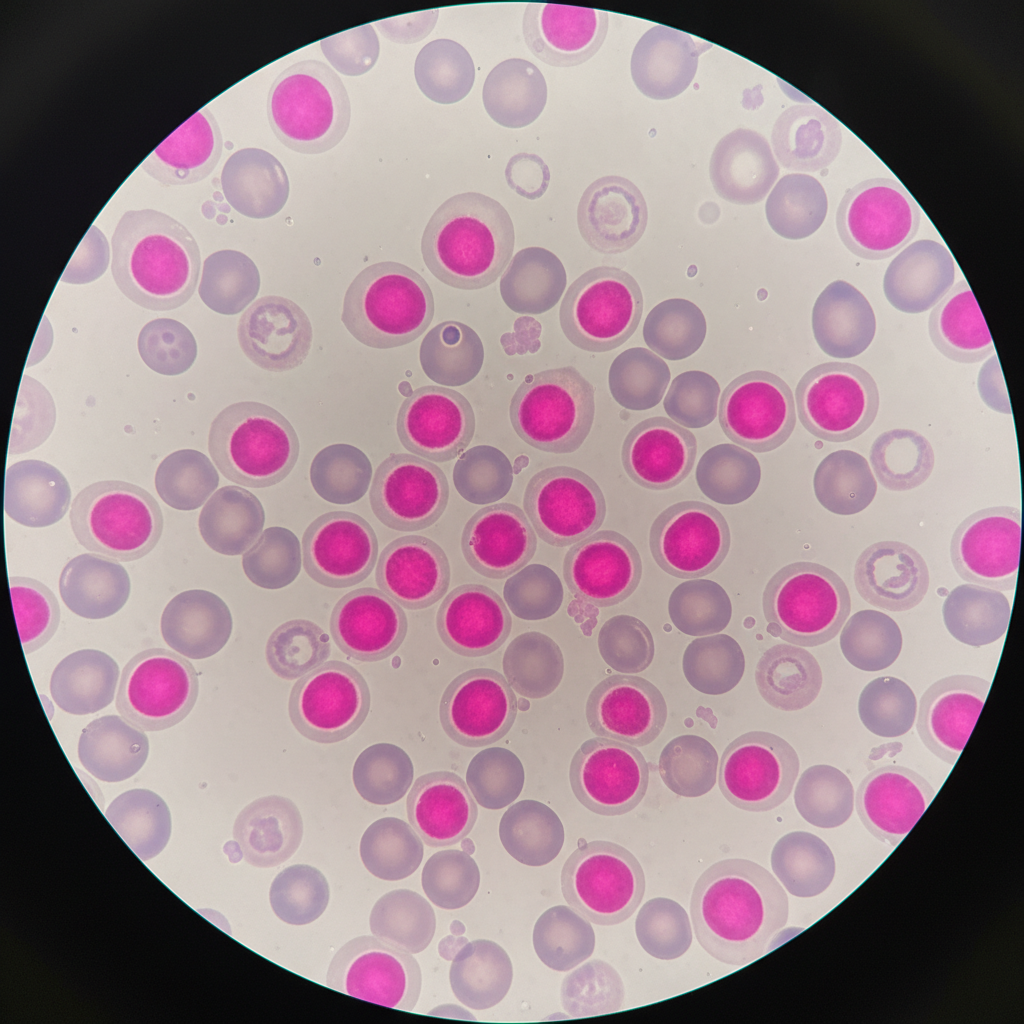
2. Kleihauer-Betke (Quant)

Quantitative acid elution test. Fetal Hgb (HbF) resists acid elution and stains dark pink; Maternal cells appear as 'ghost' cells. Determines exact # of vials needed.

Microscopic view of kleihauer-betke stain showing bright pink fetal cells against pale ghost maternal cells, circle view, medical lab style
Made byBobr AI

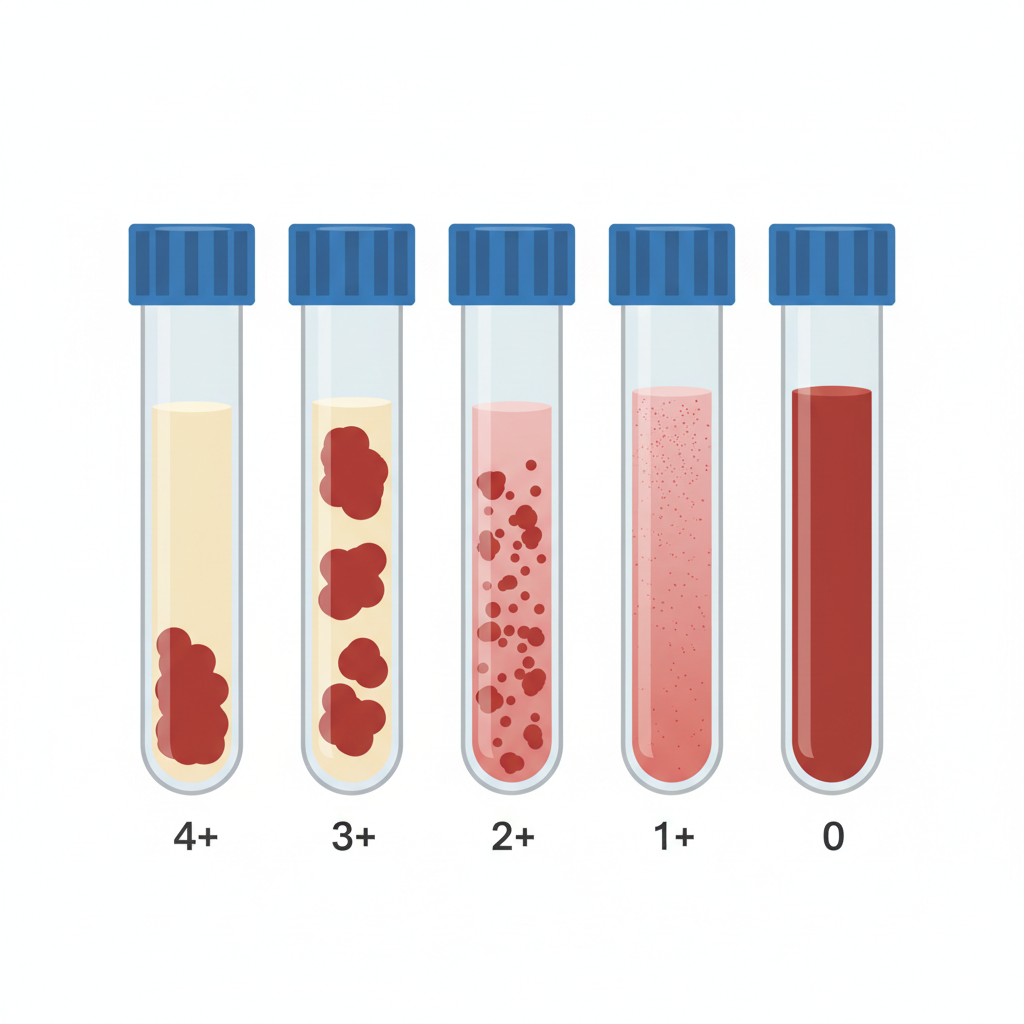
Lab Interpretation: Passive vs. Active Anti-D

A positive antibody screen for Anti-D is EXPECTED after RhoGAM administration.

Passively Acquired Anti-D
History of recent RhoGAM.
Titer is usually low (< 4).
No rising titer over time.
Active Allo-Anti-D (Sensitization)
Immune system response.
Titers can be very high (> 16).
History of previous sensitization.
Blood bank test tubes showing agglutination grading, clean medical vector art
Made byBobr AI

Contraindications & Exclusions

  • Rh Positive Females: Do not possess the risk phenotype.
  • Previously Sensitized: If a woman already has active anti-D alloantibodies, RhoGAM is ineffective (cannot reverse sensitization).
  • Rh Negative Baby: No D antigen exposure occurred.
Medical warning symbol or restriction sign, clean minimalist design, red and white
Made byBobr AI

Key Takeaways

  • Goal: Prevent active alloimmunization to D antigen.
  • Timing: Routine at 28 weeks & within 72 hrs postpartum.
  • Dosing: Standard 300µg covers 15mL fetal RBCs.
  • Testing: Always screen for bleed volume (FMH) if suspicious.
  • Lab: Expect positive antibody screens post-administration.
Questions?
Made byBobr AI
Bobr AI

DESIGNER-MADE
PRESENTATION,
GENERATED FROM
YOUR PROMPT

Create your own professional slide deck with real images, data charts, and unique design in under a minute.

Generate For Free

Understanding RhoGAM: Mechanisms, Timing, and Clinical Use

A clinical guide to Anti-D (RhoGAM) prophylaxis, HDFN prevention, dosing protocols, and laboratory interpretation for Rh-negative pregnancies.

Understanding Anti-D (RhoGAM)

Mechanism of Action, Clinical Indications, and Laboratory Interpretation

Target Audience: Clinicians, Students, and Laboratory Scientist

The Clinical Necessity: HDFN

Hemolytic Disease of the Fetus and Newborn (HDFN) occurs when maternal antibodies destroy fetal RBCs.

Rh-negative (D-) mothers exposed to Rh-positive (D+) fetal blood develop active immunity (Alloimmunization).

Subsequent pregnancies with D+ fetuses trigger rapid IgG attack, causing fetal anemia and hydrops.

Mechanism of Action

RhoGAM (Rh Immunoglobulin/RhIg) provides 'Passive Immunity' to suppress the maternal immune response.

<span>1. Clearance:</span> Anti-D binds to D+ fetal cells in maternal circulation.<br/><br/><span>2. Antigen Masking:</span> Blocks D-antigen epitopes (controversial theory).<br/><br/><span>3. Immunoregulation:</span> Downregulates B-cell priming via Fc-gamma receptor stimulation.

Standard Prophylaxis Protocol

Antenatal (Pregnant)

Time: 28 Weeks Gestation<br>Dose: 300 µg (1500 IU)<br>Goal: Protection effectively lasts ~12 weeks to cover third trimester bleeds.

Postpartum (Delivery)

Time: Within 72 Hours<br>Dose: 300 µg minimum<br>Req: Only if baby is Rh Positive (D+). <br>Note: Can be given up to 28 days post-delivery if missed.

Dosing Logic: The 300µg Standard

One standard vial (300µg) suppresses immunity for up to 15 mL of Rh+ Red Blood Cells (approx. 30 mL whole blood).

Indications: Sensitizing Events

Administer Anti-D immediately after any event posing a risk of fetomaternal hemorrhage.

<ul><li>Miscarriage / Threatened Abortion / Ectopic Pregnancy</li><li>Amniocentesis or CVS (Invasive procedures)</li><li>Abdominal Trauma (Car accident, falls)</li><li>External Cephalic Version (ECV)</li><li>Intrauterine Fetal Demise (IUFD)</li></ul>

Quantifying the Bleed: FMH Testing

1. Rosette Test (Screen)

Qualitative test. Rh+ fetal cells form 'rosettes' around anti-D reagent. If positive, signifies a bleed >10 mL. Requires follow-up.

2. Kleihauer-Betke (Quant)

Quantitative acid elution test. Fetal Hgb (HbF) resists acid elution and stains dark pink; Maternal cells appear as 'ghost' cells. Determines exact # of vials needed.

Lab Interpretation: Passive vs. Active Anti-D

A positive antibody screen for Anti-D is EXPECTED after RhoGAM administration.

<b>Passively Acquired Anti-D</b><br>History of recent RhoGAM.<br>Titer is usually low (< 4).<br>No rising titer over time.

<b>Active Allo-Anti-D (Sensitization)</b><br>Immune system response.<br>Titers can be very high (> 16).<br>History of previous sensitization.

Contraindications & Exclusions

<ul><li><b>Rh Positive Females:</b> Do not possess the risk phenotype.</li><li><b>Previously Sensitized:</b> If a woman already has active anti-D alloantibodies, RhoGAM is ineffective (cannot reverse sensitization).</li><li><b>Rh Negative Baby:</b> No D antigen exposure occurred.</li></ul>

Key Takeaways

<ul><li><b>Goal:</b> Prevent active alloimmunization to D antigen.</li><li><b>Timing:</b> Routine at 28 weeks & within 72 hrs postpartum.</li><li><b>Dosing:</b> Standard 300µg covers 15mL fetal RBCs.</li><li><b>Testing:</b> Always screen for bleed volume (FMH) if suspicious.</li><li><b>Lab:</b> Expect positive antibody screens post-administration.</li></ul>

Questions?

  • rhogam
  • anti-d
  • obstetrics
  • hematology
  • pregnancy-care
  • blood-bank
  • alloimmunization