




The Psychology and History of Money: From Barter to DeFi
Explore how money evolved from barter to digital currency, the psychology of loss aversion, wealth distribution, and whether money truly buys happiness.
Money: It's All in Your Head
Navigating the Psychology, History, and Ethics of Wealth
The 'Double Coincidence' Problem
Before money, we had barter. But what if I have a chicken and need shoes, but the shoemaker is vegan? This friction led to the invention of currency.
The Evolution of Trust
Commodities: Salt, Shells, Cattle (Intrinsic Value)
Coins & Paper: Gold Standard (backed by metal)
Fiat: Backed by Government decree (Trust based)
Digital: Bits, Ledgers, & Crypto (Math based)
Loss Aversion: Why Losing Hurts More
Prospect Theory (Kahneman & Tversky) shows the pain of losing $100 is roughly twice the pleasure of gaining $100.
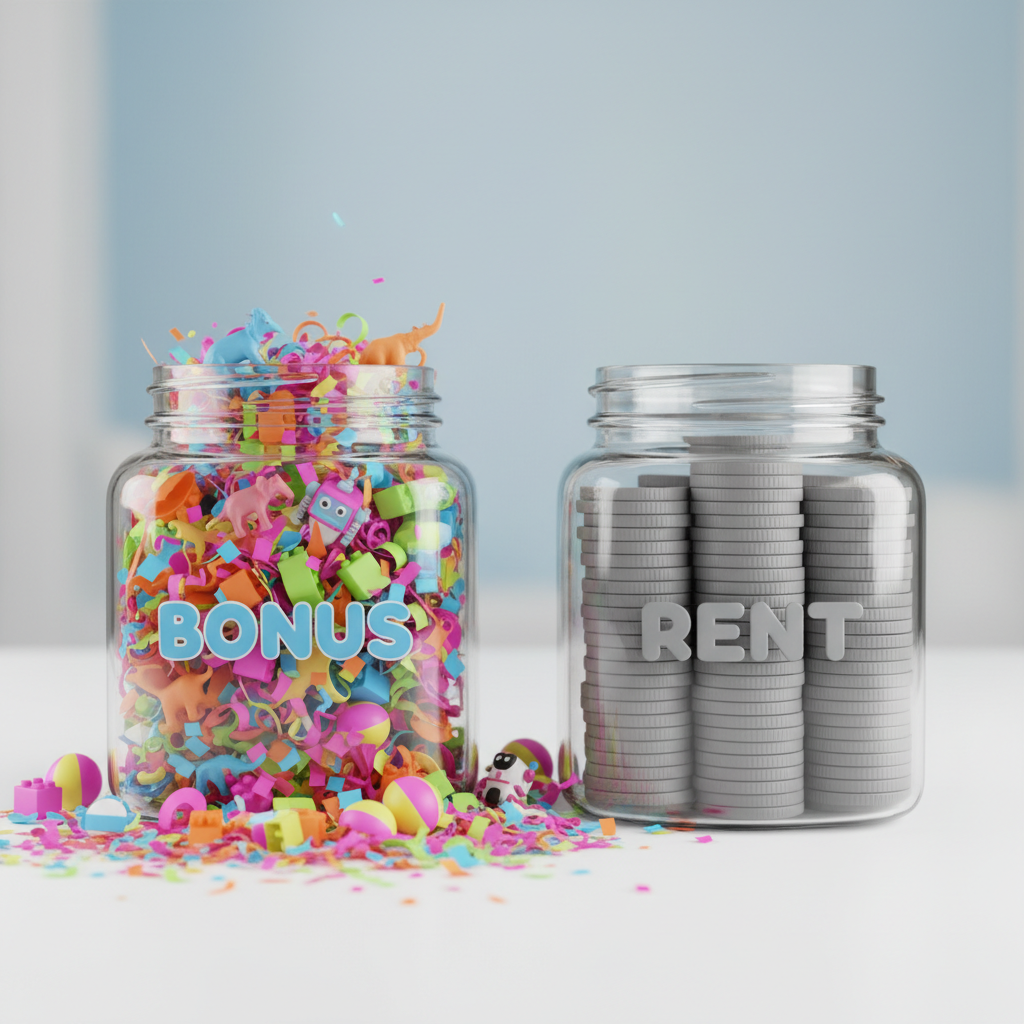
Mental Accounting
We put money into imaginary jars based on where it came from.
Casino wins = 'House Money' (Spend freely!)
Salary = 'Hard Earned' (Save carefully!)
The Global Wealth Gap
How total global wealth is distributed (Approximate)
Does Money Buy Happiness?
Research suggests emotional well-being rises with income but plateaus. After basics are met, more money yields diminishing returns on daily joy.
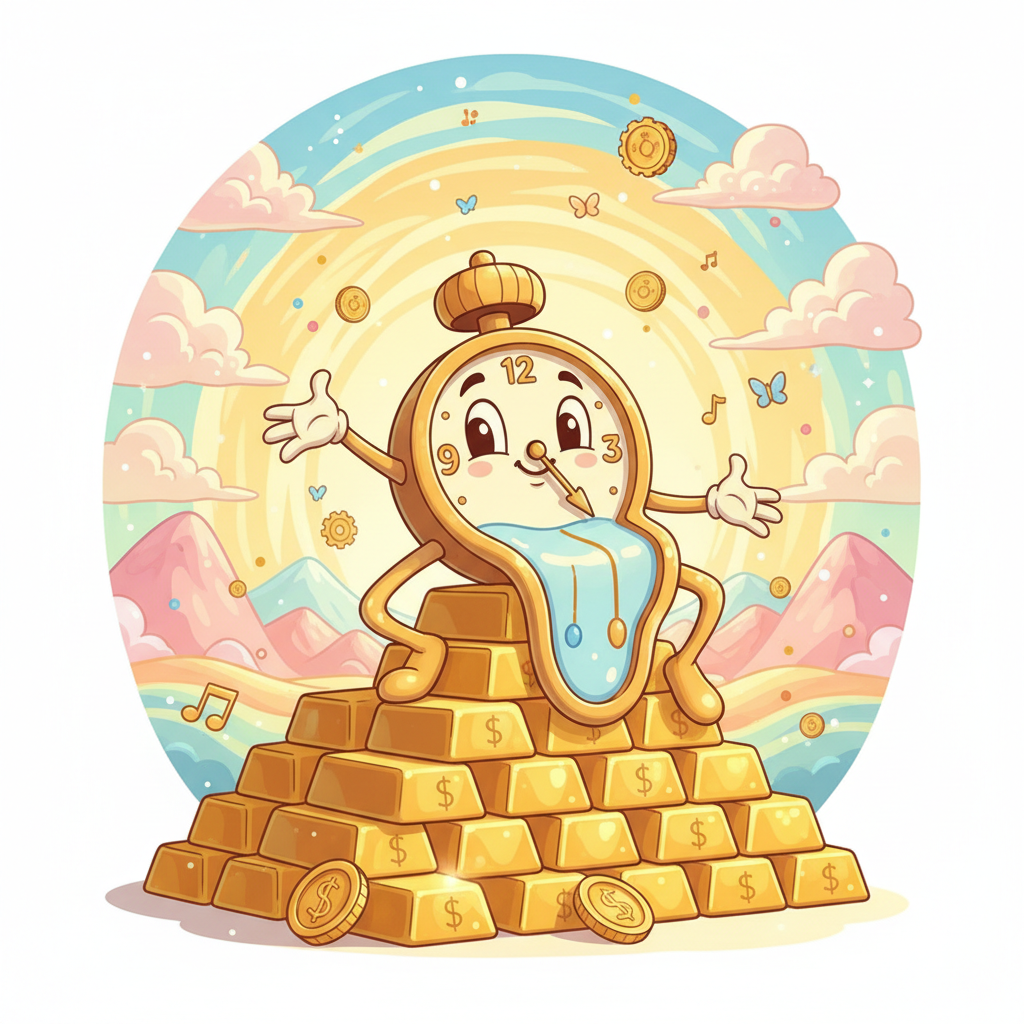
The 'Present Bias'
Would you rather have $100 today or $120 next month?
We differ disproportionate value to 'now'. This explains low savings rates and credit card debt.
The Future: Money as Data
Programmable Money (Smart Contracts)
Central Bank Digital Currencies (CDBCs)
Decentralized Finance (DeFi)
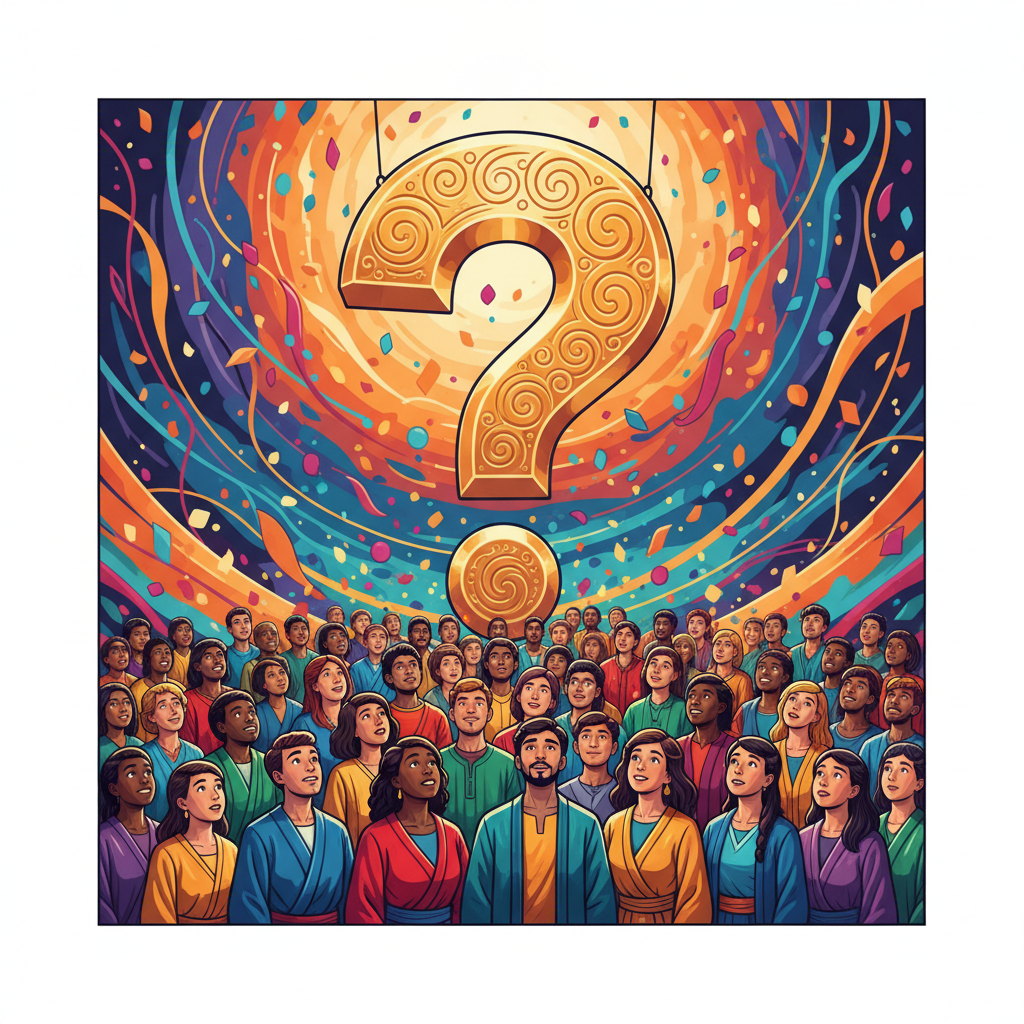
Debate: Is Money Real?
It is a shard hallucination. It is a tool. It is a voting machine. How will you use your votes?
- behavioral-economics
- history-of-money
- financial-psychology
- wealth-gap
- crypto-currency
- personal-finance