
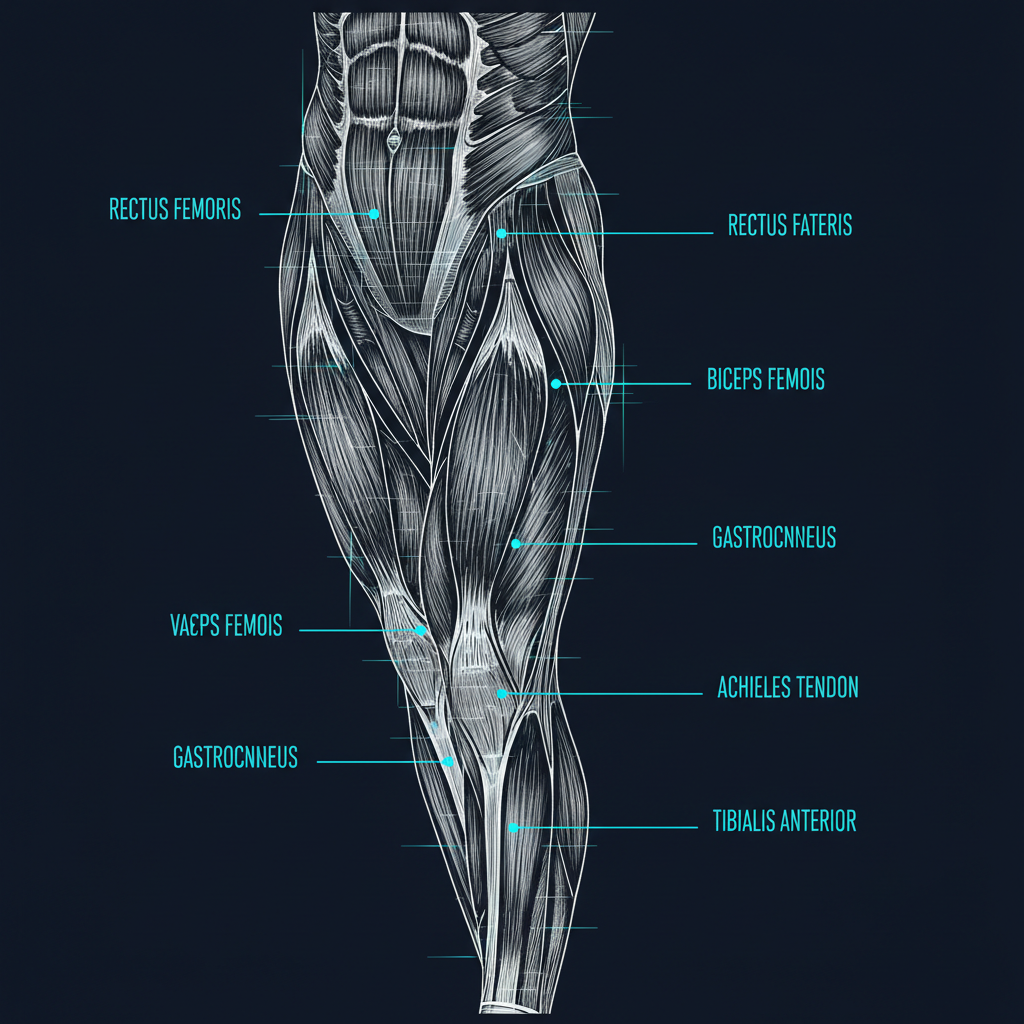



Benefits of Creatine Monohydrate for Rugby Performance
Explore the scientific case for creatine supplementation in rugby, focusing on explosive power, hypertrophy, cognitive protection, and recovery.
Project Prop: Optimizing Performance
The scientific case for Creatine Monohydrate supplementation in Rugby.
The Prop's Mandate
Explosive Power (Scrum engagement)
Functional Mass (Dominance in contact)
Durability (Surviving 80 mins of collision)
Mechanism: Fueling the Engine
Creatine increases phosphocreatine stores in muscles. This allows for rapid recycling of ATP (energy) during high-intensity efforts like scrummaging or sprinting.
Benefit 1: Strength Output
Measurable gains in lower body strength, critical for scrum stability.
Benefit 2: True Hypertrophy
+1.4 kg
Average additional Lean Body Mass (LBM) gained compared to training alone.
Benefit 3: Recovery
Creatine reduces muscle cell damage and inflammation markers after exhaustive exercise.
Bonus: Cognitive Protection
The brain uses 20% of the body's energy. Creatine aids cranial energy homeostasis.
Emerging evidence suggests neuroprotective properties against mild traumatic brain injury (concussions).
The Drawback: Water Retention
• Initial weight gain: 1-2 kg in first week
• Cause: Osmotic pull of water into cells
• Result: Not fat gain, but hydration.
Reframing: Why 'Heavy' is Good
Momentum = Mass x Velocity
For a Prop, extra weight (especially from fluid and muscle) increases collision dominance. The 'Con' is actually a functional advantage for the position.
Summary & Ask
• Supports hypertrophy & strength goals
• Enhances recovery & brain protection
• Weight gain is functional for Rugby
• Ask: Start with 5g daily monohydrate.
- creatine
- rugby-training
- sports-nutrition
- muscle-growth
- cognitive-performance
- strength-training
- supplements