
Made byBobr AI

Rh Factor & Mother-Fetal Incompatibility: Anti-D Solutions

Learn about Rh factor incompatibility in pregnancy, Hemolytic Disease of the Fetus and Newborn (HDFN), and how RhoGAM (Anti-D) protects future pregnancies.

#rh-factor#pregnancy-health#rhogam#anti-d#hdfn#prenatal-care#blood-types
Watch
Pitch
Image placeholder

Understanding Rh Factor & Incompatibility

Causes, Risks, and the Anti-D Solution

Made byBobr AI

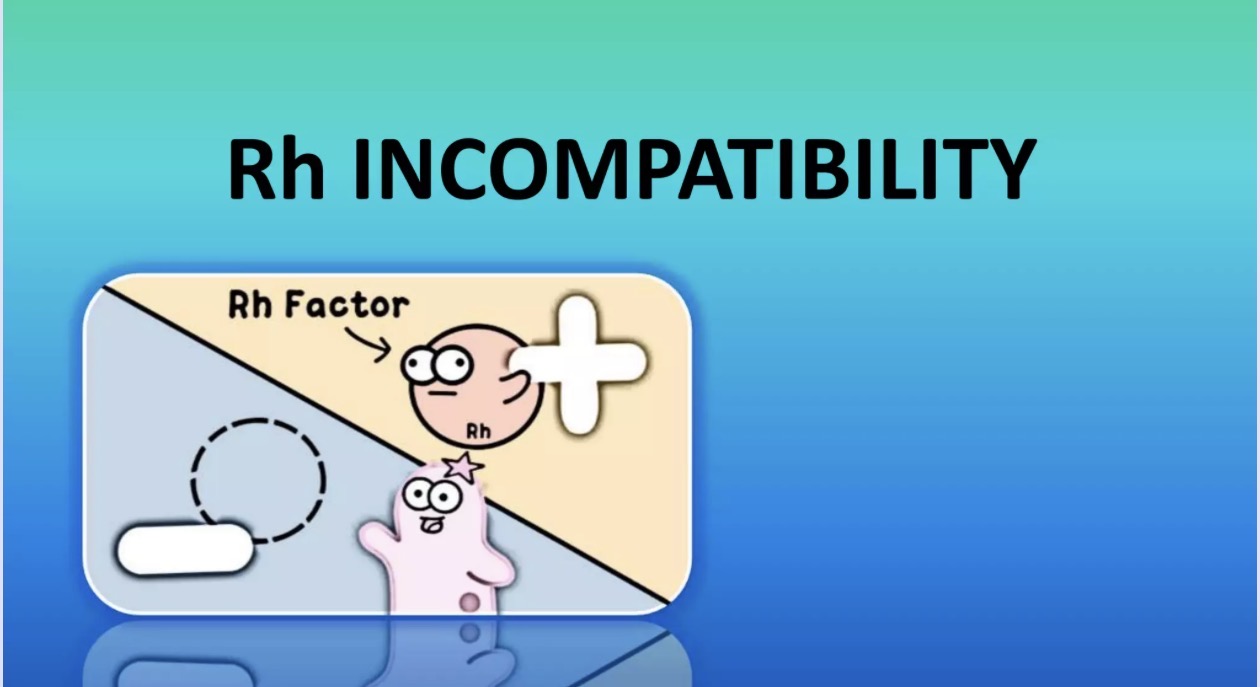
What is the Rh Factor?

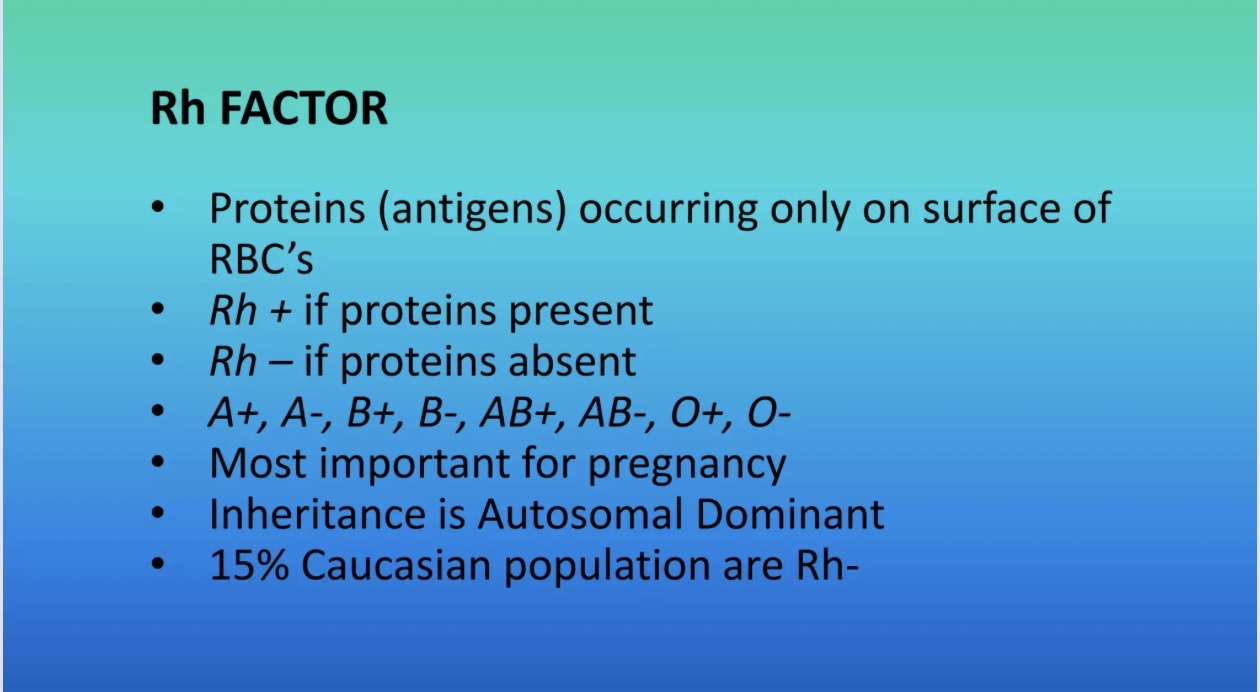
  • The Rh factor is a specific protein (antigen) found on the surface of red blood cells.
  • If you have the protein, you are Rh-positive (Rh+). If you lack it, you are Rh-negative (Rh-).
  • Inheritance is autosomal dominant, playing a crucial role during pregnancy.
Image placeholder
Made byBobr AI

Defining Rh Incompatibility

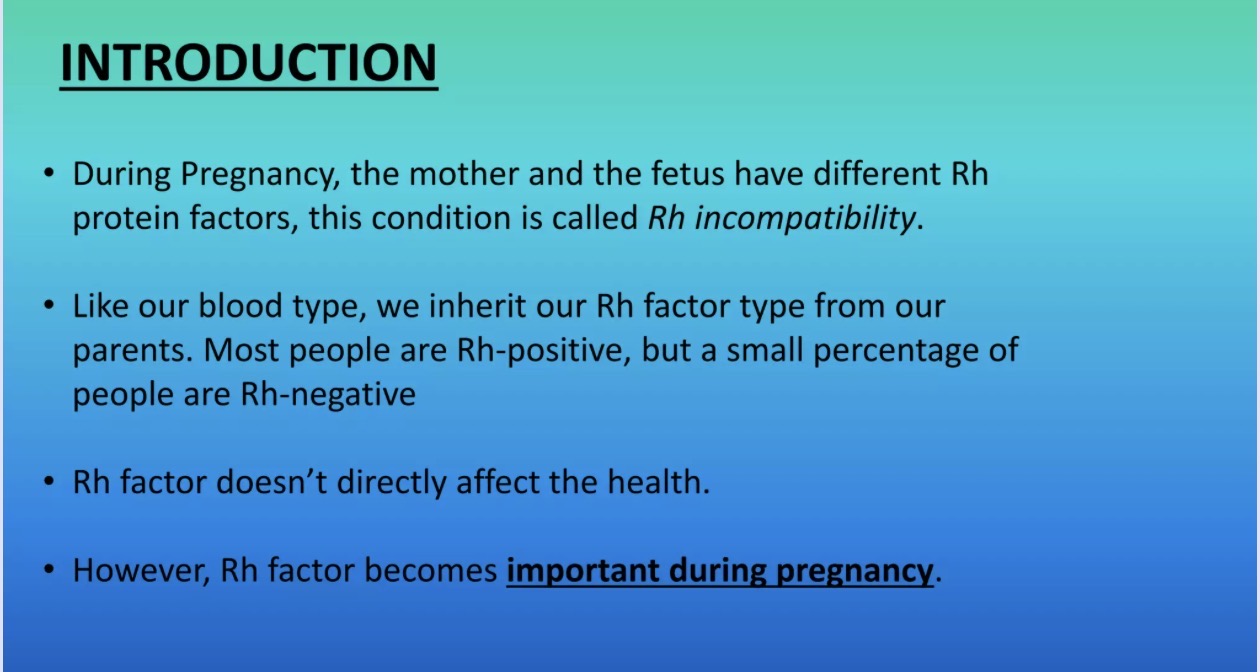
Rh incompatibility occurs when a mother and fetus have different Rh protein factors.

This typically happens if the mother is Rh-negative and the fetus is Rh-positive (inherited from the father).

While Rh factor doesn't affect general health, it becomes critically important during pregnancy.

Image placeholder
Made byBobr AI

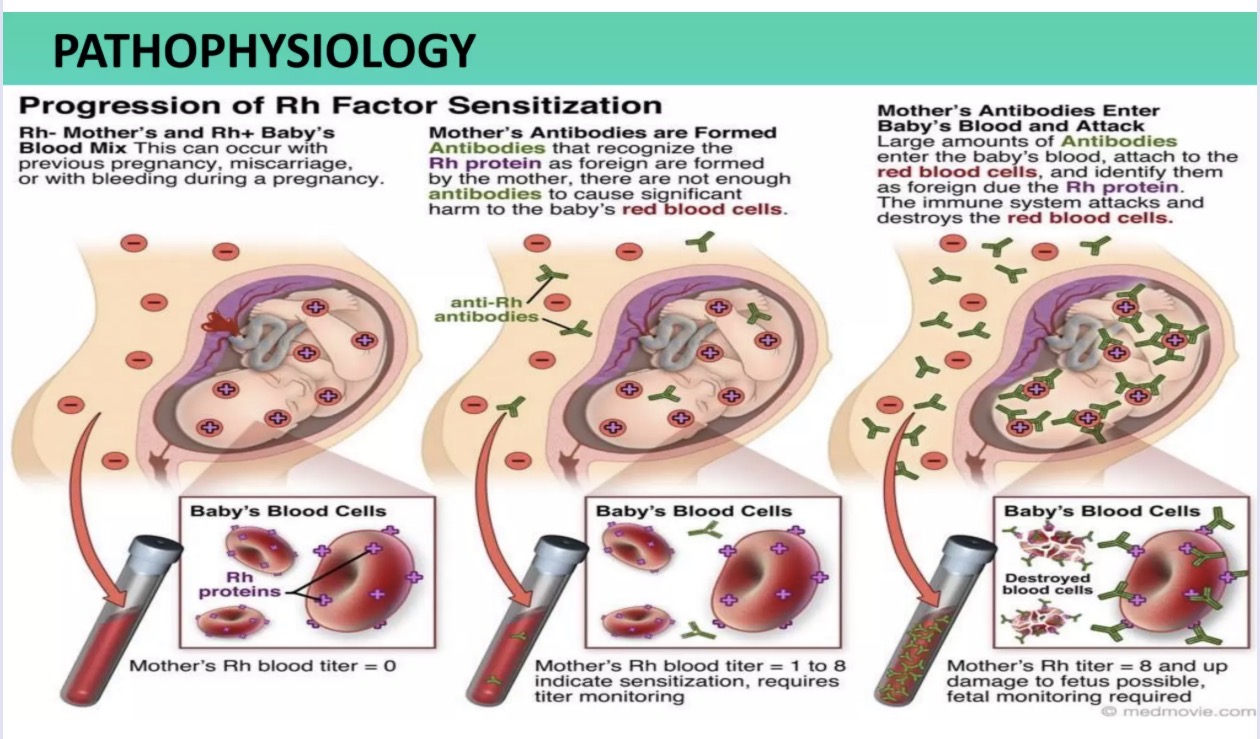
Pathophysiology: How It Happens

1. Mixing

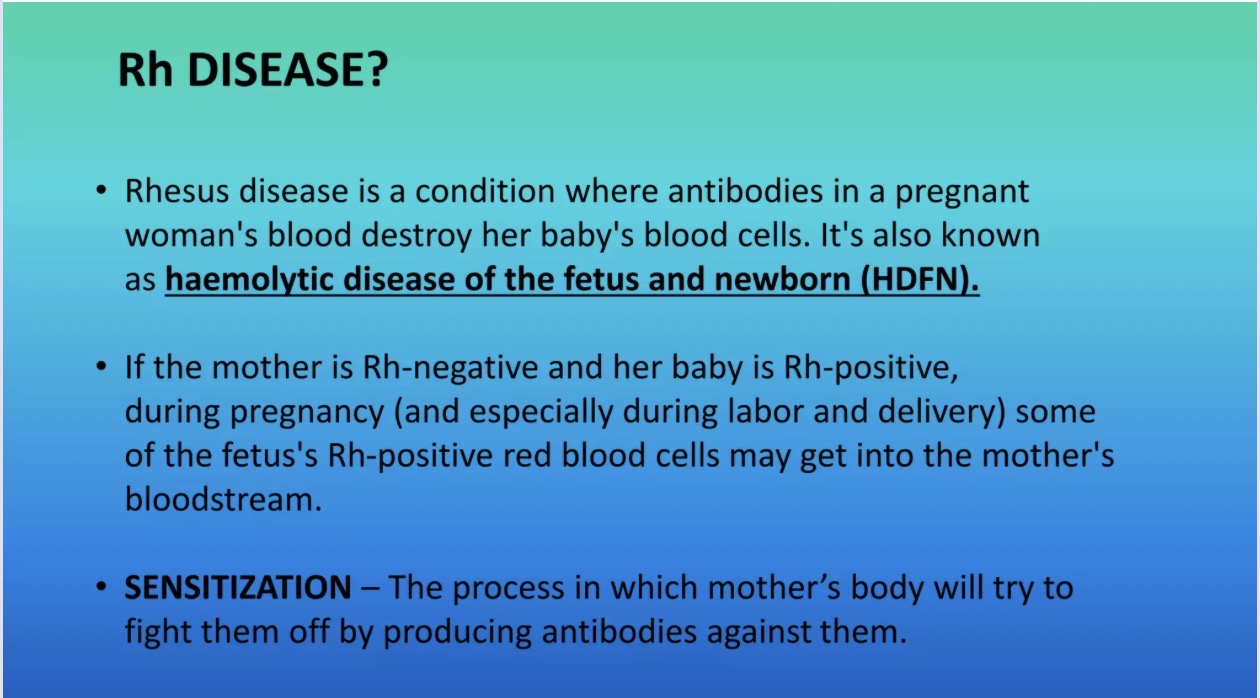
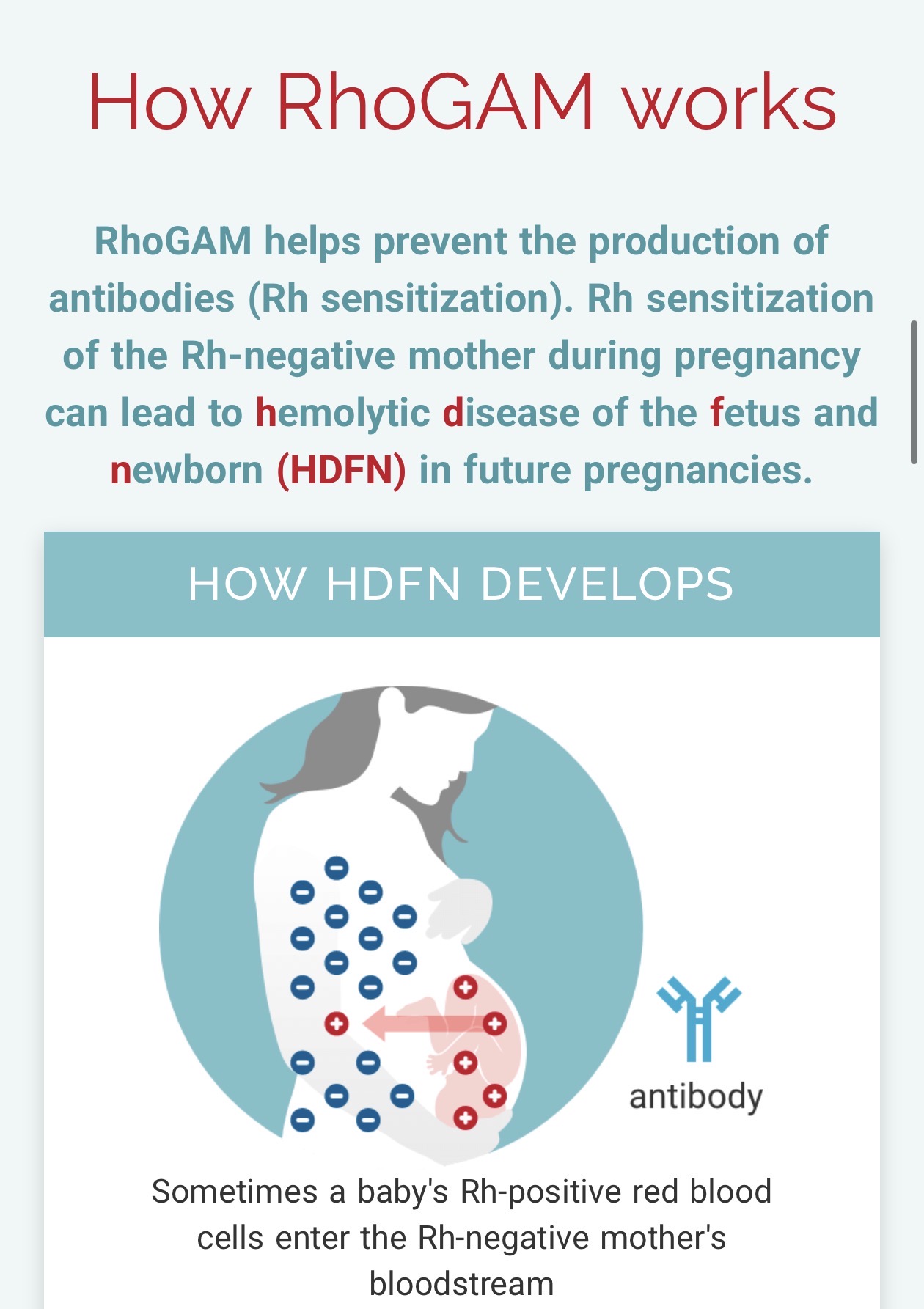
Mixing: Rh- mother's blood mixes with Rh+ baby's blood (often during delivery).

2. Recognition

Recognition: The mother's immune system recognizes the Rh protein as 'foreign'.

3. Reaction

Antibody Formation: The mother creates Anti-Rh antibodies to destroy the foreign cells.

Image placeholder
Made byBobr AI
Image placeholder

Potential Sensitizing Events

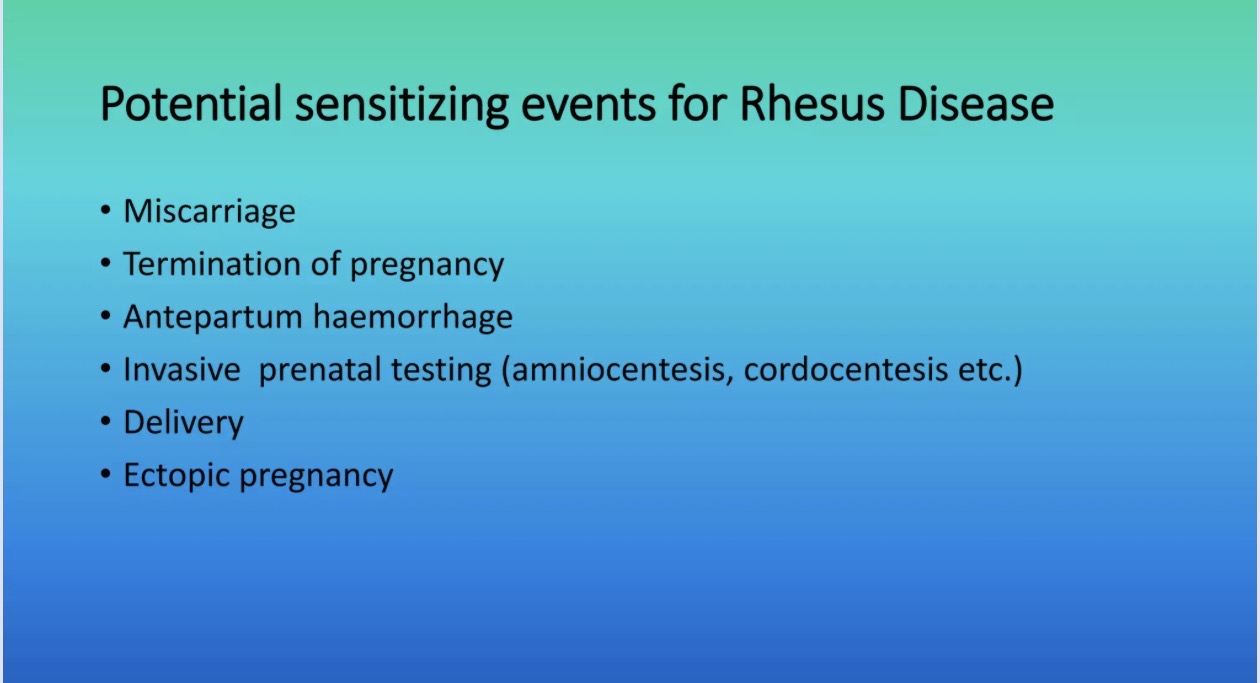
Sensitization can occur anytime fetal blood enters maternal circulation, not just during delivery.

Miscarriage or Abortion
Ectopic Pregnancy
Invasive Prenatal Testing (Amniocentesis)
Antepartum Hemorrhage
Abdominal Trauma
Made byBobr AI

Rh Disease (HDFN)

Hemolytic Disease of the Fetus and Newborn (HDFN) occurs when maternal antibodies destroy the baby's blood cells.

This destruction leads to severe anemia, jaundice, brain damage, or even stillbirth if left untreated.

Image placeholder
Made byBobr AI
Image placeholder

The Risk to Future Pregnancies

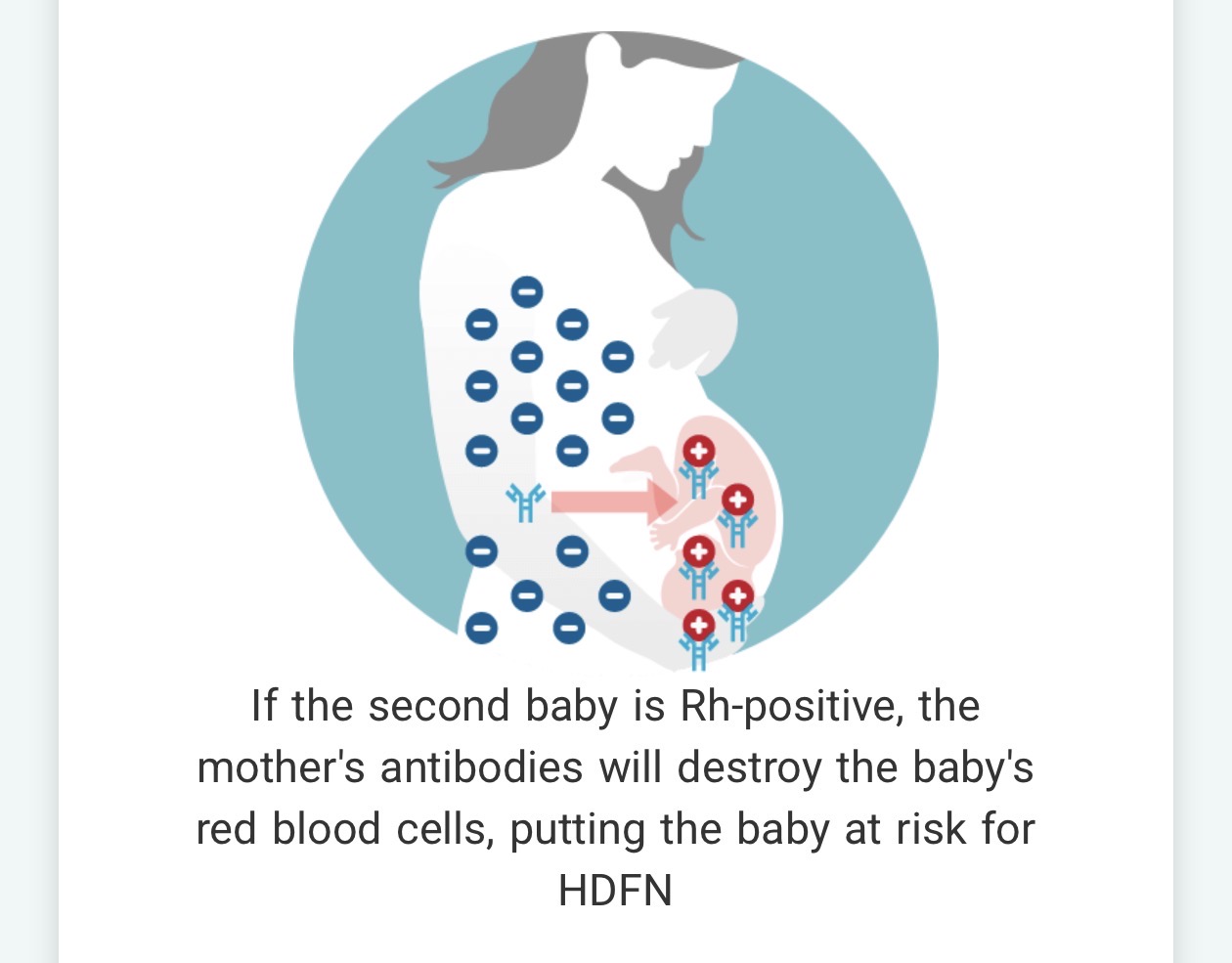
Usually, antibodies do not affect the first baby. However, once sensitized, the mother's immune system retains 'memory' antibodies. In a second Rh-positive pregnancy, these antibodies effectively attack the fetus, causing severe complications.

Made byBobr AI

The Solution: RhoGAM (Anti-D)

Anti-D immunoglobulin (RhoGAM) is a medication that stops the immune system from fighting the baby's blood.

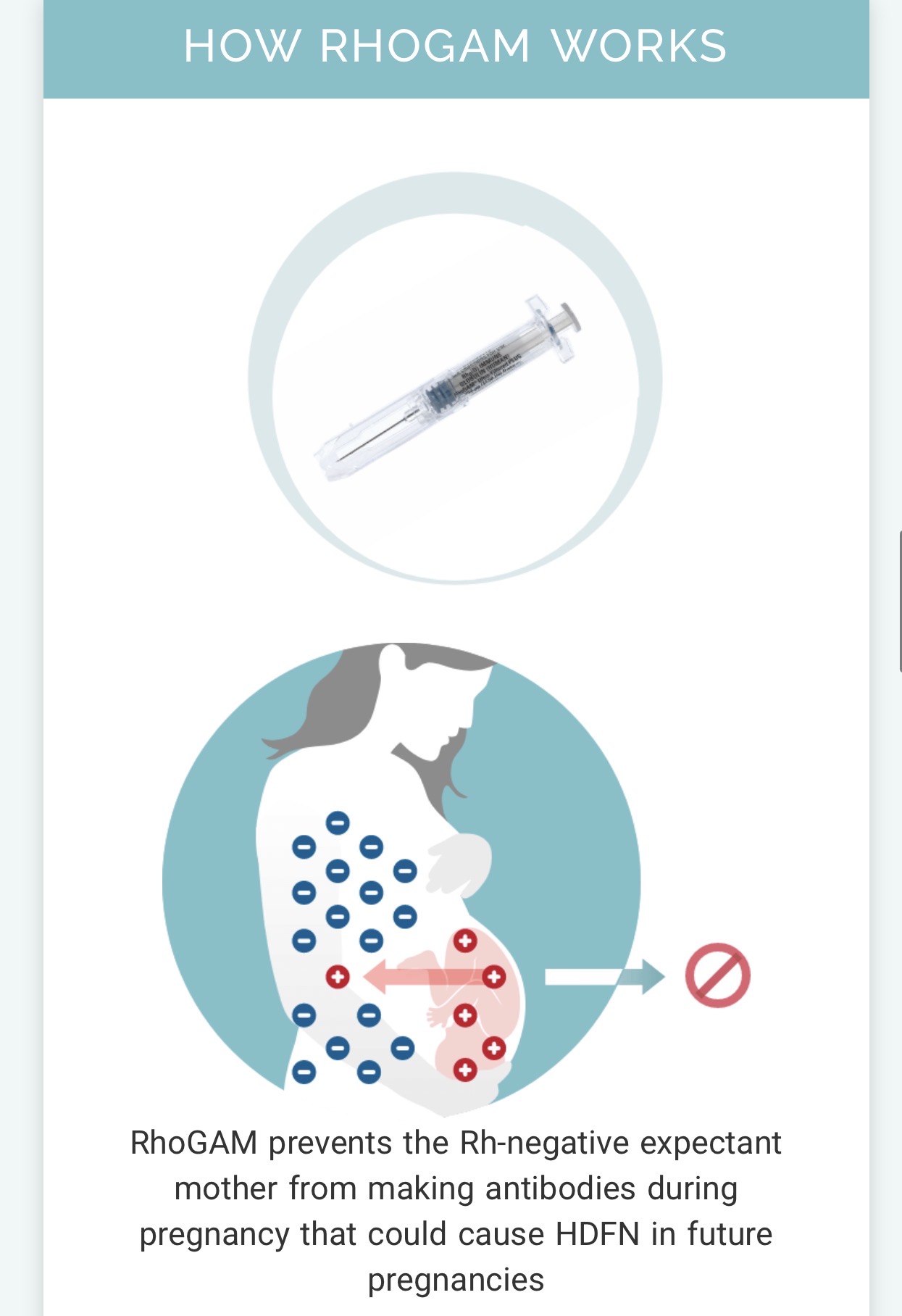
It prevents the production of antibodies (sensitization), protecting future pregnancies from HDFN.
Image placeholder
Made byBobr AI

Mechanism of Action

RhoGAM acts as a mask. It binds to any Rh+ fetal cells in the mother's blood before her immune system detects them. This prevents the mother from ever developing her own antibodies.

Image placeholder
Made byBobr AI

Long-Term Protection

Consistent Treatment = Safe Pregnancies

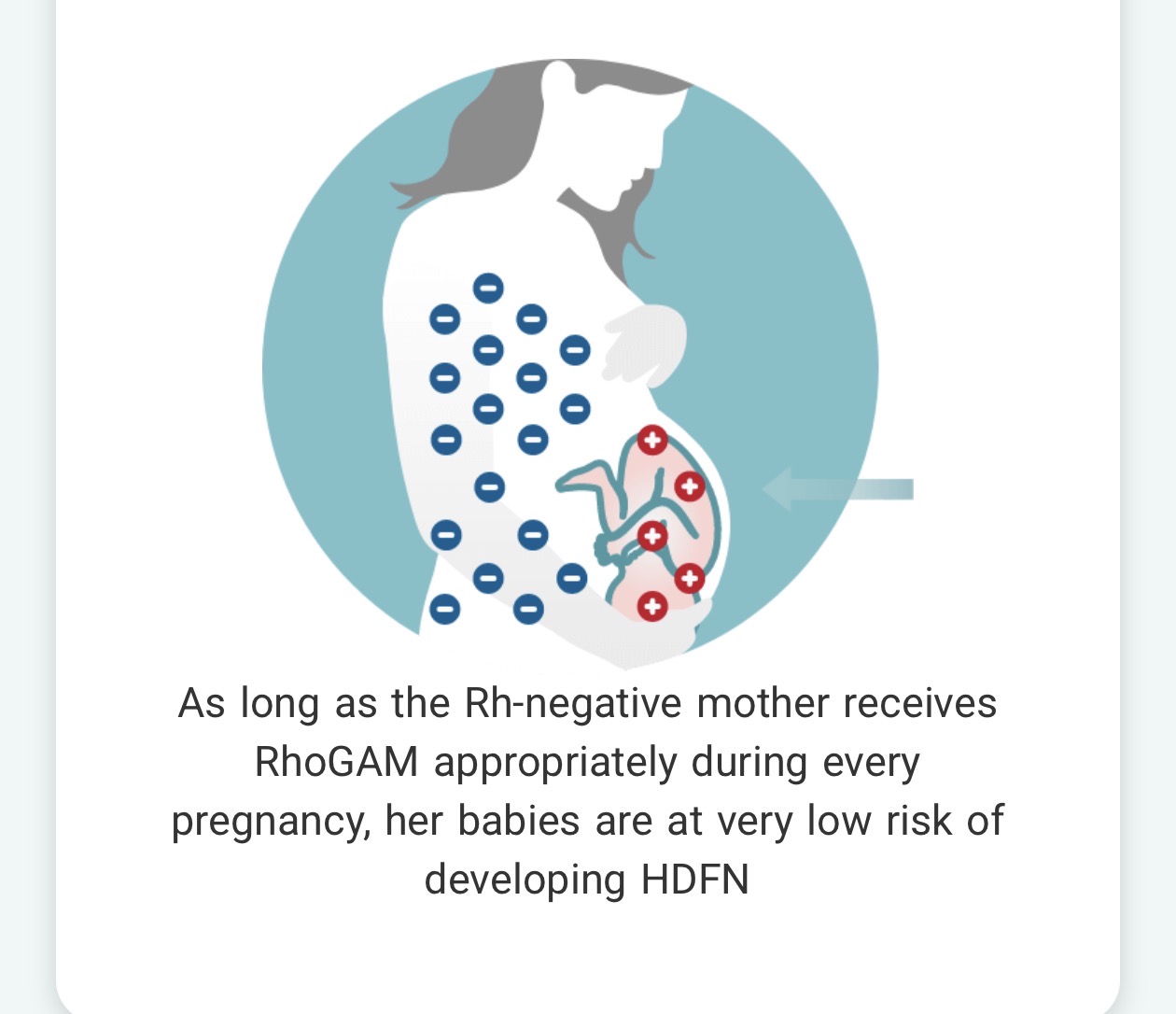
As long as the Rh-negative mother receives potential Anti-D treatment during every pregnancy and after any sensitizing event, her babies remain at very low risk of developing HDFN.

Image placeholder
Made byBobr AI

Key Takeaways

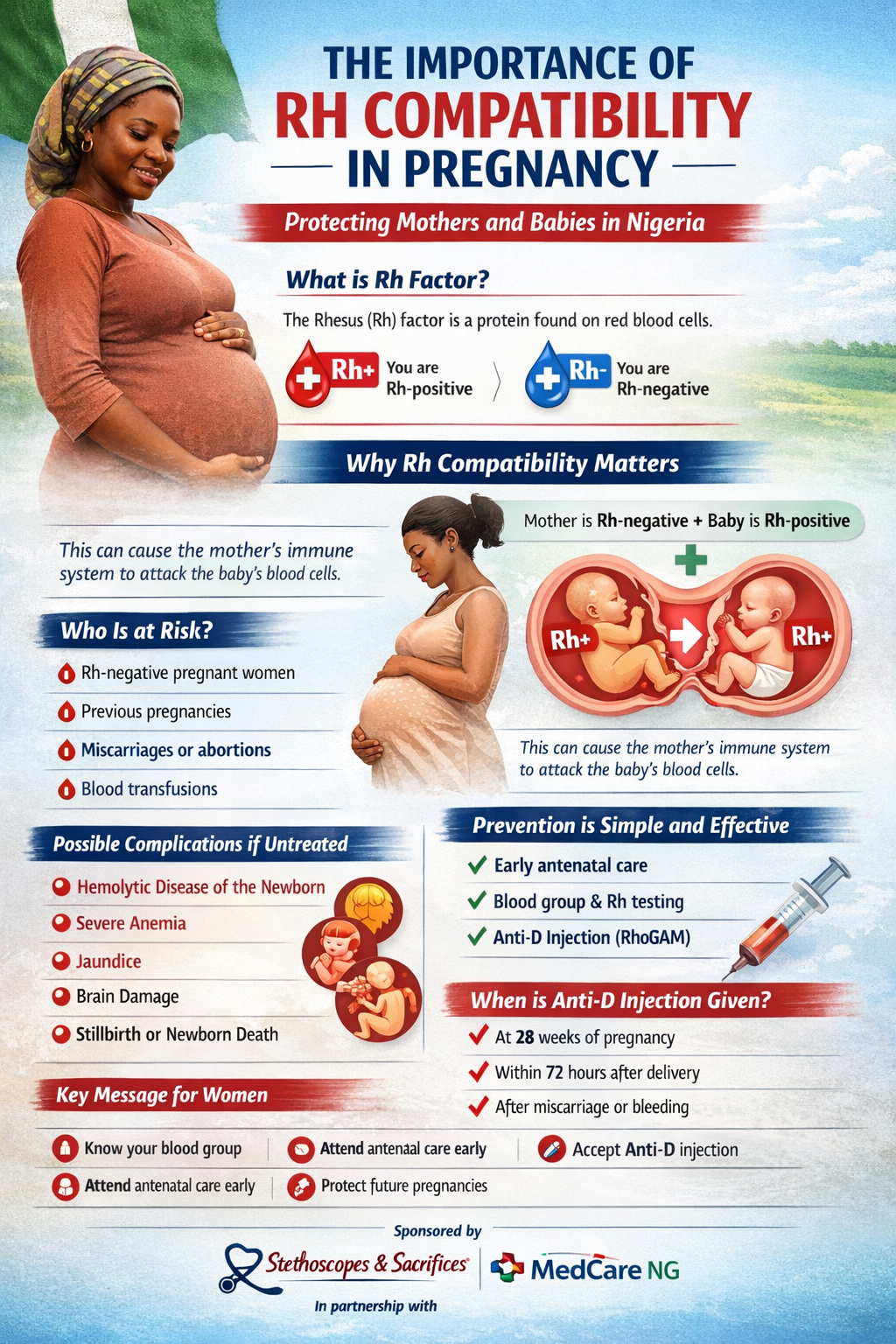
1. Know your blood group early.
2. Attend antenatal care.
3. Accept Anti-D injection if Rh-negative.
4. Protect future pregnancies.
Image placeholder
Made byBobr AI
Bobr AI

DESIGNER-MADE
PRESENTATION,
GENERATED FROM
YOUR PROMPT

Create your own professional slide deck with real images, data charts, and unique design in under a minute.

Generate For Free

Rh Factor & Mother-Fetal Incompatibility: Anti-D Solutions

Learn about Rh factor incompatibility in pregnancy, Hemolytic Disease of the Fetus and Newborn (HDFN), and how RhoGAM (Anti-D) protects future pregnancies.

Understanding Rh Factor & Incompatibility

Causes, Risks, and the Anti-D Solution

What is the Rh Factor?

The Rh factor is a specific protein (antigen) found on the surface of red blood cells.

If you have the protein, you are Rh-positive (Rh+). If you lack it, you are Rh-negative (Rh-).

Inheritance is autosomal dominant, playing a crucial role during pregnancy.

Defining Rh Incompatibility

Rh incompatibility occurs when a mother and fetus have different Rh protein factors.

This typically happens if the mother is Rh-negative and the fetus is Rh-positive (inherited from the father).

While Rh factor doesn't affect general health, it becomes critically important during pregnancy.

Pathophysiology: How It Happens

Mixing: Rh- mother's blood mixes with Rh+ baby's blood (often during delivery).

Recognition: The mother's immune system recognizes the Rh protein as 'foreign'.

Antibody Formation: The mother creates Anti-Rh antibodies to destroy the foreign cells.

Potential Sensitizing Events

Sensitization can occur anytime fetal blood enters maternal circulation, not just during delivery.

Miscarriage or Abortion Ectopic Pregnancy Invasive Prenatal Testing (Amniocentesis) Antepartum Hemorrhage Abdominal Trauma

Rh Disease (HDFN)

Hemolytic Disease of the Fetus and Newborn (HDFN) occurs when maternal antibodies destroy the baby's blood cells.

This destruction leads to severe anemia, jaundice, brain damage, or even stillbirth if left untreated.

The Risk to Future Pregnancies

Usually, antibodies do not affect the first baby. However, once sensitized, the mother's immune system retains 'memory' antibodies. In a second Rh-positive pregnancy, these antibodies effectively attack the fetus, causing severe complications.

The Solution: RhoGAM (Anti-D)

Anti-D immunoglobulin (RhoGAM) is a medication that stops the immune system from fighting the baby's blood.

It prevents the production of antibodies (sensitization), protecting future pregnancies from HDFN.

Mechanism of Action

RhoGAM acts as a mask. It binds to any Rh+ fetal cells in the mother's blood before her immune system detects them. This prevents the mother from ever developing her own antibodies.

Long-Term Protection

Consistent Treatment = Safe Pregnancies

As long as the Rh-negative mother receives potential Anti-D treatment during every pregnancy and after any sensitizing event, her babies remain at very low risk of developing HDFN.

Key Takeaways

1. Know your blood group early. 2. Attend antenatal care. 3. Accept Anti-D injection if Rh-negative. 4. Protect future pregnancies.

  • rh-factor
  • pregnancy-health
  • rhogam
  • anti-d
  • hdfn
  • prenatal-care
  • blood-types