




Made byBobr AI

Japan Cultural Etiquette: Nonverbal Communication Guide

Master Japanese business and social norms. Learn about bowing, personal space, eye contact, and punctuality to navigate Japanese culture with respect.

#japan-etiquette#cultural-norms#business-etiquette#nonverbal-communication#travel-tips#japanese-culture
Watch
Pitch

Japan: Cultural Etiquette Guide

Navigating Nonverbal Norms & Communication

Mount Fuji cherry blossoms Japan iconic landscape
Made byBobr AI

Introduction to Japanese Culture

Respect, Harmony (Wa), and Hierarchy

Japanese culture relies heavily on high-context communication, where nonverbal cues are often more important than spoken words.
Understanding these unspoken rules is critical for business success and respectful travel.
We will explore space, gestures, eyes, touch, and time in the Japanese context.
Made byBobr AI

Proxemics: Personal Space

In Japan, personal space is highly valued. Maintaining a respectful distance (an arm's length or more) is standard during conversation.

Contrast: While Westerners might stand close to show engagement, in Japan, intruding on this space can be seen as aggressive or presumptive.

illustration of two people standing far apart bowing slightly minimal style
Made byBobr AI

Kinesics: The Art of Bowing

Japanese business people bowing correctly

The bow (Ojigi) is the quintessential Japanese gesture. The depth and duration depend on the status of the person you are greeting. Keep your back straight and hands at your sides (men) or clasped in front (women). Avoid large hand gestures or pointing with a finger.

Made byBobr AI

Oculesics: Eye Contact

Direct, prolonged eye contact is often viewed as rude, aggressive, or challenging in Japan.

Instead of locking eyes, focus on the person's tie knot or neck. Lowering your gaze when speaking to a superior is a sign of respect, not dishonesty.
minimalist eye icon looking down respectful
Made byBobr AI

Haptics: To Touch or Not?

Usage

Japan is a low-contact culture. Public displays of affection, back-slapping, or touching during conversation are generally avoided.

Comparison

Unlike the U.S. where a firm handshake or pat on the back suggests camaraderie, such actions in Japan can cause discomfort. Handshakes, when offered, are often soft.

Made byBobr AI

Chronemics: Punctuality is Paramount

Time is rigid in Japan. Being 'on time' means arriving 5-10 minutes early. Arriving exactly at the scheduled time is considered late. This contrasts with more fluid time cultures where relationships take precedence over schedules.

clock showing 5 minutes before the hour minimalist white icon
Made byBobr AI

Collision Point #1: The Greeting

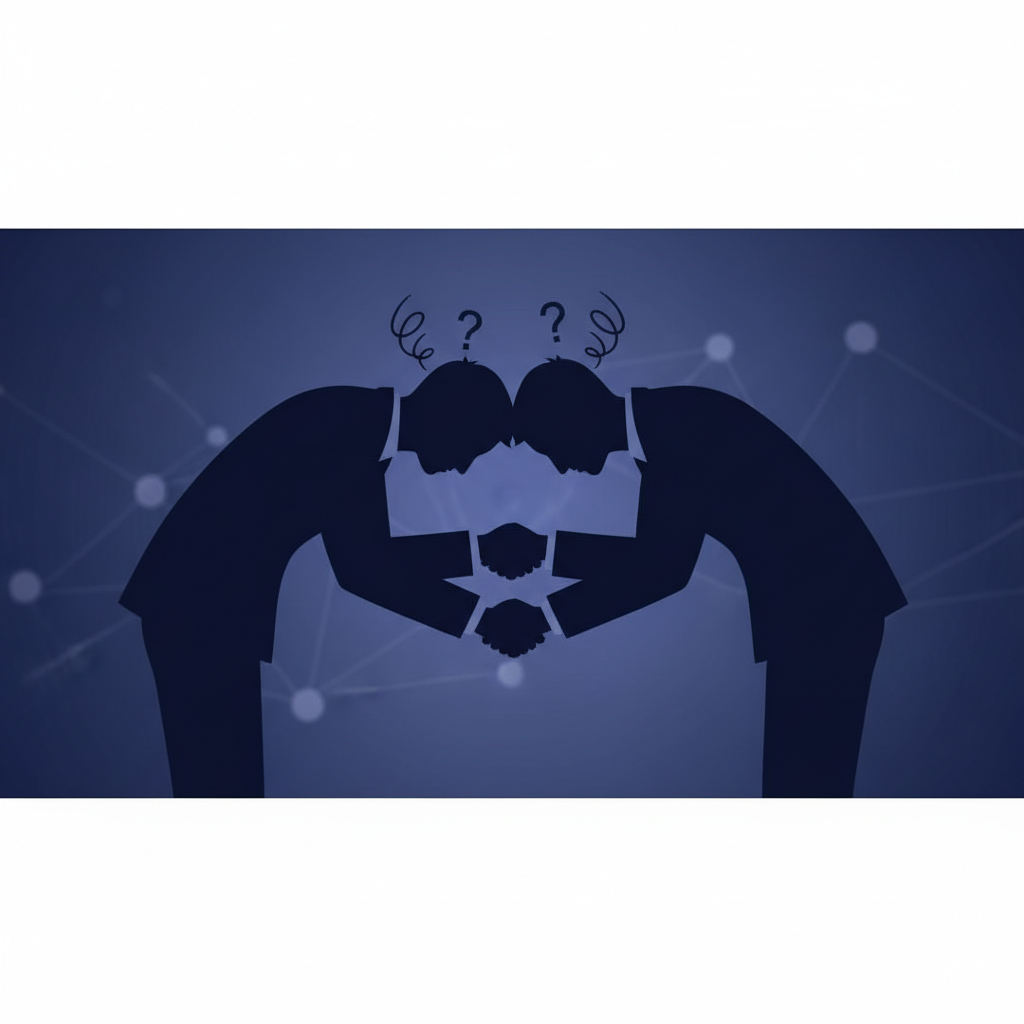
silhouette of two people bumping heads while bowing and shaking hands confusion

A classic misunderstanding occurs when a Westerner offers a bone-crushing handshake while the Japanese counterpart starts to bow. This 'dance' can lead to bumped heads or awkward hands. Best practice: Wait. If they bow, bow back. If they offer a hand, shake gently.

Made byBobr AI

Collision Point #2: Shoe Etiquette

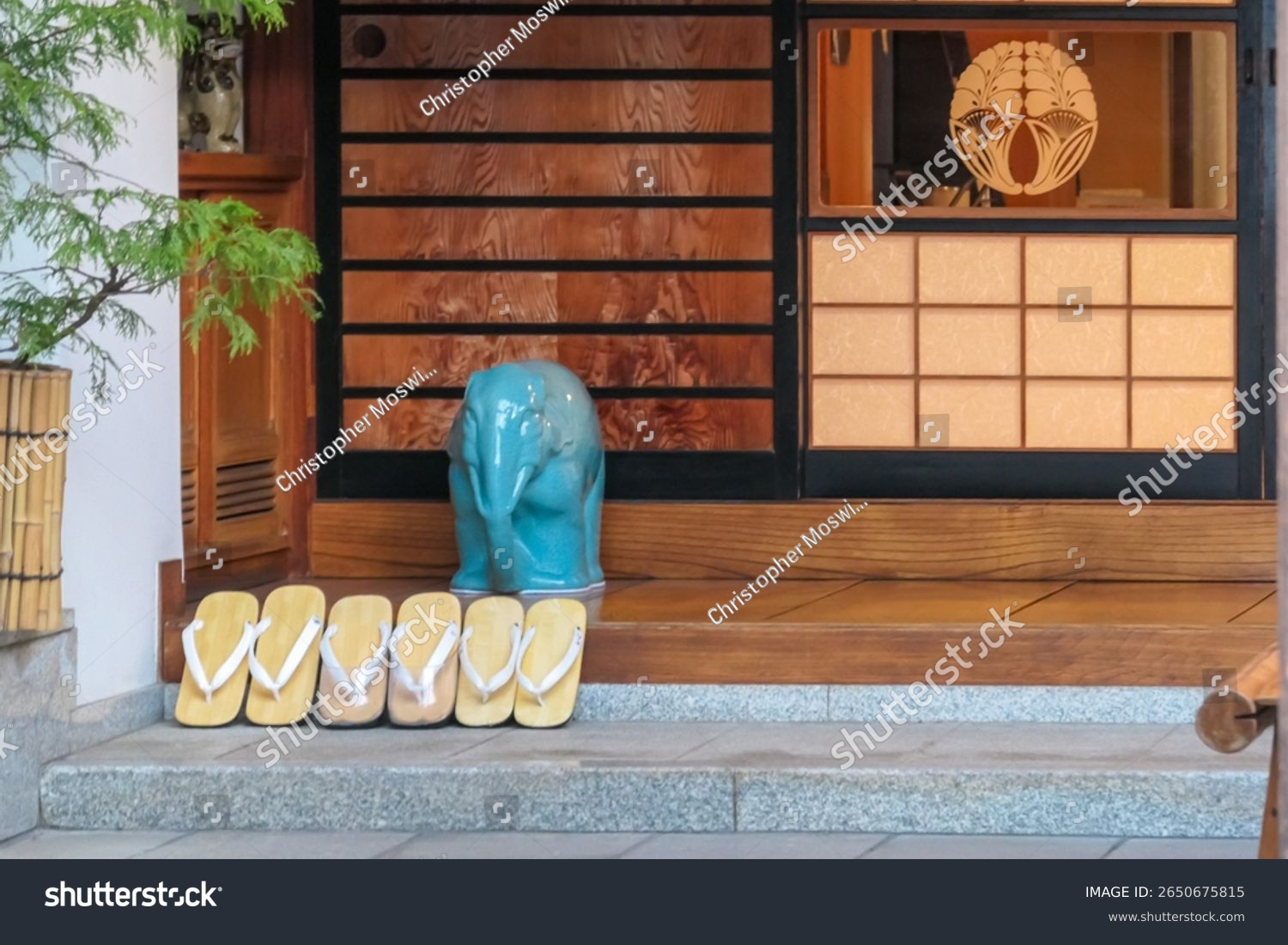
Walking into a home, ryokan, or certain restaurants with shoes on is a major offense. It signifies bringing dirt from the 'outside' (soto) into the clean 'inside' (uchi). Always look for the raised floor or slippers provided at the entrance.
Japanese genkan entrance with shoes neatly arranged
Made byBobr AI

Collision Point #3: Dining Manners

Don't

Never stick chopsticks vertically into rice (resembles funeral rites). Never pass food chopstick-to-chopstick.

Do

Slurp your noodles! In Japan, loud slurping is a sign that you are enjoying the meal and helps cool the noodles.

Made byBobr AI
Bobr AI

DESIGNER-MADE
PRESENTATION,
GENERATED FROM
YOUR PROMPT

Create your own professional slide deck with real images, data charts, and unique design in under a minute.

Generate For Free

Japan Cultural Etiquette: Nonverbal Communication Guide

Master Japanese business and social norms. Learn about bowing, personal space, eye contact, and punctuality to navigate Japanese culture with respect.

Japan: Cultural Etiquette Guide

Navigating Nonverbal Norms & Communication

Introduction to Japanese Culture

Respect, Harmony (Wa), and Hierarchy

Japanese culture relies heavily on high-context communication, where nonverbal cues are often more important than spoken words.

Understanding these unspoken rules is critical for business success and respectful travel.

We will explore space, gestures, eyes, touch, and time in the Japanese context.

Proxemics: Personal Space

In Japan, personal space is highly valued. Maintaining a respectful distance (an arm's length or more) is standard during conversation.

Contrast: While Westerners might stand close to show engagement, in Japan, intruding on this space can be seen as aggressive or presumptive.

Kinesics: The Art of Bowing

The bow (Ojigi) is the quintessential Japanese gesture. The depth and duration depend on the status of the person you are greeting. Keep your back straight and hands at your sides (men) or clasped in front (women). Avoid large hand gestures or pointing with a finger.

Oculesics: Eye Contact

Direct, prolonged eye contact is often viewed as rude, aggressive, or challenging in Japan.

Instead of locking eyes, focus on the person's tie knot or neck. Lowering your gaze when speaking to a superior is a sign of respect, not dishonesty.

1. Proxemics (Personal Space)

What is the standard 'personal space' for a business meeting? Is standing close a sign of trust or an intrusion?

2. Kinesics (Body Language)

Are there common gestures considered offensive (e.g., the 'OK' sign or showing the sole of a shoe)?

Haptics: To Touch or Not?

Japan is a low-contact culture. Public displays of affection, back-slapping, or touching during conversation are generally avoided.

Unlike the U.S. where a firm handshake or pat on the back suggests camaraderie, such actions in Japan can cause discomfort. Handshakes, when offered, are often soft.

3. Oculesics (Eye Contact)

Is direct eye contact seen as a sign of honesty, or is it considered aggressive or disrespectful?

4. Haptics (Touch)

Is it appropriate to shake hands, bow, or avoid touching altogether during a first meeting?

5. Chronemics (Time)

Is the culture 'Punctual' (time is money) or 'Fluid' (relationships are more important than the clock)?

Chronemics: Punctuality is Paramount

Time is rigid in Japan. Being 'on time' means arriving 5-10 minutes early. Arriving exactly at the scheduled time is considered late. This contrasts with more fluid time cultures where relationships take precedence over schedules.

Collision Point #1: The Greeting

A classic misunderstanding occurs when a Westerner offers a bone-crushing handshake while the Japanese counterpart starts to bow. This 'dance' can lead to bumped heads or awkward hands. Best practice: Wait. If they bow, bow back. If they offer a hand, shake gently.

Collision Point #2: Shoe Etiquette

Walking into a home, ryokan, or certain restaurants with shoes on is a major offense. It signifies bringing dirt from the 'outside' (soto) into the clean 'inside' (uchi). Always look for the raised floor or slippers provided at the entrance.

Step 4: The Final Product

Create a 'Global Etiquette Briefing' in one of the following formats:

1. A Digital Presentation: A slide deck for the executive team.

2. An Infographic: A Visual 'Cheat Sheet' for travelers.

3. A Video Demonstration: Act out 'The Wrong Way' vs. 'The Right Way'.

  • japan-etiquette
  • cultural-norms
  • business-etiquette
  • nonverbal-communication
  • travel-tips
  • japanese-culture