
Made byBobr AI

Correctional Facility Inspection & Log Protocols Guide

Learn essential protocols for correctional housing unit inspections, including security hardware, health standards, safety logs, and escalation procedures.

#correctional-facility#facility-inspection#security-protocols#maintenance-training#health-and-safety#inspection-logs
Watch
Pitch

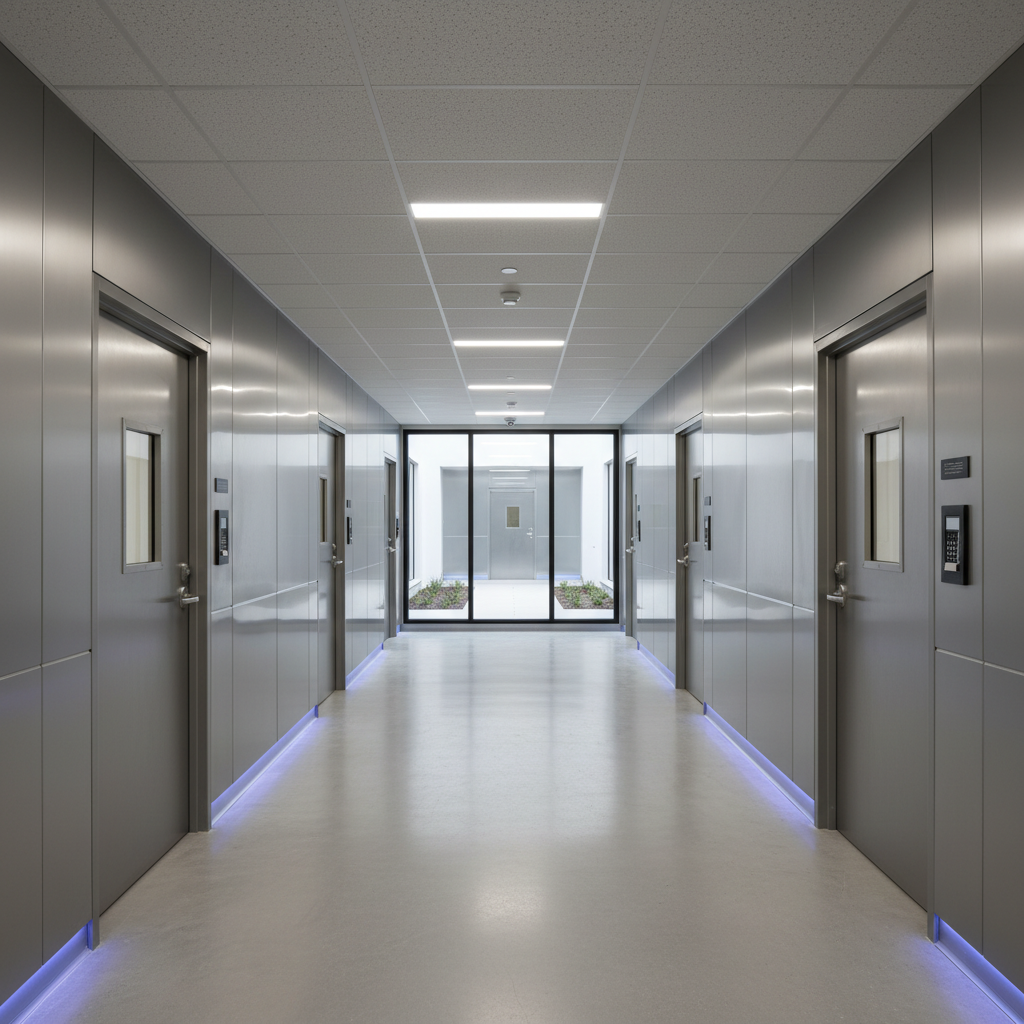
Correctional Housing Unit: Inspection & Log Protocols

Training Module for New Inspectors & Maintenance Staff

Made byBobr AI

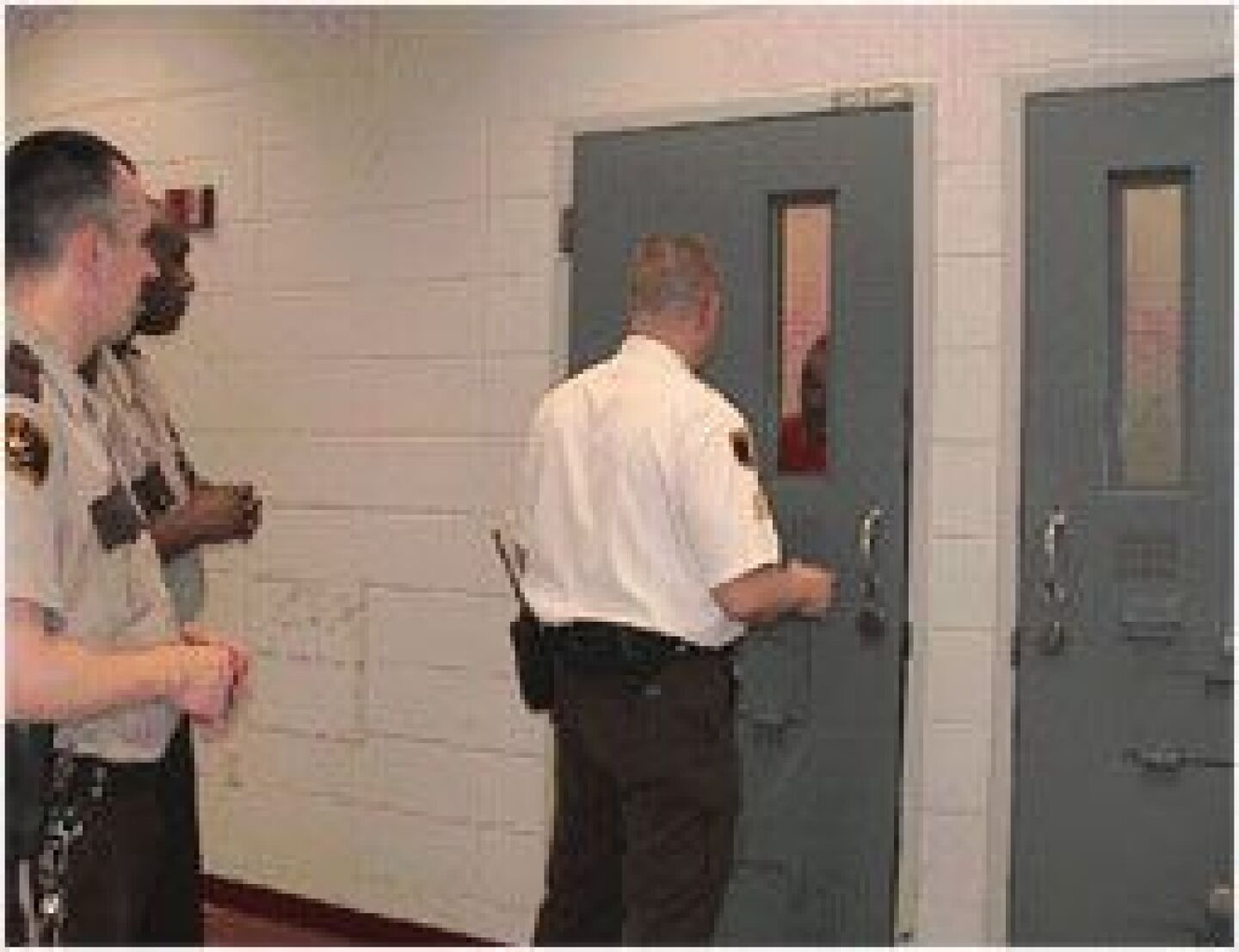
Why Do We Inspect?

Housing unit inspections are not just paperwork. They are the frontline defense for facility integrity.

  • Safety & Security: Identify compromised locks, contraband hides, or structural weaknesses.
  • Legal Compliance: Adhere to confinement standards and minimize liability.
  • Humane Conditions: Ensure sanitation, HVAC, and plumbing function correctly for occupants.
Made byBobr AI

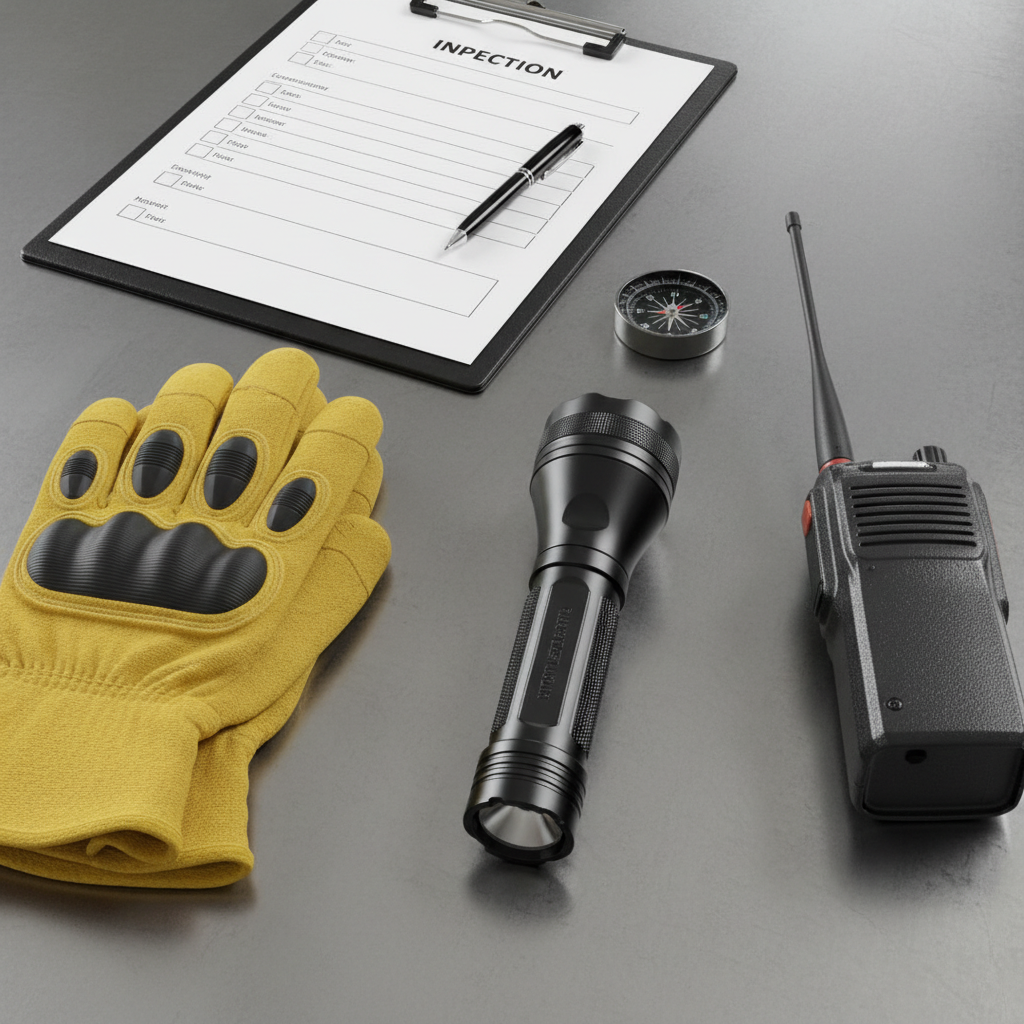
Pre-Inspection Preparation

Required Tools:

✓ High-powered flashlight
✓ Inspection logs (digital tablet or clipboard)
✓ Personal Protective Equipment (Gloves)
✓ Radio for communication/safety check-in
Made byBobr AI

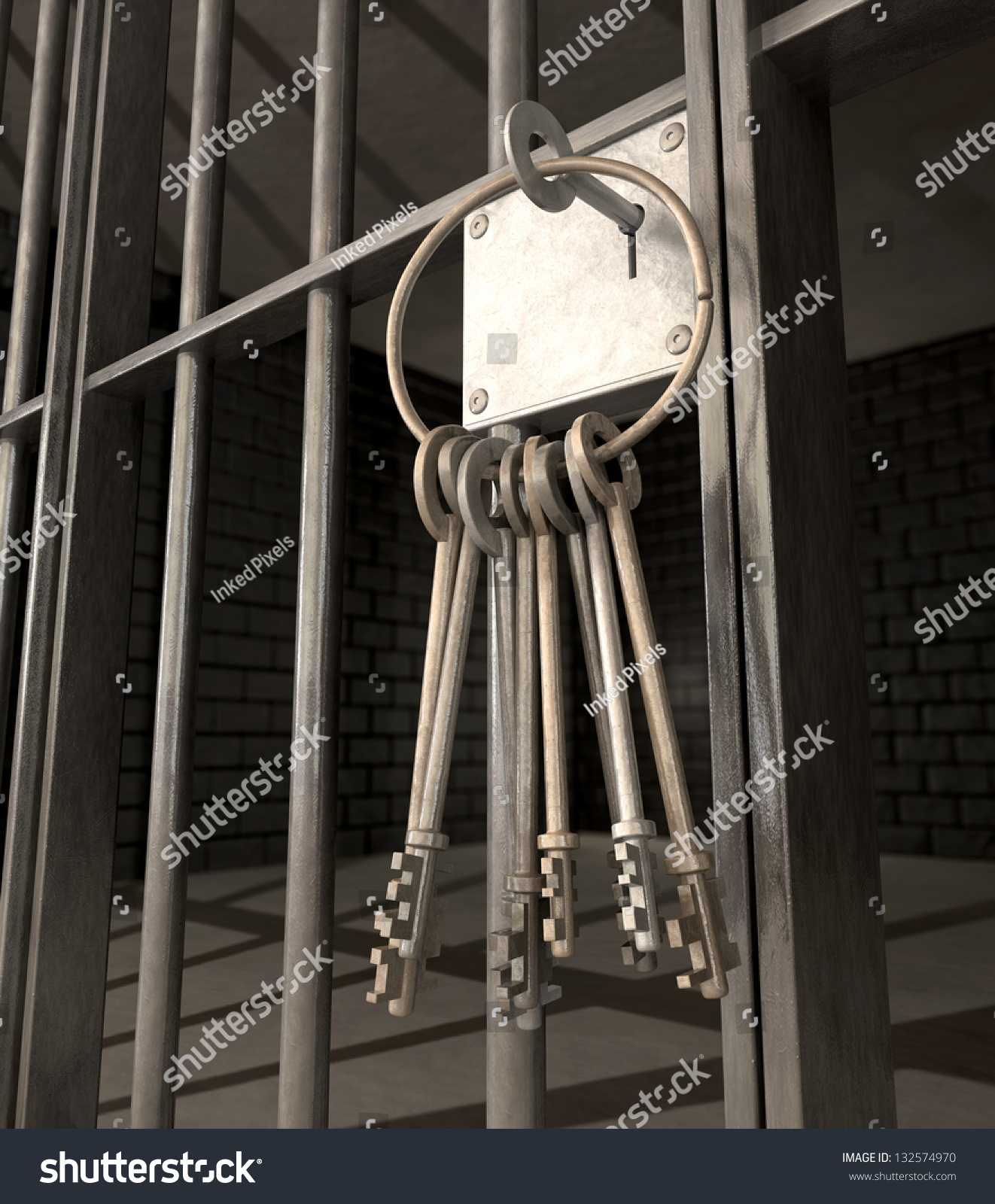
Category 1: Security Hardware

Physical security is the priority. Systematically check integrity.

LOCKS & HINGESLocks & Hinges: Test for tampering, smooth operation, and loose screws.
WINDOWS & BARSWindows & Bars: Inspect sealants for digging/hiding contraband. Shake bars for stability.
VENTS & GRATESVents & Grates: Ensure they are securely fastened and not blocked.
Made byBobr AI

Category 2: Health & Sanitation

Unsanitary conditions lead to health violations and unrest. Inspect:

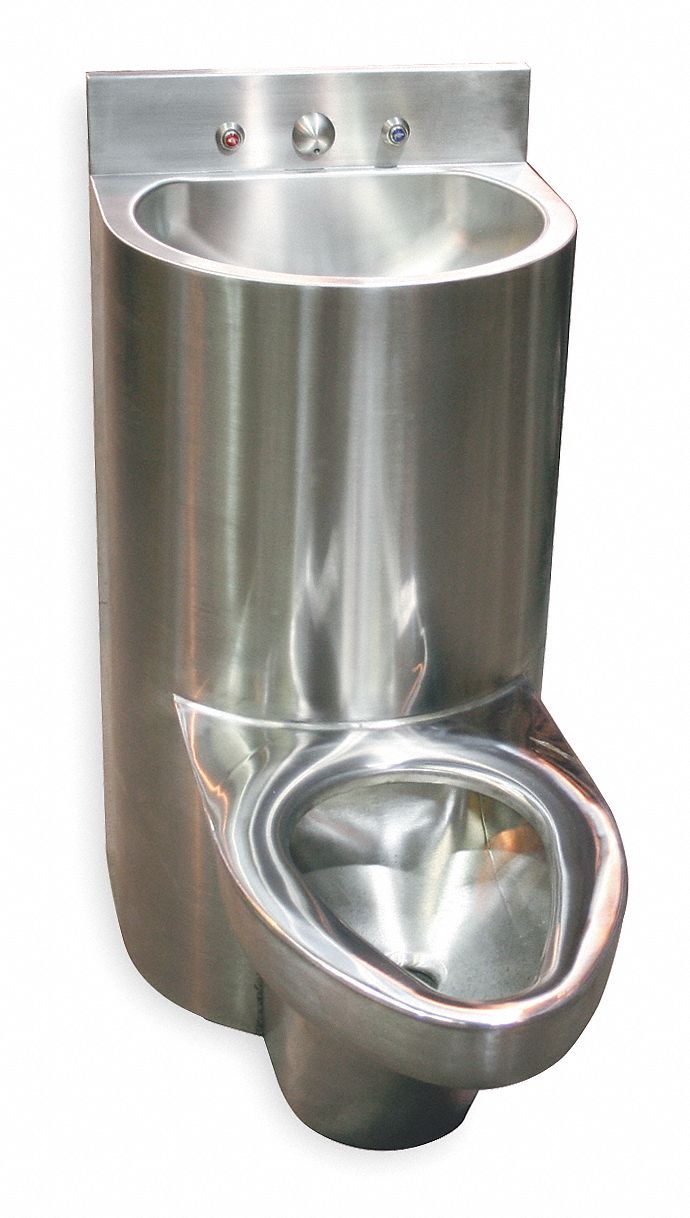
Plumbing

Plumbing: Leaks, clogs, continuous running water (toilets/sinks).

Mold & Mildew

Mold & Mildew: Check corners, showers, and near vents.

Pest Control

Pest Control: Look for droppings, entry points, or food debris.

Made byBobr AI
CRITICAL PRIORITY

Category 3: Fire & Life Safety

1

Smoke Detectors: Ensure not covered or tampered with.

2

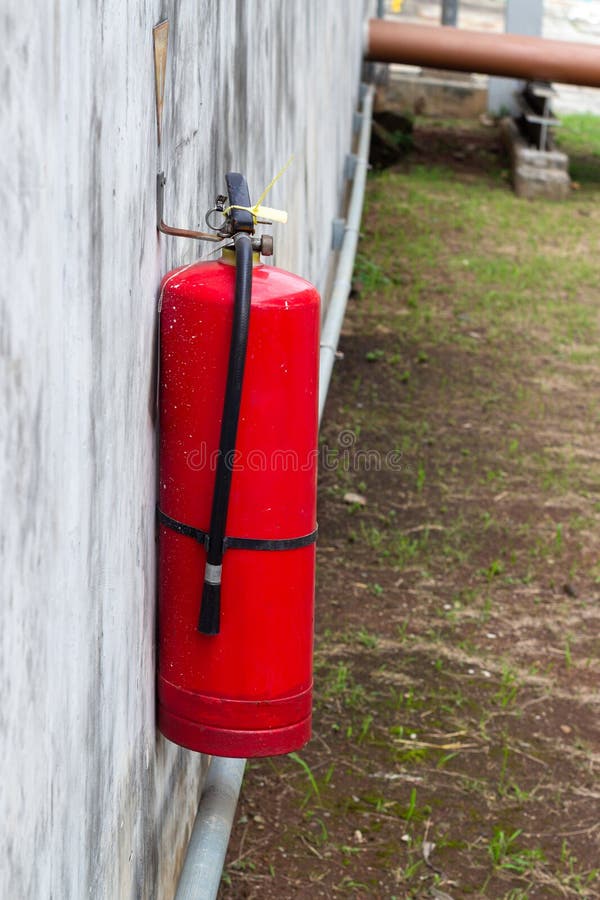
Expiring Equipment: Check tags on fire extinguishers (monthly checks).

3

Egress Routes: Ensure walkways and exits are completely clear of obstructions.

Made byBobr AI

Structure of Inspection Logs

Documentation is as critical as the inspection itself. If it isn't written down, it didn't happen.

Routine Logs

Daily validation of unit condition. Used for shift handovers and audits.

Work Orders

Actionable requests for repair. Must include priority levels and assignment.

Incident Reports

For immediate threats, contraband discovery, or major damages requiring escalation.

Made byBobr AI

Completing Routine Inspection Logs

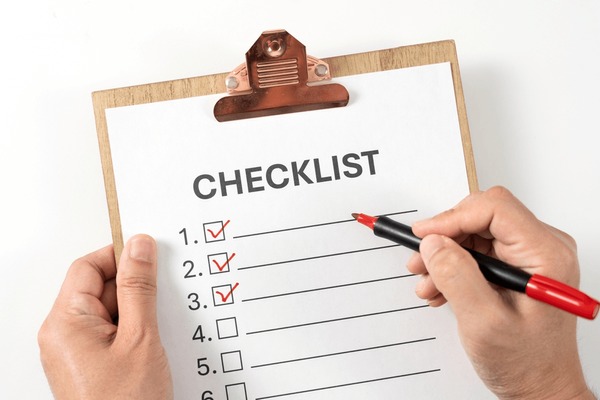
Every field matters. Avoid 'pencil whipping' (filling forms without checking).

  • 1. Date & Time: 24-hour format required.
  • 2. Specific Location: E.g., 'Unit B, Cell 204' (Not just 'Unit B').
  • 3. Status Codes: Pass / Fail / N/A. Do not leave blank.
  • 4. Comments: Describe failures specifically (e.g., 'Sink drain slow' vs 'Plumbing issue').
Made byBobr AI

Work Orders & Corrective Actions

Closing the loop on identified issues.

01

Initiate

Log finding, flag as 'Maintenance Required'. Take photo if allowed.

02

Assign

Route to Maintenance Supervisor. Set priority (Emergency vs Routine).

03

Verify & Close

Inspector re-checks item after repair. Sign off to close ticket.

Made byBobr AI

Escalation Protocols

When to stop inspecting and alert Security Control immediately:

! Discovery of Contraband (Weapons, Drugs, Communication devices)
! Major Security Breaches (Broken locks on occupied cells, holes in perimeter)
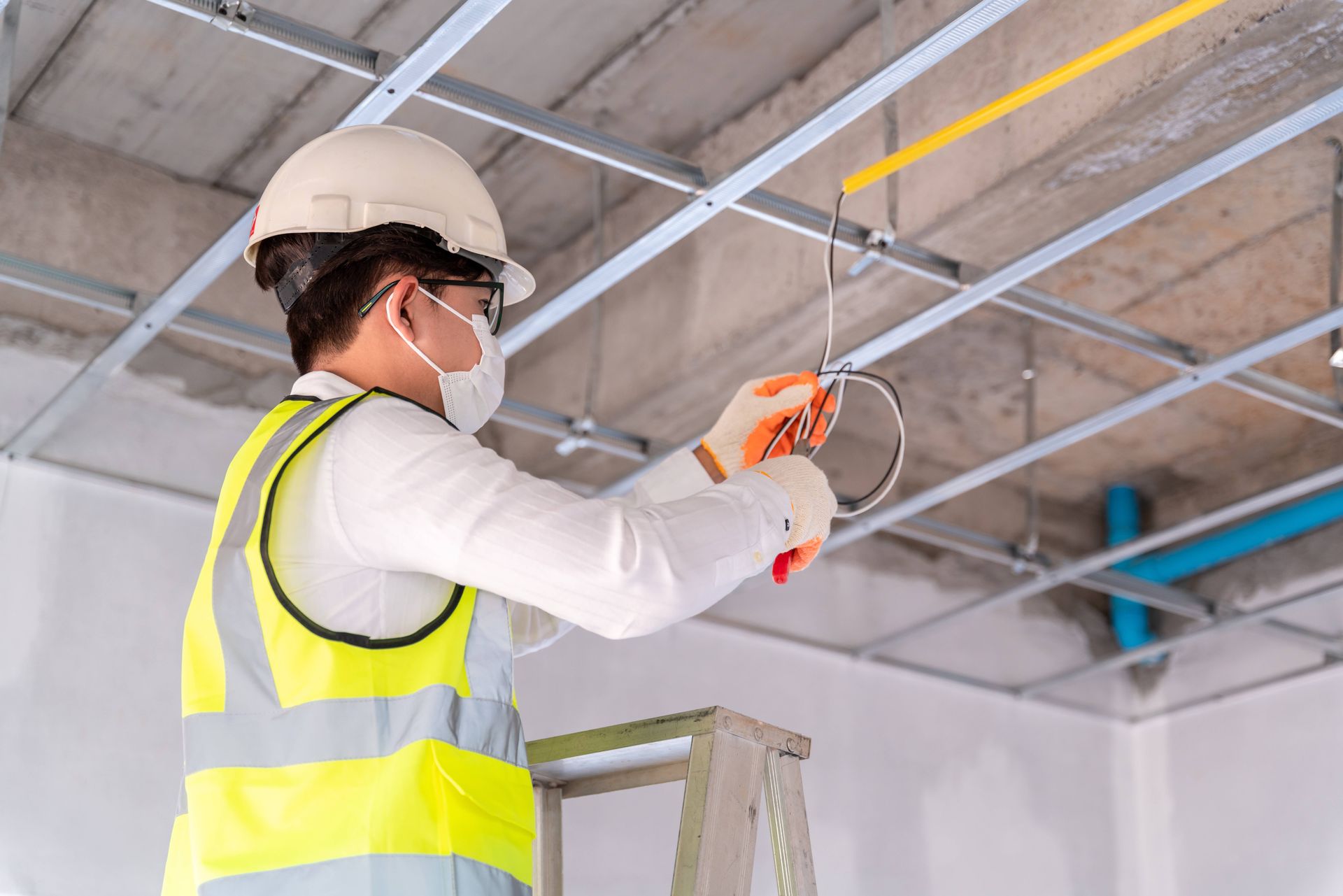
! Immediate Life Safety Threats (Gas leaks, exposed live wires, active flooding)
Made byBobr AI

Summary & Best Practices

Your diligence ensures the safety of staff and offenders.

Be Systematic: Inspect in the same pattern (Clockwise, Top-to-Bottom).

Be Specific: Detailed logs allow for faster repairs.

Follow Through: An inspection isn't finished until the paperwork is filed.

Made byBobr AI
Bobr AI

DESIGNER-MADE
PRESENTATION,
GENERATED FROM
YOUR PROMPT

Create your own professional slide deck with real images, data charts, and unique design in under a minute.

Generate For Free

Correctional Facility Inspection & Log Protocols Guide

Learn essential protocols for correctional housing unit inspections, including security hardware, health standards, safety logs, and escalation procedures.

Correctional Housing Unit: Inspection & Log Protocols

Training Module for New Inspectors & Maintenance Staff

Why Do We Inspect?

Housing unit inspections are not just paperwork. They are the frontline defense for facility integrity.

Safety & Security: Identify compromised locks, contraband hides, or structural weaknesses.

Legal Compliance: Adhere to confinement standards and minimize liability.

Humane Conditions: Ensure sanitation, HVAC, and plumbing function correctly for occupants.

Pre-Inspection Preparation

Required Tools:

High-powered flashlight

Inspection logs (digital tablet or clipboard)

Personal Protective Equipment (Gloves)

Radio for communication/safety check-in

Category 1: Security Hardware

Physical security is the priority. Systematically check integrity.

Locks & Hinges: Test for tampering, smooth operation, and loose screws.

Windows & Bars: Inspect sealants for digging/hiding contraband. Shake bars for stability.

Vents & Grates: Ensure they are securely fastened and not blocked.

Category 2: Health & Sanitation

Unsanitary conditions lead to health violations and unrest. Inspect:

Plumbing: Leaks, clogs, continuous running water (toilets/sinks).

Mold & Mildew: Check corners, showers, and near vents.

Pest Control: Look for droppings, entry points, or food debris.

Category 3: Fire & Life Safety

Smoke Detectors: Ensure not covered or tampered with.

Expiring Equipment: Check tags on fire extinguishers (monthly checks).

Egress Routes: Ensure walkways and exits are completely clear of obstructions.

Structure of Inspection Logs

Documentation is as critical as the inspection itself. If it isn't written down, it didn't happen.

Routine Logs

Daily validation of unit condition. Used for shift handovers and audits.

Work Orders

Actionable requests for repair. Must include priority levels and assignment.

Incident Reports

For immediate threats, contraband discovery, or major damages requiring escalation.

Completing Routine Inspection Logs

Every field matters. Avoid 'pencil whipping' (filling forms without checking).

Date & Time: 24-hour format required.

Specific Location: E.g., 'Unit B, Cell 204' (Not just 'Unit B').

Status Codes: Pass / Fail / N/A. Do not leave blank.

Comments: Describe failures specifically (e.g., 'Sink drain slow' vs 'Plumbing issue').

Work Orders & Corrective Actions

Closing the loop on identified issues.

Initiate

Log finding, flag as 'Maintenance Required'. Take photo if allowed.

Assign

Route to Maintenance Supervisor. Set priority (Emergency vs Routine).

Verify & Close

Inspector re-checks item after repair. Sign off to close ticket.

Escalation Protocols

When to stop inspecting and alert Security Control immediately:

Discovery of Contraband (Weapons, Drugs, Communication devices)

Major Security Breaches (Broken locks on occupied cells, holes in perimeter)

Immediate Life Safety Threats (Gas leaks, exposed live wires, active flooding)

Summary & Best Practices

Your diligence ensures the safety of staff and offenders.

Be Systematic: Inspect in the same pattern (Clockwise, Top-to-Bottom).

Be Specific: Detailed logs allow for faster repairs.

Follow Through: An inspection isn't finished until the paperwork is filed.

  • correctional-facility
  • facility-inspection
  • security-protocols
  • maintenance-training
  • health-and-safety
  • inspection-logs