

Gothic Elements in Dahl's Lamb to the Slaughter: An Analysis
Explore the Domestic Gothic themes in Roald Dahl's 'Lamb to the Slaughter,' including psychological unraveling, grotesque irony, and character symbolism.
Lamb to the Slaughter
An Analysis of Roald Dahl's Domestic Gothic
Student Name | English Literature
Summary of the Story
Mary Maloney, a devoted pregnant wife, awaits her husband Patrick's return from work.
Patrick abruptly announces he is leaving her/divorcing her, shattering her domestic bliss.
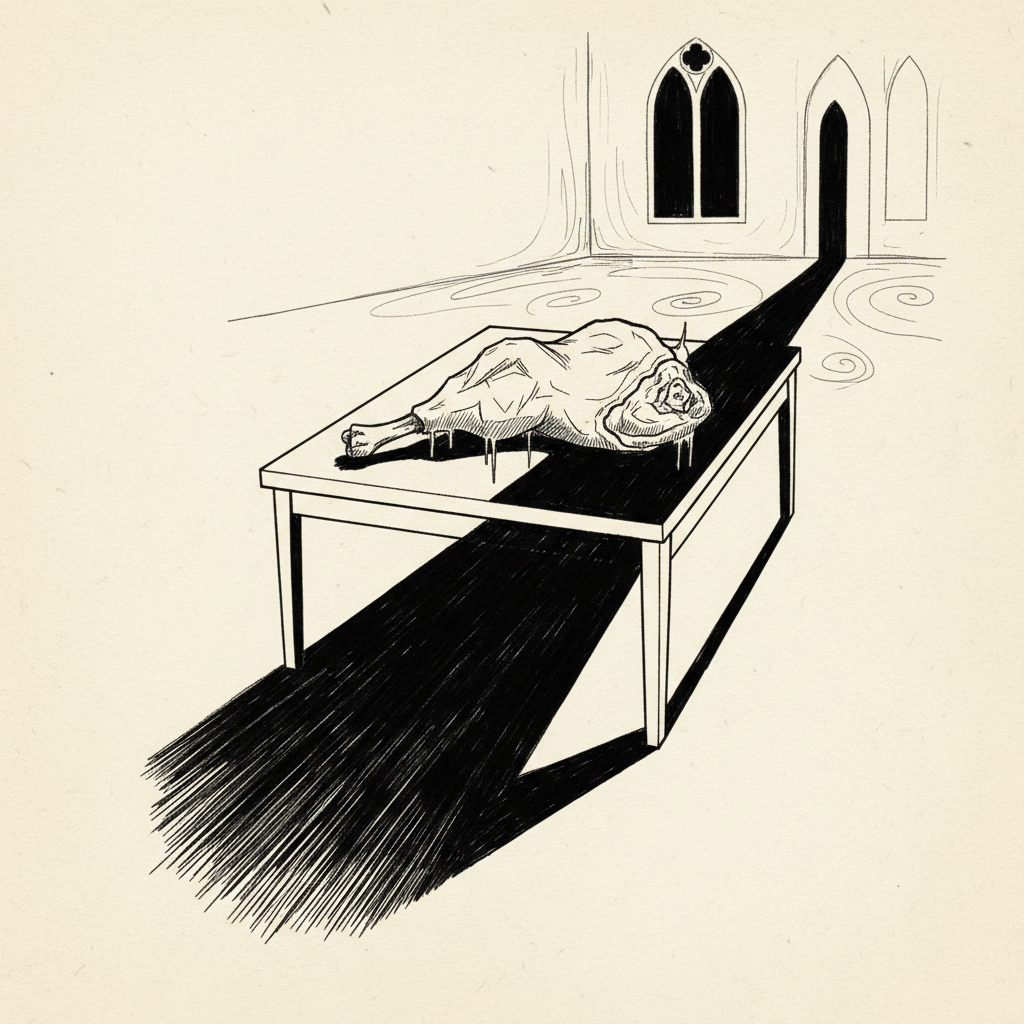
In a trance-like state, Mary strikes and kills him with a frozen leg of lamb she intended to cook.
She creates an alibi at the grocer, then calls the police (Patrick's colleagues) to investigate.
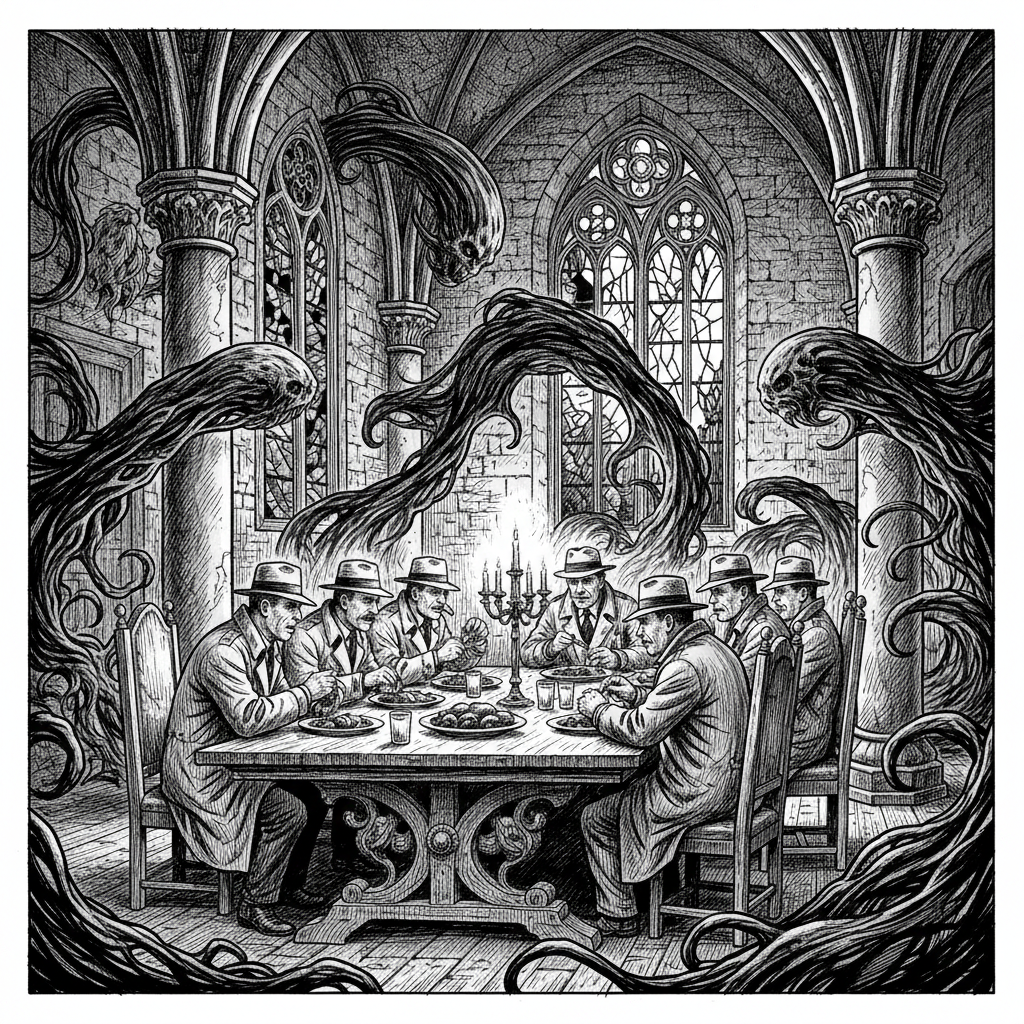
Irony peaks when the officers eat the murder weapon (the lamb) while discussing where it could be.
Gothic Elements Overview
Domestic Horror
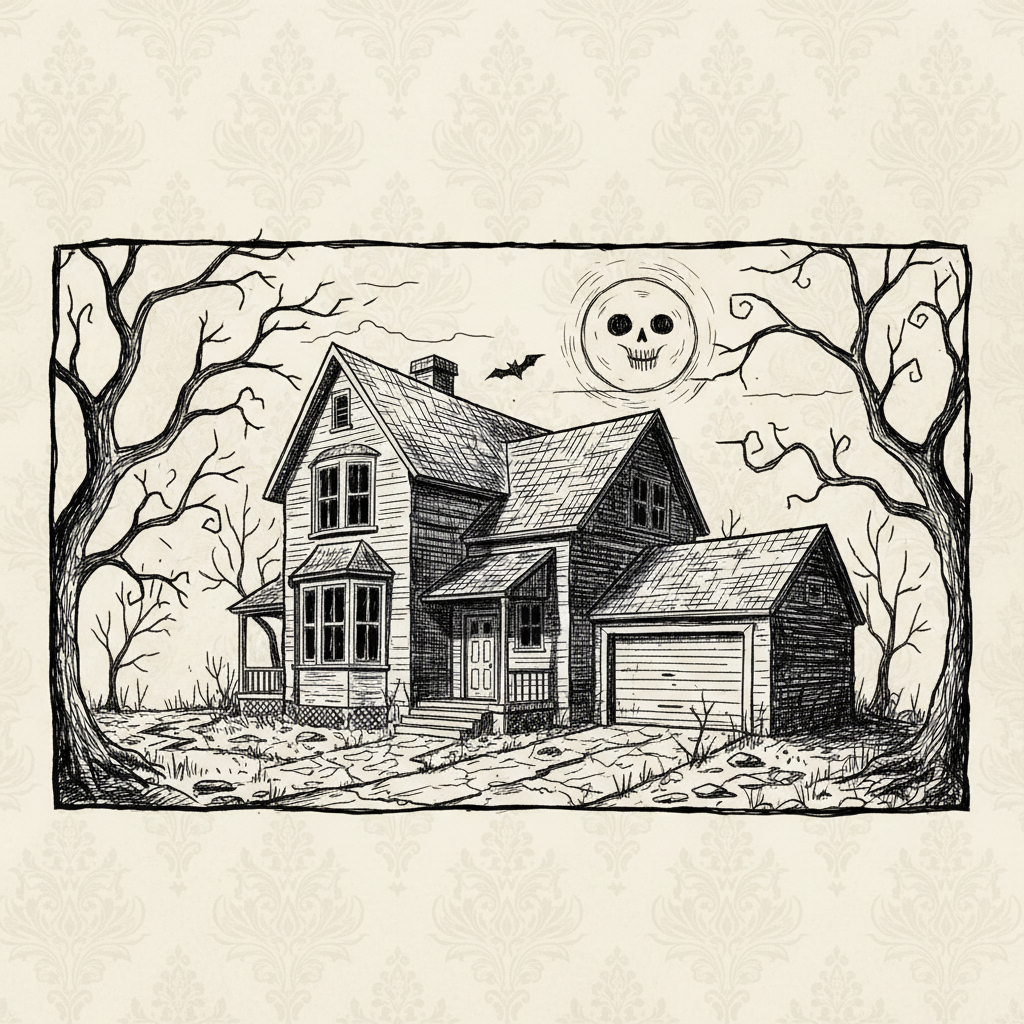
Subverts the castle setting by placing terror in a cozy 1950s kitchen.
psychological Unraveling
Focuses on the internal snap of the protagonist rather than external monsters.
Grotesque Irony
The act of consuming the evidence (cannibalistic undertones) is darkly humorous and macabre.
Setting & Mood
The story begins in a warm, orderly living room—symbolizing stability. This warmth contrasts sharply with the cold cellar where the murder weapon is kept. The mood shifts from domestic tranquility to cold, calculated survivalism.
"The room was warm and clean, the curtains drawn, the two table lamps burning hers and the one by the empty chair opposite..."
Fear & Suspense
Dahl builds suspense not through jump scares, but through the uncanny behavior of Mary. The tension lies in the gap between what the police know and what the reader knows (Dramatic Irony). The fear is rooted in how quickly a normal person can snap.
Character Psychology
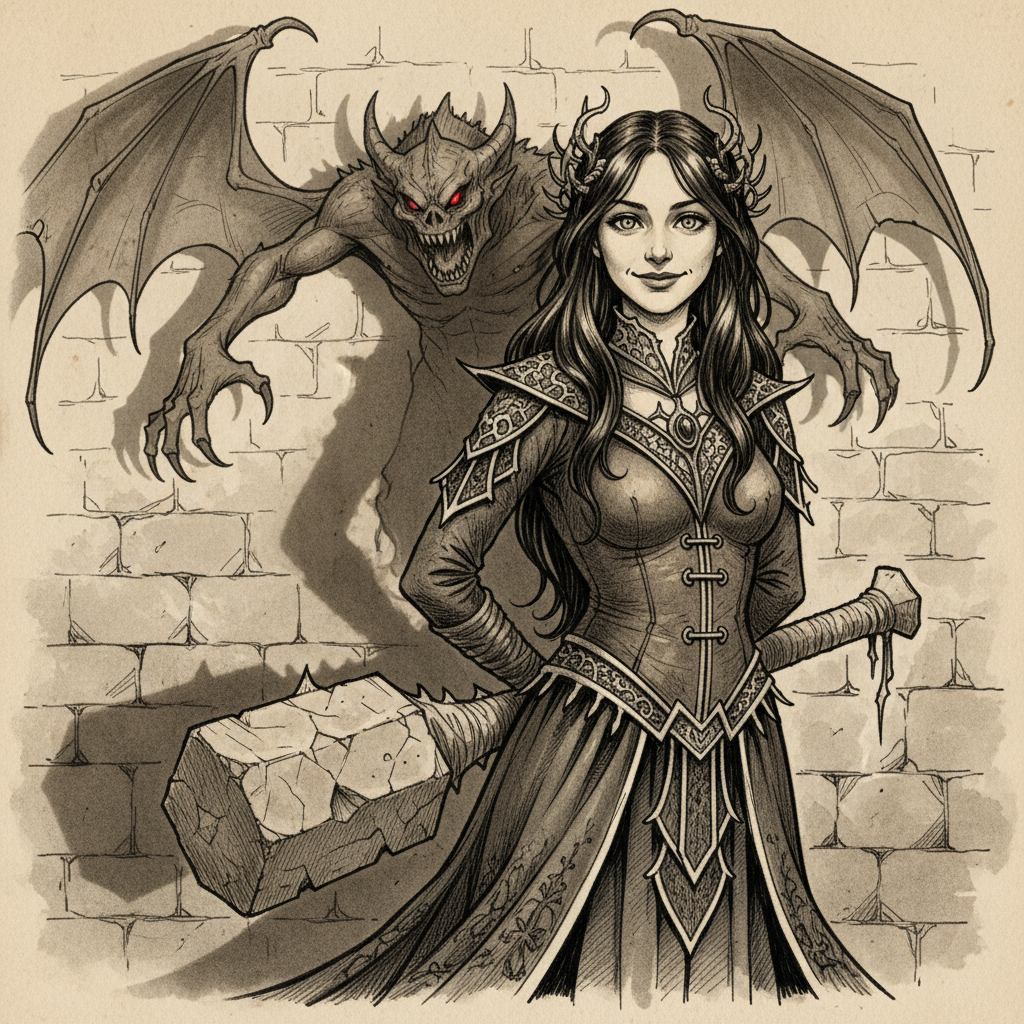
Mary starts as the archetype of the 'Angel in the House'—submissive and doting. The shock of betrayal causes a dissociation; she acts on instinct rather than malice initially, then shifts to cold rationality to protect her unborn child.
"I'll get it, she cried, jumping up. 'Sit down,' he said. 'Sit down.'"
"It was extraordinary, now, how clear her mind became all of a sudden."
Symbolism & Motif
The Leg of Lamb
Traditionally a symbol of innocence and sacrifice (Jesus as the Lamb). Dahl inverts this: the instrument of nurture (food) becomes the instrument of death. Mary is the 'Lamb' who becomes the butcher.
The Freezer
Represents the preservation of the perfect facade, but also the cold hardness required to commit the act.
Visual Gothic Evidence
The story relies on the juxtaposition of the mundane and the macabre. The image of the police officers eating the evidence is a grotesque tableau—a Gothic feast where the line between civilization (lawmen) and savagery (eating the murder weapon) is blurred.
Analysis: The scene invokes 'Black Humor' rather than terror, a hallmark of Dahl's modern Gothic style.
Author's Message
Gender Dynamics: Dahl critiques the underestimation of women. The detectives dismiss Mary as 'just a woman,' which allows her to escape.
The Perfect Crime: Suggests that the perfect crime is impulsive, not planned. It highlights the darkness hiding in plain sight within suburbia.
"And in the other room, Mary Maloney began to giggle."
Final Gothic Verdict
"Lamb to the Slaughter" is a masterpiece of Suburban Gothic. It contains no ghosts or castles, but it effectively uses the genre's core elements—isolation, psychological breakdown, and the grotesque—and transplants them into the modern home. It fulfills the criteria of fear not through the supernatural, but through the terrifying reality of human unpredictability.
Gothic Rating
- roald-dahl
- lamb-to-the-slaughter
- literary-analysis
- domestic-gothic
- english-literature
- gothic-horror
- character-psychology