



Made byBobr AI

Language and Culture: Impact on Global Communication

Explore how cultural frameworks shape language through Edward T. Hall's theory, politeness theory, idioms, and non-verbal communication cues.

#linguistics#anthropology#cross-cultural-communication#sociolinguistics#cultural-intelligence#education
Watch
Pitch

Language and Culture: An Interconnected Web

Exploring how cultural frameworks shape linguistic expression

Linguistics & Anthropology Department

Made byBobr AI

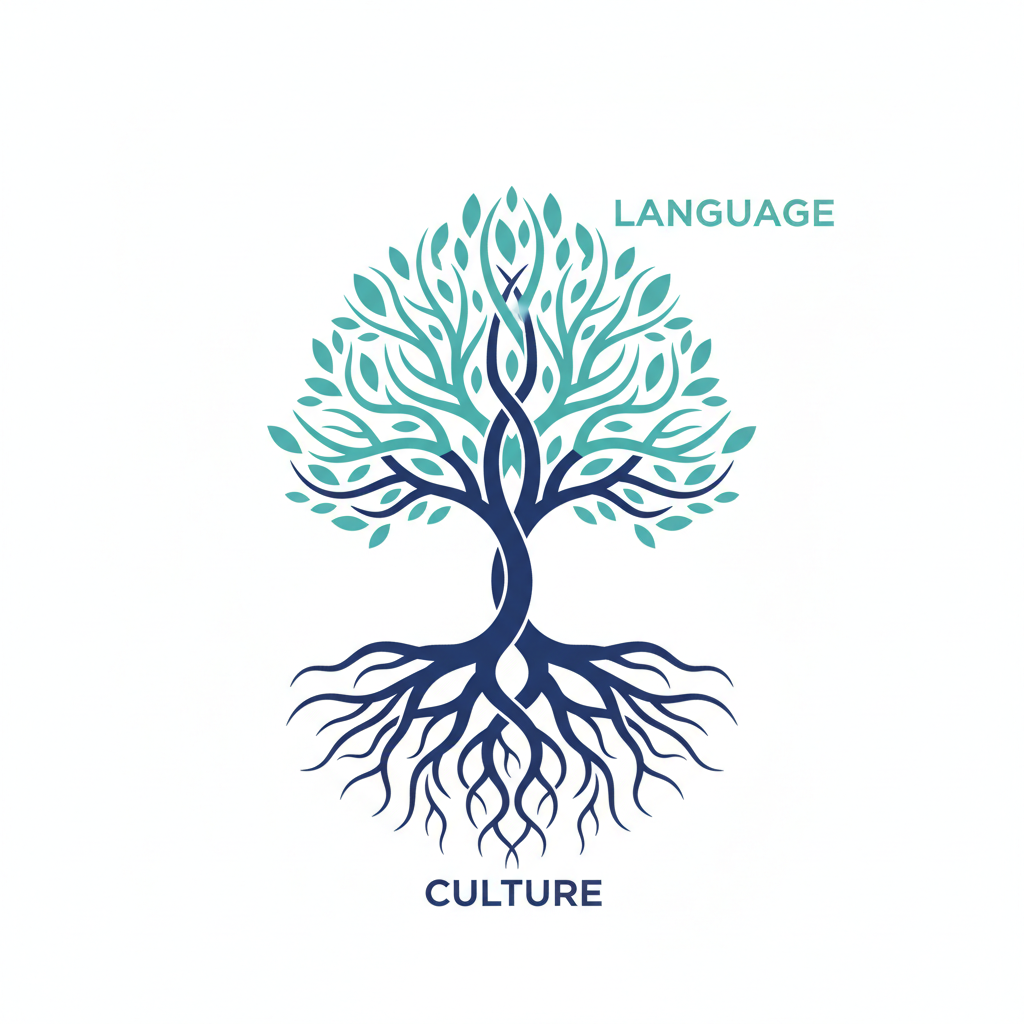
The Symbiotic Relationship

Language does not exist in a vacuum. It is the primary vehicle through which culture is transmitted, while culture dictates the boundaries and norms of language use. This dual relationship means that to learn a language is to learn a culture.

Made byBobr AI

High-Context vs. Low-Context Communication

Edward T. Hall's framework illustrates the inverse relationship between explicit verbal information and implicit situational context.

Chart
Made byBobr AI

Idioms & Metaphors

Figurative language acts as a repository for cultural history and values. Translating the words is rarely enough; one must translate the cultural logic.

• English: 'It's raining cats and dogs' (Chaos/Nonsense)

• French: 'It's raining ropes' (Il pleut des cordes - Visual)

• Welsh: 'It's raining old ladies and sticks' (Narrative)

Made byBobr AI

Politeness Theory & Hierarchy

Positive Politeness

Focuses on inclusion and solidarity. Common in egalitarian cultures where addressing peers directly is valued.

Negative Politeness

Focuses on respecting autonomy and avoiding imposition. Often utilizes formal titles and hedge words to soften requests.

Cultural Impact: Hierarchy determines grammar (e.g., 'Tu' vs 'Vous', Honorifics).
Made byBobr AI

Direct vs. Indirect Refusals

Direct Culture Style

"I cannot do that."

Meaning: No.
Value: Clarity and honesty.

Indirect Culture Style

"That will be difficult..."

Meaning: No.
Value: Harmony and face-saving.

Made byBobr AI

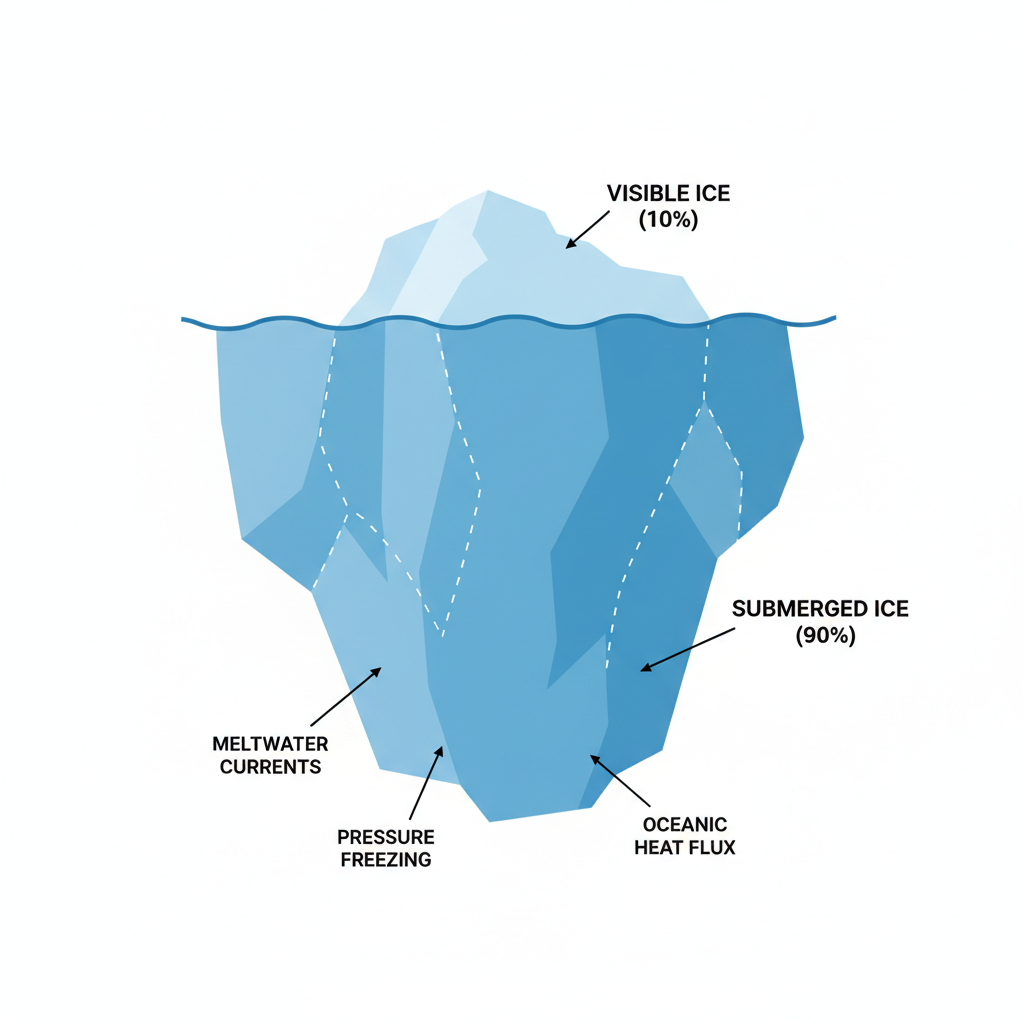
The Cultural Iceberg & Language

Above the Water

Surface Culture: Visible aspects like food and art. Language terms here are easily translated (concrete nouns).

Below the Water

Deep Culture: Unspoken rules, beliefs, and values. Language here dictates tone, speed, and pragmatic usage.

Made byBobr AI

The Silent Language

Non-verbal cues vary drastically by culture and change the meaning of the spoken word.

Proxemics: Personal space norms affect comfort during conversation.

Chronemics: Is time linear (Monochronic) or flexible (Polychronic)? This affects linguistic tenses and urgency.

Kinesics: Gestures that emphasize speaking in one culture may be offensive in another.

Made byBobr AI

Proverbs as Cultural Values

USA

"The squeaky wheel gets the grease."

Value: Individualism, Action

JAPAN

"The nail that sticks out gets hammered down."

Value: Collectivism, Harmony

Made byBobr AI

Conclusion

  • Language is not just a tool for description, but a guide for social reality.
  • Cultural values (directness, hierarchy, time) are embedded in grammar and idioms.
  • Effective communication requires cultural intelligence, not just vocabulary.
Made byBobr AI
Bobr AI

DESIGNER-MADE
PRESENTATION,
GENERATED FROM
YOUR PROMPT

Create your own professional slide deck with real images, data charts, and unique design in under a minute.

Generate For Free

Language and Culture: Impact on Global Communication

Explore how cultural frameworks shape language through Edward T. Hall's theory, politeness theory, idioms, and non-verbal communication cues.

Language and Culture: An Interconnected Web

Exploring how cultural frameworks shape linguistic expression

Linguistics & Anthropology Department

The Symbiotic Relationship

Language does not exist in a vacuum. It is the primary vehicle through which culture is transmitted, while culture dictates the boundaries and norms of language use. This dual relationship means that to learn a language is to learn a culture.

High-Context vs. Low-Context Communication

Edward T. Hall's framework illustrates the inverse relationship between explicit verbal information and implicit situational context.

Idioms & Metaphors

Figurative language acts as a repository for cultural history and values. Translating the words is rarely enough; one must translate the cultural logic.

English: 'It's raining cats and dogs' (Chaos/Nonsense)

French: 'It's raining ropes' (Il pleut des cordes - Visual)

Welsh: 'It's raining old ladies and sticks' (Narrative)

Politeness Theory & Hierarchy

Positive Politeness

Focuses on inclusion and solidarity. Common in egalitarian cultures where addressing peers directly is valued.

Negative Politeness

Focuses on respecting autonomy and avoiding imposition. Often utilizes formal titles and hedge words to soften requests.

Cultural Impact: Hierarchy determines grammar (e.g., 'Tu' vs 'Vous', Honorifics).

Direct vs. Indirect Refusals

Direct Culture Style

"I cannot do that."

Meaning: No. <br>Value: Clarity and honesty.

Indirect Culture Style

"That will be difficult..."

Meaning: No. <br>Value: Harmony and face-saving.

The Cultural Iceberg & Language

Surface Culture: Visible aspects like food and art. Language terms here are easily translated (concrete nouns).

Deep Culture: Unspoken rules, beliefs, and values. Language here dictates tone, speed, and pragmatic usage.

The Silent Language

Non-verbal cues vary drastically by culture and change the meaning of the spoken word.

Proxemics: Personal space norms affect comfort during conversation.

Chronemics: Is time linear (Monochronic) or flexible (Polychronic)? This affects linguistic tenses and urgency.

Kinesics: Gestures that emphasize speaking in one culture may be offensive in another.

Proverbs as Cultural Values

USA

"The squeaky wheel gets the grease."

Value: Individualism, Action

JAPAN

"The nail that sticks out gets hammered down."

Value: Collectivism, Harmony

Conclusion

Language is not just a tool for description, but a guide for social reality.

Cultural values (directness, hierarchy, time) are embedded in grammar and idioms.

Effective communication requires cultural intelligence, not just vocabulary.

  • linguistics
  • anthropology
  • cross-cultural-communication
  • sociolinguistics
  • cultural-intelligence
  • education