



Physique and Anthropometric Analysis of Indian Athletes
Explore the morphological and physiological characteristics of Indian athletes across sports like Kabaddi, Hockey, and Boxing for sports science students.
Physical Development & Physique in Indian Sports
An Anthropometric and Physiological Analysis of Indian Athletes
Target Audience: Sports Science & Physical Education Students
Key Anthropometric Indicators
Morphological Metrics
Height, Weight, and BMI are foundational. In high-performance sports, specific lengths (e.g., arm span in Kabaddi) and girths (calf circumference in Hockey) often correlate more strongly with success than BMI alone.
Body Composition
Focus on Body Fat % and Lean Body Mass (LBM). Indian athletes generally show significantly lower skinfold measurements than sedentary populations, critical for power-to-weight ratio.
Somatotyping in Indian Sports
Indian athletes across disciplines (Hockey, Wrestling, Athletics) predominantly exhibit a MESOMORPHIC bias (high muscularity), with sport-specific deviations.
Endomorphy (Adiposity): Generally low in elite Indian athletes (Boxers <10% Fat). Higher in specific weight classes of weightlifters.
Mesomorphy (Muscularity): The dominant trait in Indian wrestlers, kabaddi players, and sprinters. Correlates with explosive power.
Ectomorphy (Linearity): Prevalent in endurance runners and soccer players (Eastern India comparison), highlighting leanness required for aerobic efficiency.
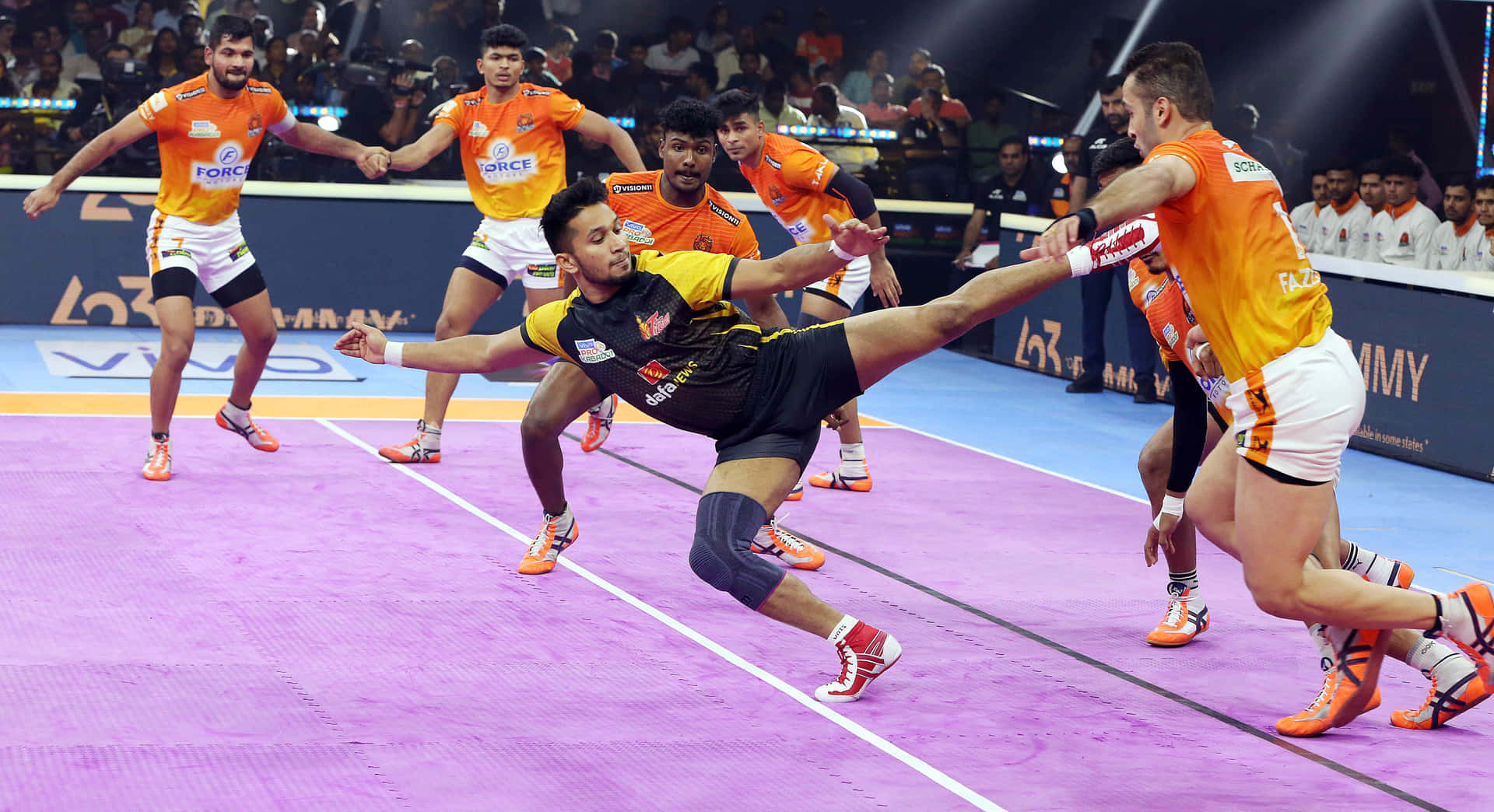
Case Study: Kabaddi - Position Specificity
Research indicates distinct anthropometric requirements for different positions. Raiders require greater reach (arm span) to tag opponents, while defenders maintain a lower center of gravity.
Analysis of Adiposity: Combat Sports
Low body fat is crucial for weight-category sports to maximize power-to-weight ratios. Elite Indian Boxers demonstrate the lowest adiposity compared to other strength disciplines.
Field Sports: Hockey & Football
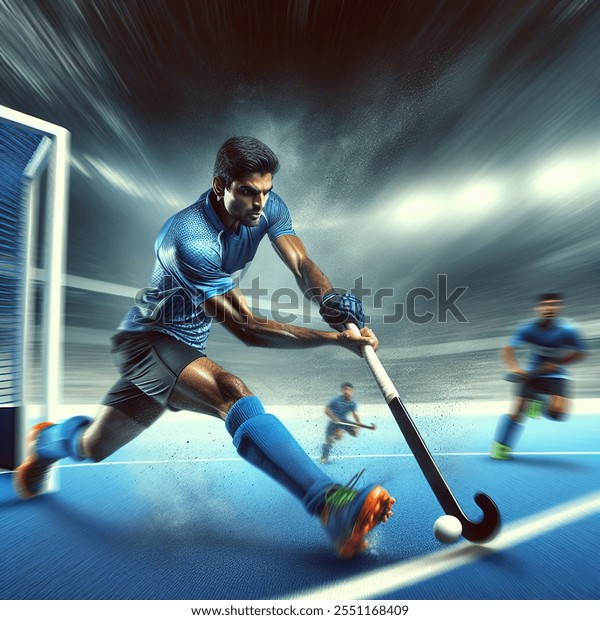
Indian Hockey Players: Characterized by Mesomorphic builds with high calf girth, supporting explosive sprinting and low center of gravity. Significantly lower skinfolds than non-athletes.
Indian Footballers (Eastern Region): Exhibit higher Ectomorphy scores than hockey players. The demand for continuous aerobic endurance favours a leaner, lighter frame relative to height.
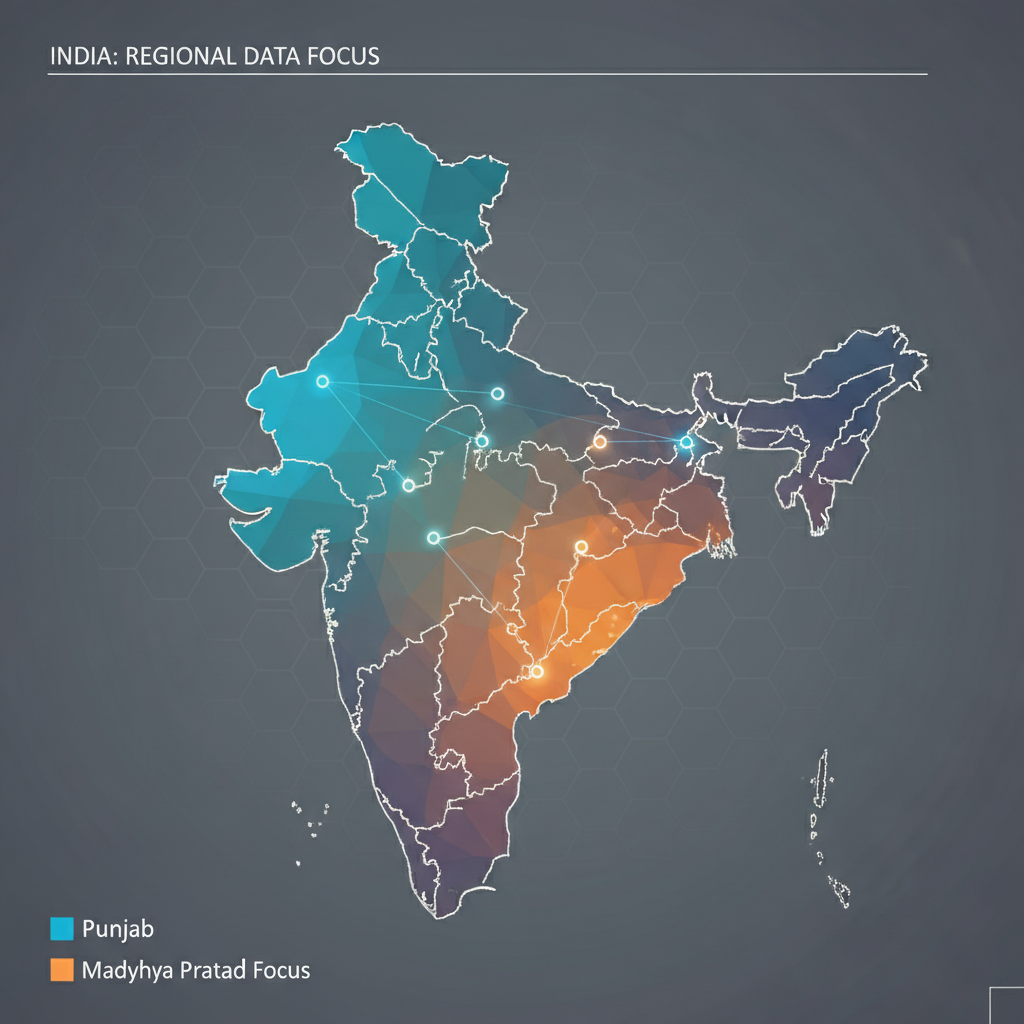
Regional Variations in Indian Athletes
North India (Punjab/Haryana)
Genetically and environmentally predisposed to larger anthropometric measurements. Athletes show superior height, weight, bone diameters, and skeletal muscle mass.
Central/East India (MP/WB)
Tendency towards leaner frames. Athletes from Madhya Pradesh often record lower values in height and circumference but excel in specific skinfold (leanness) profiles.
Muscle Mass & Performance
Correlation between Skeletal Muscle Mass (SKM) and Power
Studies on Indian university players reveal that Skeletal Muscle Mass is a primary driver for vertical jump performance. Males typically exhibit higher SKM and consequently higher jump scores, validating the need for hypertrophy training in power sports.
Implications for Talent Identification
Somatotype Profiling: Early identification of Mesomorphy for power sports (Wrestling, Sprinting) vs. Ecto-Mesomorphy for endurance (Football mid-fielders).
Specific Dimensions: Screening for arm span > height for Kabaddi raiders, Badminton, and Tennis players.
Body Composition: Monitoring Body Fat % trends to identify metabolic efficiency suited for elite competition levels.
Summary & Practical Takeaways
Physique Matters
Indian athletes exhibit clear morphological adaptations specific to their sport (e.g., Kabaddi reach, Wrestler density).
Regional Diversity
Geographical origin (North vs. East/Central) plays a significant role in baseline anthropometric traits.
Training Focus
Conditioning programs must target specific deficiencies (e.g., increasing LBM in female athletes) to optimize performance.
- sports-science
- anthropometry
- indian-athletes
- somatotyping
- kabaddi
- human-performance
- body-composition