










Outcome-Based Security Contracting & Tender Requirements
Explore strategic insights on outcome-based security services, evaluation methods (PQM), performance demerit systems, and technology integration.
Outcome-Based Security Services Contract
Executive Summary and Tender Requirements Overview
January 2026
Executive Agenda
Shift to Outcome-Based Contracting (OBC)
Price-Quality Evaluation Method (PQM)
Key Security Outcomes & Scope
Performance Management & Demerits
Transition & Compliance
The Strategic Shift: Outcome-Based Contracting
The contract moves away from simple headcount supply to defined performance outcomes. The tenderer must propose an operational model integrating manpower, processes, and technology.
Evaluation Criteria: Price-Quality Method (PQM)
Proposals are evaluated on a 40/60 split, emphasizing quality and operational capability over lowest price.
Quality Evaluation Breakdown
1. Operational Process Control: Ability to achieve security outcomes.
2. Technology Maturity: Quality and relevance of proposed tech solutions.
3. Manpower & Support: Supervisory plans, staff training, and well-being measures.
4. Track Record: Success in similar scale operations.
Mandatory Submission Plans
Risk Assessment
Threat & Vulnerability Risk Assessment (TVRA) covering probability, severity, and control measures.
Operational Model
Integration of manpower, process, and technology to meet outcomes.
Resource Plan
Optimum manpower structure and technology commitments.
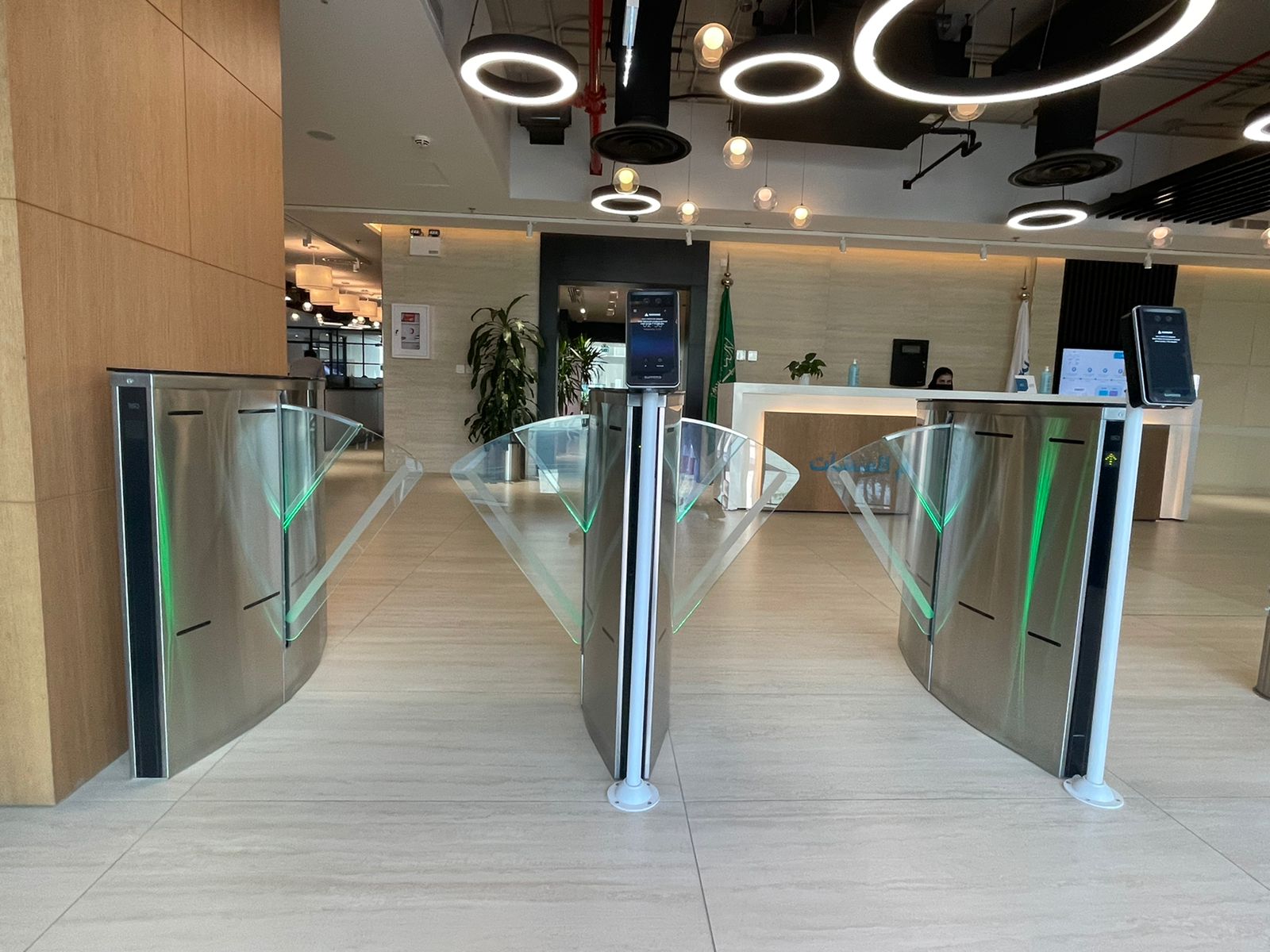
Security Outcomes: Access Control
Personnel Access
• Only authorized personnel and cleared visitors allowed entry. • Access passes required for perimeter side gates. • Strict verification protocols.
Vehicle Access
• Only authorized vehicles in basement carpark. • Taxis/Ride-shares must exit immediately after drop-off. • No unauthorized parking management.
Security Control Room Operations
• 24-hour operation for handling calls, felonies, and emergencies. • Continuous CCTV monitoring. • Dispatch of officers within X minutes of incident detection. • Support for fire drills and evacuation exercises.
Technology & Equipment Integration
Contractor Furnished Equipment (CFE)
The contractor bears all costs for installation, maintenance, and removal of proposed hardware (e.g., Video Analytics, Electronic Clocking). The Authority reserves the right to acquire ownership of deployed technology at depreciated costs upon contract expiry.
Performance-Based Payment Model
Monthly payments are adjusted based on demerit points accumulated. Low demerits (<10 points) result in a bonus.
Demerit Point System Severity
Minor (3 Points)
Improper attire, code of conduct breach (sleeping), inaccurate reporting.
Major (20-40 Points)
Slow incident response, technology unavailability (<85%), attendance failures <92%.
Critical (50 Points)
Failure to prevent injury, break-ins, theft, or fire. (Trigger for potential termination).
Consequences of Service Failure
50 Points in Any Month: Authority writes Warning Letter or Work Improvement Order (WIO). Immediate remedial action required.
50 Points for 3 Consecutive Months: Authority entitled to TERMINATE the contract.
Transition Plan Requirements
1. Timeline & Milestones: Detailed schedule for taking over operations. 2. Manpower Shortfall Strategy: Plan for interim measures if recruitment lags. 3. Hardware Installation: Deadlines for installing CFE (Video analytics, sensors). 4. UAT & Training: Acceptance testing and On-The-Job training dates.
Resource & Manpower Planning
The tender requires a fixed baseline resource commitment. Key Constraints: • Contractor cannot unilaterally adjust committed resources without variation orders. • Manpower must be supported by evidence of training and competency (WSQ). • Any inadequacy during the contract period must be addressed at NO additional cost.
Training & Compliance
Competency (WSQ)
All officers must hold relevant WSQ qualifications. Refresher training is at the Contractor's cost.
HR & Welfare
Compliance with Progressive Wage Model (PWM). Policies must promote work-life balance.
Personal Data Protection (PDPA)
Contractor must ensure compliance with PDPA when handling data (NRIC, visitor logs). • Consent: Must be obtained for data collection. • Protection: Reasonable security arrangements to prevent leaks. • Retention: Cease retention when no longer necessary. • NRIC Handling: Encouraged to use partial NRIC (last 3 digits + checksum).
Price Schedule Structure
Fixed Components
Includes Manpower + Technology Solutions. Inclusive of uniforms, training, admin, and maintenance.
Variable (Surge) Components
Ad-hoc services subject to ability to supply. Surge factor applies if notice < 7 days. Does not apply to overtime charges.
Strategic Implications
Higher Accountability: Outcome-based models shift risk to the contractor.
Incentivized Performance: Bonus/Penalty structure drives consistent quality.
Technology Reliance: Reduces dependency on pure headcount, improving long-term efficiency.
Next Steps & Recommendations
1. Review Security Outcomes to ensure they match current site risks.
2. Align budget with PQM strategy (expect higher quality to cost more).
3. Finalize Tender Specifications and release Invitation to Tender.
Q&A
Thank You
- security-management
- outcome-based-contracting
- tender-requirements
- physical-security
- manpower-planning
- performance-management
- pdpa-compliance