


Made byBobr AI

EV vs. Hybrid vs. Petrol Cars: China Market Guide 2026

Explore the shift to NEVs in China. Compare BEVs, PHEVs, and Petrol cars based on costs, subsidies, and market trends for 2024-2030.

#ev-vs-hybrid#china-auto-market#bev-phev-comparison#electric-vehicle-subsidies#total-cost-of-ownership#nev-trends
Watch
Pitch
Futuristic electric vehicle concept car driving on a neon-lit smart highway at night, cyber city background, sleek design, cinematic lighting

EV vs. Hybrid vs. Petrol: The Definitive Guide

A comprehensive analysis of the Chinese and Global Market Transition in 2026

Made byBobr AI

China's Market Shift: The Rise of NEVs

45%

NEV Market Share (2024)

80%

Projected Share by 2030

Chart
Made byBobr AI

Understanding the Drivetrains

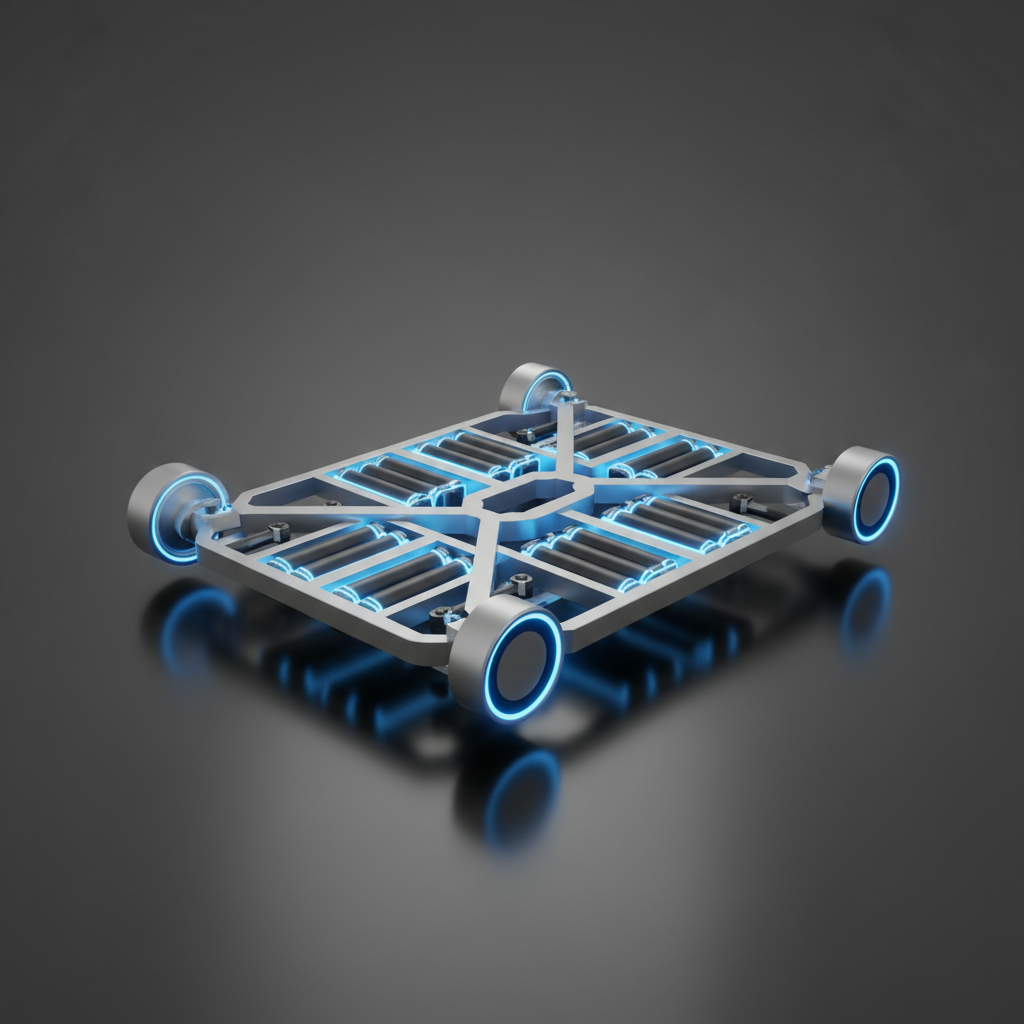
Minimalist icon or 3D render of a BEV battery skate platform chassis, neon blue glowing battery cells

BEV (Battery Electric)

100% Electric. Zero emissions at tailpipe. Requires charging. Best for running costs.

Minimalist icon 3D render of a hybrid car powertrain showing both engine and battery pack, orange and blue glow

PHEV (Plug-in Hybrid)

Battery for daily commute + Engine for long trips. Offers flexibility but higher complexity.

Made byBobr AI

The Surge of Plug-in Hybrids (PHEV)

PHEVs are growing 3x faster than BEVs in China. Consumers are voting for the 'best of both worlds' solution to tackle range anxiety while maintaining electric efficiency for city driving.

Chart
Made byBobr AI

Total Cost of Ownership: Fuel Economics

Chart

EV running costs are ~80% lower than petrol vehicles.

Note: While operational costs are low, BEVs currently face 2-6% higher annual depreciation rates compared to ICE vehicles.

Made byBobr AI

Market Leaders: The New Titans

BYD corporate headquarters building exterior or logo on modern office glass

BYD: The Global Leader

Producing exclusively plug-in EVs since 2022. In H1 2025, Chinese plug-in EV sales were 1.5x all other global sales combined.

Emerging Competition

Geely, Wuling, Li Auto, and NIO are aggressively expanding. Over 50% of Geely and Wuling sales are now NEVs.

Made byBobr AI
Abstract digital representation of government policy documents, scales of justice, and green energy leaf symbols, dark corporate style

Government Policy: The Driving Force

Tax Exemptions (Through 2027)

NEVs exempt from 10% sales tax (capped at RMB 30k from 2026).

Trade-In Subsidies

Up to RMB 20,000 subsidy for replacing older combustion vehicles with NEVs.

Dual Credit Policy

Manufacturers mandated to meet fuel efficiency and NEV production targets.

Made byBobr AI

The End of the Oil Era?

Gasoline consumption peaked in 2023. As NEV penetration hits 80% by 2030, fossil fuel demand in personal transport will enter structural decline.

Chart
Made byBobr AI

Verdict: Which Car is Right for You?

Pure Electric (BEV)

• Lowest running costs
• Subsidies & Tax free
• Best for: City Commuters & Home Owners

Plug-in Hybrid (PHEV)

• No range anxiety
• Flexible fueling
• Best for: One-Car Households & Long Distance

Petrol (ICE)

• Lower upfront cost (used market)
• Higher fueled cost
• Best for: Rural areas with zero infrastructure
Made byBobr AI
Cinematic shot of an electric car tailored light shining into the horizon, dark moody sunset, symbolism of future transportation

The Road Ahead

The transition is not coming. It is here.

Made byBobr AI
Bobr AI

DESIGNER-MADE
PRESENTATION,
GENERATED FROM
YOUR PROMPT

Create your own professional slide deck with real images, data charts, and unique design in under a minute.

Generate For Free

EV vs. Hybrid vs. Petrol Cars: China Market Guide 2026

Explore the shift to NEVs in China. Compare BEVs, PHEVs, and Petrol cars based on costs, subsidies, and market trends for 2024-2030.

EV vs. Hybrid vs. Petrol: The Definitive Guide

A comprehensive analysis of the Chinese and Global Market Transition in 2026

China's Market Shift: The Rise of NEVs

45%

NEV Market Share (2024)

80%

Projected Share by 2030

Understanding the Drivetrains

BEV (Battery Electric)

100% Electric. Zero emissions at tailpipe. Requires charging. Best for running costs.

PHEV (Plug-in Hybrid)

Battery for daily commute + Engine for long trips. Offers flexibility but higher complexity.

The Surge of Plug-in Hybrids (PHEV)

PHEVs are growing 3x faster than BEVs in China. Consumers are voting for the 'best of both worlds' solution to tackle range anxiety while maintaining electric efficiency for city driving.

Total Cost of Ownership: Fuel Economics

EV running costs are ~80% lower than petrol vehicles.

Note: While operational costs are low, BEVs currently face 2-6% higher annual depreciation rates compared to ICE vehicles.

Market Leaders: The New Titans

BYD: The Global Leader

Producing exclusively plug-in EVs since 2022. In H1 2025, Chinese plug-in EV sales were 1.5x all other global sales combined.

Emerging Competition

Geely, Wuling, Li Auto, and NIO are aggressively expanding. Over 50% of Geely and Wuling sales are now NEVs.

Government Policy: The Driving Force

Tax Exemptions (Through 2027)

NEVs exempt from 10% sales tax (capped at RMB 30k from 2026).

Trade-In Subsidies

Up to RMB 20,000 subsidy for replacing older combustion vehicles with NEVs.

Dual Credit Policy

Manufacturers mandated to meet fuel efficiency and NEV production targets.

The End of the Oil Era?

Gasoline consumption peaked in 2023. As NEV penetration hits 80% by 2030, fossil fuel demand in personal transport will enter structural decline.

Verdict: Which Car is Right for You?

Pure Electric (BEV)

• Lowest running costs<br>• Subsidies & Tax free<br>• Best for: City Commuters & Home Owners

Plug-in Hybrid (PHEV)

• No range anxiety<br>• Flexible fueling<br>• Best for: One-Car Households & Long Distance

Petrol (ICE)

• Lower upfront cost (used market)<br>• Higher fueled cost<br>• Best for: Rural areas with zero infrastructure

The Road Ahead

  • ev-vs-hybrid
  • china-auto-market
  • bev-phev-comparison
  • electric-vehicle-subsidies
  • total-cost-of-ownership
  • nev-trends