





Made byBobr AI

Understanding Bills of Quantities and Tendering Processes

Learn the fundamentals of construction tenders, the structure of a Bill of Quantities (BoQ), and the different stages of the procurement process.

#bill-of-quantities#construction-tendering#procurement-process#civil-engineering#quantity-surveying#project-management
Watch
Pitch

Tendering & Bill of Quantities

Fundamentals, Process Stages, and Measurement Logic

Made byBobr AI

What is a Tender?

Concept: A formal competition where an authority announces a project.
Participants: Engineering offices, contractors, or investors submit proposals.
Goal: Select the most suitable proposal based on scope, cost, and quality.

Distinction:

• Tender: The formal offer/document.
• Tendering: The process of submitting prices and proposals.
Made byBobr AI

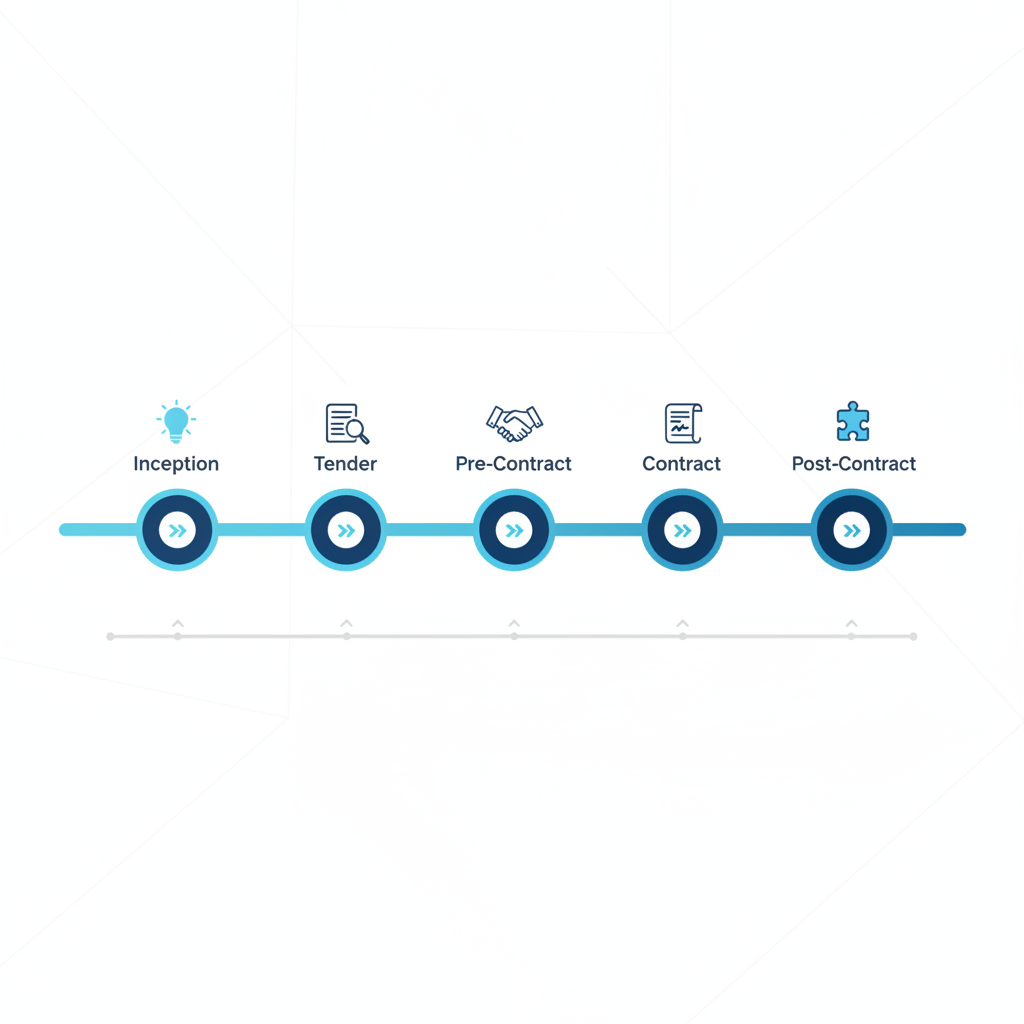
Stages of Project Tendering

1. Inception (Pre-Tender)

Economic analysis, feasibility study, collecting data.

2. Tender Stage

Design, BoQ preparation, defining contract conditions.

3. Pre-Contract

Evaluation of offers (Tech & Fin), selecting contractor.

4. Contract & Execute

Signing agreement, applying controls, monitoring quality.

Made byBobr AI

Types of Tenders

  • Open TenderPublicly announced; open to all interested parties.
  • Selective TenderingInvitation only (approx. 3 companies) based on reputation.
  • Negotiated TenderingDirect discussion on price. Higher risk, often based on relationships.
  • Staged TenderingTwo stages: Technical shortlisted first, then Financial review.
Made byBobr AI

The Submission Process

1. Pre-Bid Meeting & Site Visit

Critical for understanding site constraints.

2. Sealed Envelopes Submission

Must be strict; unsealed bids are rejected.

Technical Proposal

Experience, Qualification, Certificates (Opened First)

Financial Proposal

Pricing & Costs (Opened only if Technical passes)

Made byBobr AI

What is the Bill of Quantities (BoQ)?

The BoQ is the most critical document in the tender package. It translates engineering drawings into measurable items.

Key Purposes:

  • Scope Definition: Defines specific materials, costs, and execution methods.
  • Standardization: Allows accurate price comparison between different contractors.
  • Organization: Prevents randomness and execution disputes.
Made byBobr AI

Structure of the BoQ

A standard BoQ page contains the following key columns:

Item No.
Description
Unit
Quantity
Rate (Price)
Total Amount
A.1
Supply and install internal masonry walls (10cm thick block)...
150
$20
$3,000
Made byBobr AI

Measurement & Contingency

Works are sectioned (Civils, Masonry, Woodwork). A Contingency Allowance is added to the total estimation (usually around 10%) to cover calculation errors or unforeseen execution issues.

"Through the BoQ, contractors can decide whether the project is suitable for them... responsibilities for errors are clearly identified."

Typical Estimation Breakdown with Contingency

Chart
Made byBobr AI

Transparency & Local Context

Ideal Process:

Transparent, official announcements, clear contractual agreement between Owner, Engineer, and Contractor.

Issues in Palestine:

Some tenders awarded via personal connections vs. public announcements (less transparent).

Role of QS:

Globally, a Quantity Surveyor reduces BoQ. Locally, the Designer often does this work.

Made byBobr AI

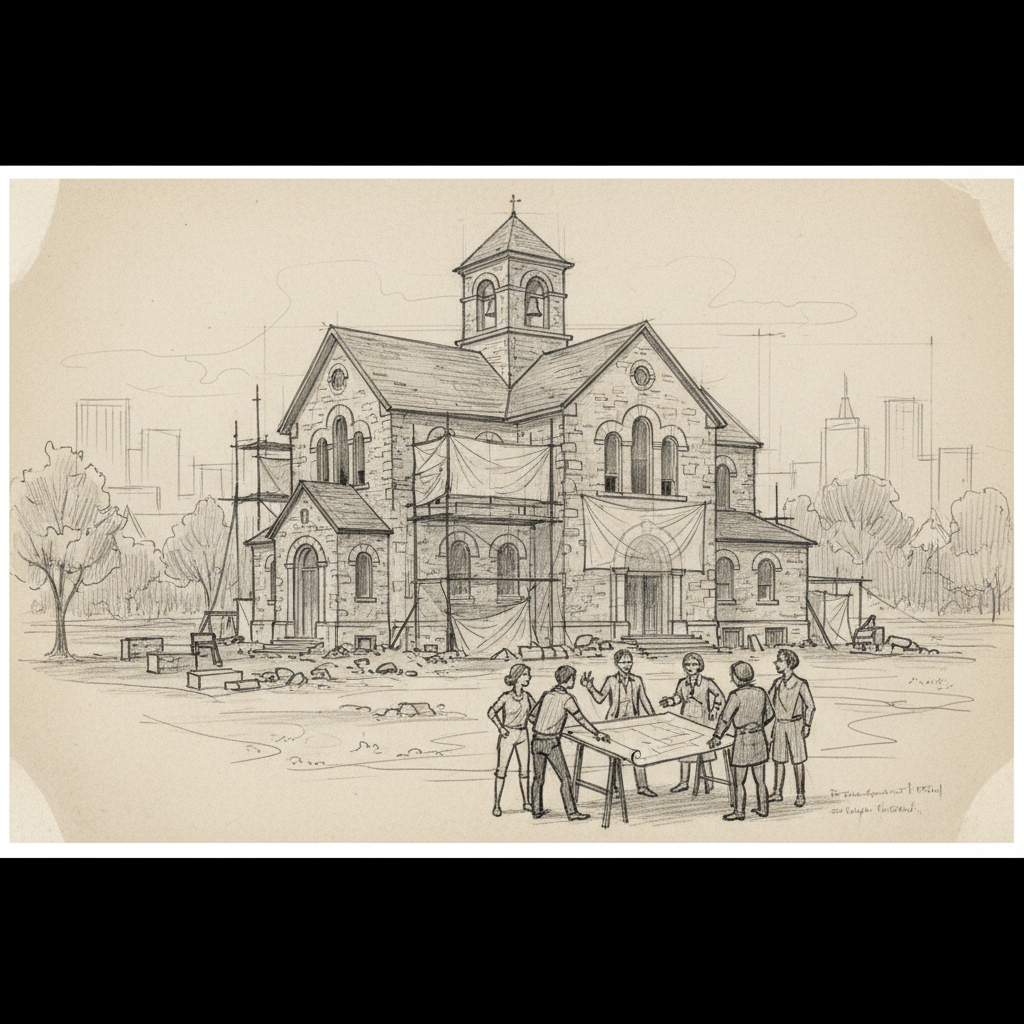
Real-Life Example: Beit Surik Art Center

A practical example of a design services tender.

  • Scope: Design, licensing, supervision, restoration, and finishing.
  • Target: Engineering offices submitted financial proposals.
  • Documents: Included location constraints, budget, and design stages.
Term: Vendors: The service providers/contractors selected through this process.
Made byBobr AI
Bobr AI

DESIGNER-MADE
PRESENTATION,
GENERATED FROM
YOUR PROMPT

Create your own professional slide deck with real images, data charts, and unique design in under a minute.

Generate For Free

Understanding Bills of Quantities and Tendering Processes

Learn the fundamentals of construction tenders, the structure of a Bill of Quantities (BoQ), and the different stages of the procurement process.

Tendering & Bill of Quantities

Fundamentals, Process Stages, and Measurement Logic

What is a Tender?

Concept: A formal competition where an authority announces a project.

Participants: Engineering offices, contractors, or investors submit proposals.

Goal: Select the most suitable proposal based on scope, cost, and quality.

Distinction:

• Tender: The formal offer/document.<br>• Tendering: The process of submitting prices and proposals.

Stages of Project Tendering

1. Inception (Pre-Tender)

Economic analysis, feasibility study, collecting data.

2. Tender Stage

Design, BoQ preparation, defining contract conditions.

3. Pre-Contract

Evaluation of offers (Tech & Fin), selecting contractor.

4. Contract & Execute

Signing agreement, applying controls, monitoring quality.

Types of Tenders

Open Tender

Publicly announced; open to all interested parties.

Selective Tendering

Invitation only (approx. 3 companies) based on reputation.

Negotiated Tendering

Direct discussion on price. Higher risk, often based on relationships.

Staged Tendering

Two stages: Technical shortlisted first, then Financial review.

The Submission Process

1. Pre-Bid Meeting & Site Visit

2. Sealed Envelopes Submission

Technical Proposal

Experience, Qualification, Certificates (Opened First)

Financial Proposal

Pricing & Costs (Opened only if Technical passes)

What is the Bill of Quantities (BoQ)?

The BoQ is the most critical document in the tender package. It translates engineering drawings into measurable items.

Key Purposes:

Scope Definition: Defines specific materials, costs, and execution methods.

Standardization: Allows accurate price comparison between different contractors.

Organization: Prevents randomness and execution disputes.

Structure of the BoQ

A standard BoQ page contains the following key columns:

Item No.

Description

Unit

Quantity

Rate (Price)

Total Amount

A.1

Supply and install internal masonry walls (10cm thick block)...

150

$20

$3,000

Measurement & Contingency

Works are sectioned (Civils, Masonry, Woodwork). A Contingency Allowance is added to the total estimation (usually around 10%) to cover calculation errors or unforeseen execution issues.

Typical Estimation Breakdown with Contingency

Transparency & Local Context

Ideal Process:

Transparent, official announcements, clear contractual agreement between Owner, Engineer, and Contractor.

Issues in Palestine:

Some tenders awarded via personal connections vs. public announcements (less transparent).

Role of QS:

Globally, a Quantity Surveyor reduces BoQ. Locally, the Designer often does this work.

Real-Life Example: Beit Surik Art Center

A practical example of a design services tender.

Scope: Design, licensing, supervision, restoration, and finishing.

Target: Engineering offices submitted financial proposals.

Documents: Included location constraints, budget, and design stages.

Term: Vendors

The service providers/contractors selected through this process.

  • bill-of-quantities
  • construction-tendering
  • procurement-process
  • civil-engineering
  • quantity-surveying
  • project-management