


Made byBobr AI

Environmental Racism and Sacrifice Zones in Canada

Explore the impact of environmental racism, sacrifice zones, and Bill C-226 on Indigenous communities in Canada, linked to TRC Calls to Action.

#environmental-racism#indigenous-rights#canada#sacrifice-zones#environmental-justice#bill-c-226#reconciliation
Watch
Pitch

Environmental Racism in Canada

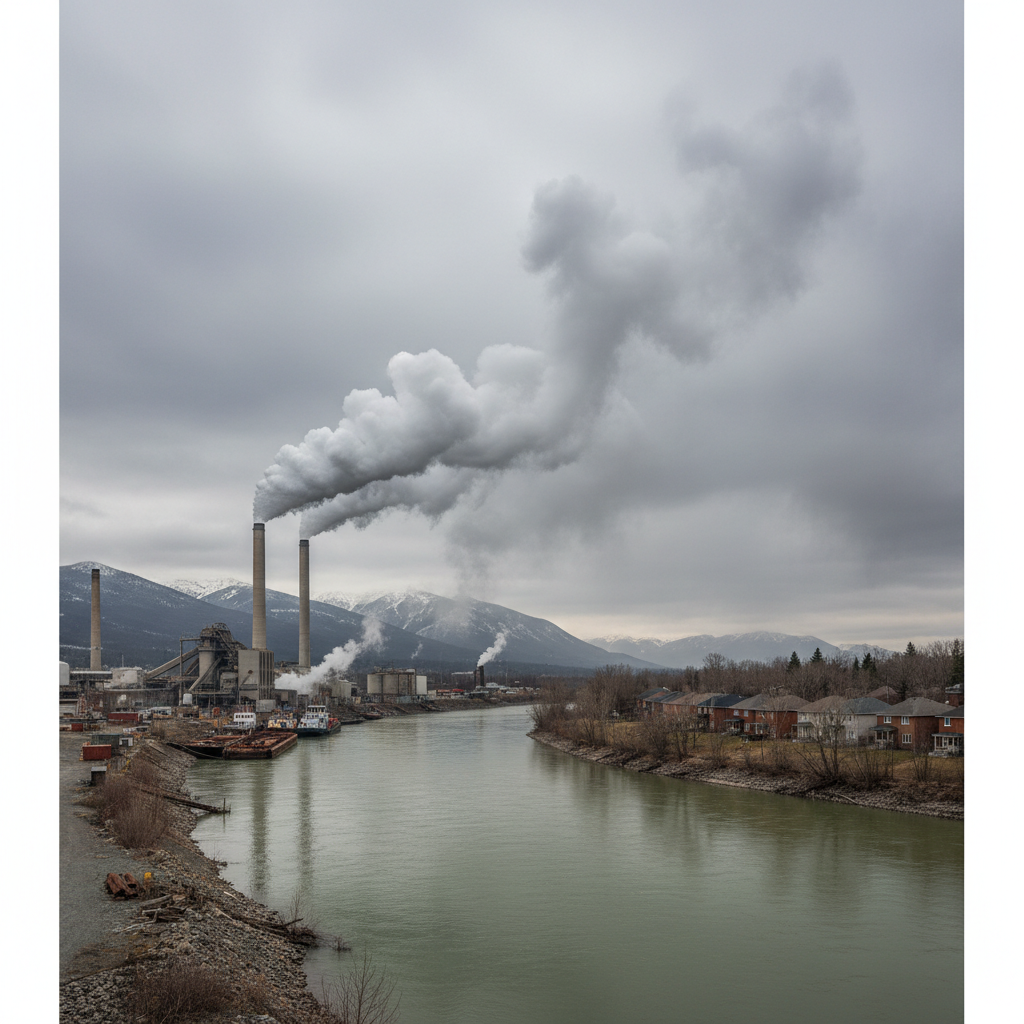
Sacrifice Zones: Life Along the Fenceline

Made byBobr AI

Introduction to Sacrifice Zones

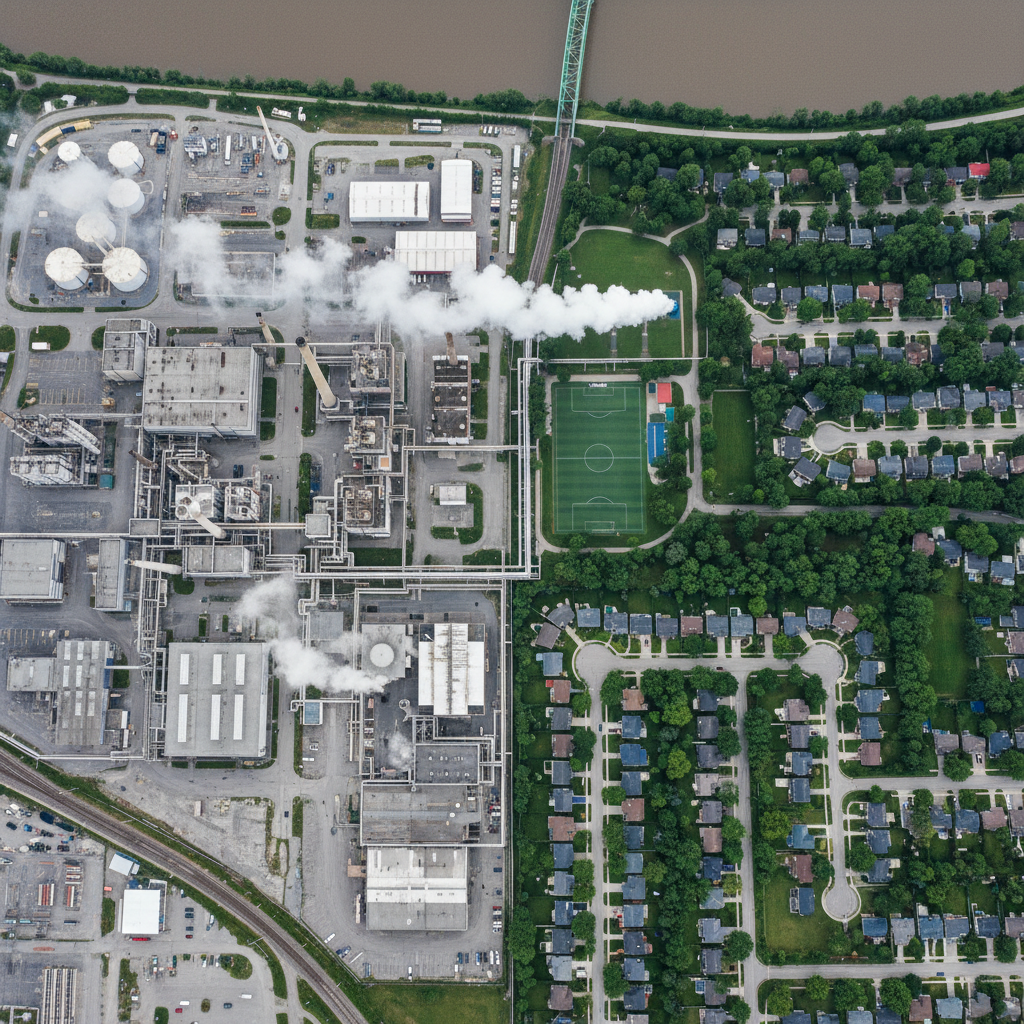
This research examines environmental racism in Canada, specifically focusing on "sacrifice zones." These are areas where residents—often Indigenous or marginalized communities—are disproportionately exposed to industrial pollution and hazardous conditions.

We will identify the core issues, establish the historical context, and analyze the impact on affected populations along the "fenceline" between land and industry.

Made byBobr AI

Anchor Article: Life Along the Fenceline

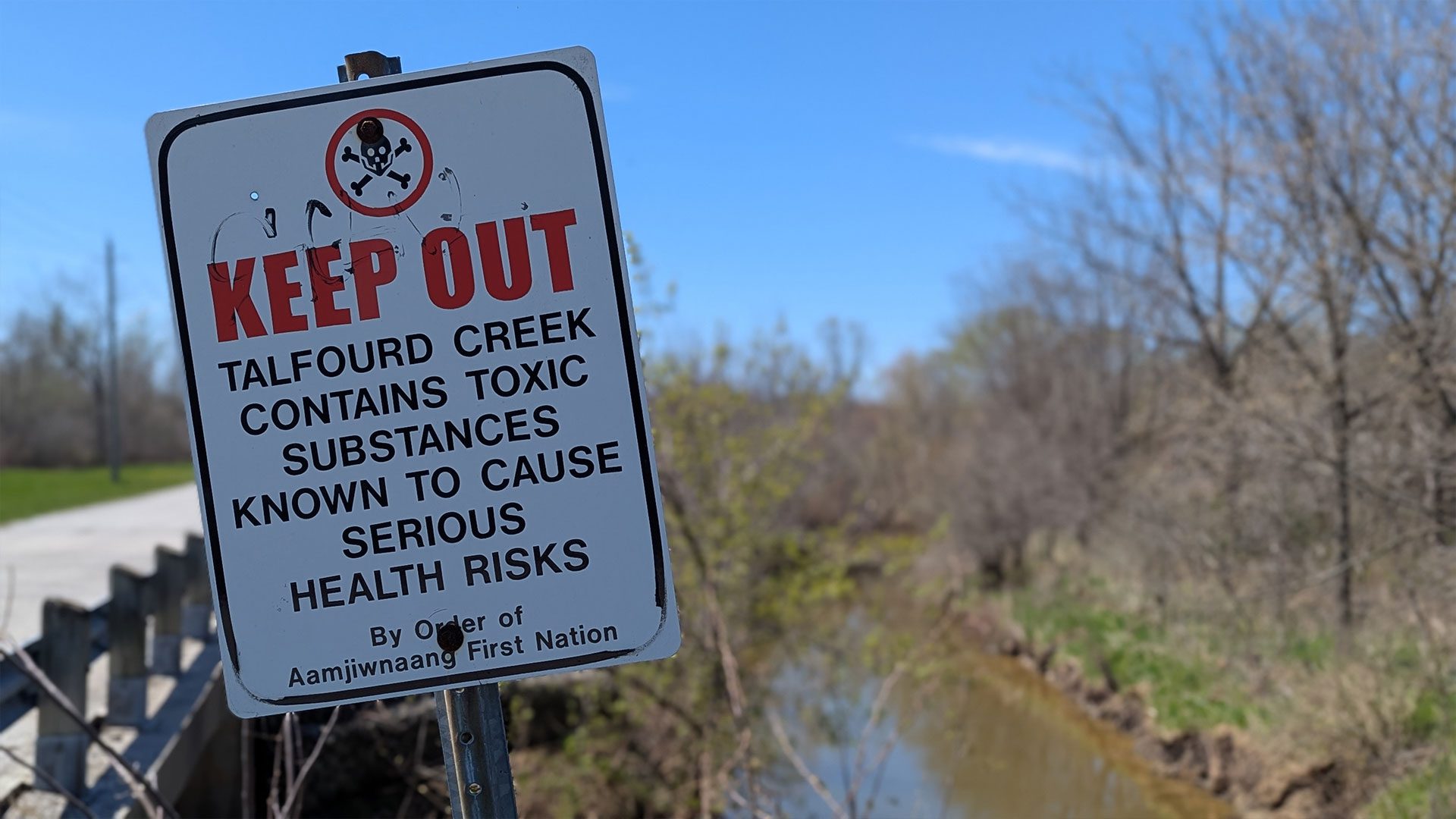
This APTN investigation centers on community members living in 'sacrifice zones'—areas where the land and people are continuously exposed to industrial toxicity. It highlights the voices of those often ignored by mainstream policy.

Made byBobr AI

Connections & Perspectives

  • Deepening understanding through Indigenous-led organizations and reports.
  • Analyzing missing voices: While industry often dominates, we focus on survivor and community testimonies.
  • Systemic bias: How environmental policies have historically marginalized Indigenous voices.
Made byBobr AI

Truth & Reconciliation

Connecting 'Sacrifice Zones' to the TRC's 94 Calls to Action. Specifically focusing on Calls related to health equality, corporate reconciliation, and the recognition of Aboriginal rights and title.

True reconciliation requires not just acknowledgment, but tangible action to dismantle environmental racism.

Key Calls to Action

  • Action 18-24: Addressing health inequities faced by Indigenous peoples.
  • Action 92: Corporate sector adoption of UNDRIP principles.
  • Action 43: Implementation of UNDRIP by federal/provincial governments as a framework for reconciliation.
Made byBobr AI

Government Response & Accountability

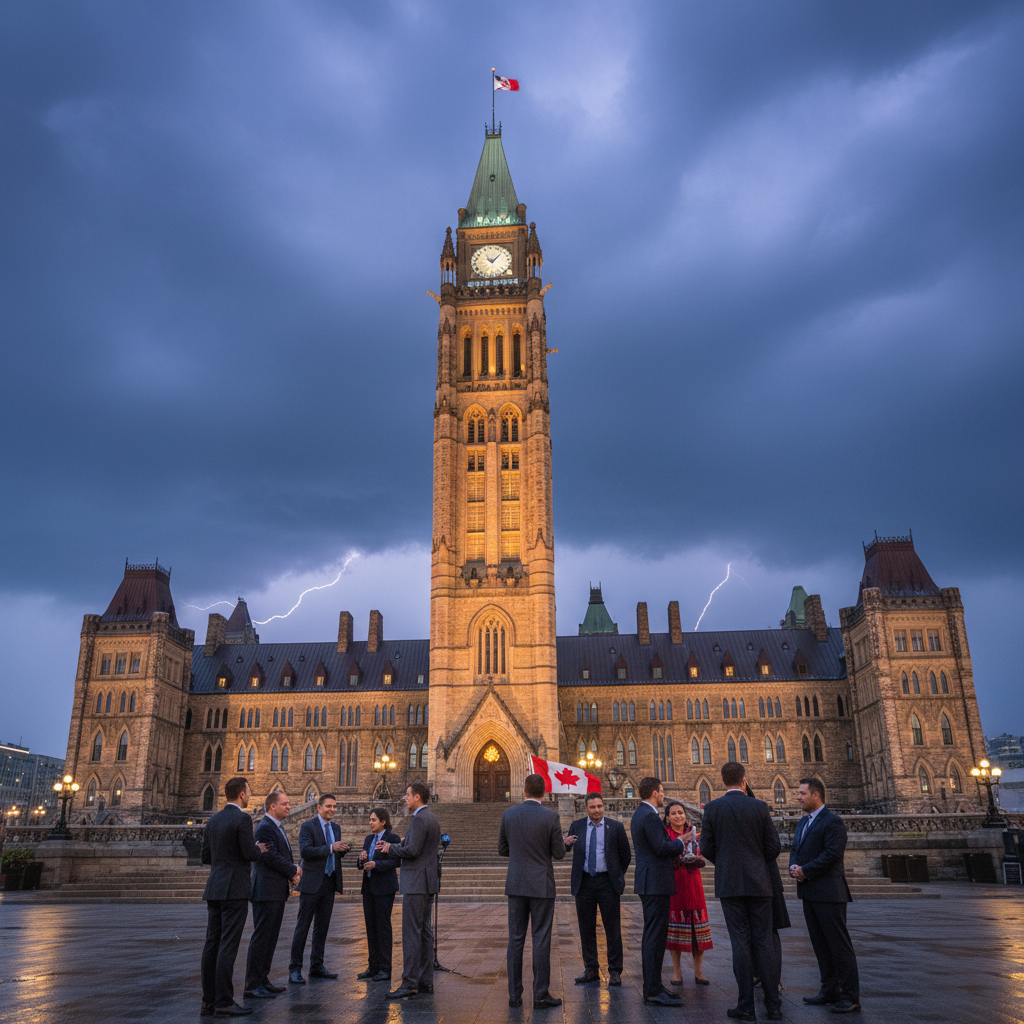
Historically, government reaction has been reactive rather than proactive. We analyze specific federal and provincial commitments to solving these environmental crises.

Recent Developments

Bill C-226 (National Strategy Respecting Environmental Racism and Environmental Justice Act) represents a step forward, but implementation remains the critical challenge.

Made byBobr AI

Conclusion

The Reality

Sacrifice zones are a present-day manifestation of colonial policies.

The Voices

Centering Indigenous community members is essential for truth.

The Path Forward

Accountability, policy change, and enforcing TRC Calls to Action.

Made byBobr AI

Discussion Questions

Question 1

Does the concept of 'national economic interest' justify the creation of sacrifice zones, or is this inherently a violation of human rights?

Expert Response: Rights cannot be traded for profit; sustainable economies must be inclusive.

Question 2

How can non-Indigenous Canadians move beyond 'awareness' to actively supporting the dismantling of environmental racism?

Expert Response: Through political advocacy, supporting Indigenous litigation, and corporate accountability.

Made byBobr AI
Bobr AI

DESIGNER-MADE
PRESENTATION,
GENERATED FROM
YOUR PROMPT

Create your own professional slide deck with real images, data charts, and unique design in under a minute.

Generate For Free

Environmental Racism and Sacrifice Zones in Canada

Explore the impact of environmental racism, sacrifice zones, and Bill C-226 on Indigenous communities in Canada, linked to TRC Calls to Action.

Environmental Racism in Canada

Sacrifice Zones: Life Along the Fenceline

Anchor Article: Life Along the Fenceline

This APTN investigation centers on community members living in 'sacrifice zones'—areas where the land and people are continuously exposed to industrial toxicity. It highlights the voices of those often ignored by mainstream policy.

  • environmental-racism
  • indigenous-rights
  • canada
  • sacrifice-zones
  • environmental-justice
  • bill-c-226
  • reconciliation