











Made byBobr AI

Practical Cybersecurity for Canadian SMEs | SecureSME

Learn how small and medium businesses in Canada can manage cyber risk with basic hygiene, PIPEDA compliance, and incident response strategies.

#cybersecurity#sme-security#canada-business#risk-management#pipeda#phishing-prevention#it-governance
Watch
Pitch

SecureSME Framework

Cybersecurity Essentials for Canadian SMEs

A practical, business-focused approach to managing cyber risk.

Prepared for internal use | © SecureSME Framework
Made byBobr AI

Cybersecurity Is a Business Risk

Cybersecurity is no longer just an IT issue.
For SMEs, incidents disrupt operations, damage reputation, and cause financial loss.
Most attacks succeed due to weak controls or human error—not complexity.
Made byBobr AI

Why Small Businesses Are Targeted

    • Limited cybersecurity budgets • Fewer security controls • Heavy reliance on email/cloud tools • Less formal policies • Faster path to exploitation
Attackers target opportunity, not company size.
Made byBobr AI

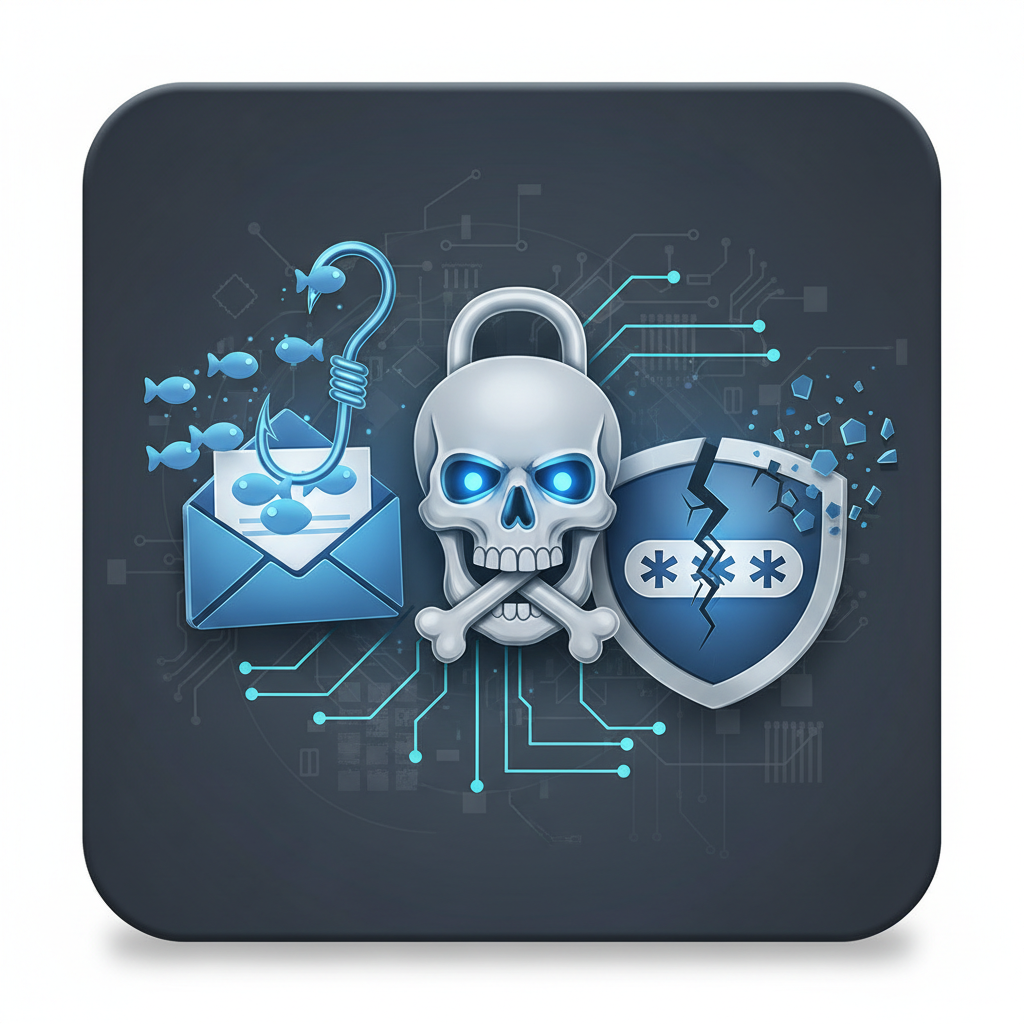
Most Frequent Cyber Threats

⚠️Phishing emails and text messages
🔒Ransomware attacks
🔑Stolen or reused passwords
✉️Business Email Compromise (fraud)
⚙️Exploitation of outdated systems
Made byBobr AI

Real-World Consequences

• Business downtime • Lost or encrypted data • Missed revenue • Loss of customer trust • Legal & regulatory fines • Costly recovery efforts
Many SMEs struggle to recover fully.
Made byBobr AI

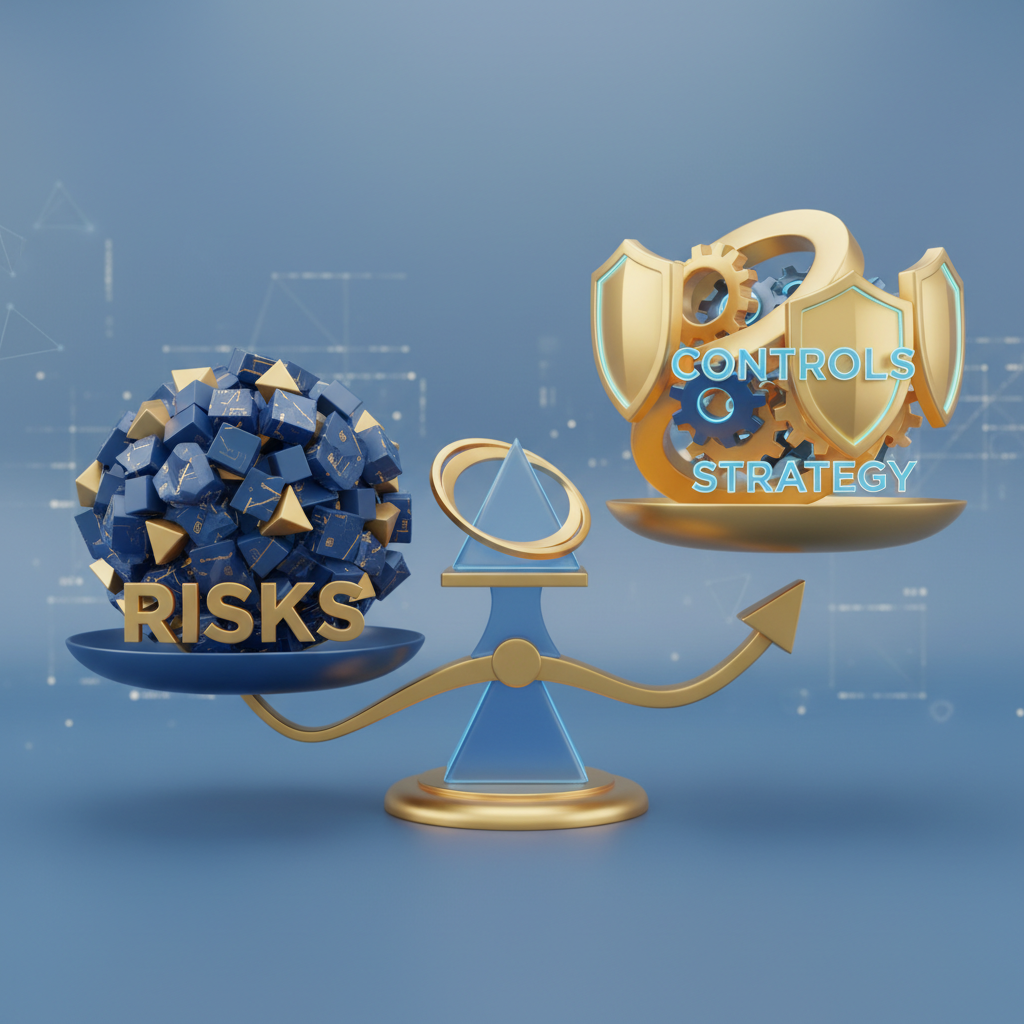
Cybersecurity = Risk Management

Likelihood of an Incident
×
Impact on Business

Goal: Reduce Exposure & Improve Resilience

Made byBobr AI

What Needs Protection?

Every business relies on key digital assets:

1. Email Systems 2. Customer & Financial Data 3. Cloud Applications 4. Employee Accounts 5. Devices (Laptops, Phones)
Made byBobr AI

Core Cyber Hygiene

Basic controls that prevent most attacks

✔️ Strong, unique passwords
✔️ Multi-factor authentication (MFA)
✔️ Regular software updates
✔️ Secure and tested backups
Made byBobr AI

Employees & Security

People are part of the defense

Most cyber incidents involve human interaction. Employees should: • Recognize suspicious messages • Verify unusual requests • Report incidents early
A culture of awareness reduces risk significantly.
Made byBobr AI

Data Protection & Privacy

Canadian businesses have legal obligations (PIPEDA) to protect data. Best Practices: • Collect only necessary data • Restrict access • Start secure storage & deletion policies
Made byBobr AI

Incident Response Basics

1. Identify and contain
2. Preserve evidence
3. Change credentials
4. Notify decision-makers
5. Engage support
A simple plan is better than no plan.
Made byBobr AI

AI and Cyber Threats

How AI is changing the landscape

Attackers now use AI to: • Automate phishing campaigns • Create highly convincing messages • Scale attacks faster against SMEs
Made byBobr AI

Next Steps

□ Review current security controls □ Use provided checklists □ Assign responsibilities □ Test backups and response plans □ Revisit cybersecurity annually
Made byBobr AI
🛡️

SecureSME Framework

Practical cybersecurity for Canadian SMEs

Designed for clarity, action, and resilience.

Made byBobr AI
Bobr AI

DESIGNER-MADE
PRESENTATION,
GENERATED FROM
YOUR PROMPT

Create your own professional slide deck with real images, data charts, and unique design in under a minute.

Generate For Free

Practical Cybersecurity for Canadian SMEs | SecureSME

Learn how small and medium businesses in Canada can manage cyber risk with basic hygiene, PIPEDA compliance, and incident response strategies.

SecureSME Framework

Cybersecurity Essentials for Canadian SMEs

A practical, business-focused approach to managing cyber risk.

Prepared for internal use | © SecureSME Framework

Cybersecurity Is a Business Risk

Cybersecurity is no longer just an IT issue.

For SMEs, incidents disrupt operations, damage reputation, and cause financial loss.

Most attacks succeed due to weak controls or human error—not complexity.

Why Small Businesses Are Targeted

• Limited cybersecurity budgets • Fewer security controls • Heavy reliance on email/cloud tools • Less formal policies • Faster path to exploitation

Attackers target opportunity, not company size.

Most Frequent Cyber Threats

Phishing emails and text messages

Ransomware attacks

Stolen or reused passwords

Business Email Compromise (fraud)

Exploitation of outdated systems

Real-World Consequences

• Business downtime • Lost or encrypted data • Missed revenue • Loss of customer trust • Legal & regulatory fines • Costly recovery efforts

Cybersecurity = Risk Management

Likelihood of an Incident

Impact on Business

Goal: Reduce Exposure & Improve Resilience

What Needs Protection?

Every business relies on key digital assets:

1. Email Systems 2. Customer & Financial Data 3. Cloud Applications 4. Employee Accounts 5. Devices (Laptops, Phones)

Core Cyber Hygiene

Basic controls that prevent most attacks

Strong, unique passwords

Multi-factor authentication (MFA)

Regular software updates

Secure and tested backups

Employees & Security

People are part of the defense

Most cyber incidents involve human interaction. Employees should: • Recognize suspicious messages • Verify unusual requests • Report incidents early

Data Protection & Privacy

Canadian businesses have legal obligations (PIPEDA) to protect data. Best Practices: • Collect only necessary data • Restrict access • Start secure storage & deletion policies

Incident Response Basics

1. Identify and contain

2. Preserve evidence

3. Change credentials

4. Notify decision-makers

5. Engage support

AI and Cyber Threats

How AI is changing the landscape

Attackers now use AI to: • Automate phishing campaigns • Create highly convincing messages • Scale attacks faster against SMEs

Next Steps

□ Review current security controls □ Use provided checklists □ Assign responsibilities □ Test backups and response plans □ Revisit cybersecurity annually

SecureSME Framework

Practical cybersecurity for Canadian SMEs

Designed for clarity, action, and resilience.

  • cybersecurity
  • sme-security
  • canada-business
  • risk-management
  • pipeda
  • phishing-prevention
  • it-governance