
Sun and Moon: Earth's Cycles, Seasons, and Lunar Phases
Learn how the Sun and Moon influence Earth through day/night cycles, seasonal changes, ocean tides, and lunar phases in this astronomical guide.
The Sun and The Moon
A Cosmic Dance: Cycles, Seasons, and Phases
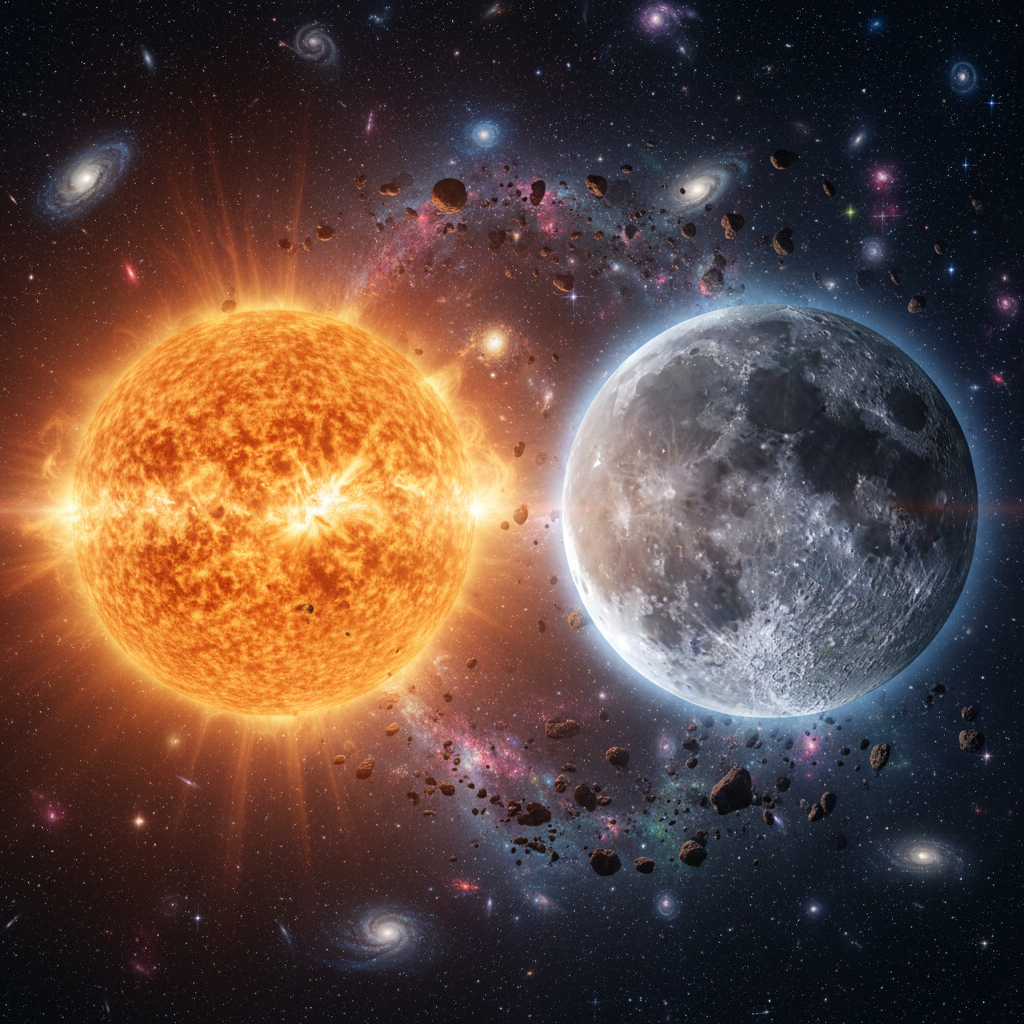
Our Celestial Neighbors
• A star at the center of the solar system.<br>• Generates massive energy via nuclear fusion.<br>• 109 times wider than Earth.<br>• Source of all light and heat.
• Earth's only natural satellite.<br>• Reflects light from the Sun (does not make its own).<br>• 1/4 the width of Earth.<br>• Controls the tides.
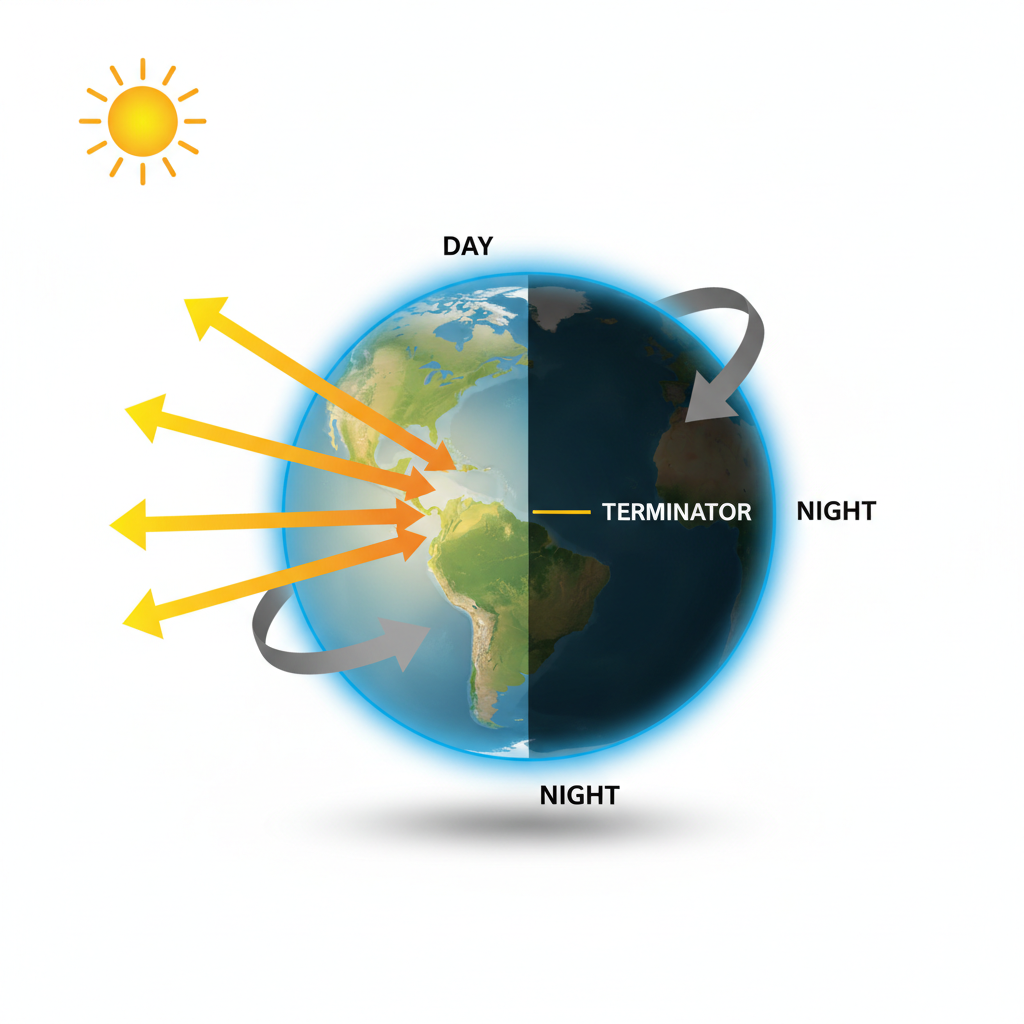
Day and Night
We experience day and night because Earth rotates on its axis. As Earth spins, one side faces the Sun (Day) while the other faces open space (Night). It takes 24 hours to complete one full rotation.
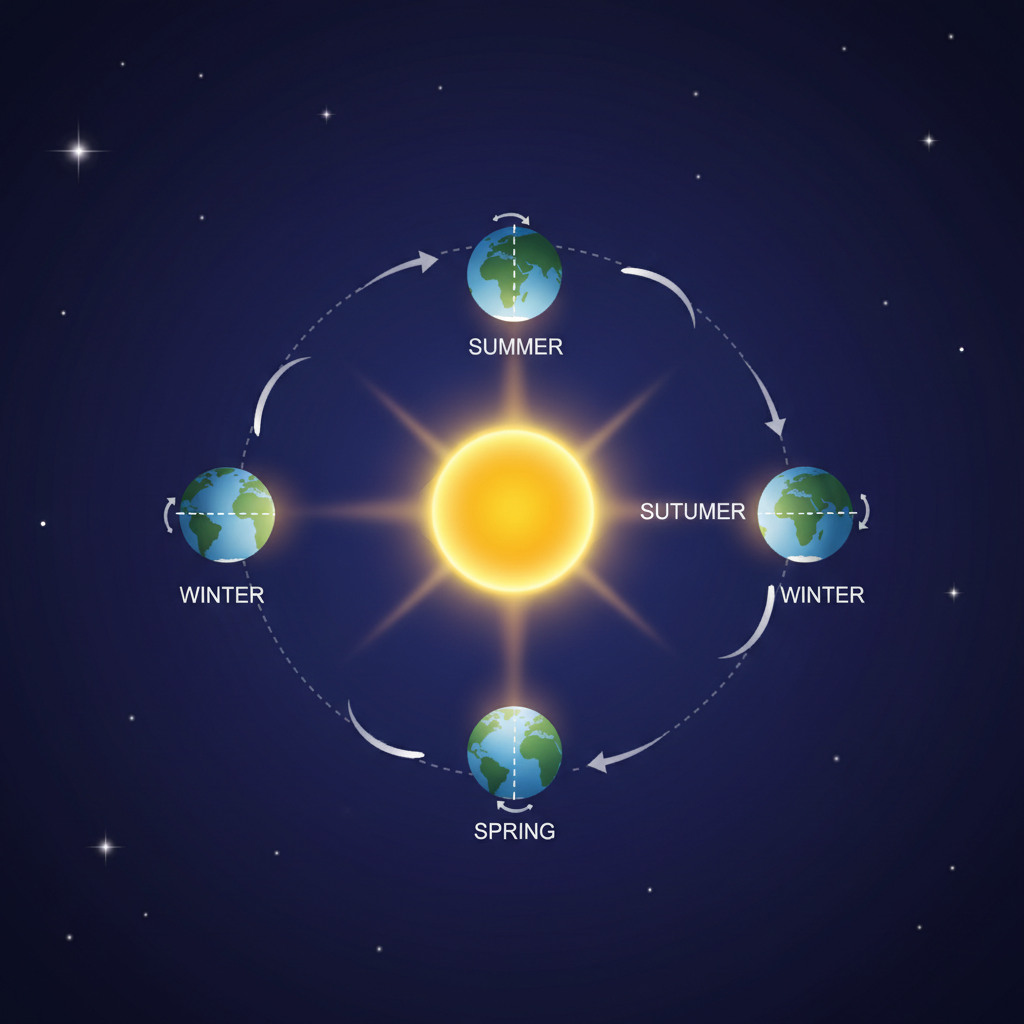
Why Do We Have Seasons?
It is NOT about distance from the Sun. Seasons happen because Earth's axis is tilted (23.5°). As Earth orbits the Sun, different hemispheres tilt towards or away from the Sun, receiving more or less direct sunlight.
Surface Temperature Comparison
Without an atmosphere to trap heat or block sunlight, the Moon experiences extreme temperature swings compared to Earth.
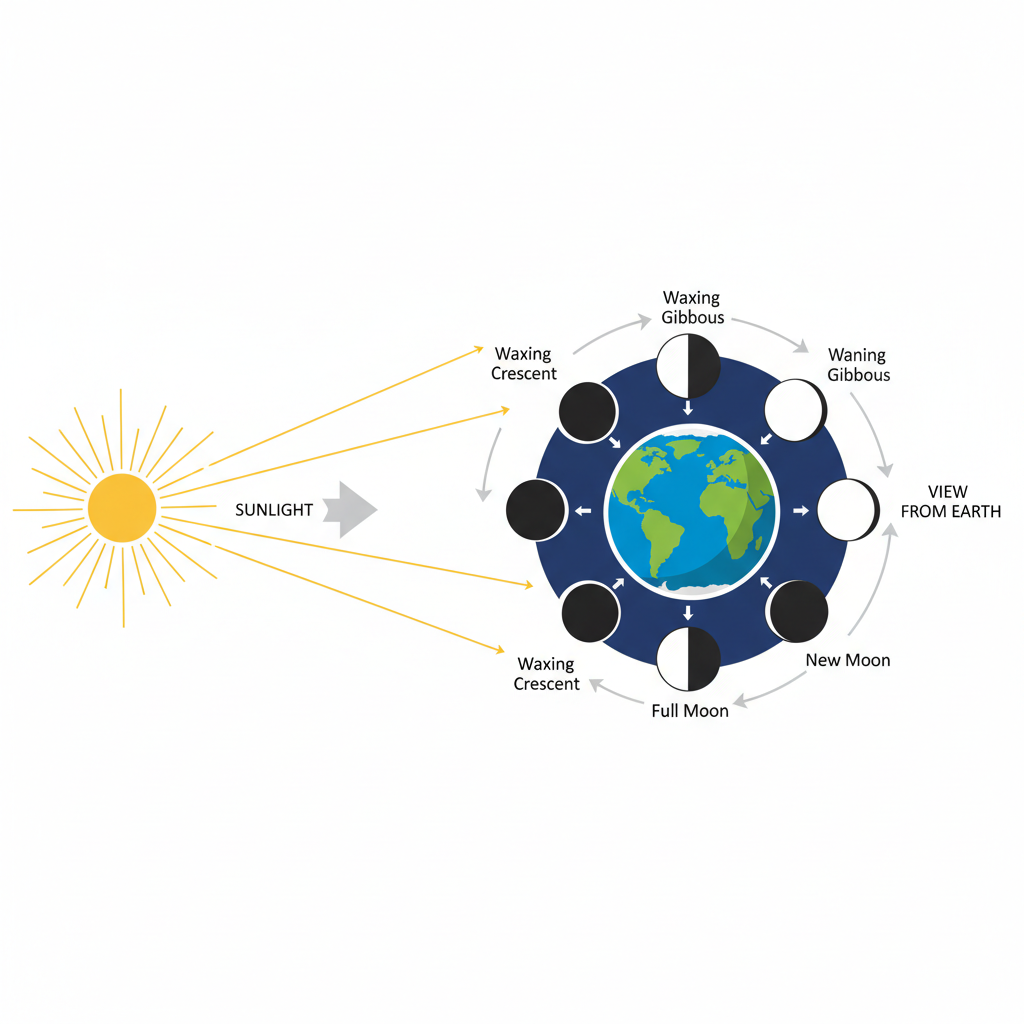
Understanding Lunar Phases
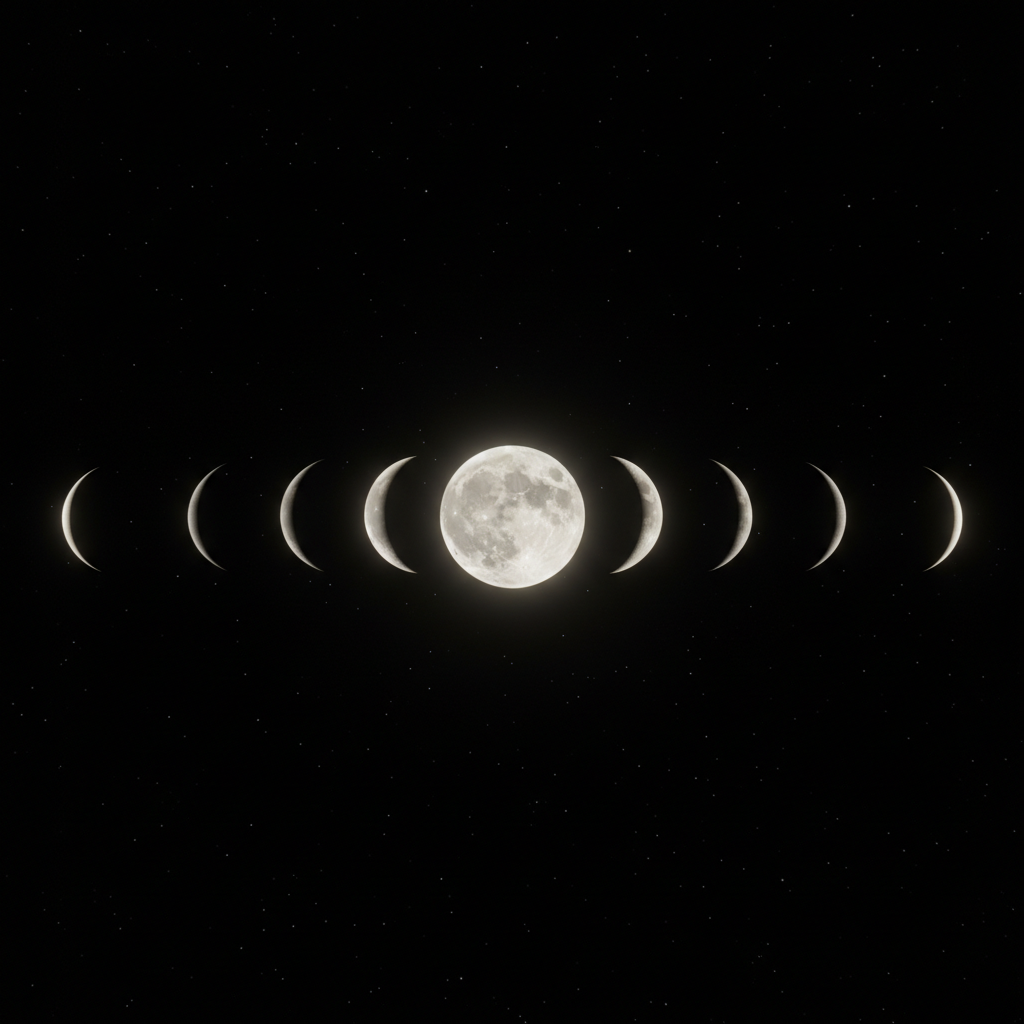
The moon does not change shape! We just see different amounts of the sunlit side as the Moon orbits Earth. The complete cycle takes about 29.5 days.
Key Phases of the Cycle
🌑 New Moon: The brightly lit side faces away from Earth. The moon is invisible.
🌓 First Quarter: We see a half-lit moon. It is 1/4 of the way through its orbit.
🌕 Full Moon: The entire face is illuminated. Earth is between the Sun and Moon.
🌗 Third Quarter: The opposite half is lit. The moon is waning (getting smaller).
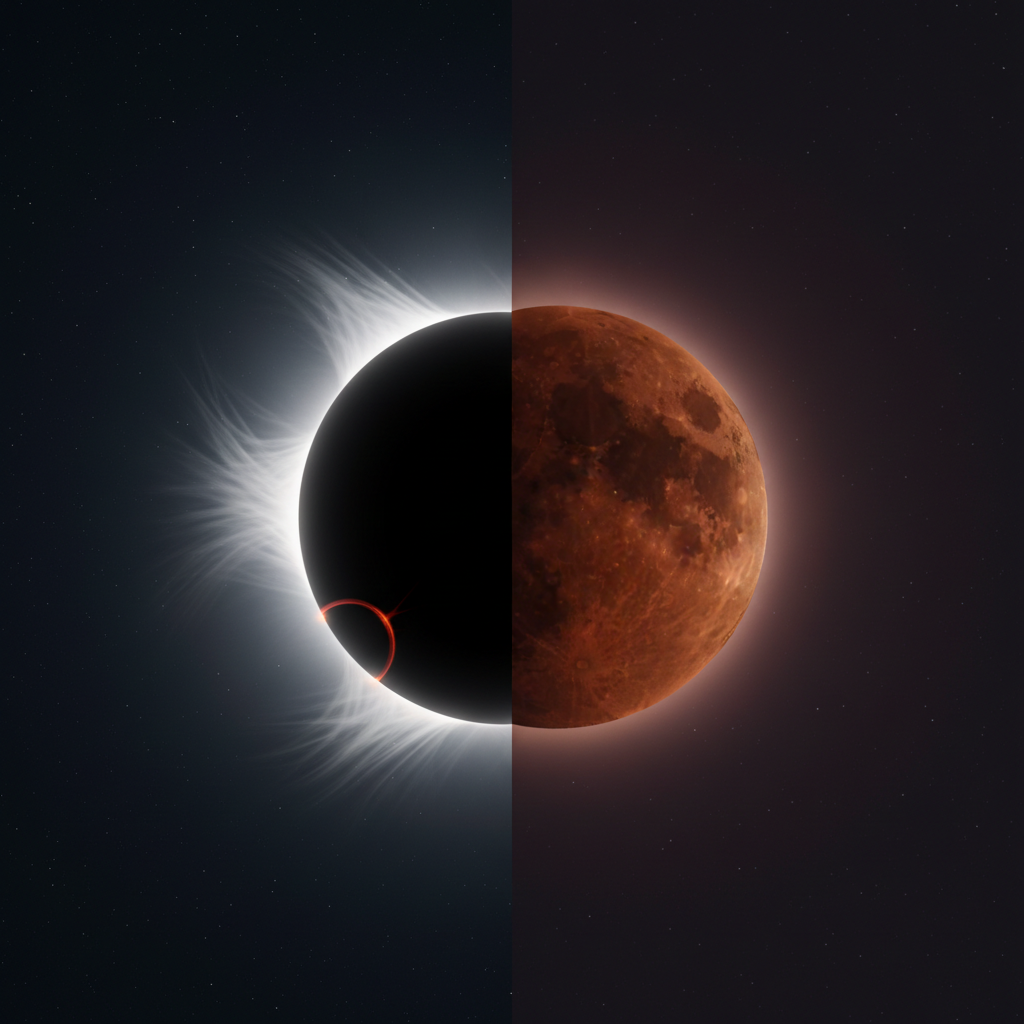
Eclipses: Shadows in Space
SOLAR ECLIPSE: The Moon passes between the Sun and Earth, blocking the Sun's light.
LUNAR ECLIPSE: The Earth passes between the Sun and Moon, casting a red shadow on the Moon.
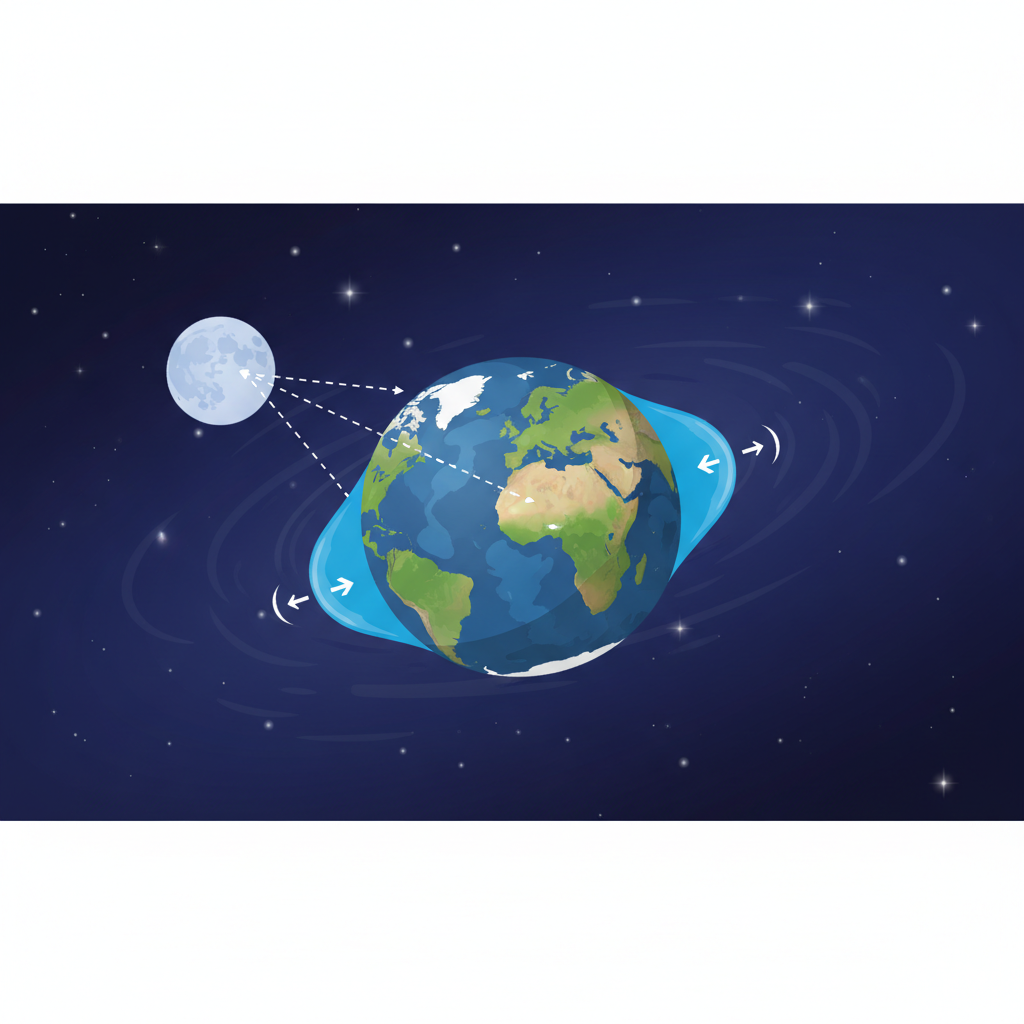
Tides: The Moon's Gravity
The Moon effectively 'pulls' on Earth's oceans with its gravity.
This pull creates a bulge of water on the side closest to the Moon (High Tide).
The Sun also affects tides, but the Moon's influence is stronger because it is much closer.
Summary
Rotation causes Day & Night
Axial Tilt causes Seasons
Orbit causes Lunar Phases
- astronomy
- solar-system
- lunar-phases
- seasons
- earth-science
- sun-and-moon
- eclipses