



Made byBobr AI

Amniotomy Clinical Guidelines: Techniques & Safety Protocols

Master the artificial rupture of membranes (AROM). Learn aseptic techniques, clinical indications, contraindications, and emergency cord prolapse management.

#amniotomy#obstetrics#labor-and-delivery#medical-guidelines#nursing-education#clinical-protocols

Artificial Rupture of Membranes (Amniotomy)

Clinical Guidelines, Technique, and Safety Protocols for L&D Providers

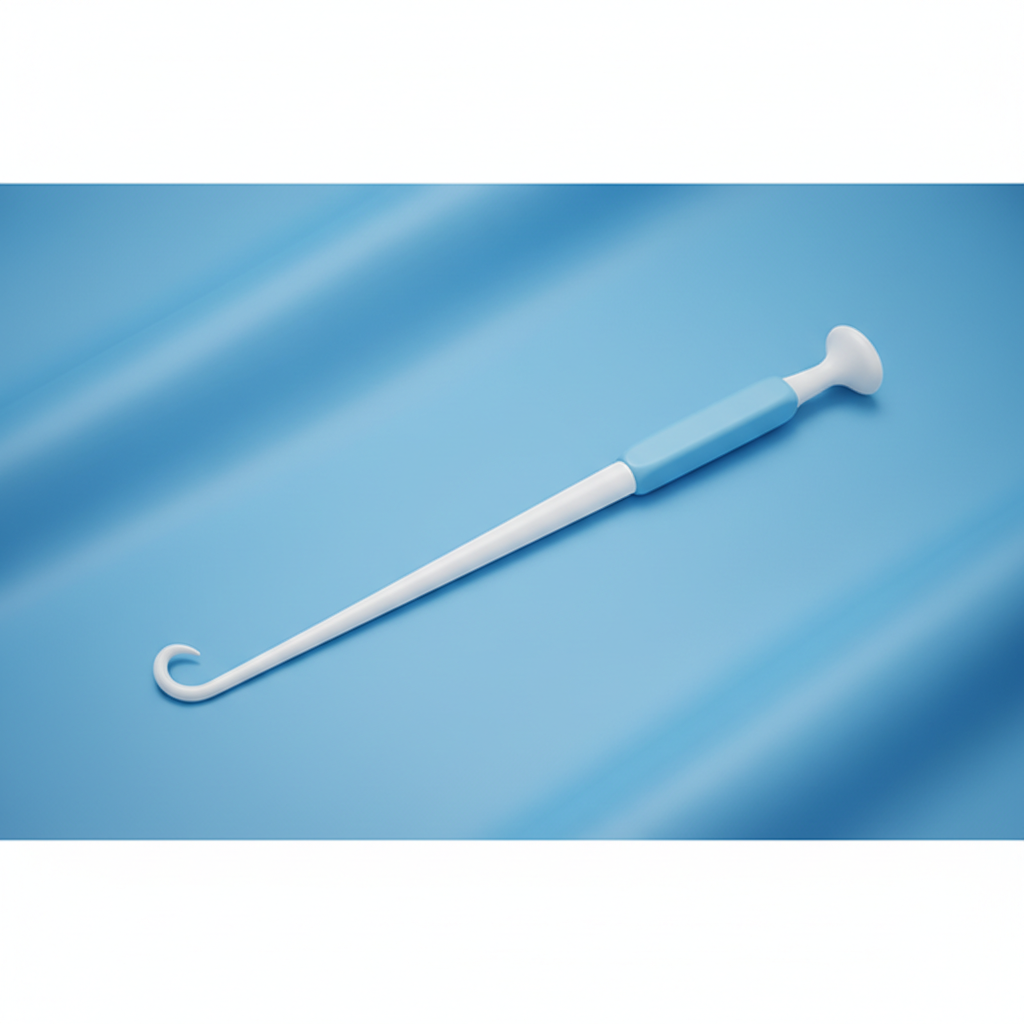
Medical illustration of a sterile amniotomy hook (amnihook) on a blue surgical drape, clean clinical style, high quality photorealistic
Made byBobr AI

Learning Objectives

  • Identify indications for induction vs. augmentation favoring amniotomy.
  • Recognize absolute contraindications to prevent catastrophic outcomes.
  • Demonstrate proper Aseptic Non-Touch Technique (ANTT) during procedure.
  • Interpret post-procedure fetal heart rate (FHR) changes and amniotic fluid characteristics.
medical team discussing patient chart in labor and delivery ward, professional photography
Made byBobr AI

Physiology & Mechanism of Action

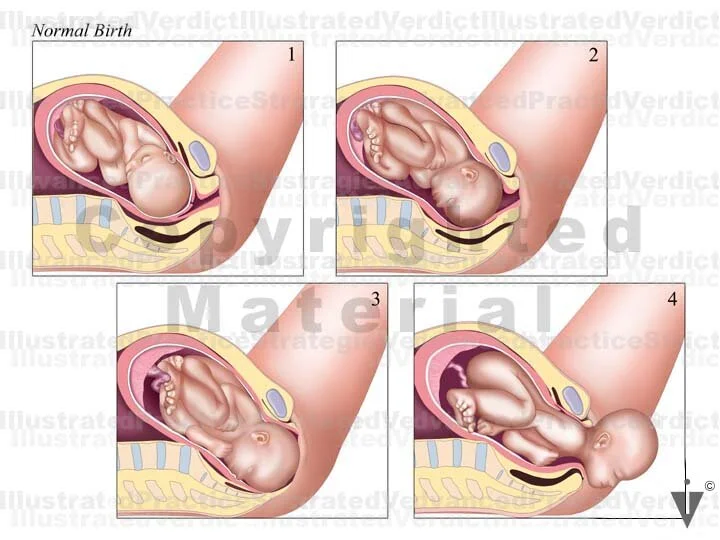
Two primary mechanisms: 1. Prostaglandin Release: Rupture increases PGF2α, boosting contractility. 2. Mechanical Pressure: Fetal head applies direct pressure to cervix, stimulating Ferguson reflex.
anatomical diagram showing fetal head applying pressure to cervix after amniotic sac rupture, medical illustration style
Made byBobr AI

Clinical Indications

Induction of Labor

Initiate labor (+ oxytocin). Early amniotomy (<4cm) may shorten duration.

Augmentation

Fix arrested active phase (no change >4h) by increasing intensity.

Internal Monitoring

Access for FSE or IUPC placement.

Made byBobr AI
red warning triangle icon symbol minimal

Absolute Contraindications

Vasa Previa
Unengaged / High Fetal Station
Funic (Cord) Presentation
Active Genital Herpes (HSV)
Unknown Fetal Presentation
Made byBobr AI

Clinical Evidence: Impact on Labor Duration (Induction)

Reduction in delivery time with early amniotomy in induction.

Chart

Source Data: ACOG Guidelines for Induction of Labor (2 hours+ reduction)

Made byBobr AI

Pre-Procedure Safety Checklist

Verify Presentation: Must be Cephalic/Vertex.
Check Station: Head engaged/applied (Ideally ≤ -1).
Fetal Status: Reassuring FHR baseline (prev. 20m).
Consent: Risks (prolapse, infection) discussed.
medical checklist on clipboard with stethoscope, 3d render
Made byBobr AI

Equipment & ANTT Protocol

Required Supplies

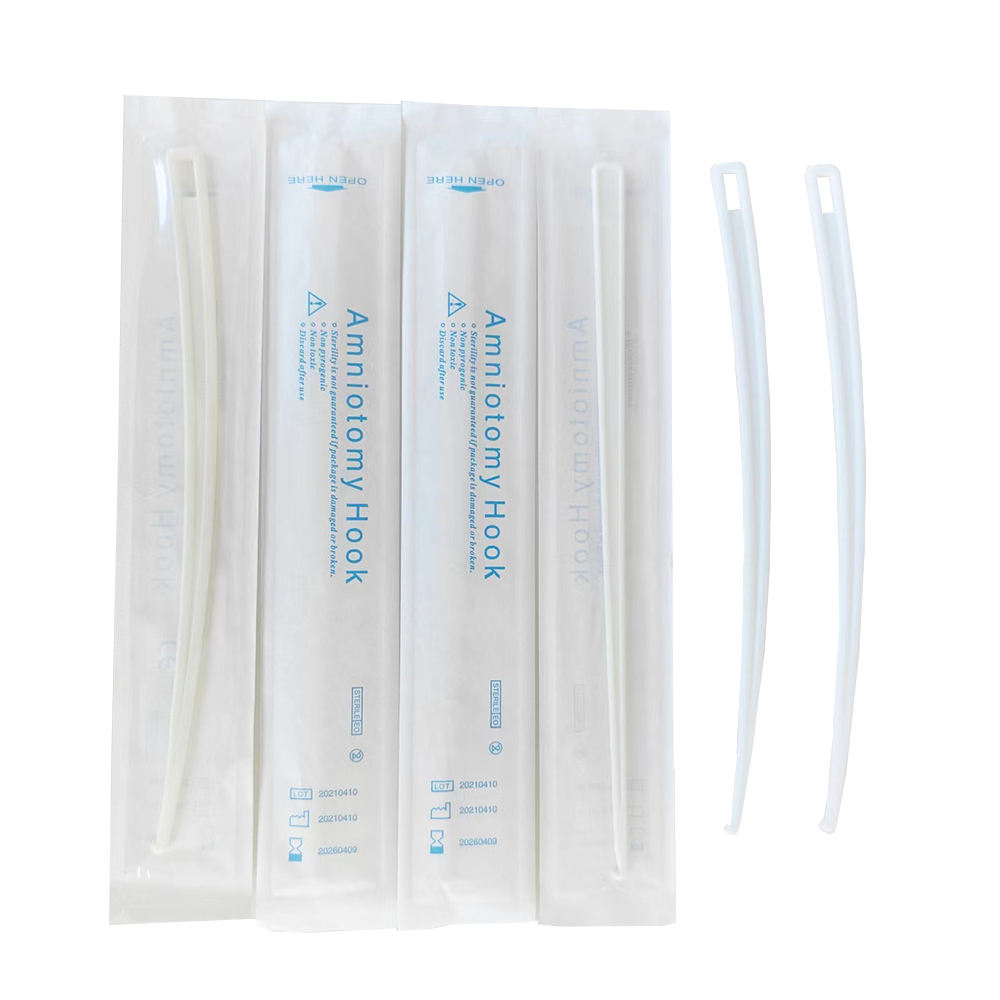
• Sterile Gloves • Amnihook (or Amnicot for difficult access) • Sterile Lubricant • Absorbent Pads • Fetal Monitor
photo of plastic amnihook in sterile packaging, medical supplies

Aseptic Non-Touch Technique (ANTT)

Minimize chorioamnionitis risk. Maintain sterile field. Avoid touching sharp tip to unsterile surfaces. Limit exams after rupture.

Made byBobr AI

Technique: Step-by-Step

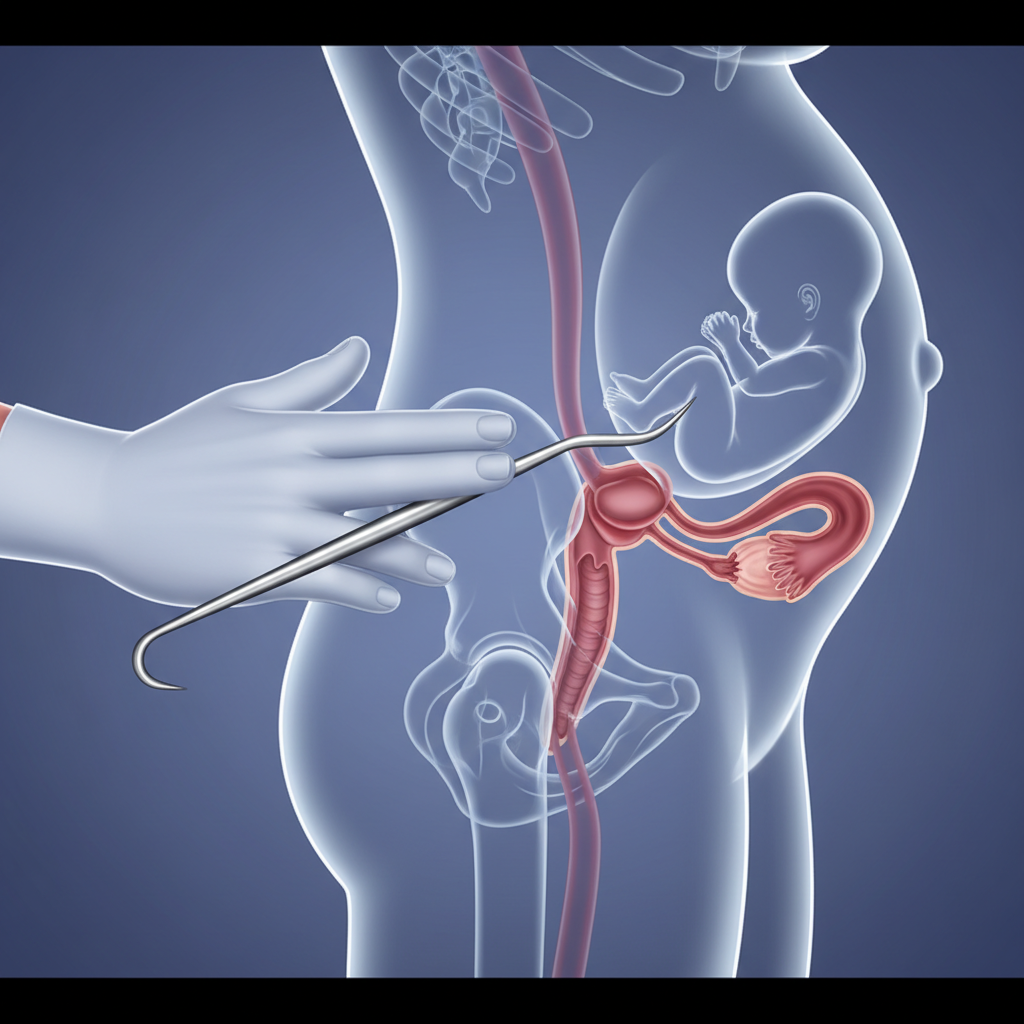
1. Assess & Position: Confirm dilation/station via SVE. Keep known finger position.
2. Insert Hook: Slide Amnihook along palm to protect maternal tissues.
3. Rupture: Snag bag & pull gently between contractions.
4. Control Fluid: Maintain finger position to prevent cord prolapse.
medical illustration of hand guiding amnihook along palm into vagina, anatomical cross section side view
Made byBobr AI

Post-Procedure Assessment

Observe "C.O.A.T"
COLOR: Clear, Meconium (green), Bloody.
ODOR: Earthy (normal) vs Foul (infection).
AMOUNT: Scant, Moderate, or Large.
TIME: Document exact rupture time.
CRITICAL: Check FHR immediately for variables or bradycardia (prolapse).
Made byBobr AI

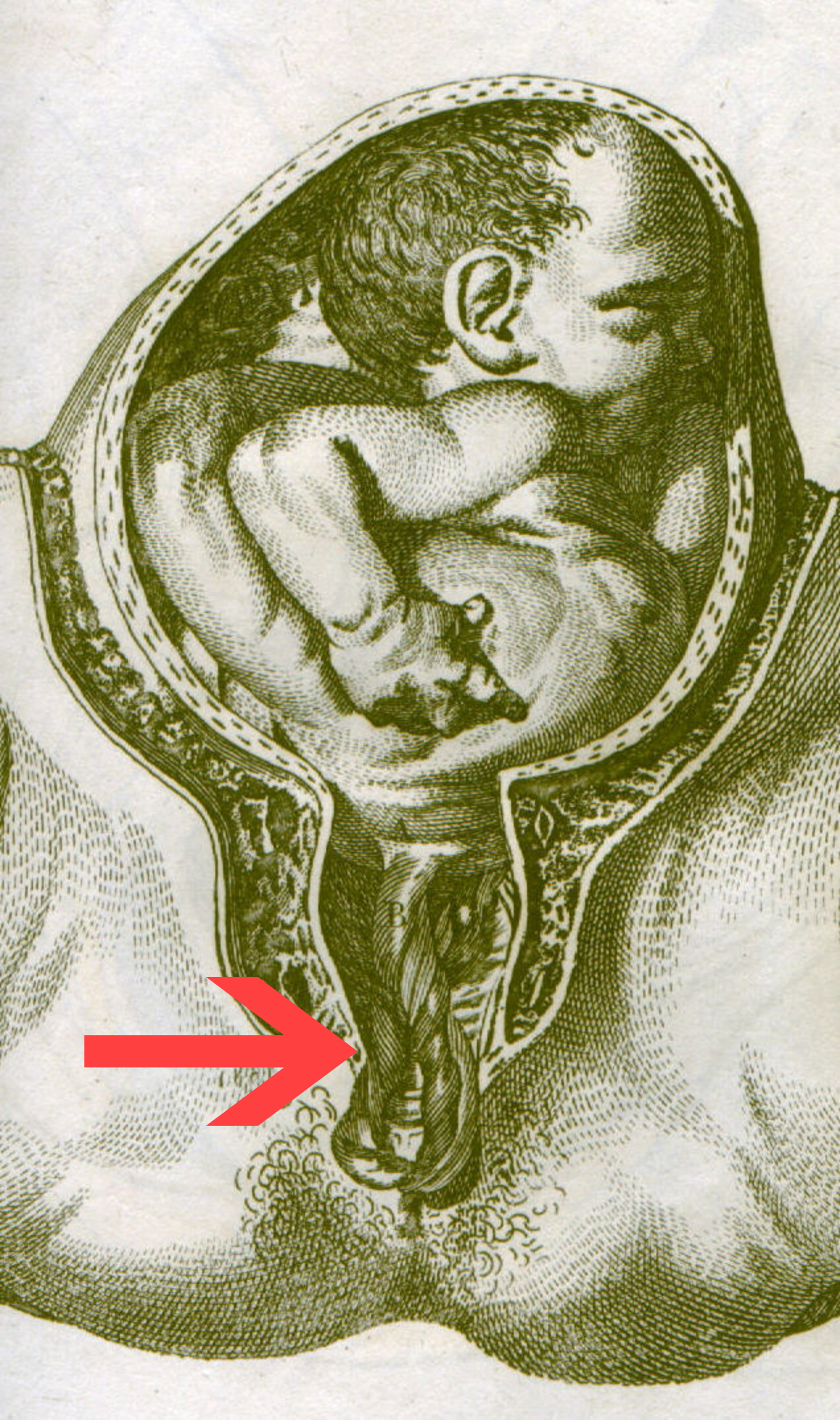
Special Situation: Cord Prolapse

Cord slips below presenting part. ACUTE hypoxia. OB EMERGENCY.

Immediate Actions:

1. Call for Help. 2. Manual Elevation: Lift head off cord. DO NOT REMOVE HAND. 3. Position: Knee-chest / Trendelenburg. 4. Immediate CS.
anatomical illustration of umbilical cord prolapse, cord visible below fetal head
Made byBobr AI

Key Takeaways

• Use for induction/augmentation, not routine labor. • Strict ANTT is mandatory. • Ensure engagement to avoid cord prolapse. • Control fluid release carefully.

Note Documentation

• Time & Indication • FHR (Before & After) • Fluid characteristics • Consent & Tolerance
Made byBobr AI
Bobr AI

DESIGNER-MADE
PRESENTATION,
GENERATED FROM
YOUR PROMPT

Create your own professional slide deck with real images, data charts, and unique design in under a minute.

Generate For Free

Amniotomy Clinical Guidelines: Techniques & Safety Protocols

Master the artificial rupture of membranes (AROM). Learn aseptic techniques, clinical indications, contraindications, and emergency cord prolapse management.

Artificial Rupture of Membranes (Amniotomy)

Clinical Guidelines, Technique, and Safety Protocols for L&D Providers

Learning Objectives

Identify indications for induction vs. augmentation favoring amniotomy.

Recognize absolute contraindications to prevent catastrophic outcomes.

Demonstrate proper Aseptic Non-Touch Technique (ANTT) during procedure.

Interpret post-procedure fetal heart rate (FHR) changes and amniotic fluid characteristics.

Physiology & Mechanism of Action

Two primary mechanisms: 1. Prostaglandin Release: Rupture increases PGF2α, boosting contractility. 2. Mechanical Pressure: Fetal head applies direct pressure to cervix, stimulating Ferguson reflex.

Clinical Indications

Induction of Labor

Initiate labor (+ oxytocin). Early amniotomy (<4cm) may shorten duration.

Augmentation

Fix arrested active phase (no change >4h) by increasing intensity.

Internal Monitoring

Access for FSE or IUPC placement.

Absolute Contraindications

Vasa Previa

Unengaged / High Fetal Station

Funic (Cord) Presentation

Active Genital Herpes (HSV)

Unknown Fetal Presentation

Clinical Evidence: Impact on Labor Duration (Induction)

Reduction in delivery time with early amniotomy in induction.

Pre-Procedure Safety Checklist

Verify Presentation: Must be Cephalic/Vertex.

Check Station: Head engaged/applied (Ideally ≤ -1).

Fetal Status: Reassuring FHR baseline (prev. 20m).

Consent: Risks (prolapse, infection) discussed.

Equipment & ANTT Protocol

Required Supplies

• Sterile Gloves • Amnihook (or Amnicot for difficult access) • Sterile Lubricant • Absorbent Pads • Fetal Monitor

Aseptic Non-Touch Technique (ANTT)

Minimize chorioamnionitis risk. Maintain sterile field. Avoid touching sharp tip to unsterile surfaces. Limit exams after rupture.

Technique: Step-by-Step

1. Assess & Position: Confirm dilation/station via SVE. Keep known finger position.

2. Insert Hook: Slide Amnihook along palm to protect maternal tissues.

3. Rupture: Snag bag & pull gently between contractions.

4. Control Fluid: Maintain finger position to prevent cord prolapse.

Post-Procedure Assessment

Observe "C.O.A.T"

COLOR: Clear, Meconium (green), Bloody.

ODOR: Earthy (normal) vs Foul (infection).

AMOUNT: Scant, Moderate, or Large.

TIME: Document exact rupture time.

CRITICAL: Check FHR immediately for variables or bradycardia (prolapse).

Special Situation: Cord Prolapse

Cord slips below presenting part. ACUTE hypoxia. OB EMERGENCY.

Immediate Actions:

1. Call for Help. 2. Manual Elevation: Lift head off cord. DO NOT REMOVE HAND. 3. Position: Knee-chest / Trendelenburg. 4. Immediate CS.

Summary & Documentation

Key Takeaways

• Use for induction/augmentation, not routine labor. • Strict ANTT is mandatory. • Ensure engagement to avoid cord prolapse. • Control fluid release carefully.

Note Documentation

• Time & Indication • FHR (Before & After) • Fluid characteristics • Consent & Tolerance

  • amniotomy
  • obstetrics
  • labor-and-delivery
  • medical-guidelines
  • nursing-education
  • clinical-protocols