




Mastering Present Perfect Simple: English Grammar B1-B2
Learn to use the Present Perfect Simple, including form, usage with for/since, signal words like just/already/yet, and contrast with Past Simple.
Mastering the Present Perfect Simple
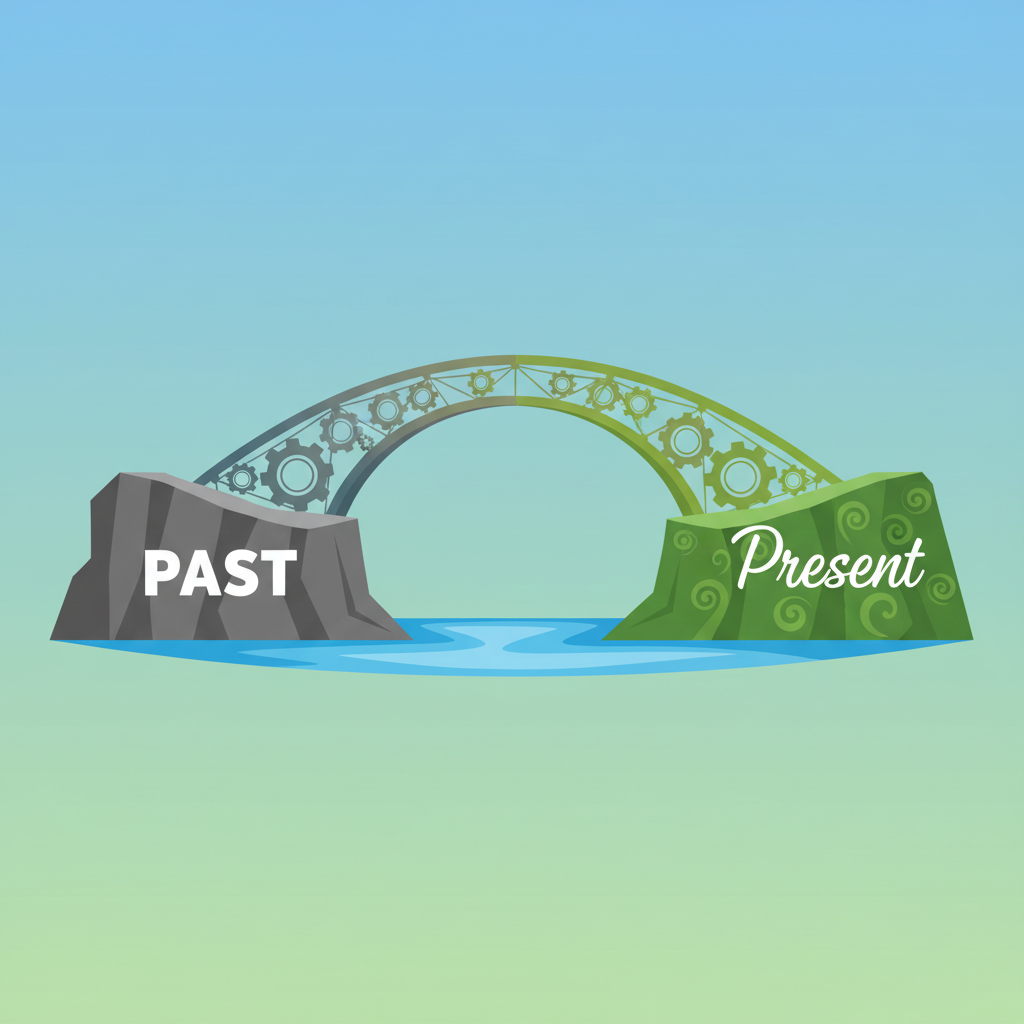
Connecting the Past to the Present | English Grammar B1–B2
The Form: How to Build It
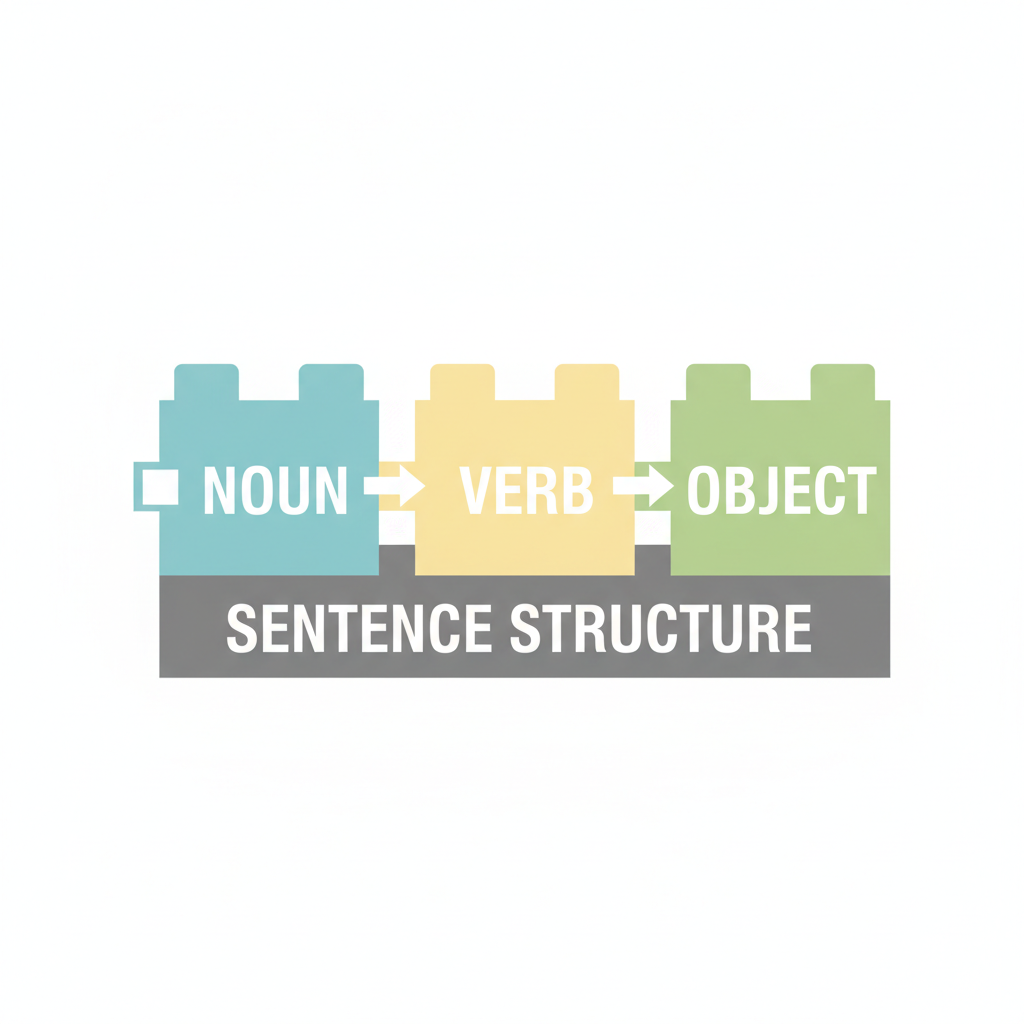
Subject + have / has + Past Participle (V3)
<ul><li style='margin-bottom:15px;'><strong>Regular Verbs:</strong> Add <em>-ed</em> (e.g., worked, played).</li><li style='margin-bottom:15px;'><strong>Irregular Verbs:</strong> 3rd column (e.g., be → been, see → seen).</li><li><strong>Negation:</strong> haven't / hasn't</li></ul>
Usage 1: Experience & Results
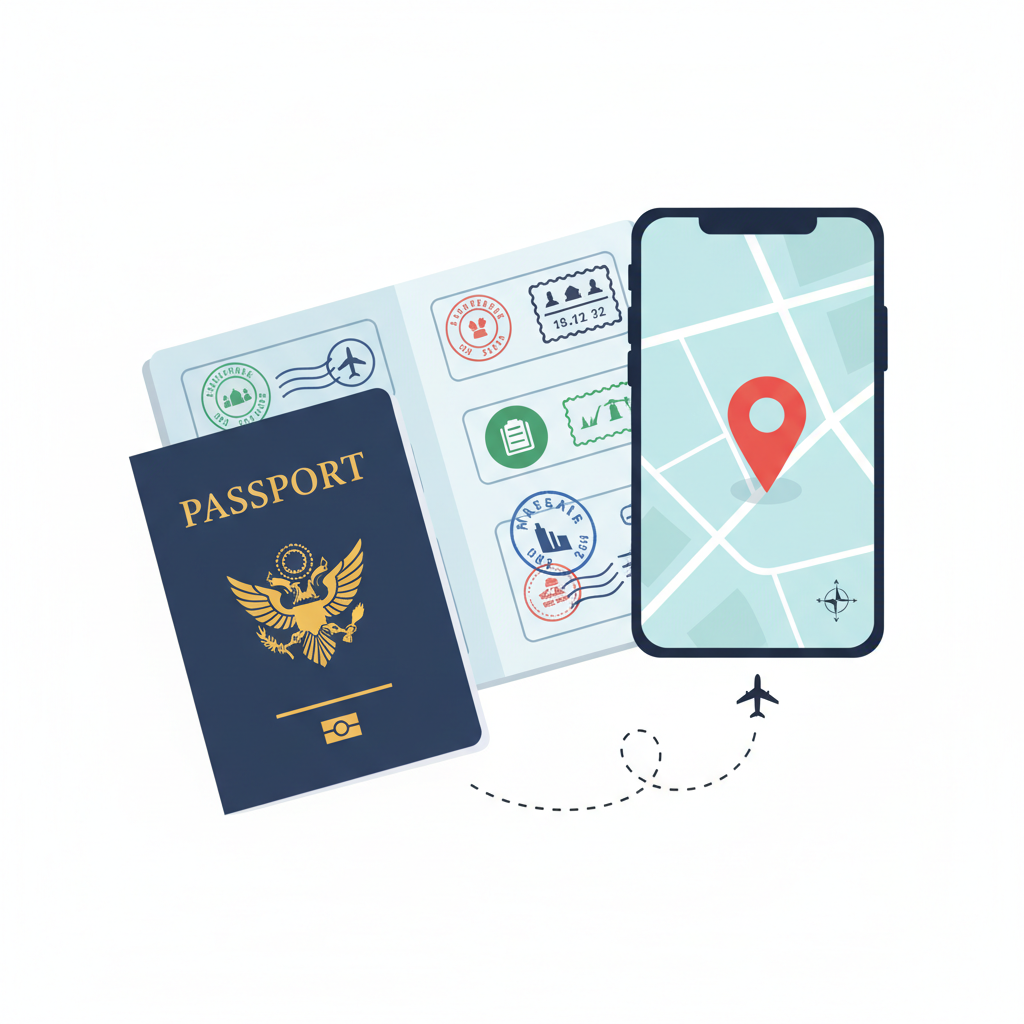
<h3>Life Experience (Unspecified Time)</h3><p>We focus on the experience, not <em>when</em> it happened. Words: <em>ever, never</em>.</p><ul><li>'I <strong>have visited</strong> Tokyo twice.'</li></ul><h3>Present Result</h3><p>Something happened in the past, but the result is important <strong>now</strong>.</p><ul><li>'Oh no! I <strong>have lost</strong> my passport.' (Result: I don't have it now).</li></ul>
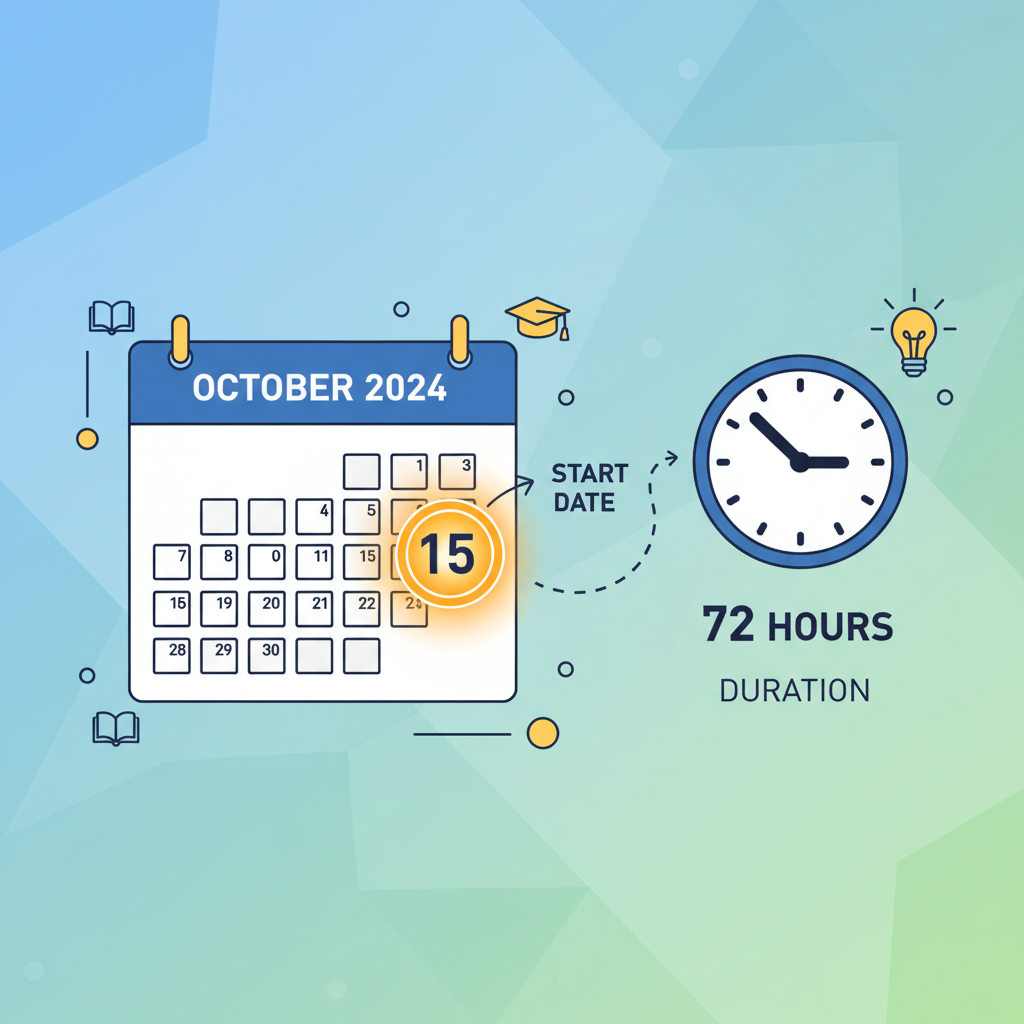
Usage 2: Unfinished Time (For vs Since)
<div style='margin-bottom:30px;'><strong>SINCE</strong>: The starting point.<br/><span style='color:#7f8c8d; font-size:24px;'>since 2010, since 9:00 AM, since I was born.</span></div><div><strong>FOR</strong>: The duration (how long).<br/><span style='color:#7f8c8d; font-size:24px;'>for two hours, for ten years, for a long time.</span></div>
<ul><li>'She <strong>has known</strong> him <em>since</em> primary school.'</li><li>'We <strong>have lived</strong> in this house <em>for</em> five years.'</li></ul>
Video Game Logic: Just, Already, Yet
JUST
A short time ago.<br><em>(Usually +)</em>
'I have just finished the level!'
ALREADY
Sooner than expected.<br><em>(Usually +)</em>
'He has already bought the gear.'
YET
Until now.<br><em>(Only - or ?)</em>
'Have you saved the game yet?'
Reading: Postcard from London
'Hi Sam! I <strong>have just arrived</strong> in London. It is amazing! I <strong>have already seen</strong> Big Ben, but I <strong>haven't visited</strong> the British Museum yet. We <strong>have walked</strong> for hours today!'
Task: Identify the Signal Words and the Verbs.
CRITICAL CONTRAST: Present Perfect vs Past Simple
Present Perfect
<ul><li>Unfinished time or result in present.</li><li>Time is NOT mentioned.</li><li>Keywords: <em>just, already, yet, ever, so far</em>.</li><li style='margin-top:20px; background:#eaf2f8; padding:10px;'><strong>'I have lost my keys.'</strong><br>(I still can't find them)</li></ul>
Past Simple
<ul><li>Finished time.</li><li>Time IS mentioned.</li><li>Keywords: <em>yesterday, last week, in 1999, ago</em>.</li><li style='margin-top:20px; background:#fdedec; padding:10px;'><strong>'I lost my keys yesterday.'</strong><br>(Maybe I found them later, no connection to now)</li></ul>
Common Mistakes to Avoid!
<strong>DON'T</strong> use specific past time markers with Present Perfect.
❌ I have seen him yesterday.<br>✅ I saw him yesterday.
<strong>DON'T</strong> confuse 'been' and 'gone'.
✅ He has <strong>gone</strong> to London. (He is there now)<br>✅ He has <strong>been</strong> to London. (He went and returned)
Practice: Fill in the Blanks
<ol style='font-size:32px; line-height:1.8; color:#2c3e50;'><li>(Travel) I _________ (never / be) to Australia.</li><li>(School) She _________ (not / finish) her homework yet.</li><li>(Technology) _________ you _________ (see) the new viral video?</li><li>(Global) The climate _________ (change) a lot recently.</li><li>(Job) Mark _________ (work) at the cafe since June.</li></ol>
Quick Quiz: Choose the Correct Answer
<div style='font-size:28px; color:#34495e;'><p><strong>1. 'I _____ my leg yesterday.'</strong><br>A) have broken<br>B) broke</p><p><strong>2. 'Look! Someone _____ the window.'</strong><br>A) has broken<br>B) broke</p><p><strong>3. 'Last night I _____ my keys, so I called a locksmith.'</strong><br>A) have lost<br>B) lost</p></div>
Quiz Answers & Explanations
<ul style='font-size:28px; line-height:1.6;'><li><strong>1. B (broke)</strong> - 'Yesterday' is a finished time marker. Use Past Simple.</li><li style='margin-top:20px;'><strong>2. A (has broken)</strong> - We see the result now (broken glass). The time is not important.</li><li style='margin-top:20px;'><strong>3. B (lost)</strong> - Narrative in the past ('last night').</li></ul>
Recap & Student Activity
<ul><li><strong>Form:</strong> have/has + V3</li><li><strong>Use:</strong> Experiences, Recent events, Results in present.</li><li><strong>Key Difference:</strong> Past Simple = Finished time; Present Perfect = Unfinished/Connected to now.</li></ul>
<h3 style='margin-top:0;'>Activity: Two Truths and a Lie</h3><p>Write 3 sentences about your life experiences using the Present Perfect. Two must be true, one a lie. Your partner must guess the lie!</p><p style='font-size:24px; color:#555;'><em>Example: I have met a celebrity. I have eaten shark fin soup. I have never broken a bone.</em></p>
Conditionals: Zero, First & Second
<table style='width:100%; border-collapse:collapse;'> <tr style='background:#ecf0f1;'> <th style='padding:15px; text-align:left; border-bottom:3px solid #bdc3c7;'>Type</th> <th style='padding:15px; text-align:left; border-bottom:3px solid #bdc3c7;'>If-Clause</th> <th style='padding:15px; text-align:left; border-bottom:3px solid #bdc3c7;'>Main Clause</th> </tr> <tr> <td style='padding:15px; border-bottom:1px solid #bdc3c7;'><strong>Zero</strong><br>(Facts)</td> <td style='padding:15px; border-bottom:1px solid #bdc3c7;'>Present Simple<br><em>If water freezes...</em></td> <td style='padding:15px; border-bottom:1px solid #bdc3c7;'>Present Simple<br><em>...it expands.</em></td> </tr> <tr> <td style='padding:15px; border-bottom:1px solid #bdc3c7;'><strong>First</strong><br>(Real Possibility)</td> <td style='padding:15px; border-bottom:1px solid #bdc3c7;'>Present Simple<br><em>If you study...</em></td> <td style='padding:15px; border-bottom:1px solid #bdc3c7;'><strong>will</strong> + verb<br><em>...you will pass.</em></td> </tr> <tr> <td style='padding:15px; border-bottom:1px solid #bdc3c7;'><strong>Second</strong><br>(Unreal/Hypothetical)</td> <td style='padding:15px; border-bottom:1px solid #bdc3c7;'>Past Simple<br><em>If I won the lottery...</em></td> <td style='padding:15px; border-bottom:1px solid #bdc3c7;'><strong>would</strong> + verb<br><em>...I would travel.</em></td> </tr> </table>
Second Conditional: The Unreal
What happens in our dreams or imagination? Use the Second Conditional.
Narrative Tenses: Telling the Story
<div style='margin-bottom:30px;'> <strong>1. Past Simple</strong> (The Main Event)<br> For finished actions in the past.<br> <em>"I <strong>arrived</strong> at the station."</em> </div> <div style='margin-bottom:30px;'> <strong>2. Past Continuous</strong> (The Background)<br> For actions in progress at a specific moment.<br> <em>"The sun <strong>was shining</strong> and birds <strong>were singing</strong>."</em> </div> <div style='margin-bottom:30px;'> <strong>3. Past Perfect</strong> (The Flashback)<br> For an action that happened <em>before</em> another past action.<br> <em>"The train <strong>had already left</strong> when I arrived."</em> </div>
Present Perfect Continuous
<div style='background:#ecf0f1; padding:20px; border-left:8px solid #3498db; margin-bottom:30px;'> <strong>Form:</strong> have / has + <strong>been</strong> + verb<strong>-ing</strong> </div> <ul style='line-height:1.6;'> <li><strong>Focus on Activity/Duration:</strong><br> "I <em>have been painting</em> my room." (It might not be finished, I have paint on my clothes).</li> <li style='margin-top:20px;'><strong>vs. Simple (Result):</strong><br> "I <em>have painted</em> my room." (The job is done, the room is blue).</li> <li style='margin-top:20px;'><strong>Keywords:</strong> for hours, all day, lately, since morning.</li> </ul>
Future 1: Plans & Schedules
null
Future 2: Predictions & Decisions
Gerund (-ing) or Infinitive (to)?
<div style='display:flex; gap:20px;'> <div style='flex:1; background:#ecf0f1; padding:20px; border-radius:10px;'> <h3 style='color:#e74c3c; margin-top:0;'>Gerund (-ing)</h3> <ul style='padding-left:20px;'> <li>After <strong>prepositions</strong> (without, of, about).</li> <li>As the <strong>subject</strong> (Swimming is fun).</li> <li>After verbs like: <em>enjoy, avoid, mind, finish, suggest</em>.</li> </ul> <em>"I enjoy <strong>reading</strong>."</em> </div> <div style='flex:1; background:#ecf0f1; padding:20px; border-radius:10px;'> <h3 style='color:#2980b9; margin-top:0;'>Infinitive (to ...)</h3> <ul style='padding-left:20px;'> <li>To show <strong>purpose</strong> (to buy bread).</li> <li>After <strong>adjectives</strong> (easy to do).</li> <li>After verbs like: <em>want, hope, promise, decide, offer</em>.</li> </ul> <em>"I want <strong>to go</strong>."</em> </div> </div>
Modals 1: Rules & Obligations
<ul style='line-height:1.6;'> <li><strong>Permission / Ability:</strong> <ul> <li><em>Can / Could</em> (Ability or permission).</li> <li><em>May / Might</em> (Polite permission or possibility).</li> <li><em>Be allowed to</em> (Permission rule).</li> </ul> </li> <li style='margin-top:15px;'><strong>Obligation / Necessity:</strong> <ul> <li><em>Must</em> (Strong, internal obligation).</li> <li><em>Have to</em> (External rule/law).</li> <li><em>Should</em> (Advice / Good idea).</li> </ul> </li> <li style='margin-top:15px;'><strong>Prohibition:</strong> <ul> <li><em>Mustn't</em> (Forbidden!).</li> <li><em>Don't have to</em> (Not necessary, but allowed).</li> </ul> </li> </ul>
Modals 2: Advice & Possibility
Reported Speech: The Backshift
<div style='margin-bottom:20px;'> When reporting what someone accepted, "backshift" the tense one step into the past. </div> <table style='width:100%; border-collapse:collapse; background:#f9f9f9;'> <tr style='border-bottom:2px solid #bdc3c7;'> <th style='padding:10px; text-align:left;'>Direct Speech</th> <th style='padding:10px; text-align:left;'>Indirect Speech</th> </tr> <tr> <td style='padding:10px;'>"I <strong>love</strong> pizza."</td> <td style='padding:10px;'>He said (that) he <strong>loved</strong> pizza.</td> </tr> <tr> <td style='padding:10px;'>"I <strong>am working</strong>."</td> <td style='padding:10px;'>She said she <strong>was working</strong>.</td> </tr> <tr> <td style='padding:10px;'>"I <strong>have seen</strong> it."</td> <td style='padding:10px;'>He said he <strong>had seen</strong> it.</td> </tr> <tr> <td style='padding:10px;'>"I <strong>will</strong> call you."</td> <td style='padding:10px;'>She said she <strong>would</strong> call me.</td> </tr> </table> <div style='font-size:20px; margin-top:15px; font-style:italic;'> Remember to change pronouns (I → he/she) and time (tomorrow → the next day)! </div>
Adjectives vs. Adverbs
<div style='display:flex; gap:30px;'> <div style='flex:1;'> <h3 style='color:#2980b9;'>Adjectives</h3> <p>Describe <strong>nouns</strong> (people, things).</p> <ul> <li>A <em>slow</em> car.</li> <li>He is <em>careful</em>.</li> </ul> </div> <div style='flex:1;'> <h3 style='color:#e74c3c;'>Adverbs</h3> <p>Describe <strong>verbs</strong> (actions). usually end in <strong>-ly</strong>.</p> <ul> <li>He drives <em>slowly</em>.</li> <li>He works <em>carefully</em>.</li> </ul> </div> </div> <div style='background:#fcf3cf; padding:15px; border-radius:10px; margin-top:20px;'> <strong>Watch out! Irregular Adverbs:</strong><br> Good → <strong>Well</strong><br> Fast → <strong>Fast</strong><br> Hard → <strong>Hard</strong> </div>
Some or Any?
<div style='margin-bottom:20px;'> The rule applies to <em>some/any</em>, <em>something/anything</em>, <em>somebody/anybody</em>. </div> <ul style='line-height:1.8;'> <li><strong style='color:#27ae60;'>SOME (+)</strong><br> Use in <strong>positive</strong> sentences.<br> <em>"I have <strong>some</strong> questions."</em><br> <em>Exception:</em> Offers/Requests ("Would you like <em>some</em> tea?").</li> <li style='margin-top:20px;'><strong style='color:#c0392b;'>ANY (- / ?)</strong><br> Use in <strong>negative</strong> sentences and <strong>questions</strong>.<br> <em>"I don't have <strong>any</strong> money."</em><br> <em>"Do you have <strong>any</strong> ideas?"</em></li> </ul>
- english-grammar
- present-perfect
- b1-english
- language-learning
- esl-resources
- verb-tenses
- past-simple-vs-present-perfect