


Hypatia of Alexandria: Ancient Philosopher & Mathematician
Explore the life and legacy of Hypatia of Alexandria. Learn about her contributions to algebra, geometry, and astronomy in the ancient Roman Empire.
Hypatia of Alexandria
Philosopher, Mathematician, and Astronomer of the Ancient World
Vital Statistics
Born: c. 350 – 370 CE (Exact date debated)
Died: March 415 CE
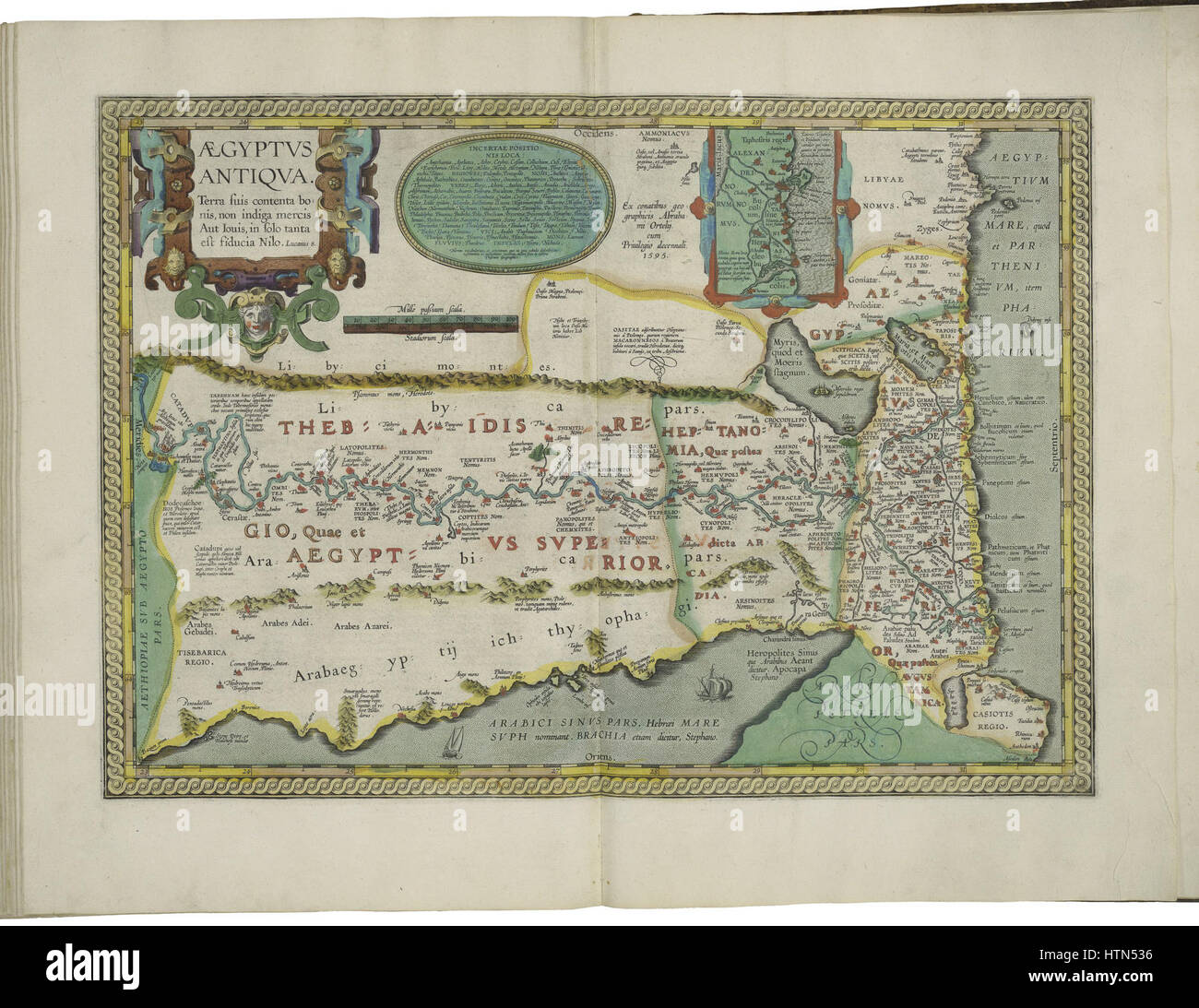
Location: Alexandria, Egypt (Eastern Roman Empire)
Philosophy: Neoplatonist (Pagan)
Historical Context: Three Major Events
391 CE: Destruction of the Serapeum
Under Bishop Theophilus, the Serapeum (a sister library to the Great Library) was destroyed, marking the decline of pagan intellectualism.
395 CE: The Roman Empire Splits
After Theodosius I, the empire was permanently divided into East (Byzantium) and West. Alexandria became a key power center of the East.
412 CE: Cyril becomes Patriarch
Cyril's rise to power led to a violent political power struggle with Orestes (the Roman Prefect), drawing Hypatia into the crossfire.
Education & Training
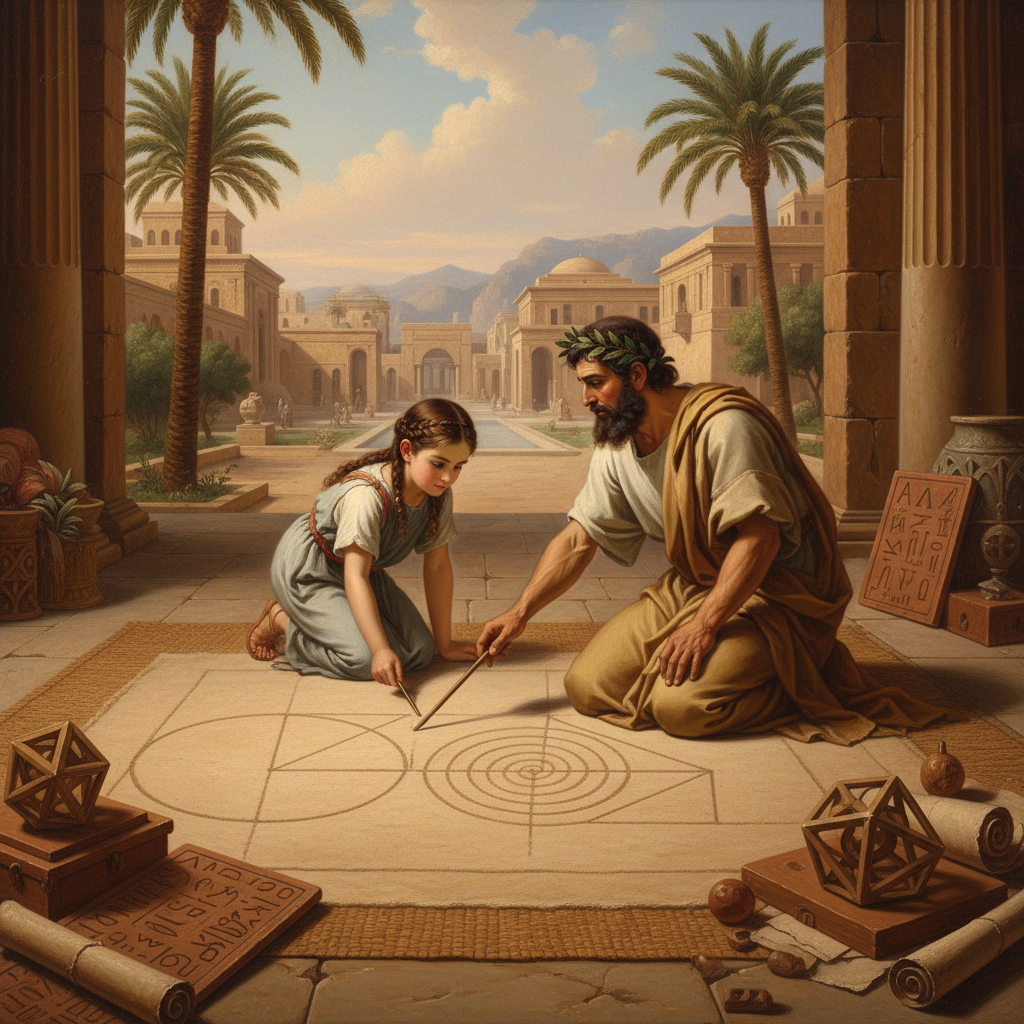
Tutored by Her Father: Theon of Alexandria, a distinguished mathematician and astronomer, provided her with an education typically reserved for men.
Neoplatonism: She studied the works of Plotinus and Iamblichus, learning that mathematics was a spiritual path to understanding the divine 'One'.
Beyond Alexandria: Some historians suggest she may have traveled to Athens to study, though she surpassed her contemporaries in Alexandria itself.
Family & Marital Status
Daughter of Theon: She was the daughter of the last head of the Museum at Alexandria. Her father was her primary mentor, collaborator, and closest family connection.
Single by Choice: Despite many suitors, Hypatia never married. In ancient society, marriage often meant subordination for women. Staying single allowed her to maintain her independence and career.
'She was wedded to the Truth.'
Occupations & Roles
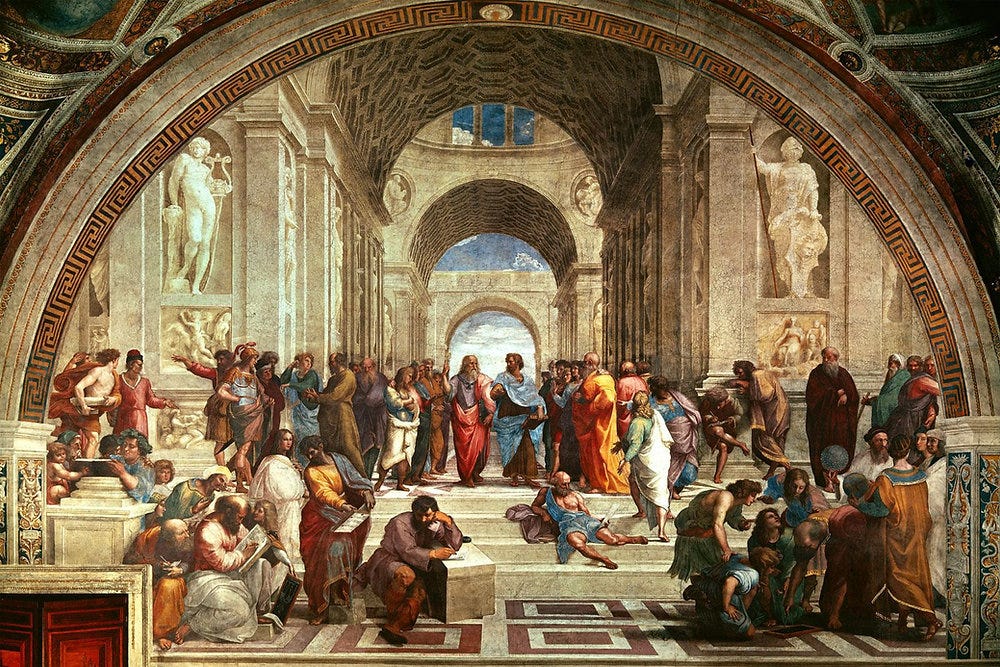
The Head of the Platonist School
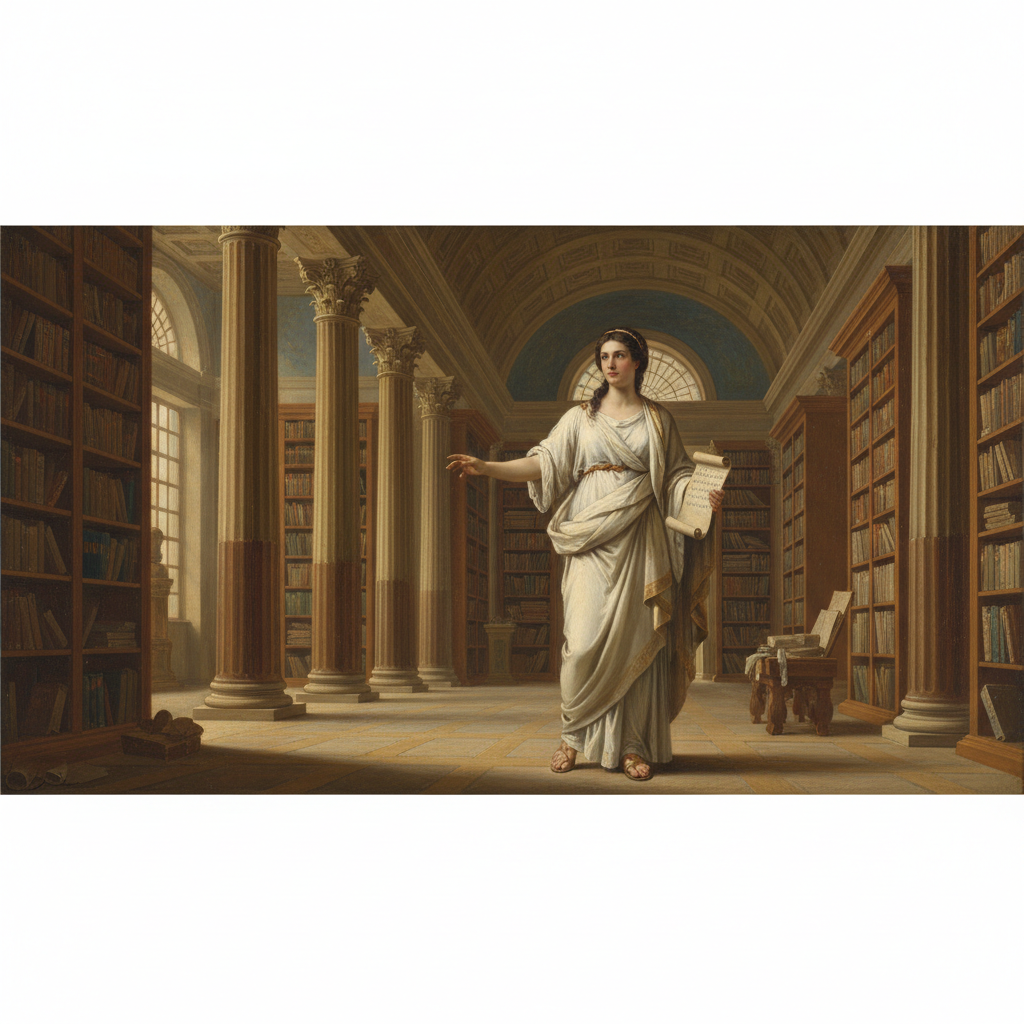
Around 400 CE, she became the leader of the Neoplatonic school in Alexandria, teaching philosophy and astronomy to students from elite Christian and pagan families.
Mathematician & Editor
She did not just read math; she wrote commentaries that clarified and corrected difficult ancient texts, preserving them for future generations.
Public Speaker / Politician Advisor
She wore the 'tribon' (philosopher's cloak) and gave public lectures. She was a trusted advisor to Orestes, the Roman Prefect of Alexandria.
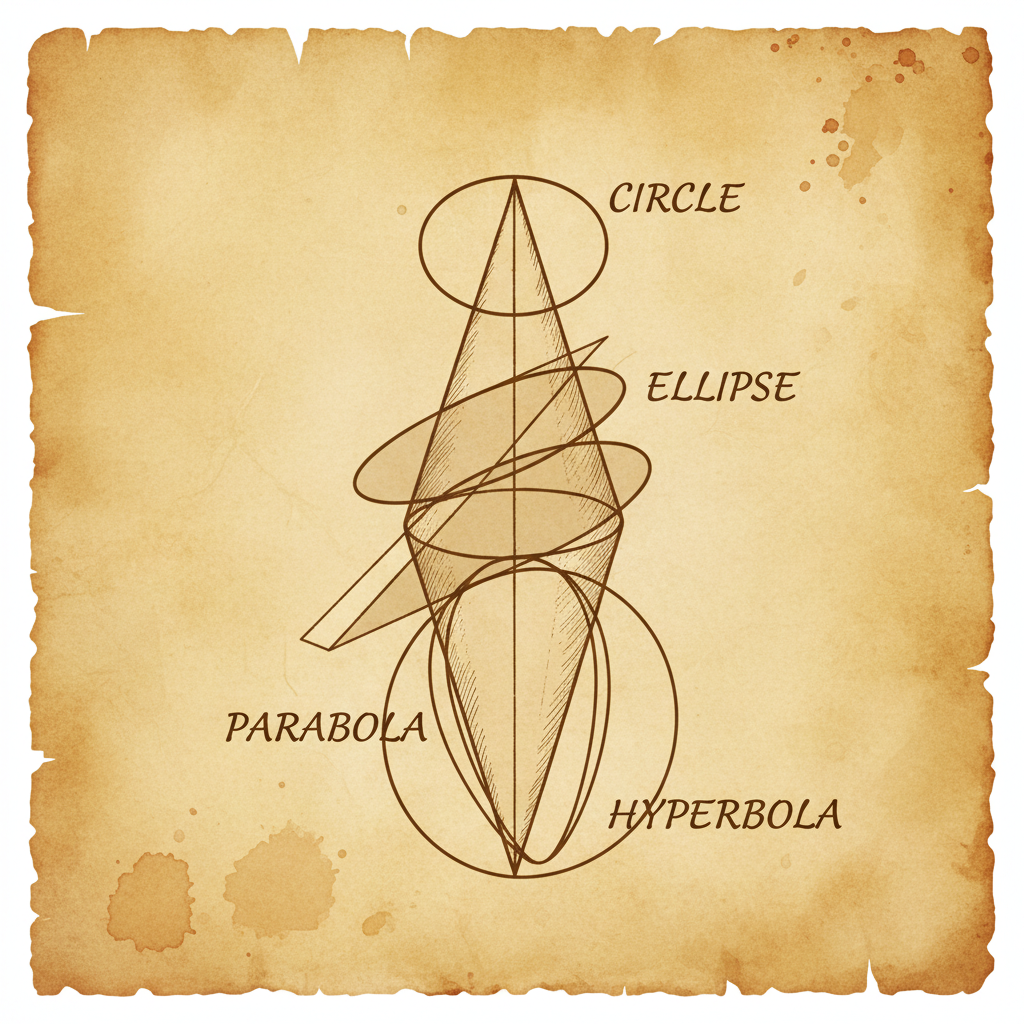
Contribution 1: Conic Sections (Apollonius)
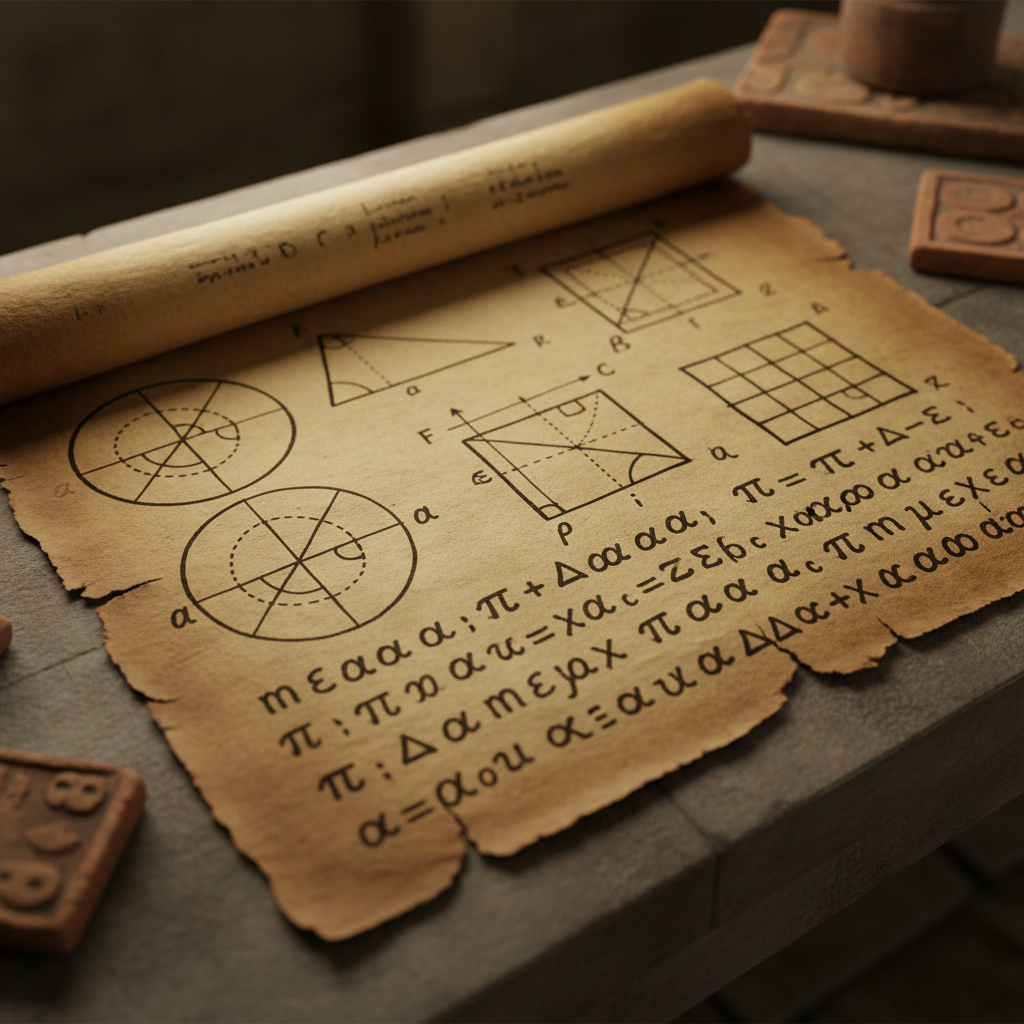
Hypatia wrote a commentary on Apollonius of Perga's 'Conics'. This was an advanced geometry text dealing with parabolas, hyperbolas, and ellipses.
Impact: Her work made these complex ideas easier to understand. Centuries later, these shapes were crucial for Kepler to describe planetary orbits.
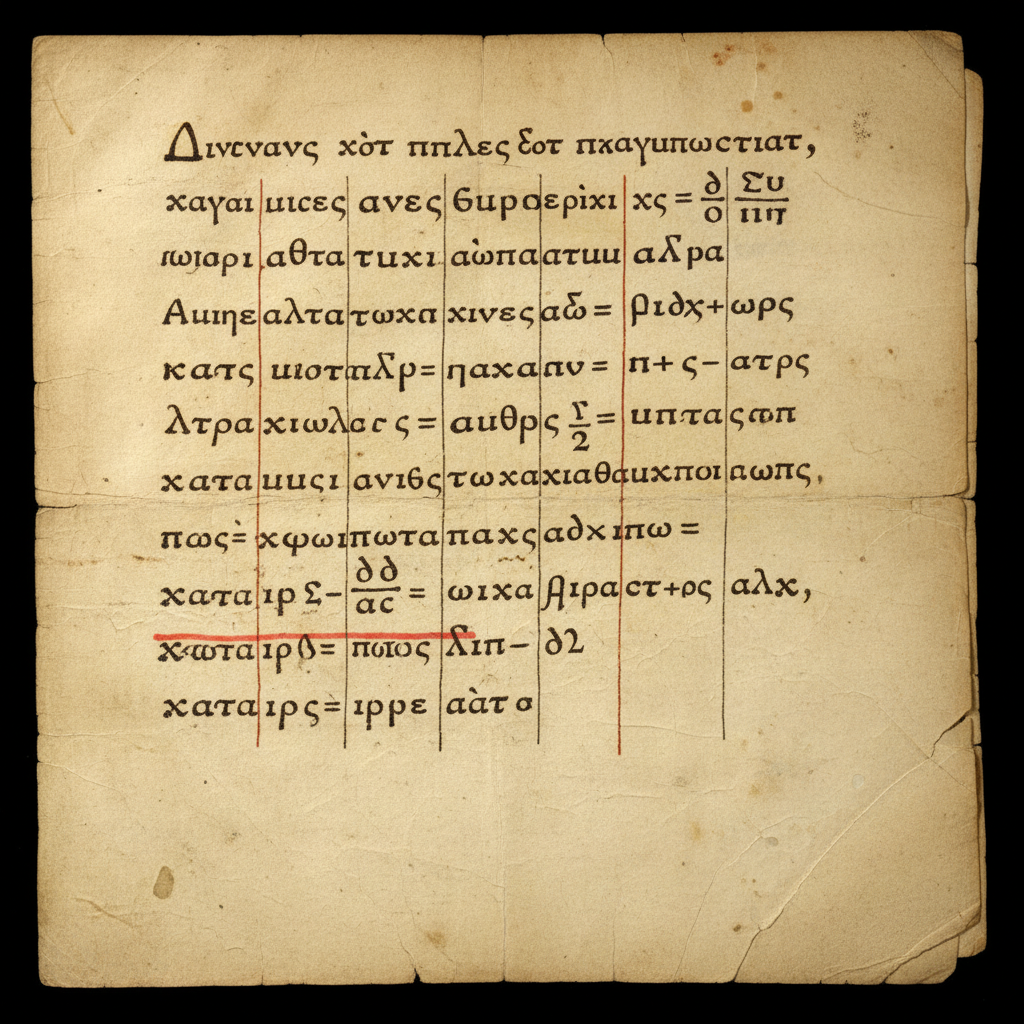
Contribution 2: Arithmetic (Diophantus)
She edited and wrote commentary on Diophantus's 'Arithmetica', often called the 'father of algebra'.
Innovation: While most Greeks focused on geometry (shapes), Diophantus focused on algebra (equations). Hypatia developed new problems and checked his solutions, keeping this branch of math alive when few others studied it.
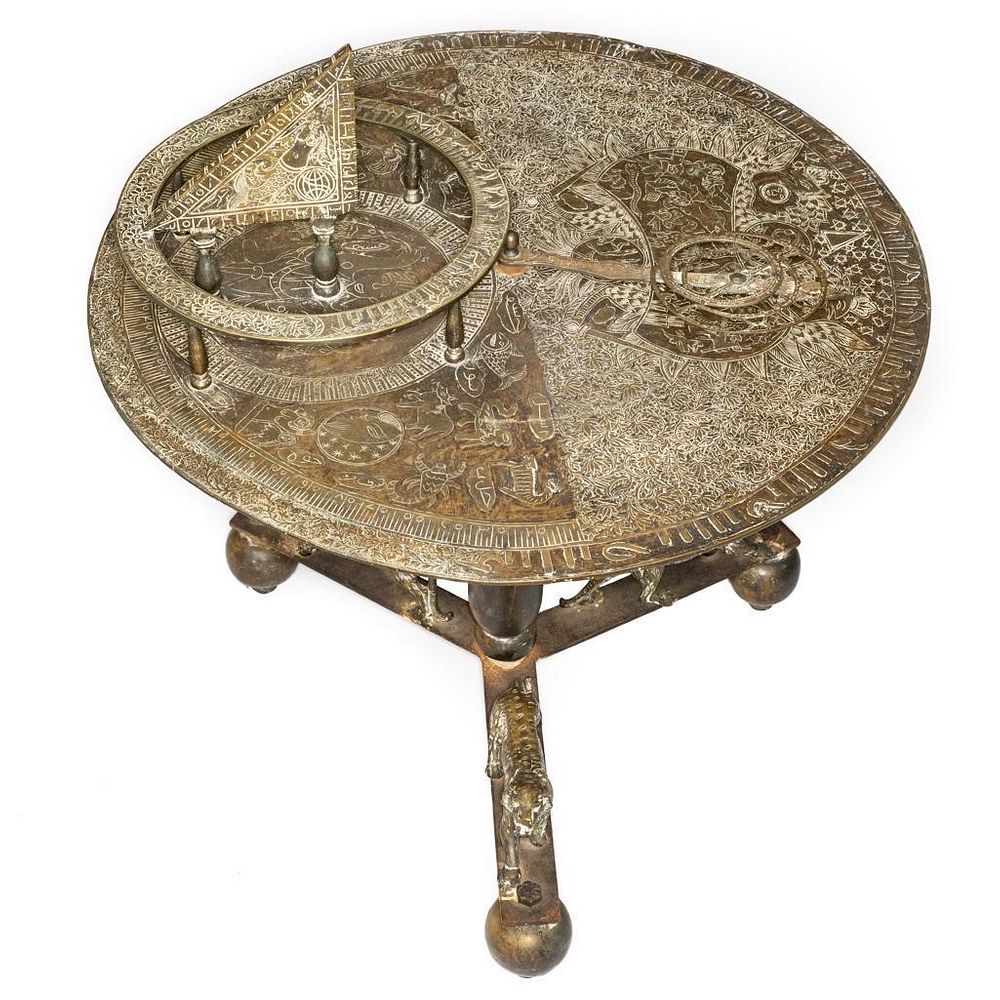
Contribution 3: Astronomy & Instruments
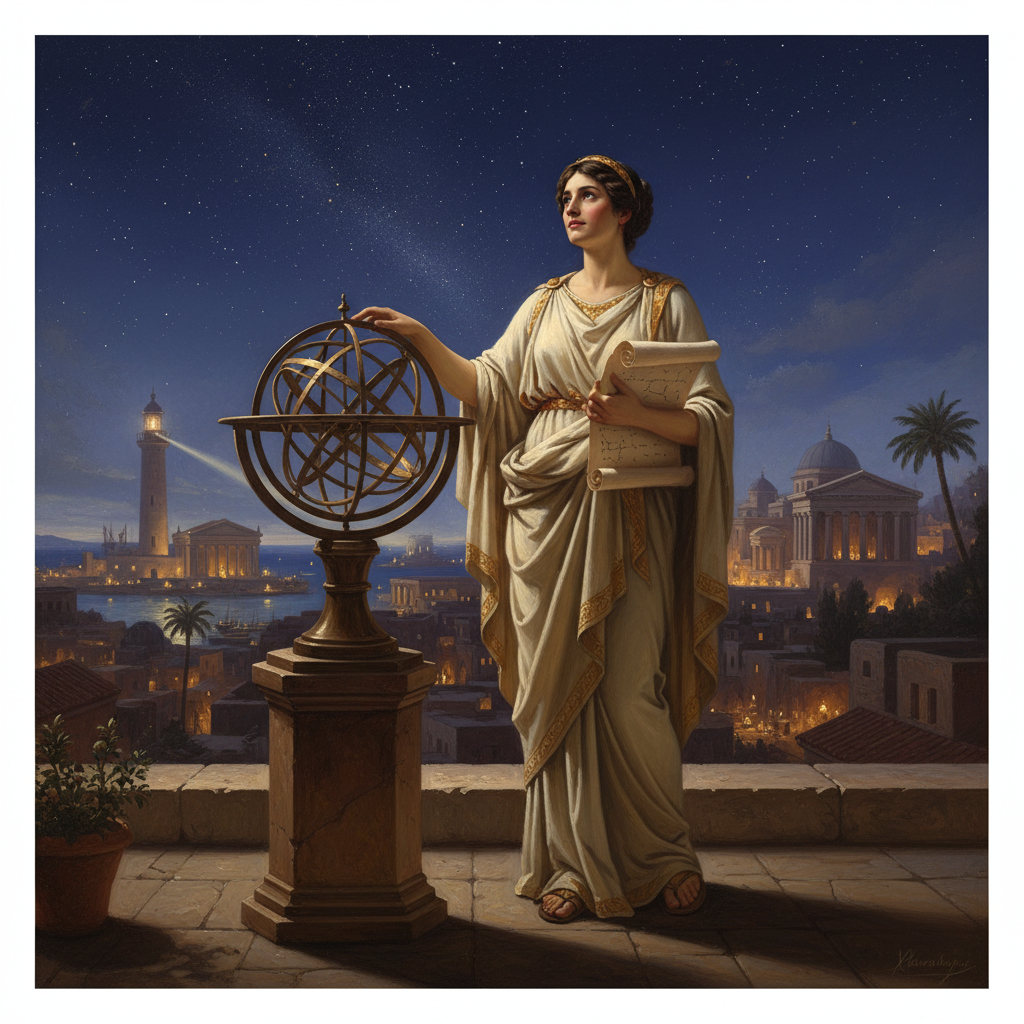
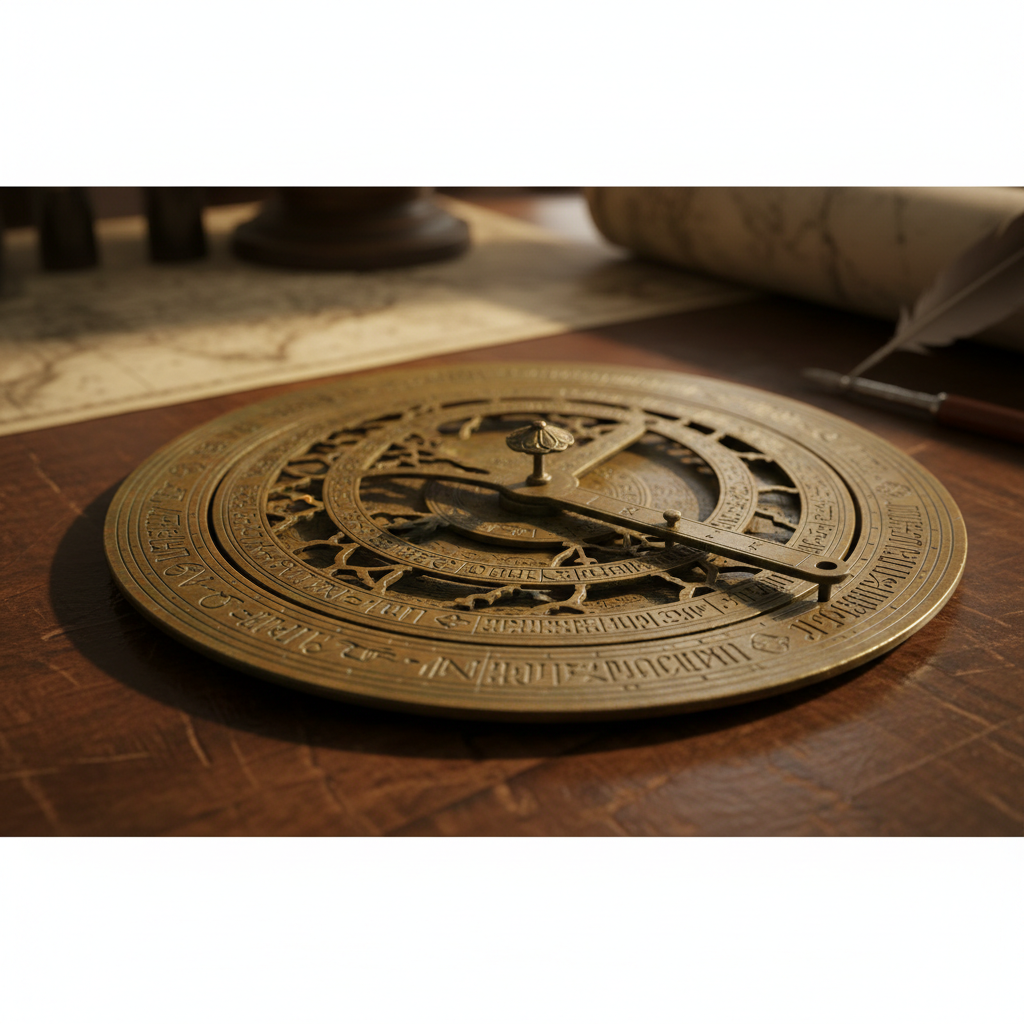
The Astrolabe: Hypatia taught her student Synesius how to design an astrolabe, a device used to calculate the position of stars and planets.
The Hydrometer: She is credited with inventing or refining the hydrometer (hydroscope), a tool used to measure the density (specific gravity) of liquids.
The Handy Tables: She corrected her father's calculations in Ptolemy's 'Handy Tables', essential for navigation and calendar keeping.
Two Interesting Life Events
The 'Menstrual Rags' Incident
When a student fell in love with her, Hypatia reportedly tossed her menstrual rags at him to demonstrate the messy biological reality of the body vs. the purity of the mind, telling him, 'This is what you love, young man, and it is nothing beautiful.' This showed her dedication to Neoplatonism over romance.
Her Tragic Death (415 CE)
Hypatia was accused of preventing reconciliation between Orestes and Cyril. A mob of monks, led by a reader named Peter, dragged her from her carriage to a church, stripped her, killed her with tiles (ostraka), and burned her remains. This event is often cited as the end of classical antiquity.
Hypatia's Legacy
A symbol of knowledge, Hypatia was the first well-documented female mathematician, paving the way for women in STEM.
- hypatia of alexandria
- ancient mathematics
- women in science
- neoplatonism
- astronomy history
- women in stem
- alexandria egypt