




Made byBobr AI

Space and Power: The Cold War and the Space Race

Explore how the Cold War rivalry between the US and USSR fueled space exploration, from the Sputnik launch to the Apollo 11 moon landing and final cooperation.

#cold-war#space-race#sputnik#apollo-11#history#soviet-union#nasa#geopolitics
Watch
Pitch

War and Space: The New Battlefield

How the Cold War extended conflict beyond the atmosphere

Made byBobr AI

The Cold War Context (1947–1991)

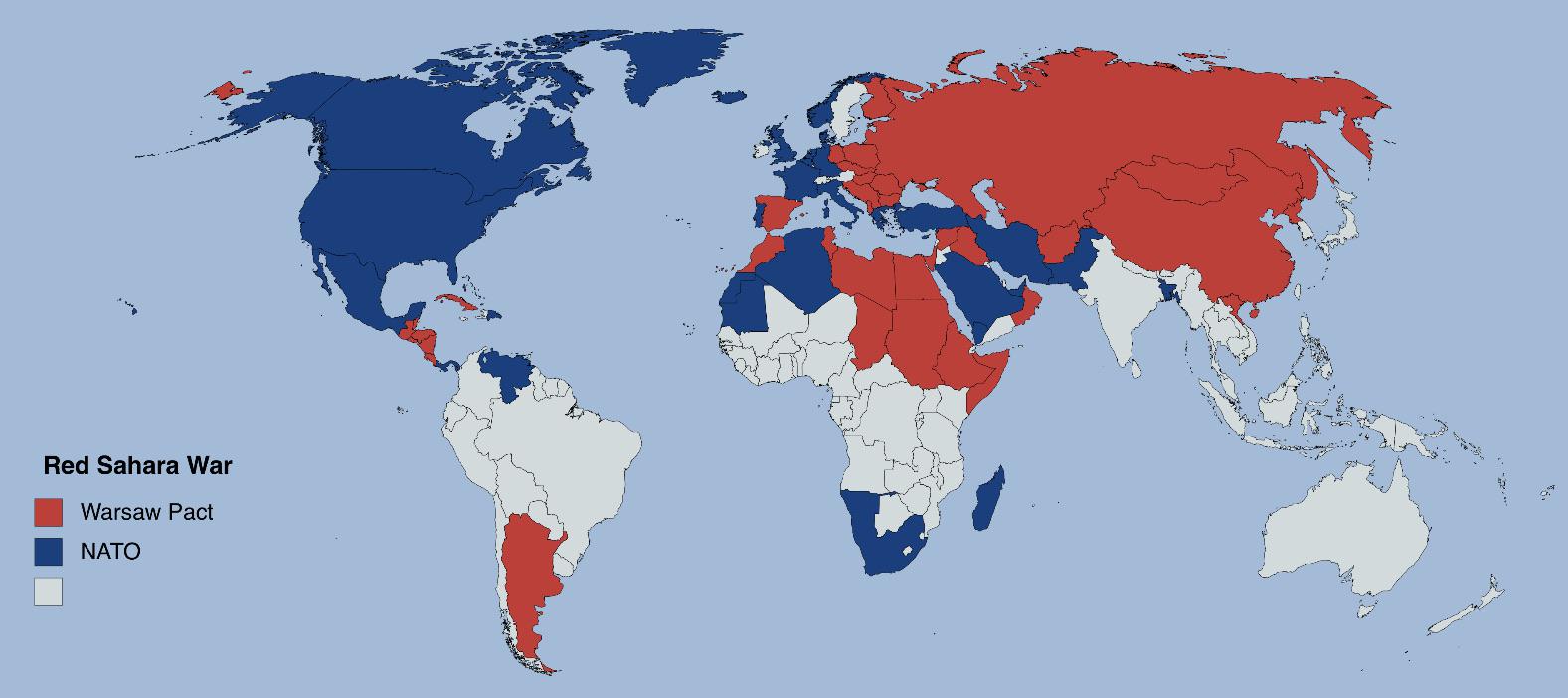
A period of geopolitical tension between the United States and the Soviet Union. While they never fought directly, they competed fiercely in technology, weaponry, and ideology.

Made byBobr AI

A Conflict of Ideologies

USA

Capitalism & Democracy

Soviet Union

Communism

Made byBobr AI

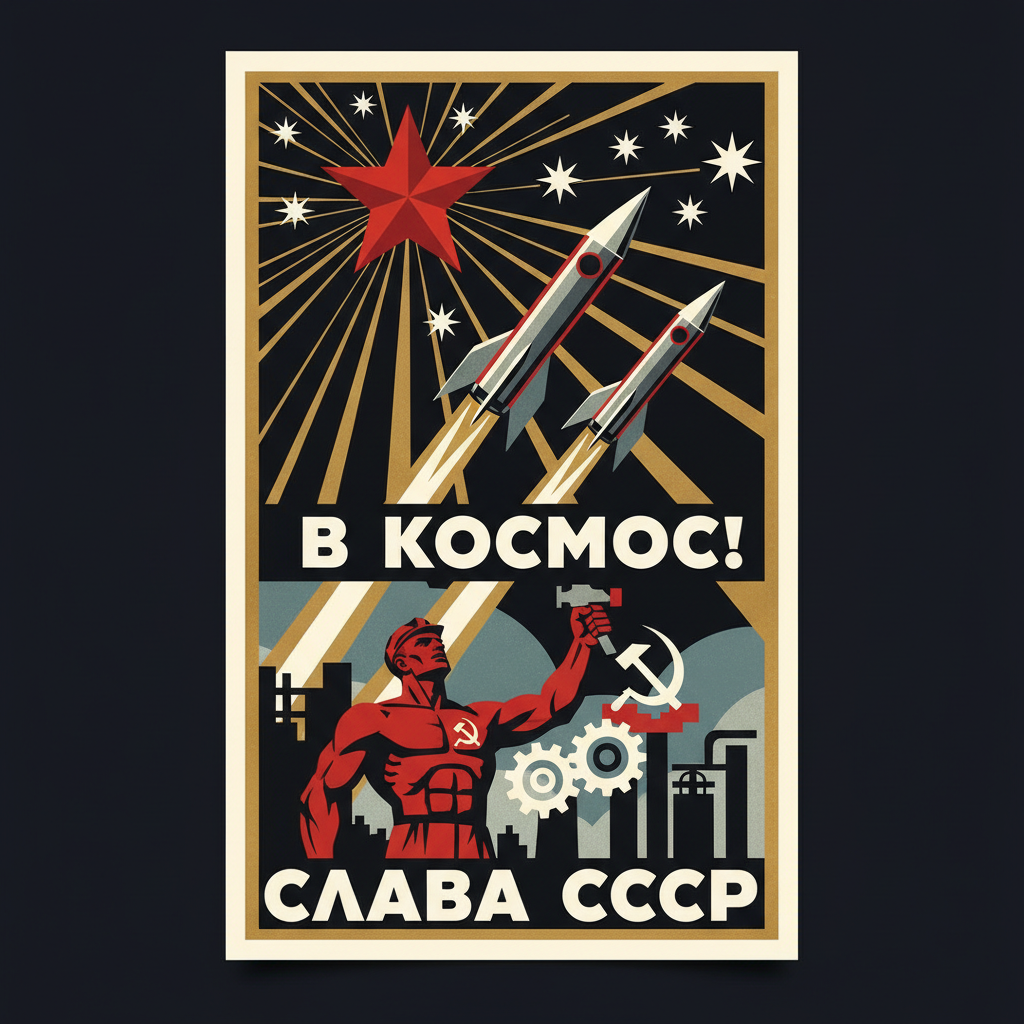
Space as a Stage for Power

  • Prestige: Being first in space proved societal superiority.
  • Propaganda: Every launch was a message to the world.
Made byBobr AI

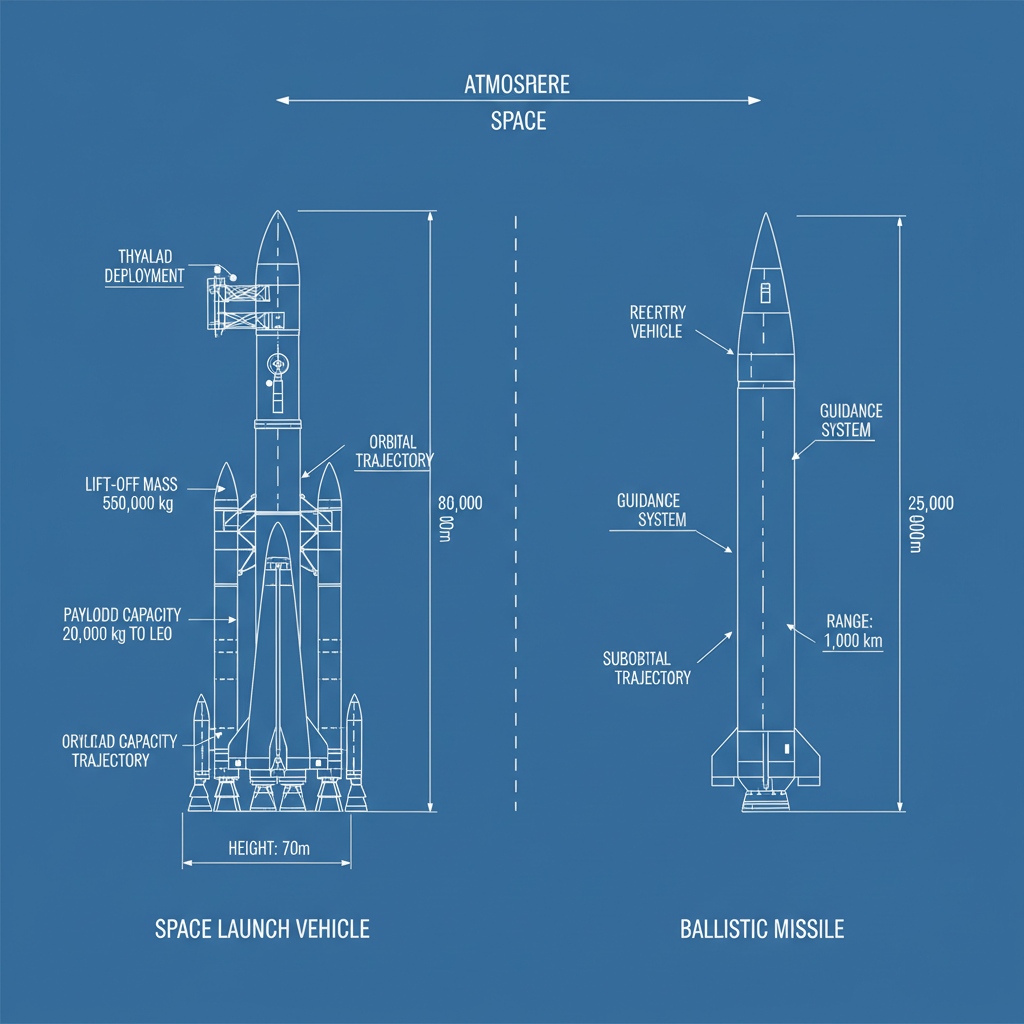
The Military Connection: Rockets vs. Missiles

Space exploration technology was directly derived from military research. A rocket capable of carrying a human to space utilizes nearly the same technology as an Intercontinental Ballistic Missile (ICBM) delivering a nuclear warhead.

Made byBobr AI

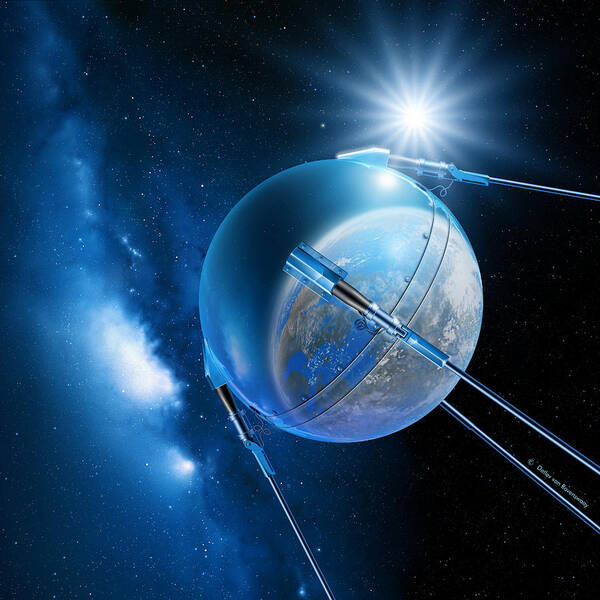
1957: The Sputnik Shock

The Soviet Union launched Sputnik, the first artificial satellite. This proved the USSR had the capability to launch objects over US territory, inciting fear and starting the Space Race.

Made byBobr AI

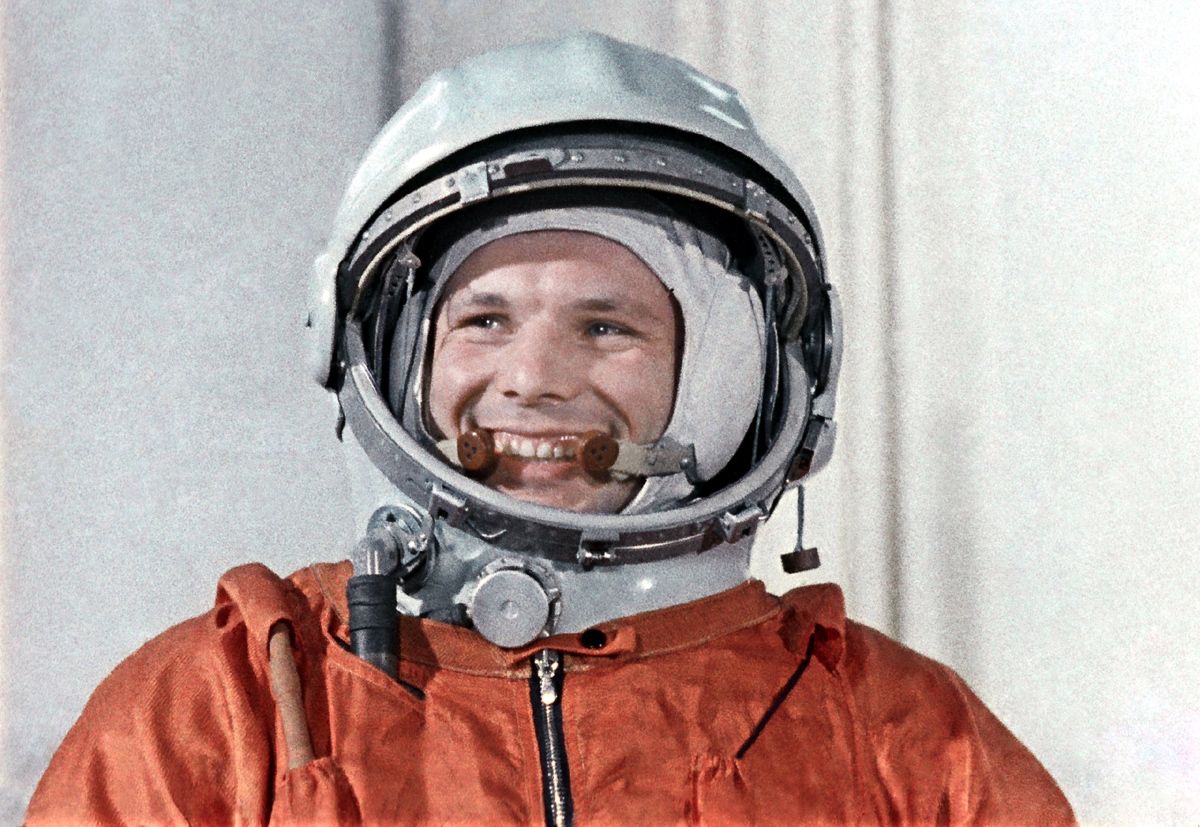
1961: First Man in Space

Yuri Gagarin solidified Soviet dominance by orbiting the Earth. It was a major blow to American morale and pushed the US to accelerate the Apollo program.

Made byBobr AI

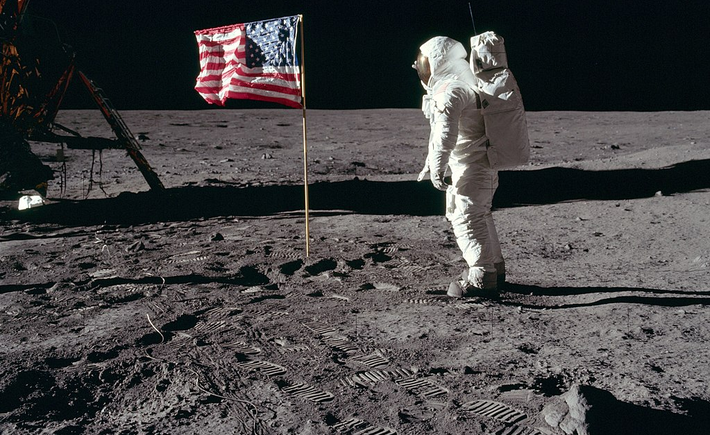
1969: Small Step, Giant Leap

The Apollo 11 mission landed Neil Armstrong and Buzz Aldrin on the Moon. This victory for the United States effectively 'won' the Space Race and demonstrated technological supremacy.

Made byBobr AI

The Invisible Battlefield: Orbit

  • High-altitude Espionage (Spy Satellites)
  • Global Military Communication
  • Early Warning Systems for Nuclear Launches
Made byBobr AI

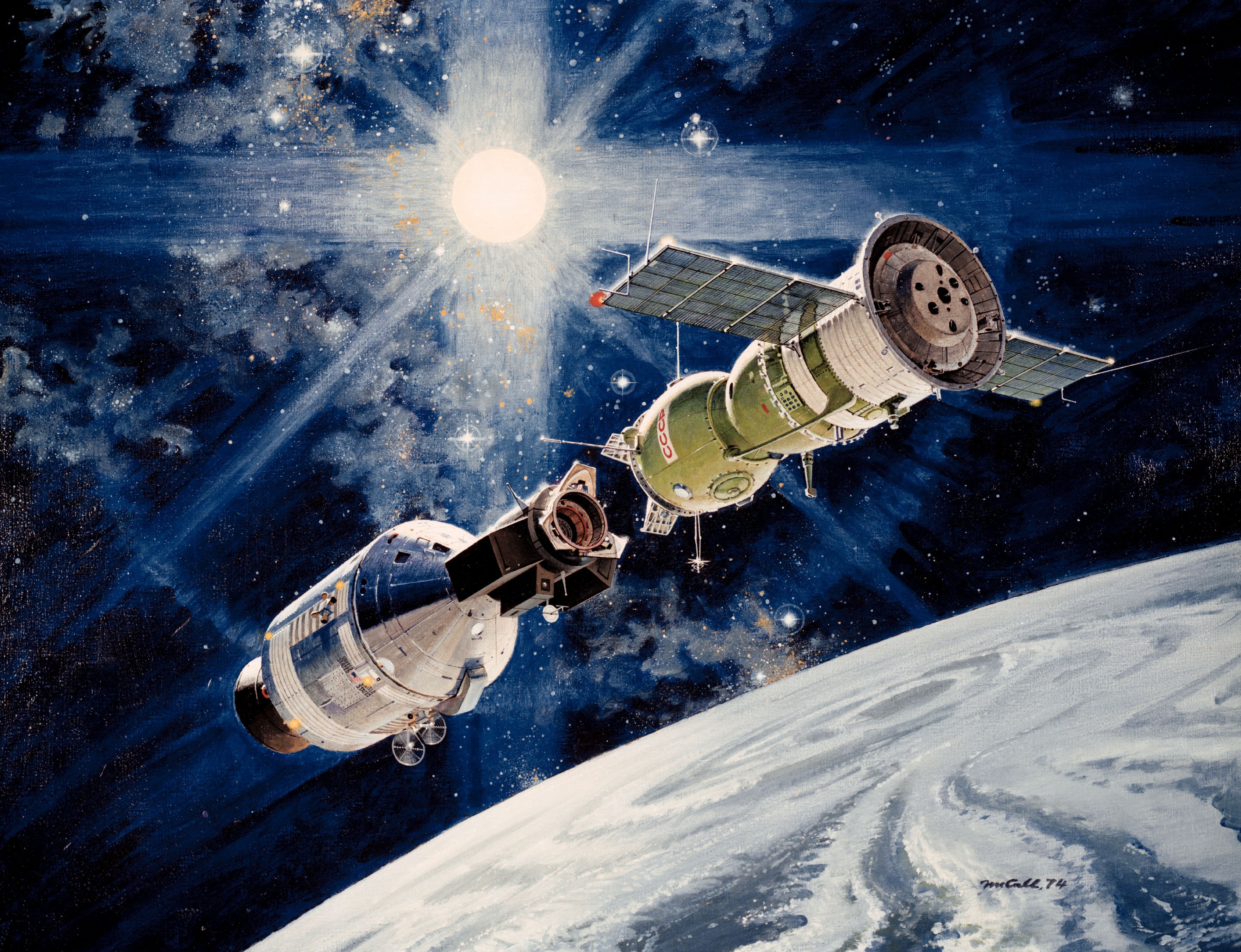
From Conflict to Cooperation

The Apollo-Soyuz mission in 1975 marked a symbolic end to the Space Race. Former enemies docked their ships in orbit, leading to future collaborations like the International Space Station (ISS).

Made byBobr AI

Space: A Paradox of War and Peace

Driven by fear and the desire for dominance, the Cold War propelled humanity into the stars. The 'battlefield' eventually became our greatest platform for unity.

Made byBobr AI
Bobr AI

DESIGNER-MADE
PRESENTATION,
GENERATED FROM
YOUR PROMPT

Create your own professional slide deck with real images, data charts, and unique design in under a minute.

Generate For Free

Space and Power: The Cold War and the Space Race

Explore how the Cold War rivalry between the US and USSR fueled space exploration, from the Sputnik launch to the Apollo 11 moon landing and final cooperation.

War and Space: The New Battlefield

How the Cold War extended conflict beyond the atmosphere

The Cold War Context (1947–1991)

A period of geopolitical tension between the United States and the Soviet Union. While they never fought directly, they competed fiercely in technology, weaponry, and ideology.

A Conflict of Ideologies

USA

Capitalism & Democracy

Soviet Union

Communism

Space as a Stage for Power

Prestige: Being first in space proved societal superiority.

Propaganda: Every launch was a message to the world.

The Military Connection: Rockets vs. Missiles

Space exploration technology was directly derived from military research. A rocket capable of carrying a human to space utilizes nearly the same technology as an Intercontinental Ballistic Missile (ICBM) delivering a nuclear warhead.

1957: The Sputnik Shock

The Soviet Union launched Sputnik, the first artificial satellite. This proved the USSR had the capability to launch objects over US territory, inciting fear and starting the Space Race.

1961: First Man in Space

Yuri Gagarin solidified Soviet dominance by orbiting the Earth. It was a major blow to American morale and pushed the US to accelerate the Apollo program.

1969: Small Step, Giant Leap

The Apollo 11 mission landed Neil Armstrong and Buzz Aldrin on the Moon. This victory for the United States effectively 'won' the Space Race and demonstrated technological supremacy.

The Invisible Battlefield: Orbit

High-altitude Espionage (Spy Satellites)

Global Military Communication

Early Warning Systems for Nuclear Launches

From Conflict to Cooperation

The Apollo-Soyuz mission in 1975 marked a symbolic end to the Space Race. Former enemies docked their ships in orbit, leading to future collaborations like the International Space Station (ISS).

Space: A Paradox of War and Peace

Driven by fear and the desire for dominance, the Cold War propelled humanity into the stars. The 'battlefield' eventually became our greatest platform for unity.

  • cold-war
  • space-race
  • sputnik
  • apollo-11
  • history
  • soviet-union
  • nasa
  • geopolitics