



Made byBobr AI

Impacts of Globalisation: Economic, Social & Environment

Explore the drivers, advantages, and challenges of globalization. Learn about global trade growth, economic development, and environmental sustainability.

#globalisation#international-trade#economic-impact#supply-chain#environmental-impact#global-economy#education
Watch
Pitch

Globalisation: A Connected World

An analysis of economic, cultural, and environmental impacts | Grade 13 GFS

Made byBobr AI

Presentation Outline

  • 01. Definition & Core Concepts
  • 02. Drivers: Technology & Logistics
  • 03. Economic & Social Advantages
  • 04. Critical Perspectives: Inequality & Environment
  • 05. Globalisation in Everyday Life
  • 06. Conclusion
Made byBobr AI

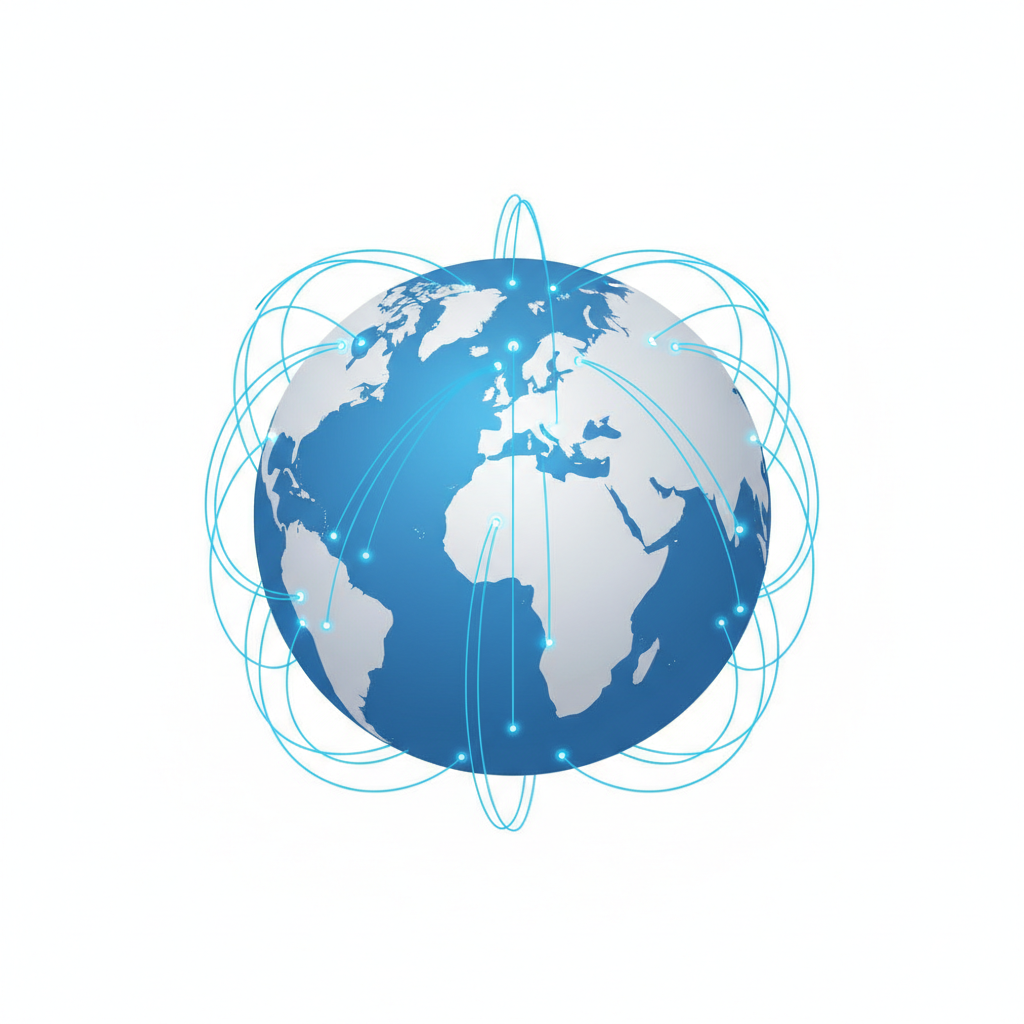
1. What is Globalisation?

Globalisation is the increasing interaction and integration among people, companies, and governments worldwide.

  • Driven by international trade and investment.
  • Aided by information technology.
Globalisation Network
Made byBobr AI

2. The Drivers of Globalisation

Communication Technology

The Internet, fiber optics, and smartphones allow instantaneous global communication and real-time financial transactions.

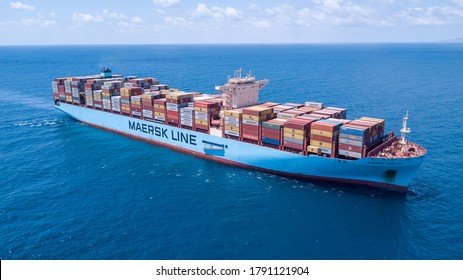
Logistics & Transport

Containerization drastically reduced shipping costs. Approx. 90% of non-bulk cargo worldwide is moved by container.

Made byBobr AI

Visualizing Global Trade Growth

Global exports of goods (in Trillion US Dollars)

Chart
Made byBobr AI

3. The Advantages

✓ Economic Efficiency

Access to a global market leads to lower consumer prices and more product variety.

✓ Development

Investment (FDI) creates jobs in developing nations, lifting millions out of extreme poverty (e.g., China, India).

✓ Cultural Exchange

Sharing of ideas, cuisine, art, and knowledge across borders.

Made byBobr AI

4. The Disadvantages

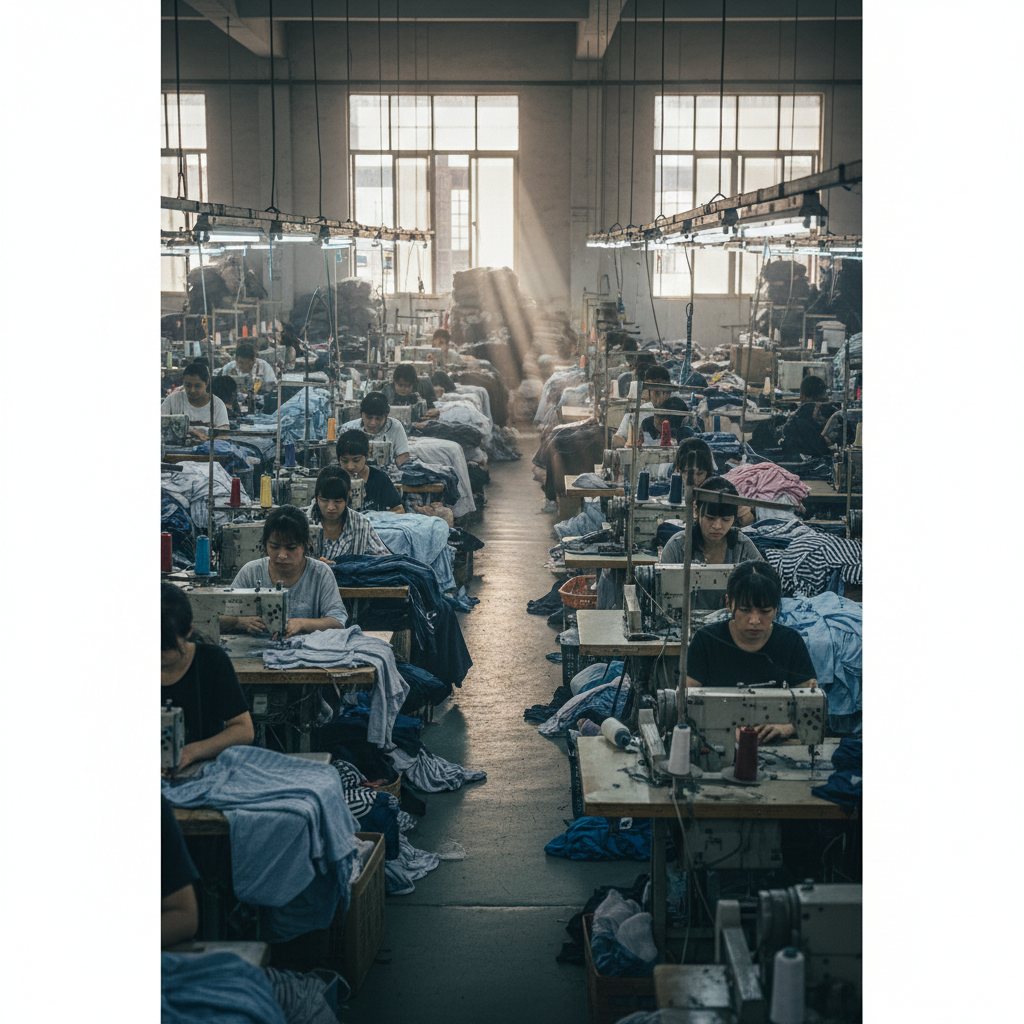
⚠ Exploitation of Labor

Poor working conditions in developing countries, "sweatshops," and lack of labor rights.

⚠ Inequality

Profits often flow to multinational corporations, widening the gap between rich and poor.

⚠ Loss of Cultural Identity

Local traditions replaced by global brands (McDonaldization).

Made byBobr AI

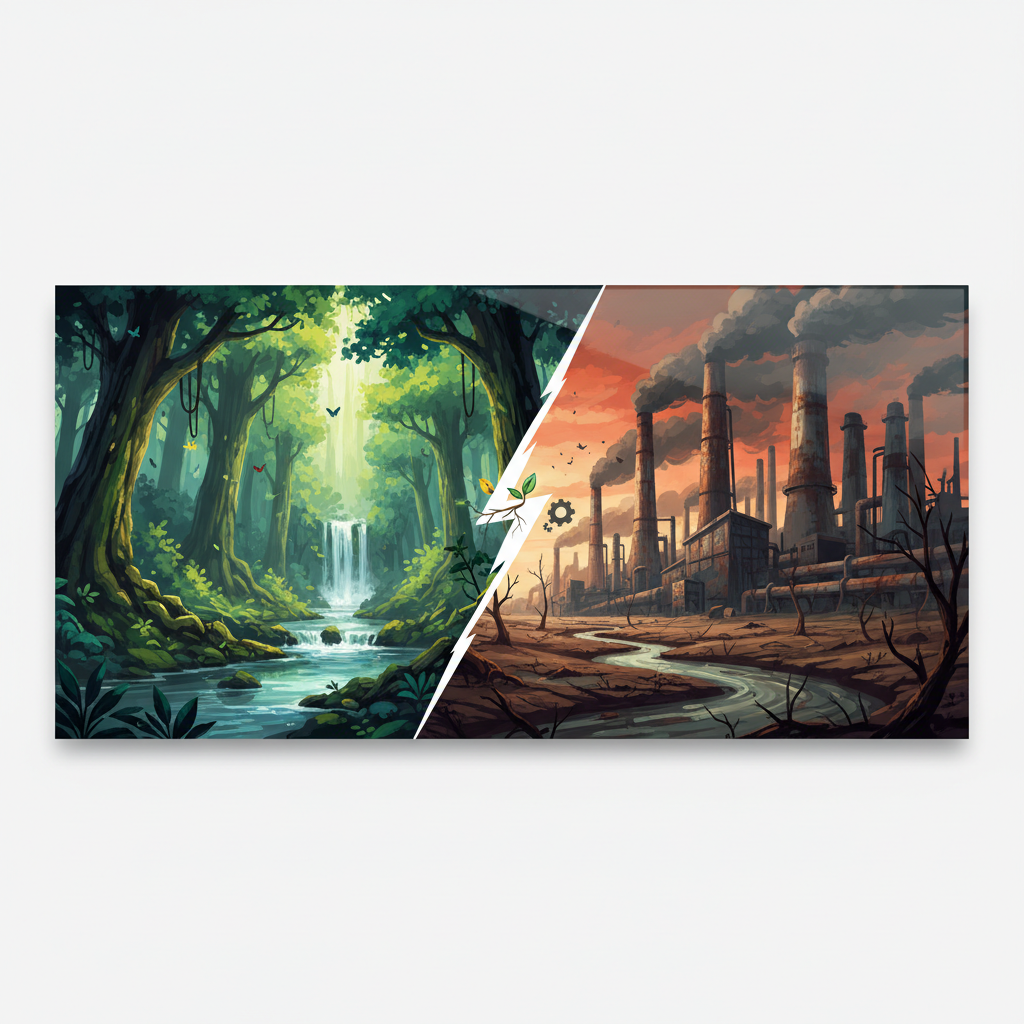
Environmental Impact

Increased Transport Emissions

Global logistics rely on fossil fuels. The shipping industry emits ~3% of global greenhouse gases.

Outsourcing Pollution

Companies move production to countries with weaker environmental regulations.

Made byBobr AI

5. Globalisation in Everyday Life

The Smartphone

Designed in California, assembled in China, screen from Korea, minerals from Africa.

Fast Fashion

T-Shirts produced in Bangladesh for European markets at rock-bottom prices.

Made byBobr AI

6. Conclusion

Globalisation is neither inherently 'good' nor 'bad'. It is a complex reality.

Outlook

While it generates wealth and connects us, it requires better international regulation to protect human rights and the environment. We cannot turn back the clock, but we can shape the future.

Made byBobr AI

Thank you for listening

Any questions?

Sources

• World Trade Organization (WTO) Data 2022
• The Economist: 'The Future of Globalisation'
• National Geographic: Environmental Impacts
Made byBobr AI
Bobr AI

DESIGNER-MADE
PRESENTATION,
GENERATED FROM
YOUR PROMPT

Create your own professional slide deck with real images, data charts, and unique design in under a minute.

Generate For Free

Impacts of Globalisation: Economic, Social & Environment

Explore the drivers, advantages, and challenges of globalization. Learn about global trade growth, economic development, and environmental sustainability.

Globalisation: A Connected World

An analysis of economic, cultural, and environmental impacts | Grade 13 GFS

Presentation Outline

01. Definition & Core Concepts

02. Drivers: Technology & Logistics

03. Economic & Social Advantages

04. Critical Perspectives: Inequality & Environment

05. Globalisation in Everyday Life

06. Conclusion

1. What is Globalisation?

Globalisation is the increasing interaction and integration among people, companies, and governments worldwide.

Driven by international trade and investment.

Aided by information technology.

2. The Drivers of Globalisation

Communication Technology

The Internet, fiber optics, and smartphones allow instantaneous global communication and real-time financial transactions.

Logistics & Transport

Containerization drastically reduced shipping costs. Approx. 90% of non-bulk cargo worldwide is moved by container.

Visualizing Global Trade Growth

Global exports of goods (in Trillion US Dollars)

3. The Advantages

Economic Efficiency

Access to a global market leads to lower consumer prices and more product variety.

Development

Investment (FDI) creates jobs in developing nations, lifting millions out of extreme poverty (e.g., China, India).

Cultural Exchange

Sharing of ideas, cuisine, art, and knowledge across borders.

4. The Disadvantages

Exploitation of Labor

Poor working conditions in developing countries, "sweatshops," and lack of labor rights.

Inequality

Profits often flow to multinational corporations, widening the gap between rich and poor.

Loss of Cultural Identity

Local traditions replaced by global brands (McDonaldization).

Environmental Impact

Increased Transport Emissions

Global logistics rely on fossil fuels. The shipping industry emits ~3% of global greenhouse gases.

Outsourcing Pollution

Companies move production to countries with weaker environmental regulations.

5. Globalisation in Everyday Life

The Smartphone

Designed in California, assembled in China, screen from Korea, minerals from Africa.

Fast Fashion

T-Shirts produced in Bangladesh for European markets at rock-bottom prices.

6. Conclusion

Globalisation is neither inherently 'good' nor 'bad'. It is a complex reality.

Outlook

While it generates wealth and connects us, it requires better international regulation to protect human rights and the environment. We cannot turn back the clock, but we can shape the future.

Thank you for listening

Any questions?

Sources

• World Trade Organization (WTO) Data 2022<br>• The Economist: 'The Future of Globalisation'<br>• National Geographic: Environmental Impacts

  • globalisation
  • international-trade
  • economic-impact
  • supply-chain
  • environmental-impact
  • global-economy
  • education