





Made byBobr AI

Managing Post-Chemotherapy Refractory Diarrhea & Colitis

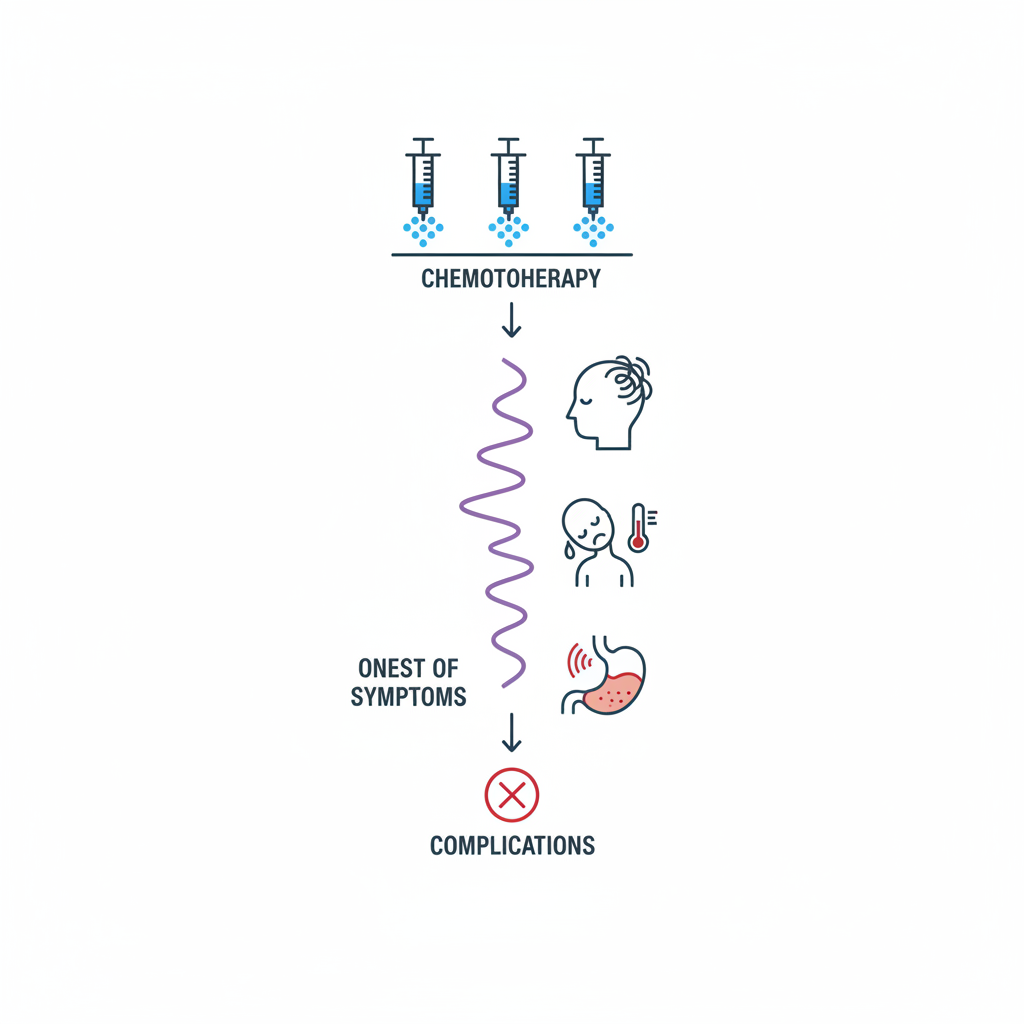
Exploration of clinical challenges in refractory diarrhea post-chemotherapy, covering C. difficile, pembrolizumab-induced colitis (irAE), and CMV colitis.

#oncology#chemotherapy-side-effects#immunotherapy-toxicities#c-difficile#clinical-case-study#pembrolizumab#medical-education
Watch
Pitch

A Multi-Hit Diagnostic Dilemma: Refractory Diarrhea Post-Chemotherapy

Navigating C. difficile, Pembrolizumab-Induced Colitis (irAE), and Opportunistic Infections


Framework: Based on UKONS, CCO, and BC Cancer Toxicity Management Standards

Presenter: [Your Name]

Made byBobr AI

Clinical Presentation & History

  • Patient: Patient: Middle-aged female, Breast Cancer
  • Context: Timeline: Day +10 post-chemotherapy (recent Pembrolizumab exposure)
  • Symptoms: Admission Symptoms: Nausea, vomiting, abdominal pain, and profuse non-bloody diarrhea (18-22 episodes/day)
  • Vitals: Initial Observations: Tachycardia (Fast Atrial Fibrillation), otherwise stable
Made byBobr AI

Initial Investigations & Toxicity Grading

Critical Findings

Laboratory Findings: CRP >400 mg/L, AKI Stage 2, Low K+ and Mg2+

CTCAE v5.0 Grading (CCO/BC Cancer)

Grade 3 Colitis: Increase of ≥ 7 stools over baseline; incontinence; hospitalization required.

Initial Response

Intervention:
Management: IV Ceftazidime (Neutropenic sepsis cover per UKONS), fluid resuscitation, electrolyte replacement.

Outcome:
Status: AKI and AF resolved. CRP began trending down.

Made byBobr AI

The 'Toxin-Negative' Diagnostic Gap

  • Microbiology: C. diff PCR (+), but Toxin (–) on multiple samples.
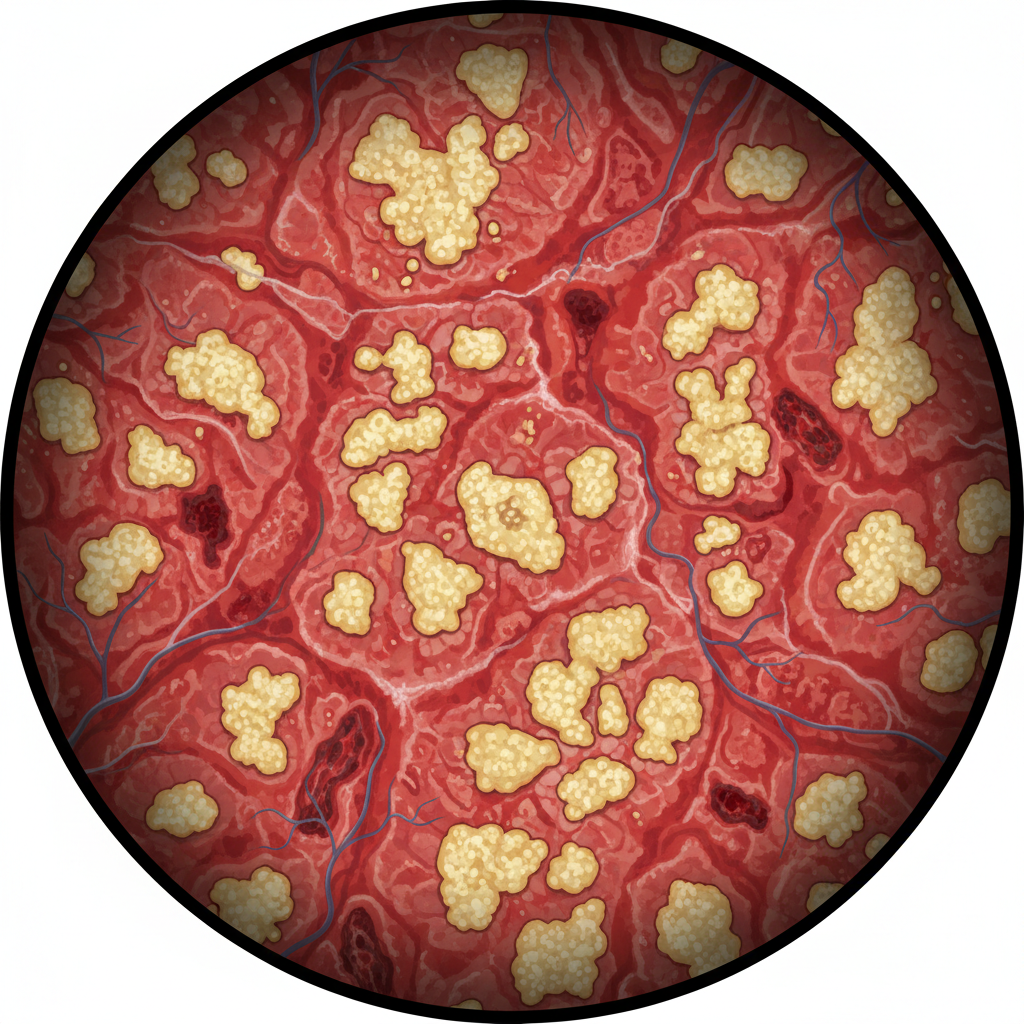
  • Endoscopy: Pseudomembranous Colitis confirmed on flexible sigmoidoscopy.
  • Key Guideline: Clinical Insight: BC Cancer/CCO guidelines state that visual pseudomembranes supersede negative toxin assays.
  • Intervention: High-dose Oral Vancomycin (250mg Q4H) and IV Metronidazole.

Endoscopic Visualization

Made byBobr AI

Differential 1: Refractory C. difficile

Definition: Persistent symptoms after 10+ days of therapy.
Mechanism of Failure: Potential 'Toxin Dilution' due to ultra-high output (20+ stools/day).

Escalation: Fecal Microbiota Transplant (FMT) consideration to restore the microbiome barrier.

Made byBobr AI

Differential 2: Pembrolizumab-Induced Colitis

Pathophysiology

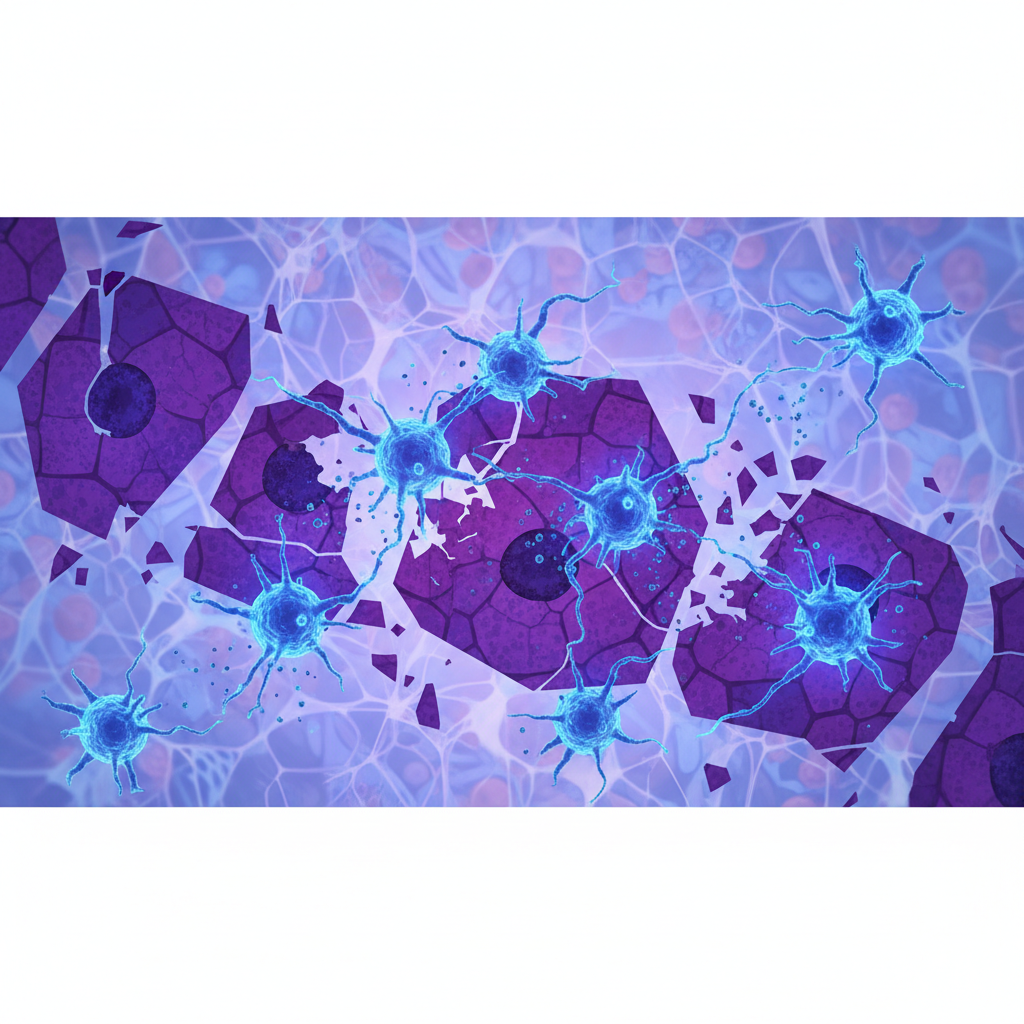
Mechanism: PD-1 inhibition leads to T-cell mediated attack on colonic mucosa.

The Double-Hit

The 'Double-Hit' Hypothesis: Chemotherapy-induced mucosal injury likely allowed Pembrolizumab-activated T-cells to aggressively infiltrate the tissue.

Histological Distinction

Histology Targets: Crypt Epithelial Cell Apoptosis and intense lymphocytic infiltration (distinct from 'Volcano' lesions typical of CDI).

Made byBobr AI

Cytomegalovirus

Differential 3: CMV Colitis

  • Context: Context: Opportunistic reactivation in immunocompromised oncology patients.
  • Diagnostics: Status: Weakly positive CMV IgM; CMV DNA PCR (Viral Load) pending.
  • Clinical Warning: BC Cancer Caveat: Mandatory rule-out of CMV before starting high-dose steroids for irAEs to prevent bowel perforation.
Made byBobr AI

The Clinical Paradox: CRP vs. Symptoms

Chart

Clinical Interpretation

  • ✅ Systemic infection (Sepsis) is suppressed.
  • ⚠️ Infectious Driver likely replaced by Immune-Mediated Organ Failure.
  • 🛡️ Normal CRP makes steroid initiation safer (reduced sepsis risk).
Made byBobr AI

Management Algorithm (Integrated Standards)

01

1. Rule Out CMV

Confirm negative blood PCR before introducing immunosuppression.

02

2. Restore Microbiome

Prioritize FMT for refractory C. diff presentations.

03

3. The Transition (CCO/BC Cancer)

Initiate IV Methylprednisolone 1-2 mg/kg. If refractory >48h: Escalate to Infliximab or Vedolizumab.

Made byBobr AI

Nursing & Supportive Care (UKONS Focus)

Triage Status

UKONS 24-Hour Triage: Patient remains in 'Red/Amber' category due to stool volume.

Metabolic Safety

Electrolyte Management: Strict monitoring of K+ and Mg2+ to prevent recurrence of AF.

Supportive Care

Skin Integrity: Proactive management of perianal skin breakdown due to high-frequency output.

Made byBobr AI

Consolidated Reference Links

  • 🔗 UK Oncology Nursing Society (UKONS): 24-Hour Triage Tool
  • 🔗 Cancer Care Ontario (CCO): Immune Checkpoint Inhibitor Toolkit
  • 🔗 BC Cancer: Management of ICI Toxicities (Section 15.6)
  • 🔗 IDSA: 2021 C. Difficile Management Update
Made byBobr AI

Discussion & Next Steps

Immediate Actions

Await CMV PCR Viral Load results. Finalize Micro/Gastro review for potential Fecal Microbiota Transplant (FMT).

The Clinical Question

"Given the normal CRP, should we proceed with a steroid trial if FMT does not yield a rapid response?"

Made byBobr AI
Bobr AI

DESIGNER-MADE
PRESENTATION,
GENERATED FROM
YOUR PROMPT

Create your own professional slide deck with real images, data charts, and unique design in under a minute.

Generate For Free

Managing Post-Chemotherapy Refractory Diarrhea & Colitis

Exploration of clinical challenges in refractory diarrhea post-chemotherapy, covering C. difficile, pembrolizumab-induced colitis (irAE), and CMV colitis.

A Multi-Hit Diagnostic Dilemma: Refractory Diarrhea Post-Chemotherapy

Navigating C. difficile, Pembrolizumab-Induced Colitis (irAE), and Opportunistic Infections

Framework: Based on UKONS, CCO, and BC Cancer Toxicity Management Standards

Presenter: [Your Name]

Clinical Presentation & History

Patient: Middle-aged female, Breast Cancer

Timeline: Day +10 post-chemotherapy (recent Pembrolizumab exposure)

Admission Symptoms: Nausea, vomiting, abdominal pain, and profuse non-bloody diarrhea (18-22 episodes/day)

Initial Observations: Tachycardia (Fast Atrial Fibrillation), otherwise stable

Initial Investigations & Toxicity Grading

Laboratory Findings: CRP >400 mg/L, AKI Stage 2, Low K+ and Mg2+

CTCAE v5.0 Grading (CCO/BC Cancer)

Grade 3 Colitis: Increase of ≥ 7 stools over baseline; incontinence; hospitalization required.

Management: IV Ceftazidime (Neutropenic sepsis cover per UKONS), fluid resuscitation, electrolyte replacement.

Status: AKI and AF resolved. CRP began trending down.

The 'Toxin-Negative' Diagnostic Gap

Microbiology: C. diff PCR (+), but Toxin (–) on multiple samples.

Endoscopy: Pseudomembranous Colitis confirmed on flexible sigmoidoscopy.

Clinical Insight: BC Cancer/CCO guidelines state that visual pseudomembranes supersede negative toxin assays.

Intervention: High-dose Oral Vancomycin (250mg Q4H) and IV Metronidazole.

Differential 1: Refractory C. difficile

Definition: Persistent symptoms after 10+ days of therapy.

Mechanism of Failure: Potential 'Toxin Dilution' due to ultra-high output (20+ stools/day).

Escalation: Fecal Microbiota Transplant (FMT) consideration to restore the microbiome barrier.

Differential 2: Pembrolizumab-Induced Colitis

Mechanism: PD-1 inhibition leads to T-cell mediated attack on colonic mucosa.

The 'Double-Hit' Hypothesis: Chemotherapy-induced mucosal injury likely allowed Pembrolizumab-activated T-cells to aggressively infiltrate the tissue.

Histology Targets: Crypt Epithelial Cell Apoptosis and intense lymphocytic infiltration (distinct from 'Volcano' lesions typical of CDI).

Differential 3: CMV Colitis

Context: Opportunistic reactivation in immunocompromised oncology patients.

Status: Weakly positive CMV IgM; CMV DNA PCR (Viral Load) pending.

BC Cancer Caveat: Mandatory rule-out of CMV before starting high-dose steroids for irAEs to prevent bowel perforation.

The Clinical Paradox: CRP vs. Symptoms

Clinical Interpretation

Systemic infection (Sepsis) is suppressed.

Infectious Driver likely replaced by Immune-Mediated Organ Failure.

Normal CRP makes steroid initiation safer (reduced sepsis risk).

Management Algorithm (Integrated Standards)

1. Rule Out CMV

Confirm negative blood PCR before introducing immunosuppression.

2. Restore Microbiome

Prioritize FMT for refractory C. diff presentations.

3. The Transition (CCO/BC Cancer)

Initiate IV Methylprednisolone 1-2 mg/kg. If refractory >48h: Escalate to Infliximab or Vedolizumab.

Nursing & Supportive Care (UKONS Focus)

UKONS 24-Hour Triage: Patient remains in 'Red/Amber' category due to stool volume.

Electrolyte Management: Strict monitoring of K+ and Mg2+ to prevent recurrence of AF.

Skin Integrity: Proactive management of perianal skin breakdown due to high-frequency output.

Consolidated Reference Links

UK Oncology Nursing Society (UKONS): 24-Hour Triage Tool

Cancer Care Ontario (CCO): Immune Checkpoint Inhibitor Toolkit

BC Cancer: Management of ICI Toxicities (Section 15.6)

IDSA: 2021 C. Difficile Management Update

Discussion & Next Steps

Immediate Actions

Await CMV PCR Viral Load results. Finalize Micro/Gastro review for potential Fecal Microbiota Transplant (FMT).

The Clinical Question

Given the normal CRP, should we proceed with a steroid trial if FMT does not yield a rapid response?

  • oncology
  • chemotherapy-side-effects
  • immunotherapy-toxicities
  • c-difficile
  • clinical-case-study
  • pembrolizumab
  • medical-education