

Made byBobr AI

Lymphatic Filariasis (Elephantiasis): Causes & Treatment

Explore the transmission, symptoms, risk factors, and WHO elimination strategies for Lymphatic Filariasis and Elephantiasis in this medical overview.

#elephantiasis#lymphatic-filariasis#tropical-disease#mosquito-borne-diseases#public-health#epidemiology
Watch
Pitch
Neglected Tropical Disease

ELEPHANTIASIS

Lymphatic Filariasis — Disease Overview

Transmission   ·   Symptoms   ·   Treatment   ·   Epidemiology
Made byBobr AI

TRANSMISSION

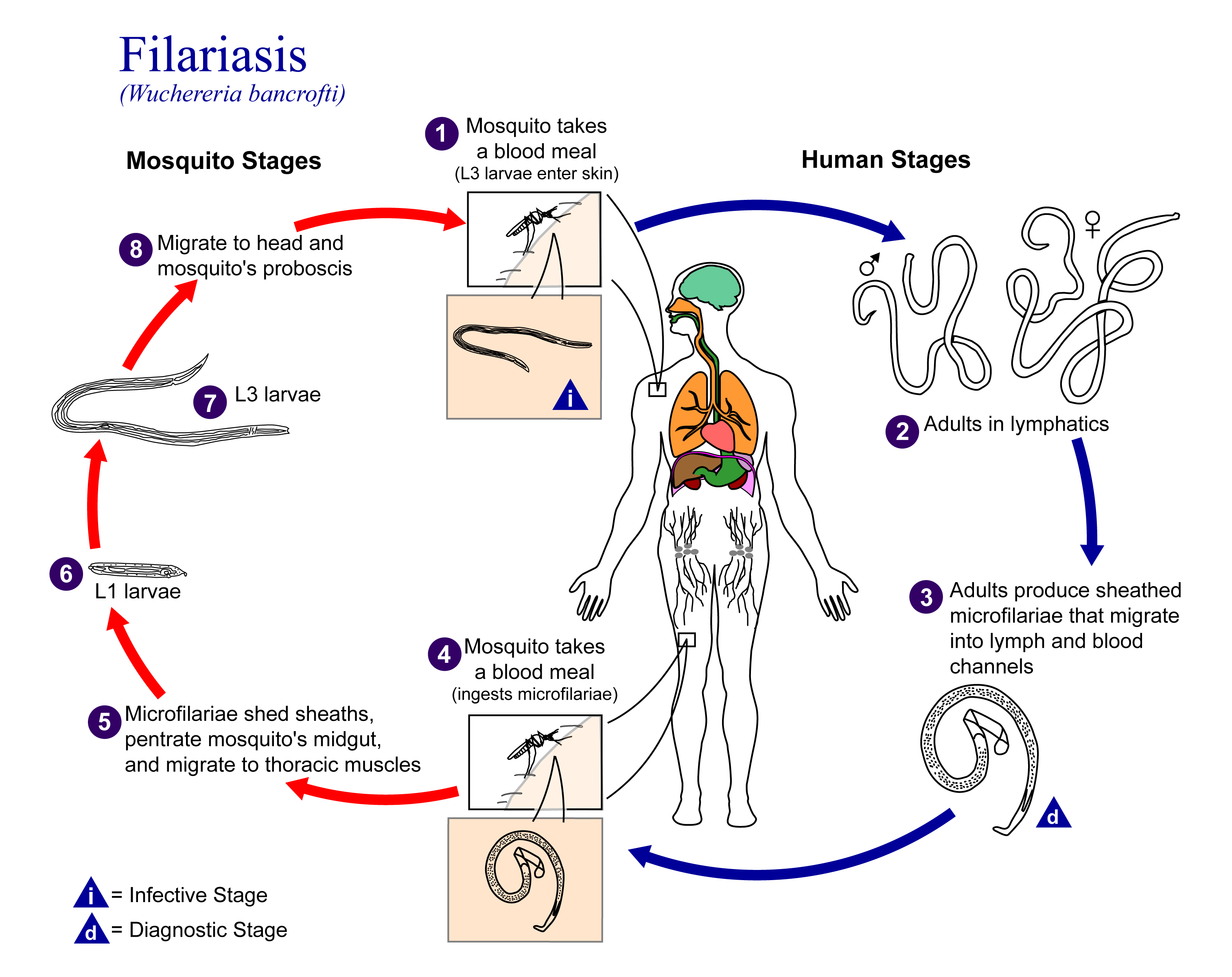
The disease is caused by parasitic filarial worms (Wuchereria bancrofti — 90% of cases, Brugia malayi, Brugia timori).
It is transmitted ONLY through mosquito bites (NOT person to person).
1
Infected person has microfilariae (immature larvae) circulating in the blood.
2
Mosquito (Culex, Anopheles, Aedes, or Mansonia) bites infected person, ingesting microfilariae.
3
Microfilariae develop into infective 3rd-stage larvae inside the mosquito (10–14 days).
4
Mosquito bites a new human host — larvae enter through the bite wound.
5
Larvae migrate to lymphatic vessels and mature into adult worms (3–12 months).
6
Adult female worms release millions of microfilariae into the bloodstream — cycle repeats.
Key Concept
Repeated bites over months/years are typically required for infection. Microfilariae show NOCTURNAL PERIODICITY — peak in bloodstream at night.
Life Cycle of Filarial Worms
Main Vector
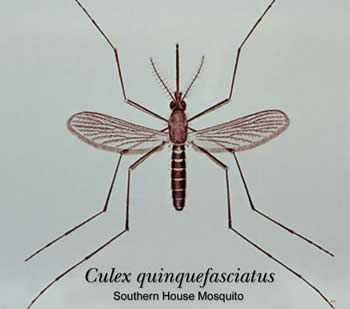
Culex Mosquito
Ingests microfilariae which develop into infective 3rd-stage larvae over 10–14 days.
Made byBobr AI
Disease Timeline

Incubation Period

Definition

The incubation period is the time between exposure to the pathogen and the onset of symptoms.

1
Day 0
Mosquito Bite
2
10–14 Days
Larvae Develop in Mosquito
3
3–12 Months
Worms Mature in Host
4
Months to Years
Symptoms Appear

Adult worms live 5–8 years inside the host, continuously releasing microfilariae

~66% of infected people remain completely ASYMPTOMATIC — yet still suffer hidden lymphatic and kidney damage

Microfilariae show NOCTURNAL PERIODICITY — peak concentration in blood occurs at night

!
Silent progression — most infected individuals are unaware they carry the parasite.
Made byBobr AI
Disease Progression

SYMPTOMS

PHASE 1 — ASYMPTOMATIC (≈66% of cases)

  • No visible symptoms
  • Hidden lymphatic and kidney damage
  • Immune system changes occurring silently

PHASE 2 — ACUTE SYMPTOMS

  • Fever and skin inflammation
  • Lymphangitis (inflammation of lymph vessels)
  • Lymphadenopathy (enlarged lymph nodes)
  • Pain in limbs/genitals; acute episodes typically last 4–7 days

PHASE 3 — CHRONIC SYMPTOMS

  • Lymphedema — severe tissue swelling of arms, legs, genitals, and breasts
  • Elephantiasis — extreme skin thickening with pitted, hardened texture
  • Hydrocele — fluid accumulation causing scrotal swelling (in men)
  • Tropical Pulmonary Eosinophilia — rare condition marked by cough and wheezing
  • Secondary bacterial or fungal infections can severely worsen the condition
Lymphatic Filariasis   ·   Clinical Manifestations   ·   Pathophysiology
Made byBobr AI
Vulnerability Index

Risk Factors

Geographic Location

Living in or travelling to endemic tropical/subtropical regions: Sub-Saharan Africa, South/Southeast Asia (India, Bangladesh, Indonesia), Pacific Islands, Caribbean, and parts of South America.

Repeated Mosquito Exposure

Frequent, prolonged bites over months or years in endemic areas; outdoor exposure at night during peak mosquito activity.

Childhood Infection

Infection during childhood leads to significantly more severe long-term lymphatic dysfunction and tissue damage.

Poverty & Poor Housing

Limited access to insecticide-treated bed nets, poor sanitation, and open water sources providing prime mosquito breeding grounds.

Lack of Preventive Treatment

Not participating in widespread mass drug administration (MDA) programs increases individual and community risk.

Weakened Immune System

Conditions that compromise the immune system broadly increase susceptibility and greatly accelerate the severity of contraction.

Secondary Bacterial Infections

Poor wound care and hygiene lead to recurrent bacterial infections, physically worsening lymphedema and the hardening of tissues.

Elephantiasis   ·   Lymphatic Filariasis   ·   Disease Mechanics
Made byBobr AI

Potential Complications

1
Permanent Lymphedema
Irreversible swelling of limbs, genitals, or breasts; progressive and disabling
2
Elephantiasis
Extreme skin thickening and hardening; loss of limb function; severe disfigurement
3
Hydrocele
Chronic fluid build-up in the scrotum; affects millions of men worldwide
4
Recurrent Bacterial & Fungal Infections (ADLA)
Secondary infections accelerate lymphatic damage; fever, pain, skin breakdown
5
Tropical Pulmonary Eosinophilia (TPE)
Lung involvement: chronic cough, wheezing, interstitial lung disease if untreated
6
Kidney Damage
Subclinical renal impairment: haematuria and proteinuria from microfilariae
7
Psychosocial Impact
Severe stigma, social isolation, depression, inability to work; profound socioeconomic burden
8
Reduced Immune Function
Increased vulnerability to other infections
~25 million  men affected by hydrocele        |        ~15 million  people living with lymphedema globally
Made byBobr AI

Treatment & Management

Drug Treatments (Antiparasitic)

Diethylcarbamazine (DEC) — 6 mg/kg/day for 12 days; kills microfilariae and some adult worms; first-line treatment
Ivermectin — Kills microfilariae; used in MDA programs; combined with albendazole
Albendazole — Targets adult worms; used in combination therapy
Triple Therapy (IDA): Ivermectin + DEC + Albendazole — most effective MDA regimen; single annual dose

Note: No drug fully eliminates all adult worms; repeated treatment needed

Morbidity Management & Other Therapies

Limb hygiene protocol — Daily washing with soap and water; reduces secondary infections
Limb elevation and lymphatic drainage exercises
Compression bandaging/stockings
Antibiotics — For acute bacterial infections (ADLA episodes)
Antifungal treatment — For fungal skin infections
Hydrocelectomy — Surgical removal of hydrocele fluid
Psychological support — Counselling for stigma and social isolation
Vector control — Insecticide-treated bed nets, indoor spraying
Clinical Care   ·   Intervention Protocols   ·   Patient Support
Made byBobr AI

Vaccination & Control Programs

Vaccination

No vaccine currently exists for lymphatic filariasis.
Research is ongoing but limited; there is no approved immunisation program.
NO VACCINE AVAILABLE

Control Programs

WHO Global Programme to Eliminate Lymphatic Filariasis (GPELF) — launched 2000

Goal Eliminate LF as a public health problem by 2030

1 Mass Drug Administration (MDA)

Annual single-dose treatment of entire at-risk populations in endemic areas regardless of infection status; regimens: IDA, or ivermectin + albendazole.

2 Morbidity Management & Disability Prevention (MMDP)

Implementing hygiene protocols, delivering care packages, and providing surgery access for existing cases.

Vector Control Insecticide-treated nets (ITNs), larval management, spraying.
Surveillance Rigorous post-MDA monitoring to confirm elimination.
Community Ed Local health promotion and community engagement.
Over 9.7 billion treatments delivered  •  21+ countries achieved elimination  •  ~$100 billion in economic losses averted
Made byBobr AI

EPIDEMIOLOGY

657 Million
People in 39 countries requiring preventive chemotherapy (2023)
36 Million
People with chronic disease (lymphedema or hydrocele)
15 Million
People with lymphedema globally
25 Million
Men with hydrocele globally

Geographic Distribution

  • 90% of cases caused by Wuchereria bancrofti
  • Remaining 10%: Brugia malayi (Asia) and Brugia timori (Indonesia)
  • Endemic regions: Sub-Saharan Africa (~40% of global burden), South Asia (India = largest), Southeast Asia, Pacific Islands, Caribbean, parts of South America

Global MDA Progress

Year Infected Countries Needing MDA
2000 ~199 million 81
2018 ~51 million declining
2023 ~36 million chronic 39

WHO Elimination Targets

  • 21+ countries have achieved elimination as a public health problem
  • India: 99.4% W. bancrofti cases; extensive MDA programs ongoing
  • Global Target: 80% countries reach elimination by 2030
Made byBobr AI

Pathogen & Disease Images

Wuchereria bancrofti — the filarial worm responsible for ~90% of lymphatic filariasis cases (CDC)
Life cycle of W. bancrofti — from mosquito vector to human host (CDC/Wikipedia)
Clinical elephantiasis — severe lymphedema of the lower limbs

Wuchereria bancrofti adult worms are thread-like, 4–10 cm long. Microfilariae are ~250 μm. Adult worms live 5–8 years in the lymphatic system.

LYMPHATIC FILARIASIS   ·   PATHOGENICITY OVERVIEW
Made byBobr AI
Bobr AI

DESIGNER-MADE
PRESENTATION,
GENERATED FROM
YOUR PROMPT

Create your own professional slide deck with real images, data charts, and unique design in under a minute.

Generate For Free

Lymphatic Filariasis (Elephantiasis): Causes & Treatment

Explore the transmission, symptoms, risk factors, and WHO elimination strategies for Lymphatic Filariasis and Elephantiasis in this medical overview.

Neglected Tropical Disease

ELEPHANTIASIS

Lymphatic Filariasis — Disease Overview

Transmission   ·   Symptoms   ·   Treatment   ·   Epidemiology

TRANSMISSION

The disease is caused by parasitic filarial worms (<strong>Wuchereria bancrofti</strong> &mdash; 90% of cases, <strong>Brugia malayi</strong>, <strong>Brugia timori</strong>).

It is transmitted <span style="color: #0ecfca; font-weight: 700;">ONLY through mosquito bites</span> (NOT person to person).

Infected person has microfilariae (immature larvae) circulating in the blood.

Mosquito (Culex, Anopheles, Aedes, or Mansonia) bites infected person, ingesting microfilariae.

Microfilariae develop into infective 3rd-stage larvae inside the mosquito (10&ndash;14 days).

Mosquito bites a new human host &mdash; larvae enter through the bite wound.

Larvae migrate to lymphatic vessels and mature into adult worms (3&ndash;12 months).

Adult female worms release millions of microfilariae into the bloodstream &mdash; cycle repeats.

Repeated bites over months/years are typically required for infection. Microfilariae show <span style="color: #0ecfca; font-weight: 600;">NOCTURNAL PERIODICITY</span> &mdash; peak in bloodstream at night.

Incubation Period

The incubation period is the time between exposure to the pathogen and the onset of symptoms.

Mosquito Bite

Day 0

Larvae Develop in Mosquito

10–14 Days

Worms Mature in Host

3–12 Months

Symptoms Appear

Months to Years

Adult worms live 5–8 years inside the host, continuously releasing microfilariae

<span style="color: #0ecfca; font-weight: 700;">~66%</span> of infected people remain completely <span style="color: #0ecfca; font-weight: 700;">ASYMPTOMATIC</span> — yet still suffer hidden lymphatic and kidney damage

Microfilariae show <span style="color: #0ecfca; font-weight: 700;">NOCTURNAL PERIODICITY</span> — peak concentration in blood occurs at night

<span style="color: #0ecfca; font-weight: 700;">Silent progression</span> &mdash; most infected individuals are unaware they carry the parasite.

Disease Progression

SYMPTOMS

PHASE 1 — ASYMPTOMATIC (≈66% of cases)

No visible symptoms

Hidden lymphatic and kidney damage

Immune system changes occurring silently

PHASE 2 — ACUTE SYMPTOMS

Fever and skin inflammation

Lymphangitis (inflammation of lymph vessels)

Lymphadenopathy (enlarged lymph nodes)

Pain in limbs/genitals; acute episodes typically last 4–7 days

PHASE 3 — CHRONIC SYMPTOMS

Lymphedema — severe tissue swelling of arms, legs, genitals, and breasts

Elephantiasis — extreme skin thickening with pitted, hardened texture

Hydrocele — fluid accumulation causing scrotal swelling (in men)

Tropical Pulmonary Eosinophilia — rare condition marked by cough and wheezing

Secondary bacterial or fungal infections can severely worsen the condition

Lymphatic Filariasis &nbsp; &middot; &nbsp; Clinical Manifestations &nbsp; &middot; &nbsp; Pathophysiology

Risk Factors

Geographic Location

Living in or travelling to endemic tropical/subtropical regions: Sub-Saharan Africa, South/Southeast Asia (India, Bangladesh, Indonesia), Pacific Islands, Caribbean, and parts of South America.

Repeated Mosquito Exposure

Frequent, prolonged bites over months or years in endemic areas; outdoor exposure at night during peak mosquito activity.

Childhood Infection

Infection during childhood leads to significantly more severe long-term lymphatic dysfunction and tissue damage.

Poverty & Poor Housing

Limited access to insecticide-treated bed nets, poor sanitation, and open water sources providing prime mosquito breeding grounds.

Lack of Preventive Treatment

Not participating in widespread mass drug administration (MDA) programs increases individual and community risk.

Weakened Immune System

Conditions that compromise the immune system broadly increase susceptibility and greatly accelerate the severity of contraction.

Secondary Bacterial Infections

Poor wound care and hygiene lead to recurrent bacterial infections, physically worsening lymphedema and the hardening of tissues.

Elephantiasis &nbsp; &middot; &nbsp; Lymphatic Filariasis &nbsp; &middot; &nbsp; Disease Mechanics

Potential Complications

Permanent Lymphedema

Irreversible swelling of limbs, genitals, or breasts; progressive and disabling

Elephantiasis

Extreme skin thickening and hardening; loss of limb function; severe disfigurement

Hydrocele

Chronic fluid build-up in the scrotum; affects millions of men worldwide

Recurrent Bacterial & Fungal Infections (ADLA)

Secondary infections accelerate lymphatic damage; fever, pain, skin breakdown

Tropical Pulmonary Eosinophilia (TPE)

Lung involvement: chronic cough, wheezing, interstitial lung disease if untreated

Kidney Damage

Subclinical renal impairment: haematuria and proteinuria from microfilariae

Psychosocial Impact

Severe stigma, social isolation, depression, inability to work; profound socioeconomic burden

Reduced Immune Function

Increased vulnerability to other infections

<span style="color: #0ecfca; font-weight: 800; font-size: 32px;">~25 million</span>&nbsp; men affected by hydrocele &nbsp;&nbsp;&nbsp;&nbsp;&nbsp;&nbsp; <span style="color: rgba(14, 207, 202, 0.4); font-size: 28px;">|</span> &nbsp;&nbsp;&nbsp;&nbsp;&nbsp;&nbsp; <span style="color: #0ecfca; font-weight: 800; font-size: 32px;">~15 million</span>&nbsp; people living with lymphedema globally

Treatment & Management

Drug Treatments (Antiparasitic)

Morbidity Management & Other Therapies

Clinical Care &nbsp; &middot; &nbsp; Intervention Protocols &nbsp; &middot; &nbsp; Patient Support

Vaccination & Control Programs

Vaccination

No vaccine currently exists for lymphatic filariasis.

Research is ongoing but limited; there is no approved immunisation program.

NO VACCINE AVAILABLE

Control Programs

WHO Global Programme to Eliminate Lymphatic Filariasis (GPELF) — launched 2000

Eliminate LF as a public health problem by 2030

Mass Drug Administration (MDA)

Annual single-dose treatment of entire at-risk populations in endemic areas regardless of infection status; regimens: IDA, or ivermectin + albendazole.

Morbidity Management & Disability Prevention (MMDP)

Implementing hygiene protocols, delivering care packages, and providing surgery access for existing cases.

Vector Control

Insecticide-treated nets (ITNs), larval management, spraying.

Surveillance

Rigorous post-MDA monitoring to confirm elimination.

Community Ed

Local health promotion and community engagement.

Over 9.7 billion treatments delivered &nbsp;&bull;&nbsp; 21+ countries achieved elimination &nbsp;&bull;&nbsp; ~$100 billion in economic losses averted

EPIDEMIOLOGY

657 Million

People in 39 countries requiring preventive chemotherapy (2023)

36 Million

People with chronic disease (lymphedema or hydrocele)

15 Million

People with lymphedema globally

25 Million

Men with hydrocele globally

Pathogen & Disease Images

Wuchereria bancrofti — the filarial worm responsible for ~90% of lymphatic filariasis cases (CDC)

Life cycle of W. bancrofti — from mosquito vector to human host (CDC/Wikipedia)

Clinical elephantiasis — severe lymphedema of the lower limbs

Wuchereria bancrofti adult worms are thread-like, 4–10 cm long. Microfilariae are ~250 μm. Adult worms live 5–8 years in the lymphatic system.

  • elephantiasis
  • lymphatic-filariasis
  • tropical-disease
  • mosquito-borne-diseases
  • public-health
  • epidemiology