

Made byBobr AI

Rick Griffin: Life and Art of a Psychedelic Pioneer

Explore the legendary career of Rick Griffin, from California surf culture and Murphy comics to iconic Grateful Dead posters and underground comix.

#rick-griffin#psychedelic-art#grateful-dead#surf-culture#concert-posters#underground-comix#flying-eyeball
Watch
Pitch
1944 – 1991

RICK GRIFFIN

Life & Art of a Psychedelic Pioneer

Made byBobr AI

Early Life & Surf Roots

Born June 18, 1944, near Palos Verdes, California
Grew up immersed in Southern California surf culture
Started surfing at age 14 at Torrance Beach
Father's amateur archaeology exposed him to Native American artifacts
Comics like MAD Magazine inspired his rebellious artistic style
Drew surfer cartoons at Nathaniel Narbonne High School
Made byBobr AI

Murphy & Surfer Magazine

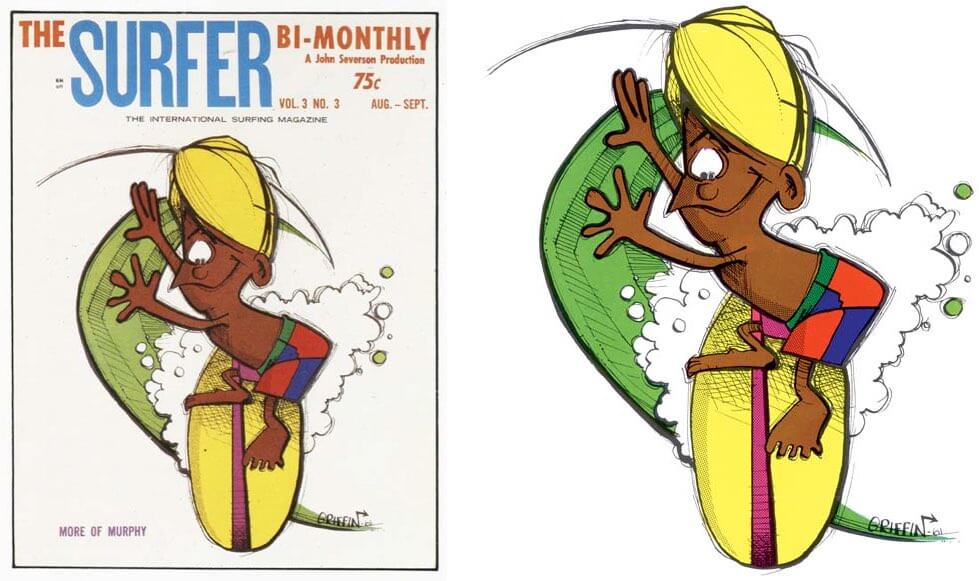
In 1961, Griffin created the beloved "Murphy" comic strip for Surfer Magazine
Murphy: a lovable, wide-eyed surfer kid character that became iconic in surf culture
Griffin became Surfer's official staff cartoonist
A 1963 car crash scarred his face and shifted his artistic style toward denser, more psychedelic imagery
1964–1966: attended Chouinard Art Institute (now CalArts)
Met his future wife Ida Pfefferle and artist-musician group the Jook Savages
Attended Ken Kesey's famous Acid Tests
Made byBobr AI

SAN FRANCISCO

& THE PSYCHEDELIC EXPLOSION

1966: Relocated to San Francisco
1967: Designed posters for the Human Be-In at Golden Gate Park
Created concert posters for Chet Helms' Family Dog / Avalon Ballroom
Also designed for Bill Graham's Fillmore concert series
One of the "Big Five" psychedelic poster artists
Produced over 100 concert posters
Used Rapidograph pens and three-color lithography
Made byBobr AI
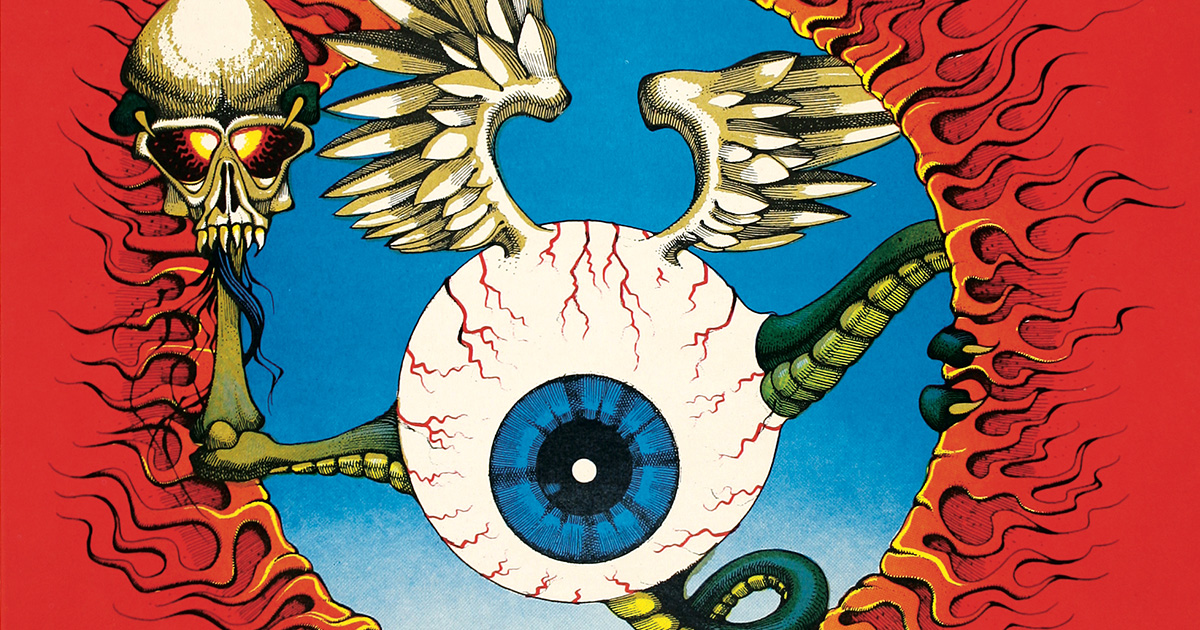
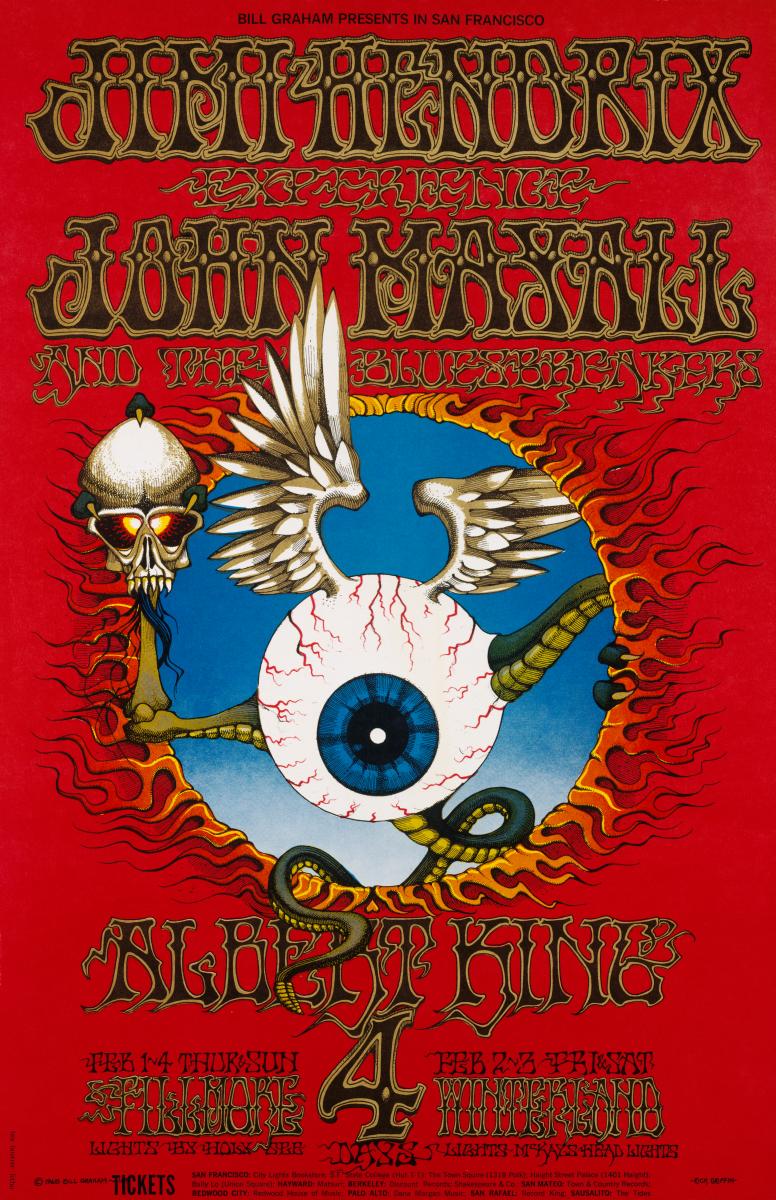
Created in 1968 for a Jimi Hendrix concert poster (BG-105)
The Flying Eyeball: a winged flaming eyeball — surreal and instantly recognizable
Became one of the most collected concert posters in history
Now in museum collections including the Metropolitan Museum of Art
Blended Griffin's surf imagery with psychedelic surrealism
Defined the visual language of the 1960s counterculture

THE FLYING EYEBALL

An Iconic Symbol

Made byBobr AI

& UNDERGROUND COMIX

THE GRATEFUL DEAD

Founding member of Zap Comix from 1968 (issues #2–14)
Contributed to Snatch Comics, Tales from the Tube, Man from Utopia
Blended surrealism with counterculture themes in comics
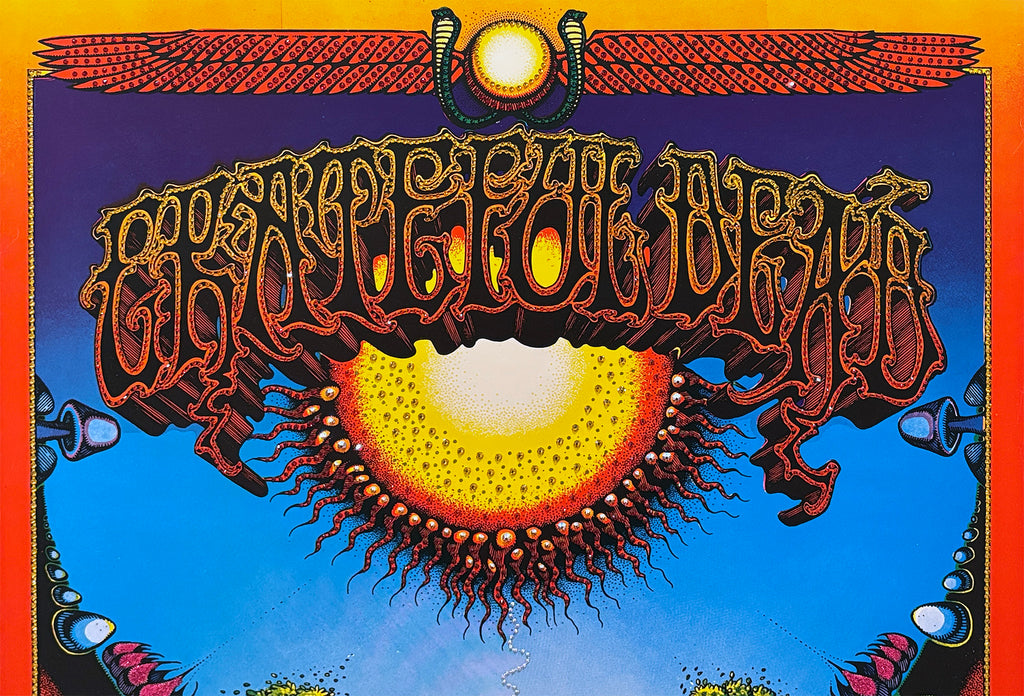
Designed the iconic Grateful Dead Aoxomoxoa album cover (1969)
Jerry Garcia praised the cover's psychedelic authenticity
Designed Rolling Stone magazine's original lettering/logo
Created multiple Grateful Dead concert posters through the 1970s–80s
Made byBobr AI

FAITH, ART & LATER YEARS

Spiritual Awakening: In 1970, Griffin became a born-again Christian, deeply transforming his artistic themes.
Biblical Illustration: Illustrated Maranatha! Music's Gospel of John with punk-infused resurrection imagery.
Evolving Aesthetics: Moved to San Clemente, blending surf painting with Christian fine art (e.g., "Sail on Sailor").
Secular & Sacred: Continued Grateful Dead art into the 80s, while his faith profoundly influenced his visual language with divine light and spiritual symbolism.

Remained connected to surf culture throughout his life

Made byBobr AI

LEGACY OF A VISIONARY

Died August 18, 1991 (age 47) from injuries in a motorcycle crash
Ashes scattered at his beloved "Mystos" surf spot
Influenced generations of artists including Roger Dean and Mark Wilkinson
Work collected in the Metropolitan Museum of Art and MoMA
2025: Collaborations with Levi's, Dr. Martens, and Hurley
Dead & Co. used his art as tour backdrops
Book "Heart and Torch" (2007) documents his transcendent career
His art bridges surf culture, psychedelia, underground comix and spiritual art
Surfer. Cartoonist. Psychedelic Visionary. Spiritual Artist.
Made byBobr AI
Bobr AI

DESIGNER-MADE
PRESENTATION,
GENERATED FROM
YOUR PROMPT

Create your own professional slide deck with real images, data charts, and unique design in under a minute.

Generate For Free

Rick Griffin: Life and Art of a Psychedelic Pioneer

Explore the legendary career of Rick Griffin, from California surf culture and Murphy comics to iconic Grateful Dead posters and underground comix.

RICK GRIFFIN

Life & Art of a Psychedelic Pioneer

1944 – 1991

Early Life & Surf Roots

Born June 18, 1944, near Palos Verdes, California

Grew up immersed in Southern California surf culture

Started surfing at age 14 at Torrance Beach

Father's amateur archaeology exposed him to Native American artifacts

Comics like MAD Magazine inspired his rebellious artistic style

Drew surfer cartoons at Nathaniel Narbonne High School

Murphy & Surfer Magazine

In 1961, Griffin created the beloved "Murphy" comic strip for Surfer Magazine

Murphy: a lovable, wide-eyed surfer kid character that became iconic in surf culture

Griffin became Surfer's official staff cartoonist

A 1963 car crash scarred his face and shifted his artistic style toward denser, more psychedelic imagery

1964–1966: attended Chouinard Art Institute (now CalArts)

Met his future wife Ida Pfefferle and artist-musician group the Jook Savages

Attended Ken Kesey's famous Acid Tests

SAN FRANCISCO

& THE PSYCHEDELIC EXPLOSION

1966: Relocated to San Francisco

1967: Designed posters for the Human Be-In at Golden Gate Park

Created concert posters for Chet Helms' Family Dog / Avalon Ballroom

Also designed for Bill Graham's Fillmore concert series

One of the "Big Five" psychedelic poster artists

Produced over 100 concert posters

Used Rapidograph pens and three-color lithography

THE FLYING EYEBALL

An Iconic Symbol

Created in 1968 for a Jimi Hendrix concert poster (BG-105)

The Flying Eyeball: a winged flaming eyeball — surreal and instantly recognizable

Became one of the most collected concert posters in history

Now in museum collections including the Metropolitan Museum of Art

Blended Griffin's surf imagery with psychedelic surrealism

Defined the visual language of the 1960s counterculture

THE GRATEFUL DEAD

& UNDERGROUND COMIX

Founding member of Zap Comix from 1968 (issues #2–14)

Contributed to Snatch Comics, Tales from the Tube, Man from Utopia

Blended surrealism with counterculture themes in comics

Designed the iconic Grateful Dead Aoxomoxoa album cover (1969)

Jerry Garcia praised the cover's psychedelic authenticity

Designed Rolling Stone magazine's original lettering/logo

Created multiple Grateful Dead concert posters through the 1970s–80s

FAITH, ART & LATER YEARS

<strong>Spiritual Awakening:</strong> In 1970, Griffin became a born-again Christian, deeply transforming his artistic themes.

<strong>Biblical Illustration:</strong> Illustrated Maranatha! Music's <em>Gospel of John</em> with punk-infused resurrection imagery.

<strong>Evolving Aesthetics:</strong> Moved to San Clemente, blending surf painting with Christian fine art (e.g., <em>"Sail on Sailor"</em>).

<strong>Secular & Sacred:</strong> Continued Grateful Dead art into the 80s, while his faith profoundly influenced his visual language with divine light and spiritual symbolism.

Remained connected to surf culture throughout his life

LEGACY OF A VISIONARY

Died August 18, 1991 (age 47) from injuries in a motorcycle crash

Ashes scattered at his beloved "Mystos" surf spot

Influenced generations of artists including Roger Dean and Mark Wilkinson

Work collected in the Metropolitan Museum of Art and MoMA

2025: Collaborations with Levi's, Dr. Martens, and Hurley

Dead & Co. used his art as tour backdrops

Book "Heart and Torch" (2007) documents his transcendent career

His art bridges surf culture, psychedelia, underground comix and spiritual art

Surfer. Cartoonist. Psychedelic Visionary. Spiritual Artist.

  • rick-griffin
  • psychedelic-art
  • grateful-dead
  • surf-culture
  • concert-posters
  • underground-comix
  • flying-eyeball