





















Ozone Depletion: Causes, Impacts, and Global Recovery
Explore the science of the ozone layer, the causes of its depletion, the impact of UV radiation on health and ecosystems, and the success of the Montreal Protocol.
OZONE DEPLETION
& Its Environmental Impacts
Understanding the Crisis Above Our Skies
Environmental Science | Global Impact | April 2026
What is the Ozone Layer?
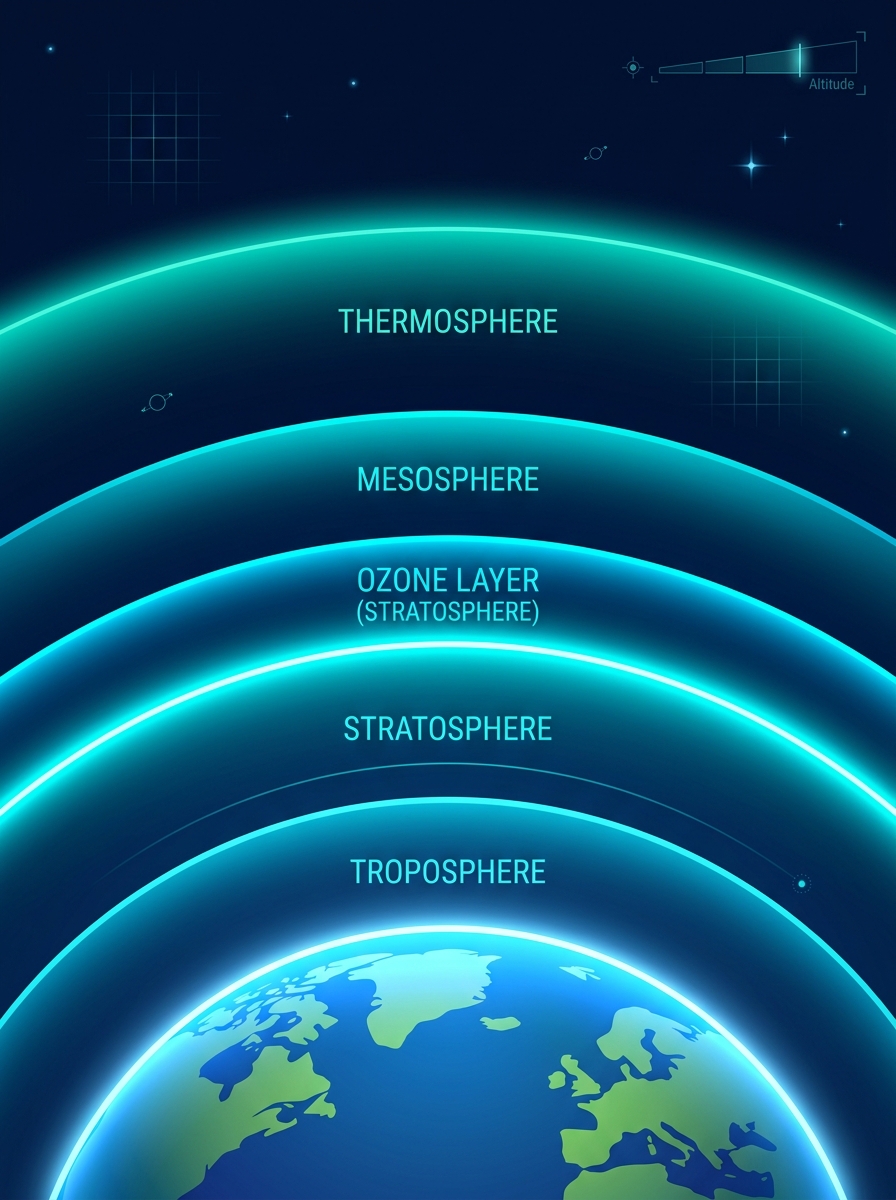
A thin shield of O₃ (ozone) molecules in the stratosphere
Located 15–35 km above Earth's surface
Absorbs 97–99% of harmful UV-B and UV-C radiation
Formed naturally through photochemical reactions with oxygen
Without the ozone layer, life on Earth as we know it could not exist.
Causes of Ozone Depletion
CFCs (Chlorofluorocarbons)
From aerosols, refrigerants, and foam packaging
HCFCs & HFCs
Industrial chemicals widely used as CFC substitutes
Halons
Chemical compounds primarily used in fire extinguishers
Nitrous Oxide (N₂O)
Emissions from agricultural fertilizers and agriculture
Cl + O₃ → ClO + O₂
Destructive Potential
"One chlorine atom can destroy over 100,000 ozone molecules"
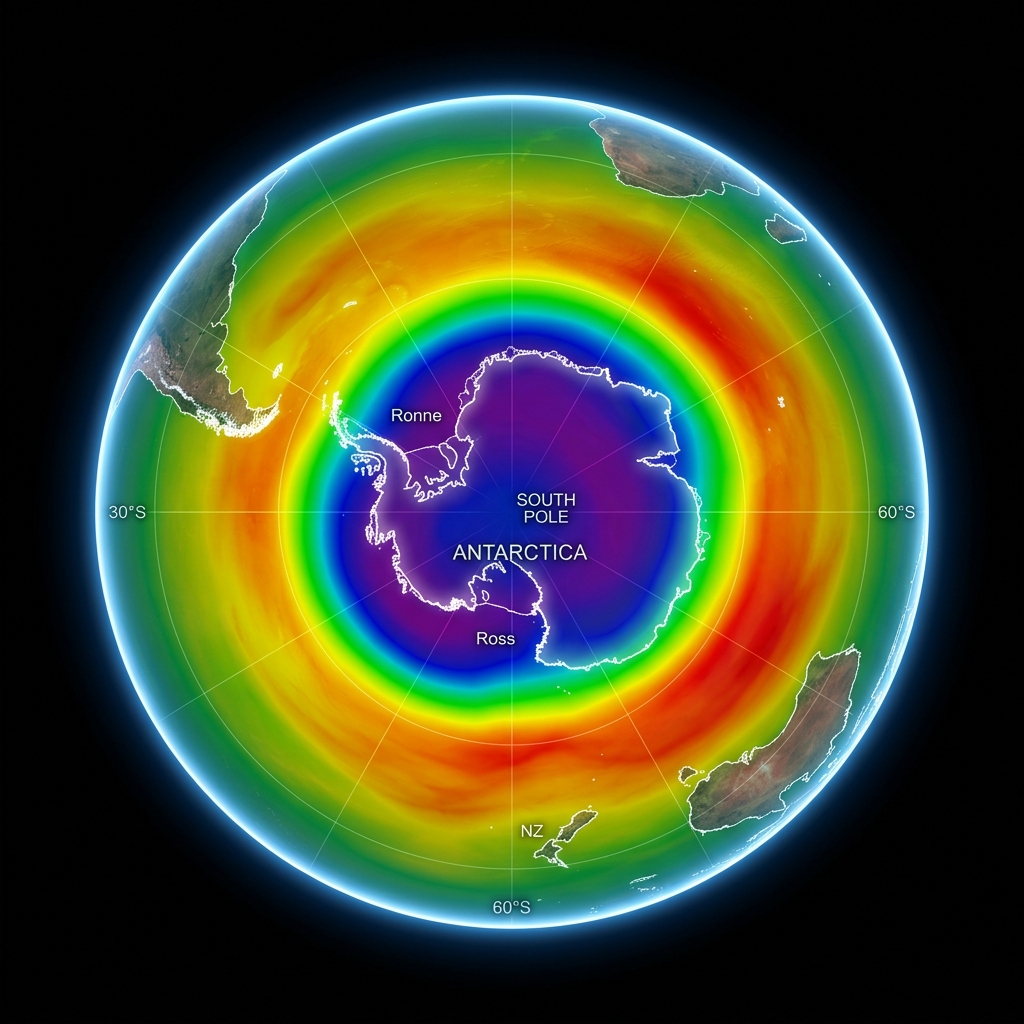
The Ozone Hole Over Antarctica
First discovered in 1985 by British scientists
Reaches its maximum every September–October (Southern Hemisphere spring)
2023 ozone hole reached ~26 million km² — one of the largest on record
Polar vortex and cold temperatures accelerate ozone destruction
1985
Discovery of the Hole
1987
Montreal Protocol Signed
2000
Reached Peak Dimensions
2023
Massive 26M km² Gap
Environmental Science | Global Impact | Monitoring & Trends
Environmental Impacts
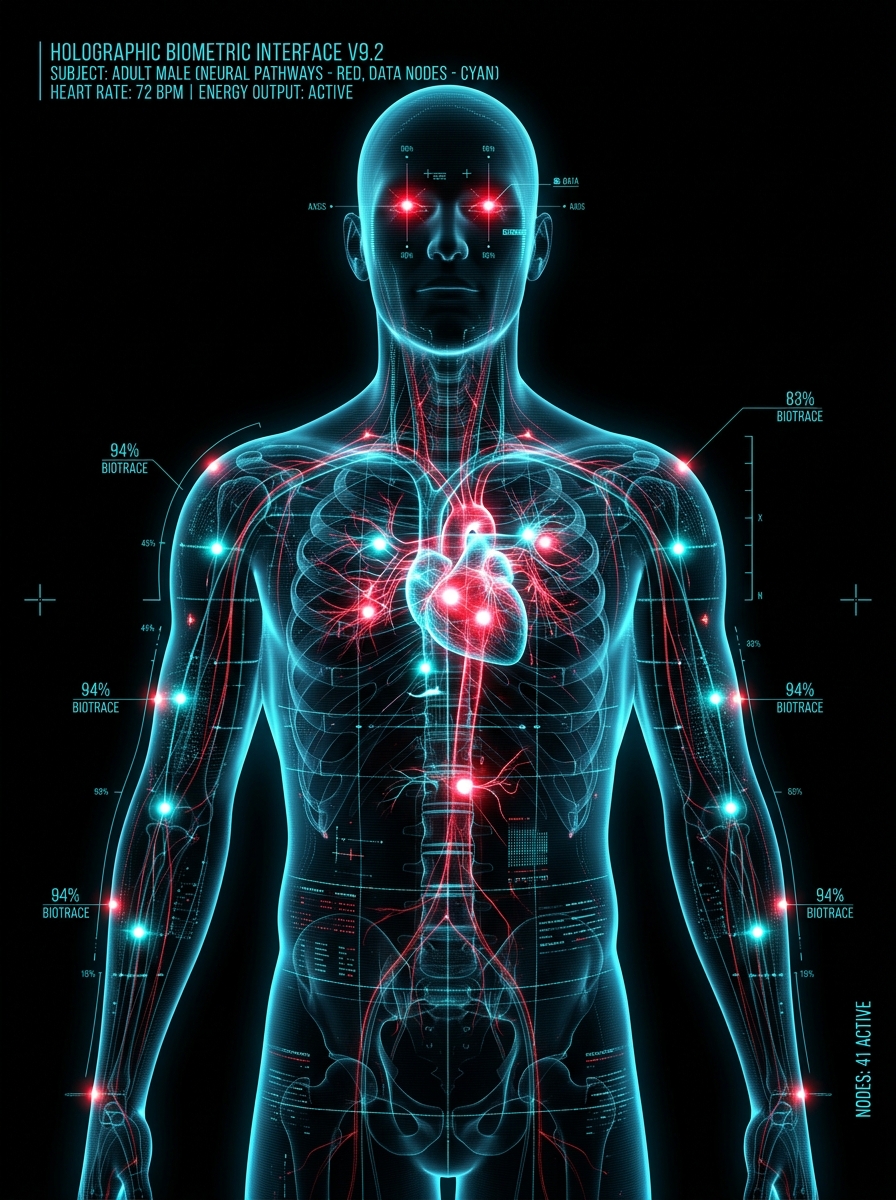
IMPACT ON HUMAN HEALTH
EYES
SKIN
IMMUNE SYSTEM
Skin Cancer
Increased UV-B exposure raises melanoma and non-melanoma skin cancer risk.
Every 1% drop in ozone → ~2% increase in UV radiation
Eye Damage
Increased risk of developing cataracts, photokeratitis (snow blindness), and macular degeneration.
Immune Suppression
UV-B suppresses the human immune system, increasing vulnerability to infections globally.
1 million+ new skin cancer cases per year linked to UV overexposure
Impact on Ecosystems & Wildlife
Marine Ecosystems
UV-B harms phytoplankton (base of ocean food chain), reduces fish populations, bleaches coral reefs
Terrestrial Plants
Reduces crop yields (soy, wheat, rice), inhibits photosynthesis, stunts plant growth
Amphibians
Highly sensitive to UV-B; increased deformities and population decline
Insects & Pollinators
Disrupts navigation and reproduction of bees and butterflies
A 10% ozone loss could reduce phytoplankton productivity by 5%
Environmental Science | Global Impact | April 2026
OZONE DEPLETION
& CLIMATE CHANGE
Ozone depletion and climate change are two sides of the same environmental coin.
Ozone loss allows more UV → surface warming
Stratospheric cooling from ozone loss alters wind patterns
Changes in Southern Ocean circulation
Climate change affects distribution of ozone-depleting substances
Increased stratospheric water vapor damages ozone
Warming delays ozone recovery
Ozone Loss
UV Increase
Ocean Warming
CO₂ Absorption Decrease
More Warming
Environmental Science | Global Impact | April 2026
The Montreal Protocol
The World's Most Successful Environmental Treaty
If no action had been taken, ozone depletion could have reached 50% by 2050
Global Cooperation | Environmental Action | 1987–Present
Ozone Layer Recovery — Where Are We Now?
Environmental Science | Current Status | April 2026
What Can We Do?
Individual & Collective Action to Protect the Ozone Layer
The ozone layer is healing — but only because humanity acted together. Let's keep going.
Environmental Science | Protect Our Planet | 2026
Avoid products with HCFCs/HFCs (check aerosols, refrigerants)
Properly dispose of old refrigerators and AC units
Support sustainable farming (reduce N₂O from fertilizers)
Advocate for industrial regulations and green tech
Use sunscreen and UV-protective clothing
Spread awareness and support environmental policy
- ozone-depletion
- environmental-science
- climate-change
- montreal-protocol
- sustainability
- uv-radiation
- ecology