
Research-Based Recommendations for Organizational Improvement
Optimizing Employee Retention Through Hybrid Work Models
A Mixed Methods Study on Remote Work Efficacy
Presentation Agenda
- Project Introduction
- Literature Review Details
- Research Methodology & Design
- Data Collection Methods
- Data Analysis Techniques
- Key Research Findings
- Strategic Recommendations
- Reflection & References
Project Introduction: Sample Tech Corp
Business Dilemma
Employee turnover has increased by 15% following the mandatory Return-to-Office (RTO) mandate issued in Q3 2024.
Statement of Problem
The organization's rigid adherence to traditional office hours conflicts with post-pandemic workforce expectations, leading to talent attrition.
Purpose of Study
To investigate the correlation between autonomy and job satisfaction to propose a sustainable hybrid framework.

Literature Review Highlights
- Self-Determination Theory (SDT): Deci & Ryan (2000) posit that autonomy is a critical psychological need for motivation.
- The Hybrid Paradox: Research by Microsoft (2022) indicates employees want flexible remote options but also crave in-person collaboration.
- Productivity Metrics: Studies show no significant drop in output for knowledge workers in remote settings, provided clear KPIs exist.
- Organizational Culture: 'Proximity Bias' can negatively impact remote workers' career progression (Smith et al., 2023).
Research Methodology & Design
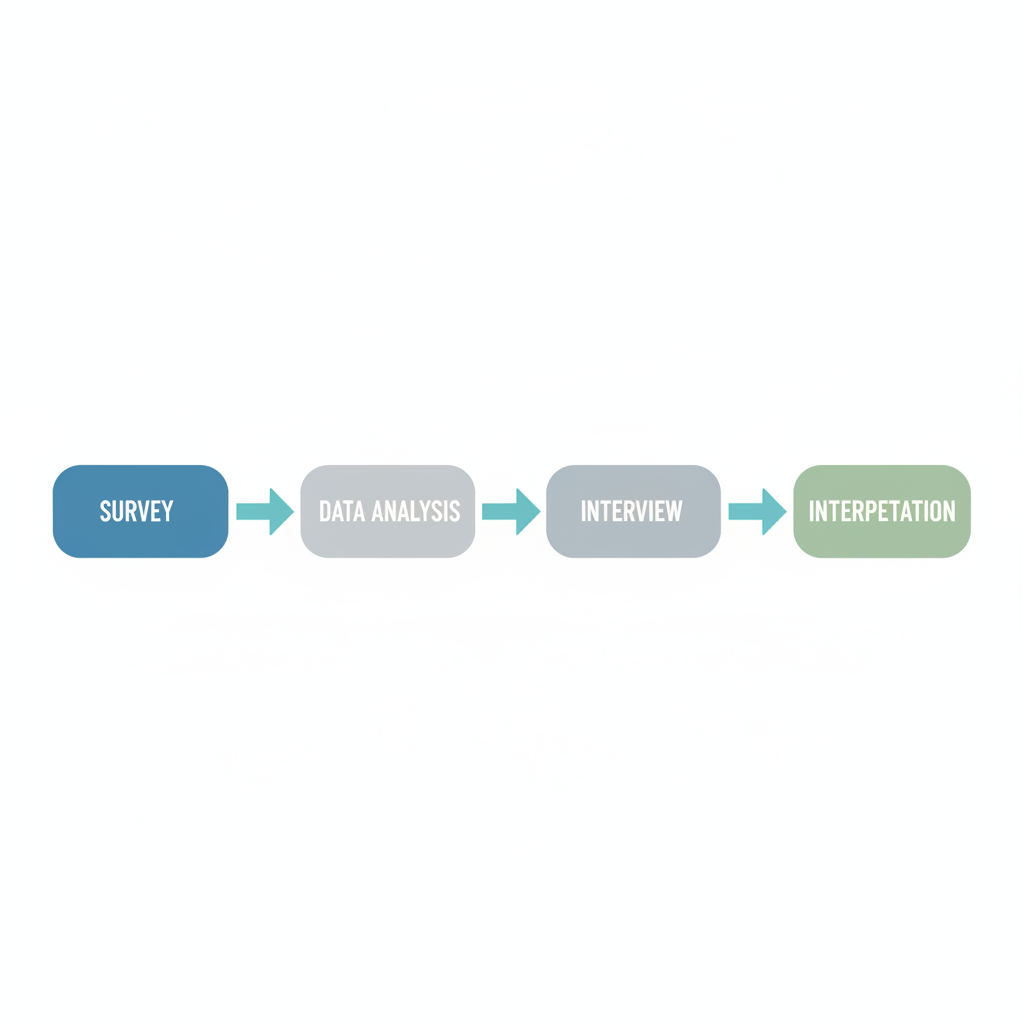
Explanatory Sequential Mixed Methods
This study utilizes a two-phase approach starting with quantitative data collection to identify trends, followed by qualitative interviews to explain the mechanism behind those trends.
Hypotheses & Data Collection
Research Hypotheses
H1: There is a positive correlation between flexible scheduling and employee retention scores.
H2: Employees with remote options report higher perceived productivity than fully in-office employees.
Methods & Instruments
- Quantitative: 25-question Likert scale survey distributed via email.
- Qualitative: Semi-structured video interviews (30 mins).
Data Collection Details
- Population: Mid-level managers in Tech.
- Sample Size (n): 142 survey respondents.
- Interview Sample: 12 high-performing employees.
Data Analysis Phase I: Quantitative
SPSS was used to calculate Pearson’s correlation coefficient. The data reveals a strong positive relationship between the number of remote days allowed and the Employee Retention Index score.
Data Analysis Phase II: Qualitative
Transcripts were analyzed using NVivo software. Three major themes emerged from the coding process affecting decision to stay or leave.
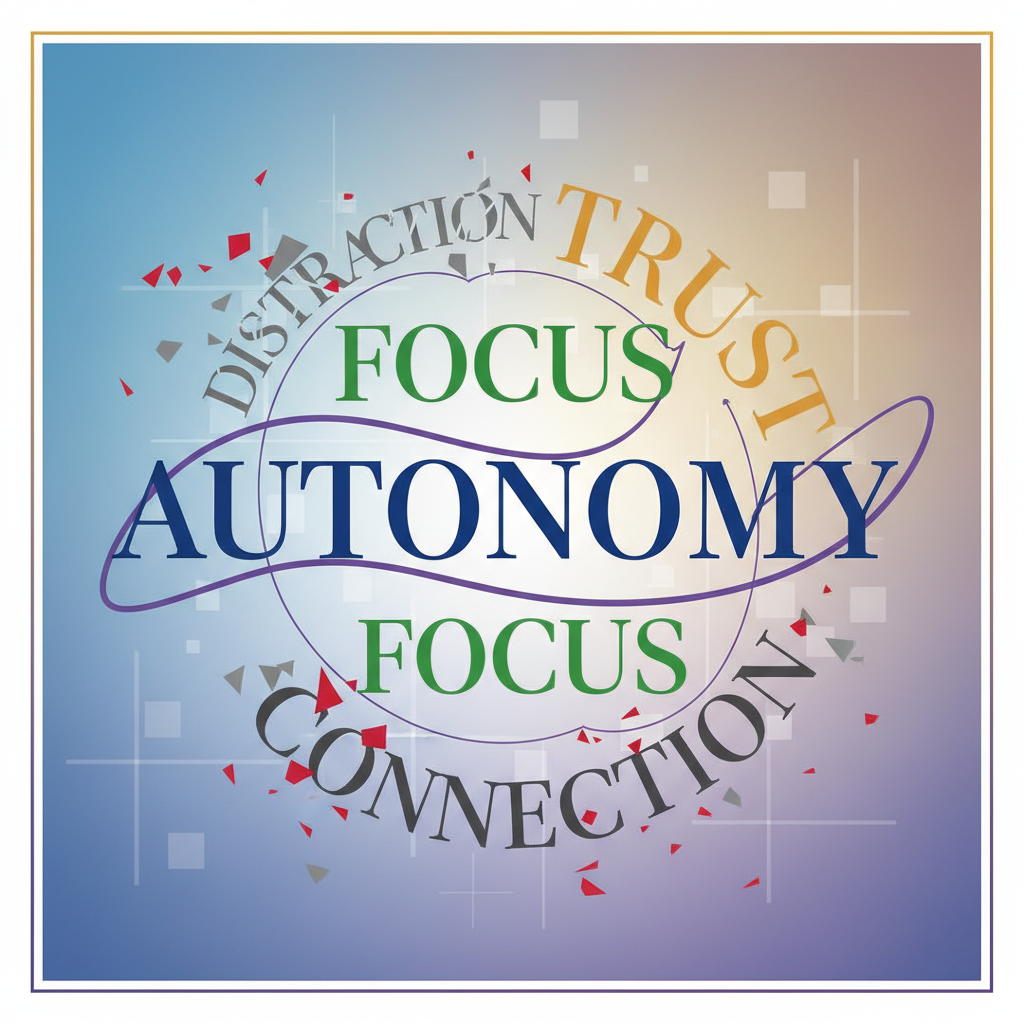
Theme 1: Trust & Autonomy
Employees equate mandatory office presence with a lack of trust from management.
Theme 2: Focus Work
The office environment is viewed as 'distracting' for tasks requiring deep concentration.
Theme 3: Social Connection
While focus is better at home, employees missing the 'casual collisions' of the office.
Findings: The Autonomy Factor
Data confirms that rigid schedules negatively impact morale. The 'Hybrid Sweet Spot' appears to be 3 days remote, 2 days in-office, balancing flexibility with connection.
Findings: Integration of Methods
Quantitative data showed *that* retention drops with office mandates; Qualitative data explained *why*: it is not about the location, but the loss of agency.

Recommendations for Practice
Require presence only 10am-2pm for meetings; allow flexibility otherwise to boost autonomy.
Shift office layout from cubicles to collaborative spaces. The office is for connection, not isolation.
Establish quarterly pulse surveys to continuously track engagement metrics against policy changes.
Course Reflection: Key Learnings

Reflection: Professional Application
The skills acquired in this course will directly impact my role as an HR Analyst.
Moving forward, I will advocate for evidence-based management rather than relying on intuition. I am now equipped to design valid internal surveys and analyze results to present actionable insights to executive leadership.

References
Deci, E. L., & Ryan, R. M. (2000). The 'what' and 'why' of goal pursuits: Human needs and the self-determination of behavior. Psychological Inquiry, 11(4), 227-268.
Microsoft Work Trend Index. (2022). Great Expectations: Making Hybrid Work Work. Microsoft Corp.
Smith, A., Johnson, B., & Lee, C. (2023). Proximity Bias in the Modern Workplace. Journal of Business Psychology, 15(2), 112-130.