
Innovative Smart Queue Management: Designing Solutions with Thinking
Stage 1: Empathize - The Waiting Problem
Traditional queuing leads to significant customer frustration. Our user research indicates that undefined wait times increase anxiety and perceived service duration. Businesses suffer from crowded lobbies, reduced throughput, and visibly unhappy clients.

Impact of Wait Times on Satisfaction
Survey data reveals a sharp decline in Net Promoter Score (NPS) as wait times exceed the 10-minute threshold. Managing this window is critical for customer retention.
How might we transform the waiting experience from a burden into a seamless, value-added part of the service journey?
Stage 2: Define - The Core Challenge
Stage 3: Ideate - Brainstorming Solutions

Stage 4: Prototype - Key Features
Virtual Queuing: Join the line via QR code scan
Live Status Board: Digital signage syncs with mobile app
Wait-Time Analytics: Dashboard for administrative staff
Personalized Notifications: 'You are next' alerts via SMS
User Interface Design
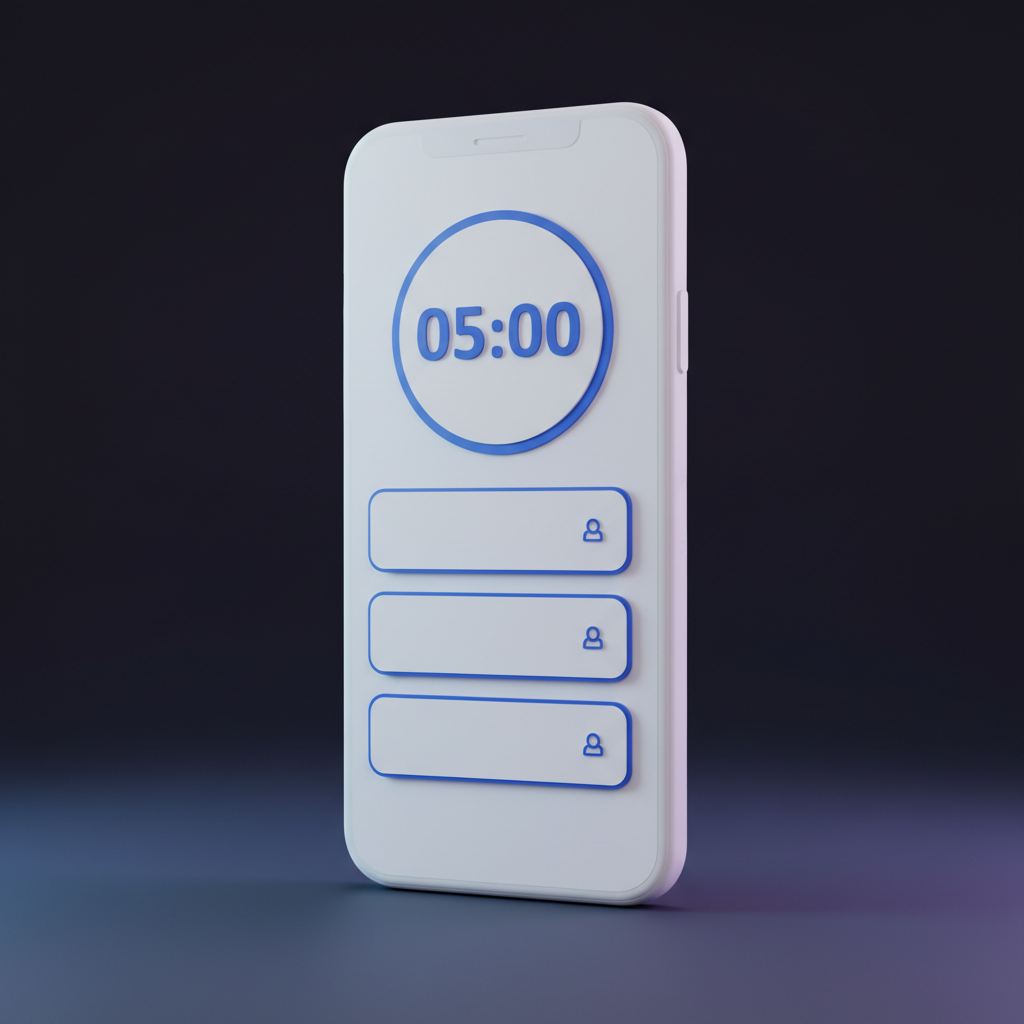
The mobile interface prioritizes simplicity. A large timer indicates estimated wait, while a color-coded status bar moves from green (waiting) to yellow (prepare) to red (now serving). This provides the user with transparency and reduces perceived wait time.
Stage 5: Test - Efficiency Gains
Pilot testing shows a 45% reduction in physical standing time and an overall improved throughput rate compared to the legacy token system.
Benefits to Stakeholders
Customer: Freedom to move, reduced anxiety, better experience.
Staff: Reduced lobby congestion, fewer complaints to manage.
Management: Data-driven insights on peak hours and performance.

The Future of Service
Scalable, Efficient, Human-Centric.