
Journey Through Human Evolution: Unlocking Our Past to Shape the Future

Overview: A Non-Linear Path
Human evolution is often visualized as a straight line, but scientific evidence reveals a branching tree. Spanning approximately 7 million years, our lineage branched from great apes in Africa. For most of history, multiple human species coexisted simultaneously. It is only recently—within the last 40,000 years—that Homo sapiens became the sole surviving human species.
Timeline of Emergence
This chart illustrates how many million years ago (MYA) key species first appeared in the fossil record.
The First Step: Bipedalism
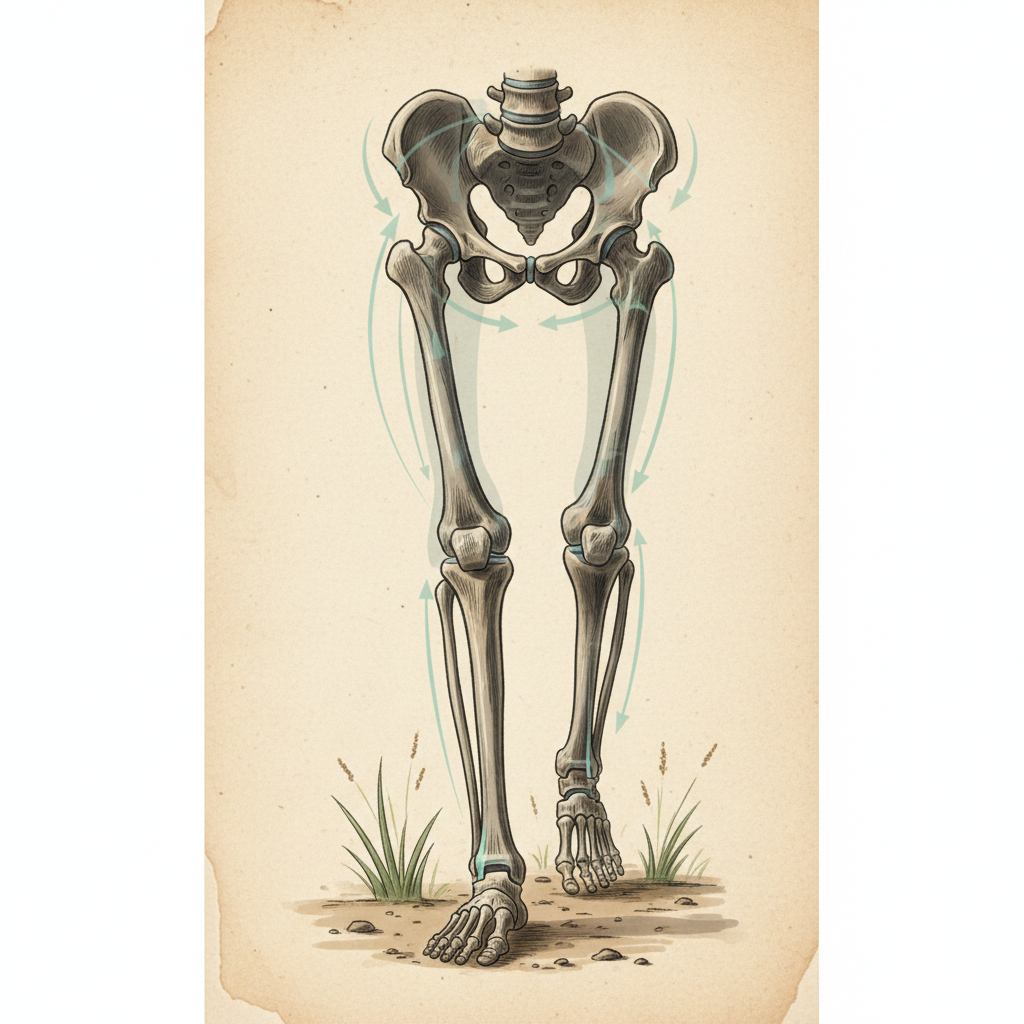
Walking upright on two legs was one of the earliest and most defining human traits. Occurring between 7 and 4 million years ago, bipedalism allowed early hominins to traverse long distances across the changing African landscape and freed their hands for carrying food, young, and eventually tools.
Australopithecus & 'Lucy'
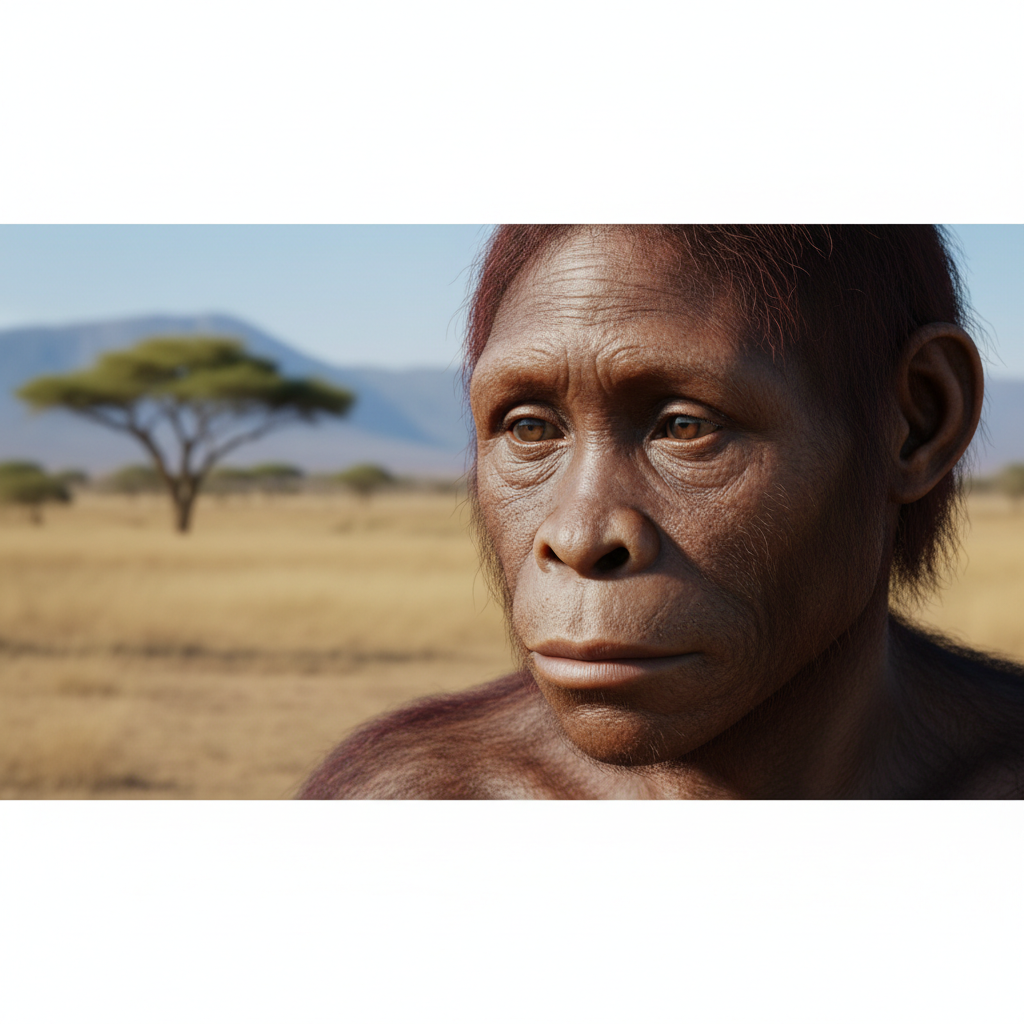
Australopithecus afarensis, popularized by the famous fossil 'Lucy', represents a crucial bridge species living roughly 4 to 3 million years ago. While they walked upright like humans, they retained ape-like upper bodies and possessed smaller brains, demonstrating that bipedalism preceded significant brain expansion.
New Capabilities: The Homo Genus
- Emergence: The Homo genus appeared approx 2.8 million years ago.
- Tool Use: Homo habilis is closely associated with Oldowan stone tools.
- Dexterity: Fine hand motor skills allowed for butchering and processing food.
- Survival: Technological innovation became a primary survival strategy.
Evolution of Cranial Capacity
A defining characteristic of the genus Homo is the rapid expansion of brain size. This chart outlines the average cranial capacity in cubic centimeters (cc), showing a tripling in size from early hominins to modern humans.
We are the only species that uses symbols to communicate complex ideas, create art, and imagine futures that do not yet exist.
Anthropological Insight on Homo Sapiens