
Exploring Key Events in Class 9 History: Chapter 3
Birth of the Weimar Republic
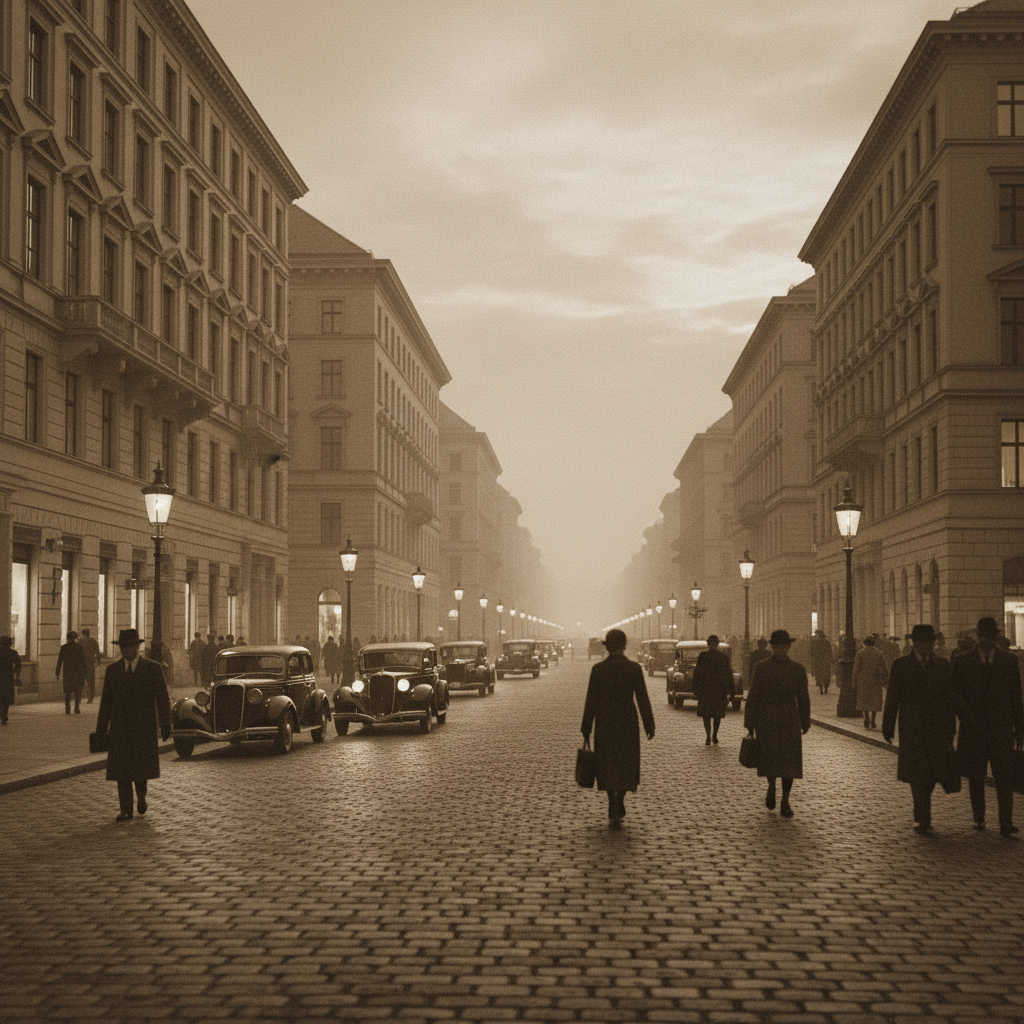
After World War I, the defeat of Imperial Germany led to the abdication of the Emperor. A National Assembly met at Weimar to establish a democratic constitution with a federal structure.

Economic Crisis: Hyperinflation (1923)
Germany refused to pay reparations in 1923, leading France to occupy the Ruhr. Germany retaliated by printing paper currency recklessly. The value of the Mark collapsed, causing prices to skyrocket.
Hitler’s Rise to Power
- 1919: Hitler joined the German Workers' Party, later renamed the National Socialist German Workers' Party (Nazi Party).
- 1923: Failed coup in Bavaria (Beer Hall Putsch), arrested for treason.
- 1929: The Great Depression created a fertile ground for mass movements. Nazism became a mass movement only during the Depression.
- 1932: Nazi Party became the largest party with 37% of the votes in the Reichstag.
The Destruction of Democracy
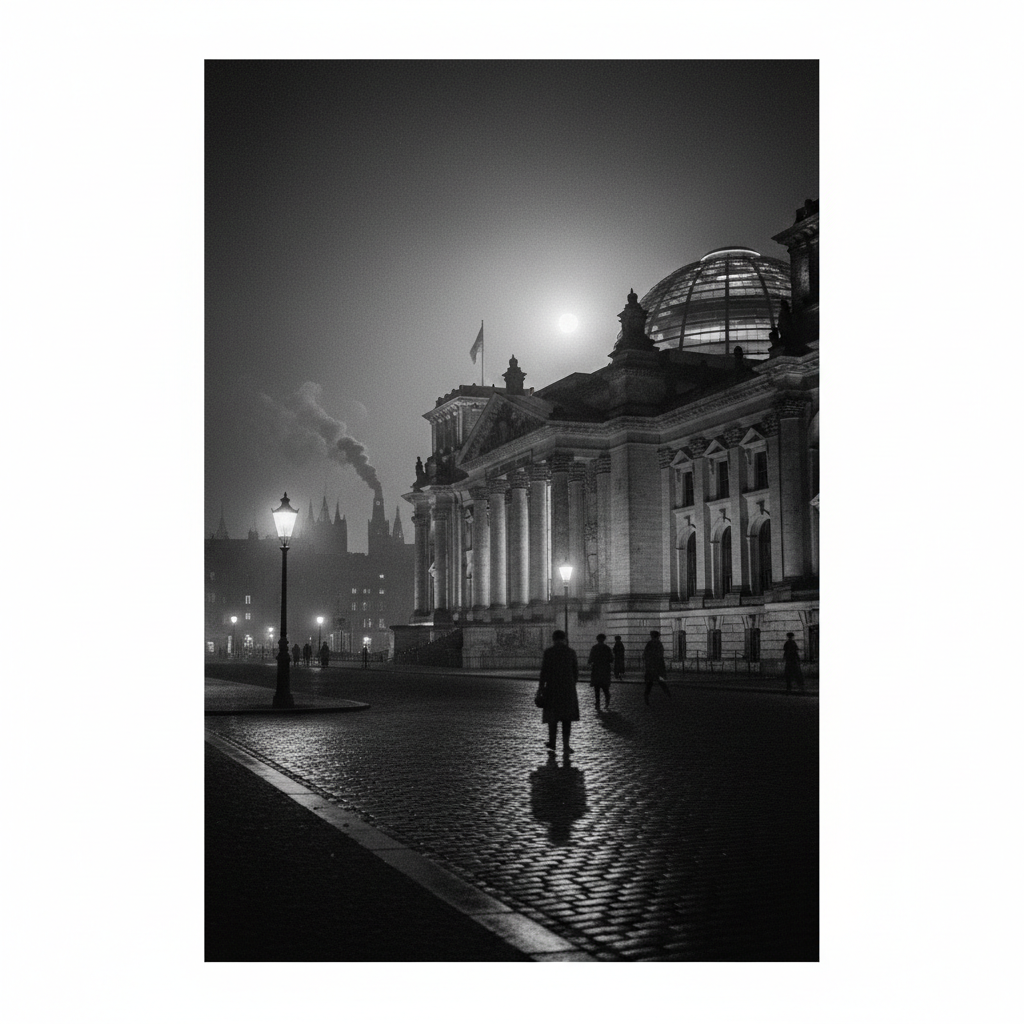
On 30 January 1933, President Hindenburg offered the Chancellorship to Hitler. Once in power, Hitler moved to dismantle democratic structures.
The Enabling Act (3 March 1933) established dictatorship in Germany. It gave Hitler all power to sideline Parliament and rule by decree.
There was no equality between people, but only a racial hierarchy.
— Nazi Ideology
Blond, blue-eyed Nordic German Aryans were at the top, while Jews were viewed as 'anti-race'.
Youth in Nazi Germany
- Hitler felt a strong Nazi society could only be established by teaching children Nazi ideology.
- Schools were 'cleansed' and 'purified'. Textbooks were rewritten to justify racial science.
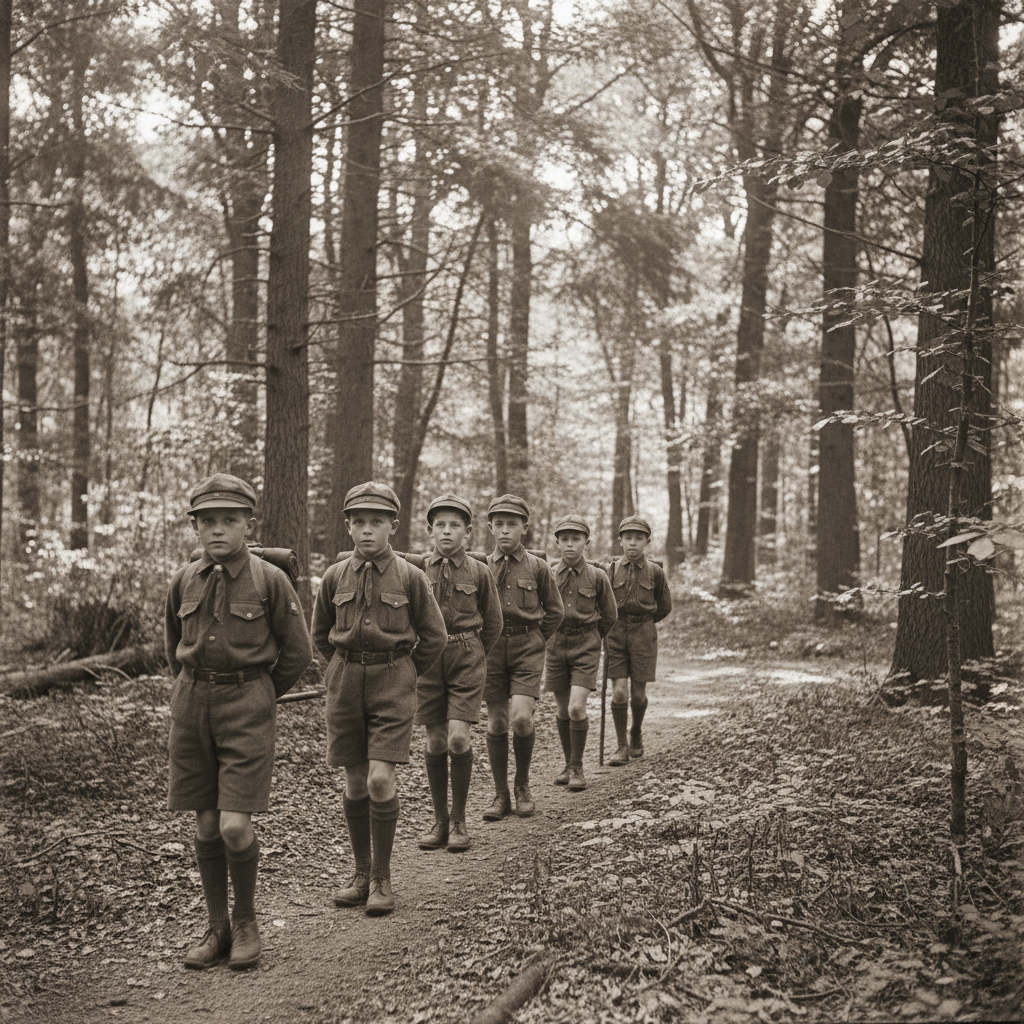
- At 14, all boys had to join the 'Hitler Youth', where they were taught to worship war and hate Jews.
The Role of Women
Women were told that they were radically different from men.
While boys were taught to be aggressive and steel-hearted, girls were told they had to become good mothers.
Their primary duty was to rear pure-blooded Aryan children and maintain the purity of the race.
Women who bore racially undesirable children were punished, while those who produced Aryan children were awarded.

The Holocaust
Mass Killing Operations & Ghettos
Chapter Summary
The fragile Weimar Republic faced political instability and economic hyperinflation.
The Great Depression provided the context for Hitler's rise to power and the dismantling of democracy.
Nazi ideology was based on racial hierarchy, leading to the persecution of Jews and the Holocaust.
Indoctrination of youth and women ensured state control over all aspects of life.