
Unlocking Innovation: The Power of Microcontrollers
What is a Microcontroller?
A microcontroller (MCU) is a compact integrated circuit designed to govern a specific operation in an embedded system. Unlike a general-purpose computer, it serves as a 'System on a Chip' (SoC), combining a processor core, memory, and programmable input/output peripherals on a single piece of silicon.
Key Internal Components
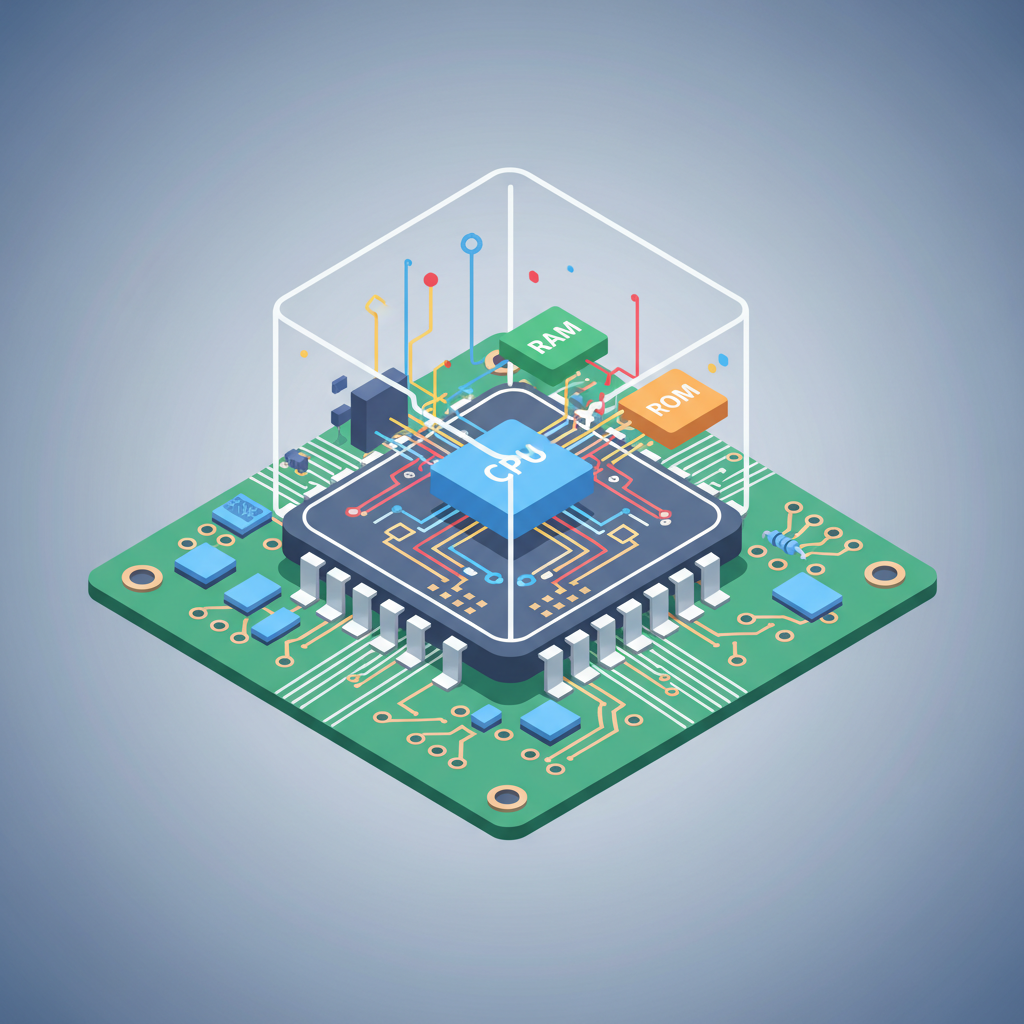
- ▸Processor Core (CPU): The brain that fetches, decodes, and executes instructions (e.g., Cortex-M, AVR).
- ▸Memory: Volatile SRAM for data storage and Non-Volatile Flash/ROM for program storage.
- ▸I/O Peripherals: GPIO pins, Timers, and counters for interacting with the external world.
- ▸Analog Converters: ADC (Analog-to-Digital) and DAC (Digital-to-Analog) for sensor data processing.
MCU vs. Microprocessor (MPU)
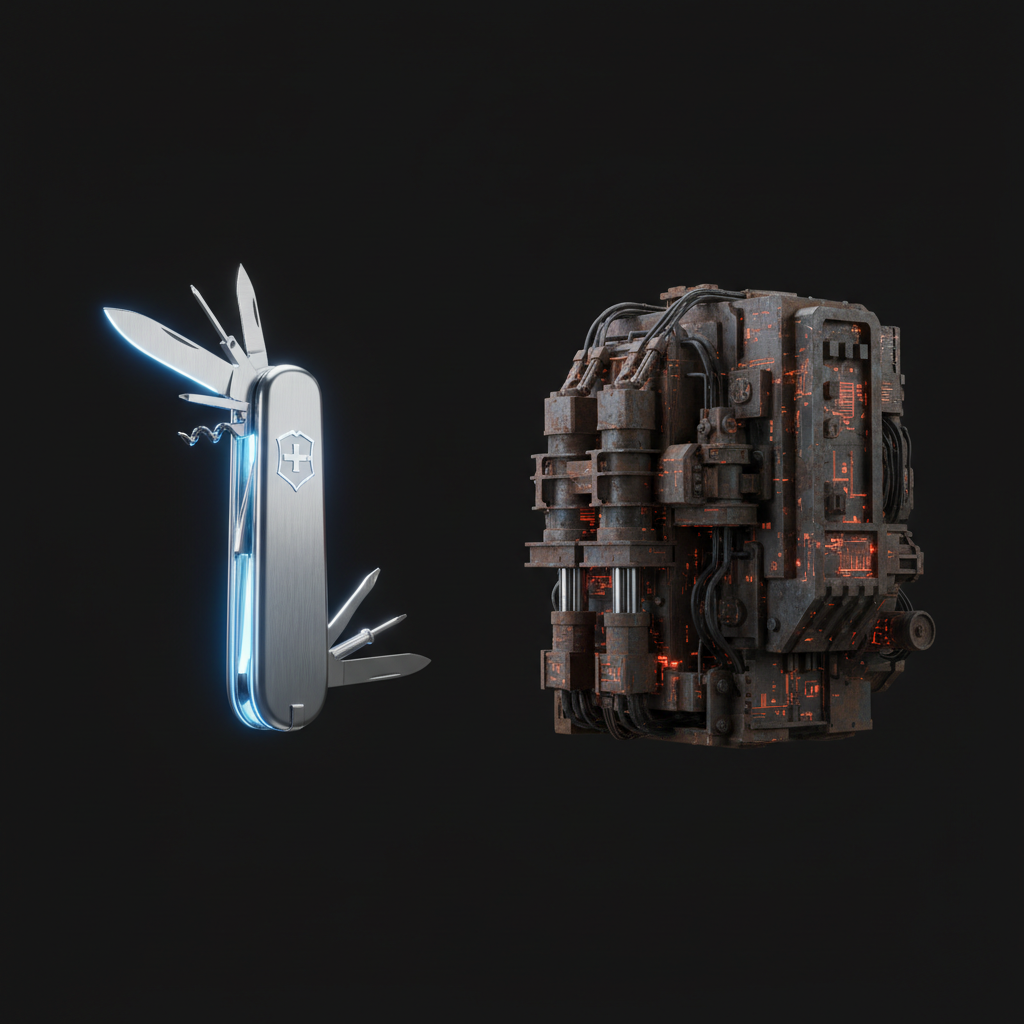
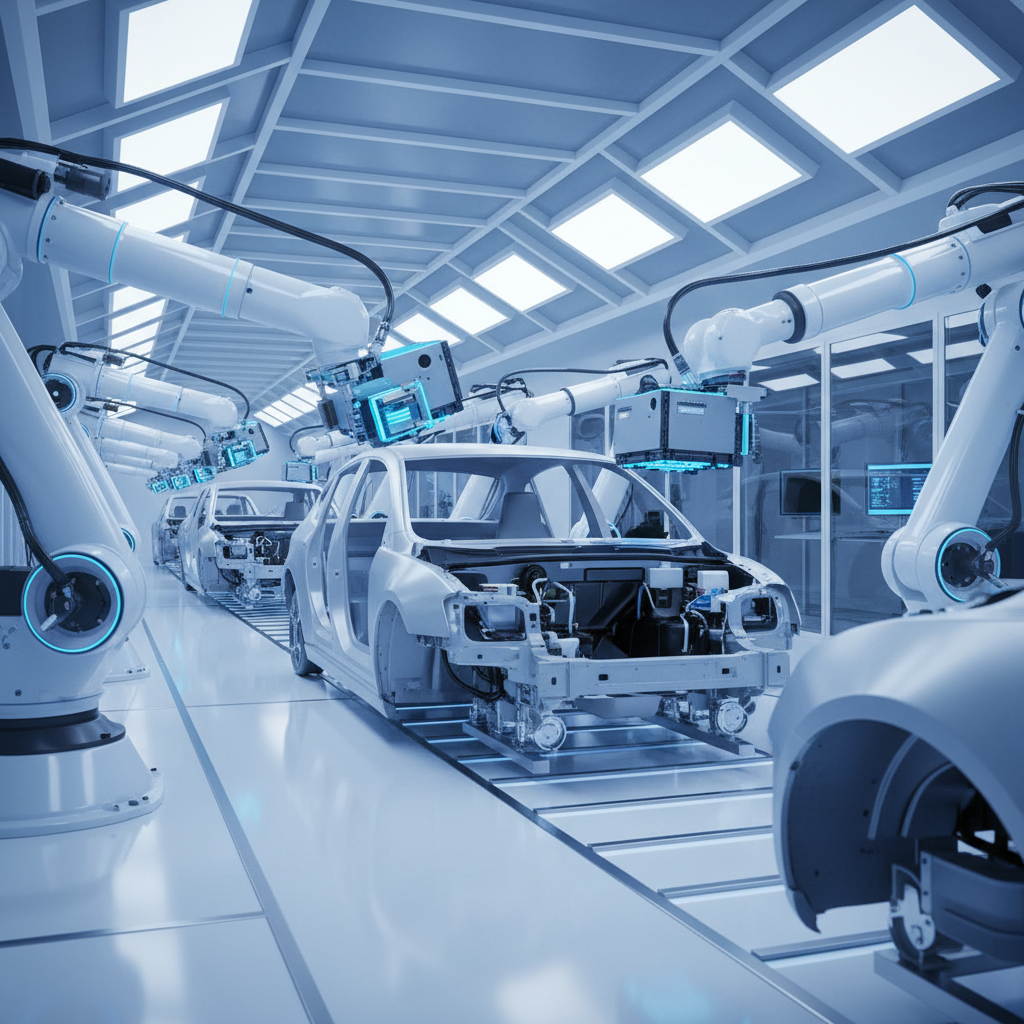
While an MPU (like in a laptop) emphasizes raw computational power and requires external memory/storage, an MCU is optimized for specific tasks, low power consumption, and self-sufficiency. Think of the MPU as a factory production line and the MCU as a Swiss Army Knife.
Market Dominance by Bit Width
32-bit microcontrollers have overtaken the market due to the demand for higher performance in IoT and automotive sectors, though 8-bit MCUs remain popular for simple, low-cost applications.
Popular Architectures
ARM
ARM Cortex-M: The industry standard for 32-bit processing. High efficiency and massive ecosystem (STM32, NRF52).
RISC-V
RISC-V: The rising open-source ISA allowing for custom, royalty-free processor designs.
AVR
AVR: 8-bit architecture famously used in early Arduino boards. Simple and robust.
PIC
PIC: Microchip's long-standing Harvard architecture, widely used in industrial appliances.
“Code without hardware is just a dream. Hardware without code is just a sculpture.”
— Embedded Systems Philosophy
Power Efficiency: Sleep vs. Active
A critical feature of MCUs is their ability to sleep. While an active processor might consume 5000 µA, Deep Sleep modes can drop consumption to less than 1 µA, allowing batteries to last for years.
Cutting Edge
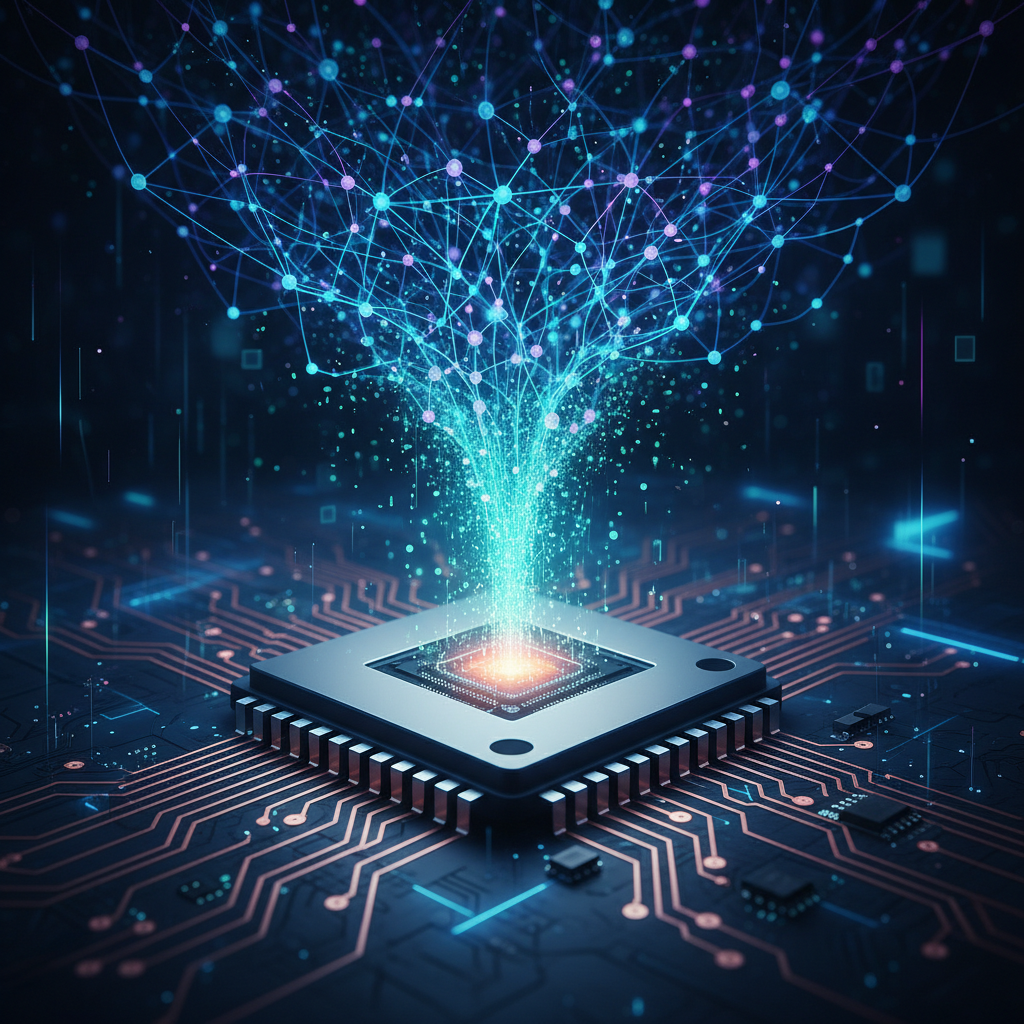
Future Trend: TinyML
Machine Learning is moving to the edge. TinyML allows Machine Learning models to run directly on microcontrollers. This enables smart sensors to perform voice recognition, gesture detection, and anomaly detection locally, without sending private data to the cloud.