
Smart Home Automation with Environmental Monitoring Using ESP32
Project Overview
This project integrates IoT technology with environmental monitoring to enhance comfort, safety, and energy efficiency. It enables both manual and wireless control of appliances while monitoring temperature, humidity, and indoor air quality using an ESP32 microcontroller as the scalable, cost-effective central unit.

Motivation & Need
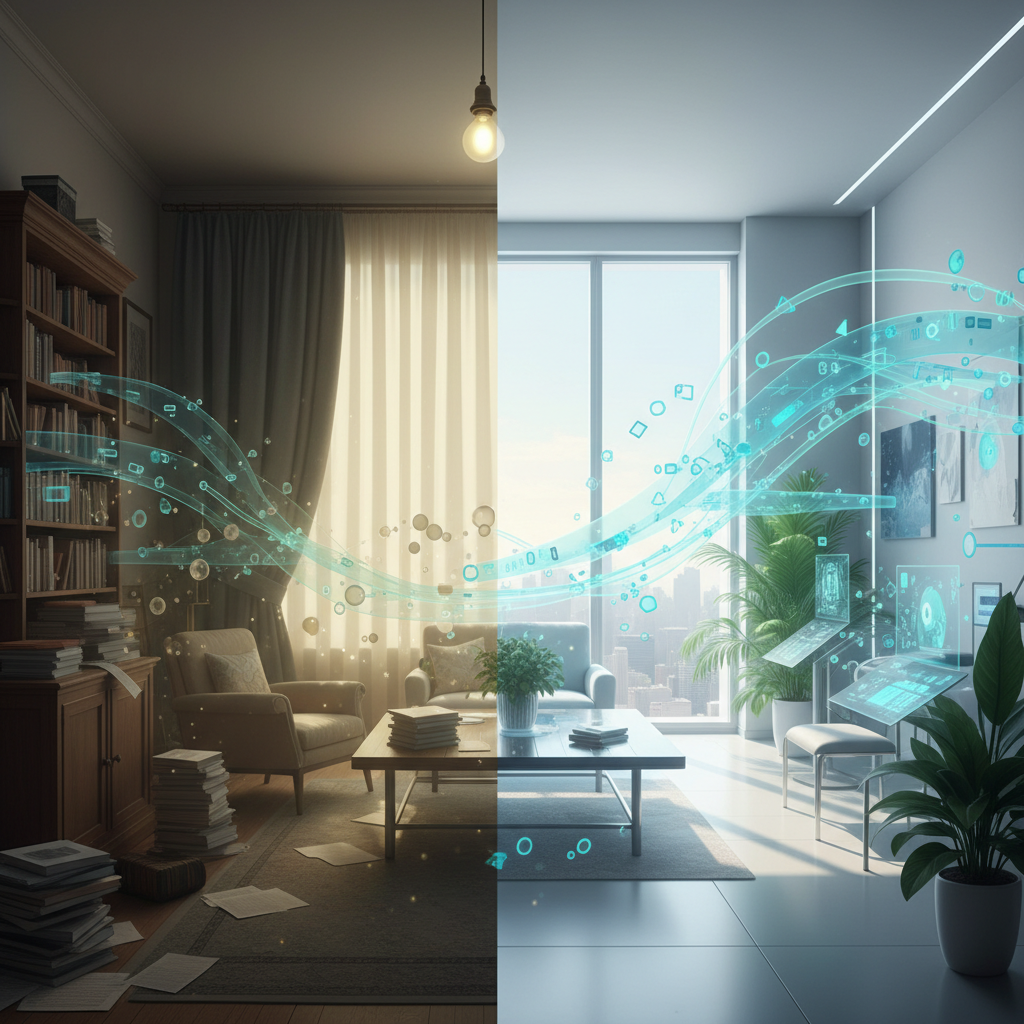
Traditional homes suffer from inefficient energy usage and a lack of awareness regarding indoor environmental conditions. Poor air quality can impact health significantly. This project bridges this gap by offering a low-cost solution that automates appliances and provides real-time health-focused environmental insights.
Project Objectives
- ➤Design a smart home automation system using ESP32.
- ➤Monitor indoor temperature and humidity with DHT11.
- ➤Detect hazardous air quality levels using MQ135 sensor.
- ➤Control appliances (lights/fans) via relays and Wi-Fi.
- ➤Ensure real-time system performance and remote access.
System Architecture
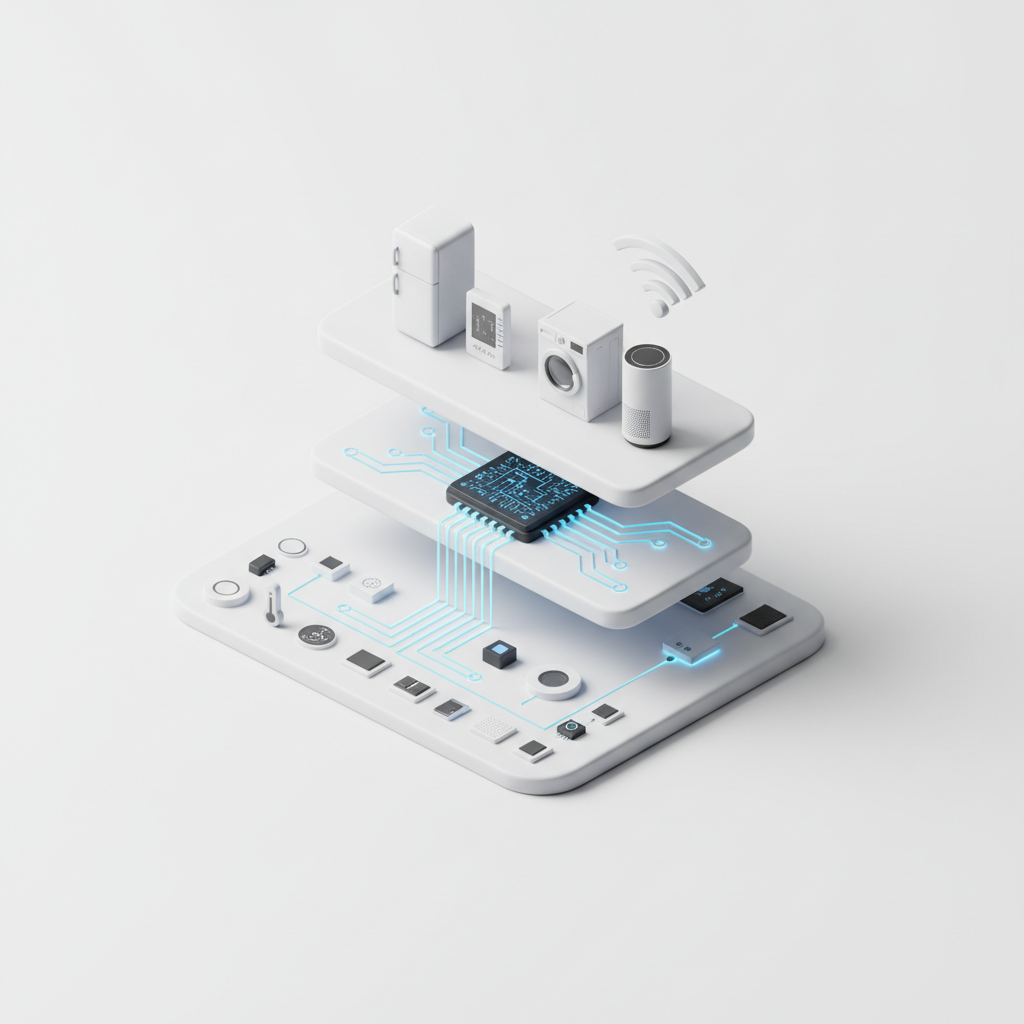
The architecture comprises three layers: the Sensing Layer (DHT11 & MQ135), the Control & Processing Layer (ESP32), and the Actuation & Interface Layer (Relays & Wi-Fi). This ensures a seamless flow from data collection to decision making and physical control.
Core Hardware Components
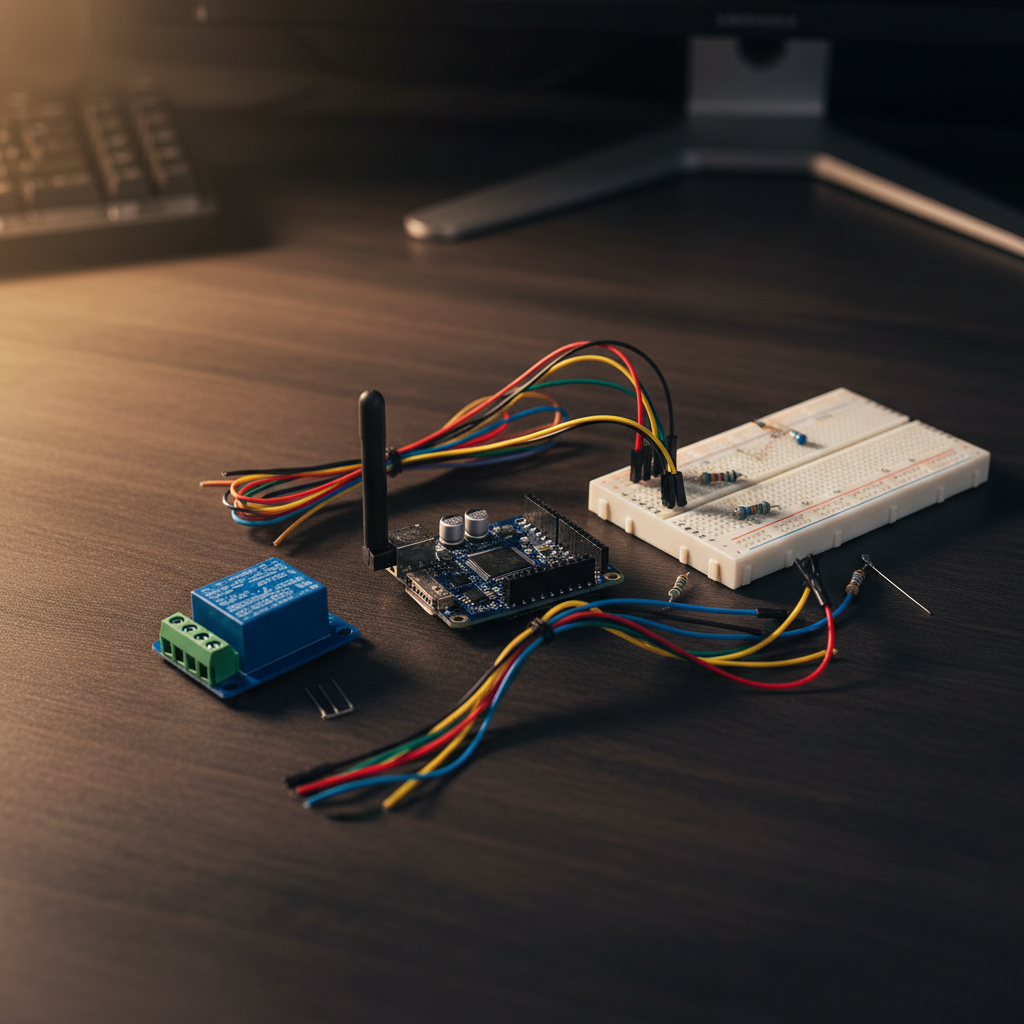
ESP32 Microcontroller | Relay Module | Switch Box | Power Supply
Environmental Sensors
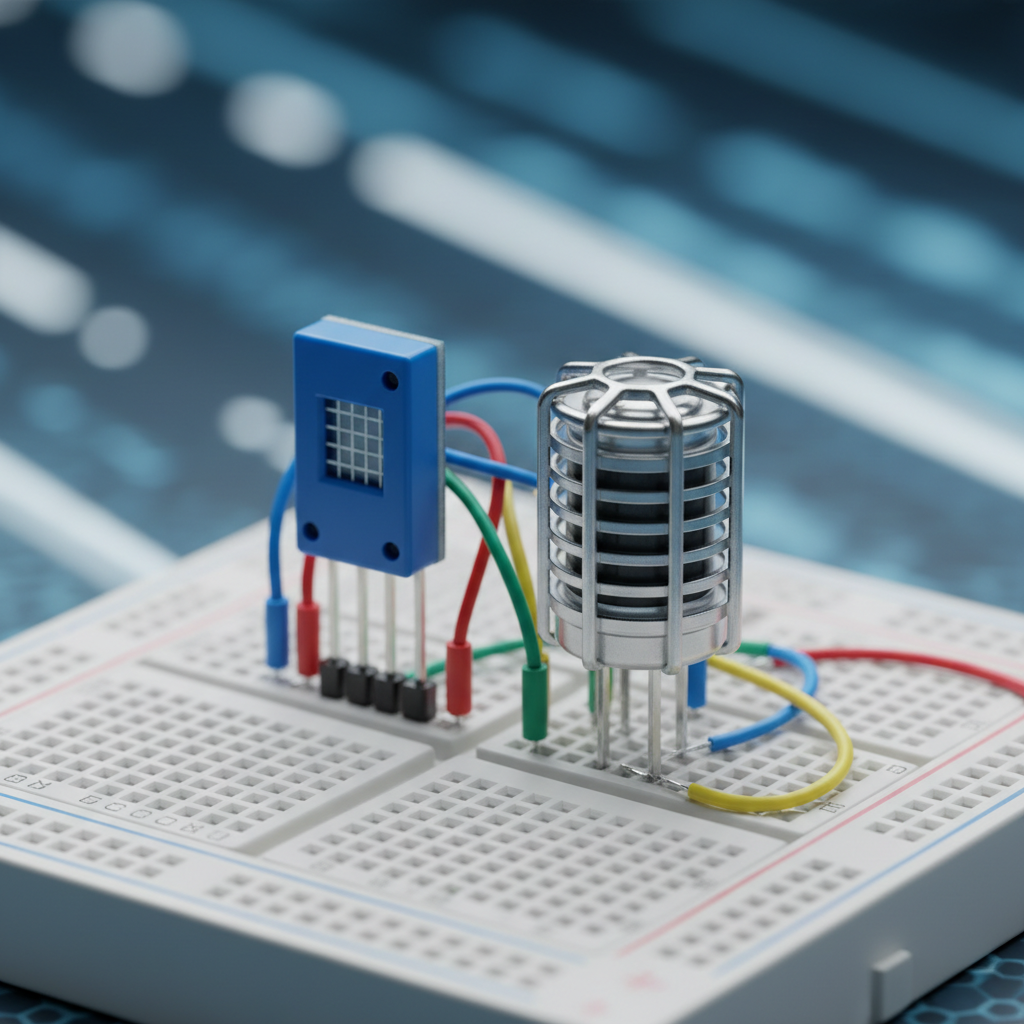
DHT11
The DHT11 Sensor measures ambient temperature and humidity with a digital output, ensuring easy interfacing for real-time monitoring.
MQ135
The MQ135 Air Quality Sensor detects harmful gases like CO₂, Ammonia, and smoke, providing critical data for indoor air safety.
Automation Logic & Working Principle
Automated Response
The system continuously reads data from sensors. If the temperature exceeds a threshold, the fan activates automatically. Similarly, poor air quality triggers ventilation protocols.
Manual & Remote Control
A unique feature is the 'Override' capability. Users can manually switch appliances or use the Wi-Fi interface, which takes precedence for safety and convenience.
Key Advantages
- Dual-Mode Control: Seamless switching between manual and wireless operation.
- Health Monitoring: proactively promotes better indoor air quality.
- Energy Effiency: Reduces waste by automating climate control.
- Cost-Effective & Scalable: Uses affordable components with room for upgrades.

Conclusion
“The project demonstrates a practical, affordable, and scalable solution that enhances comfort, safety, and awareness of indoor conditions, making it suitable for modern smart living.”